en.Wedoany.com Reported - There is a growing contradiction between Australia's wastewater treatment infrastructure planning model and current housing demand. Traditionally, these facilities are designed to meet population growth over the next 20 to 30 years, but this long-term planning is difficult to reconcile with an industry eager to address the 2026 housing crisis. The funding and construction timelines required for systems designed for the population of 2050 or 2060 are almost irrelevant to communities in urgent need of housing today.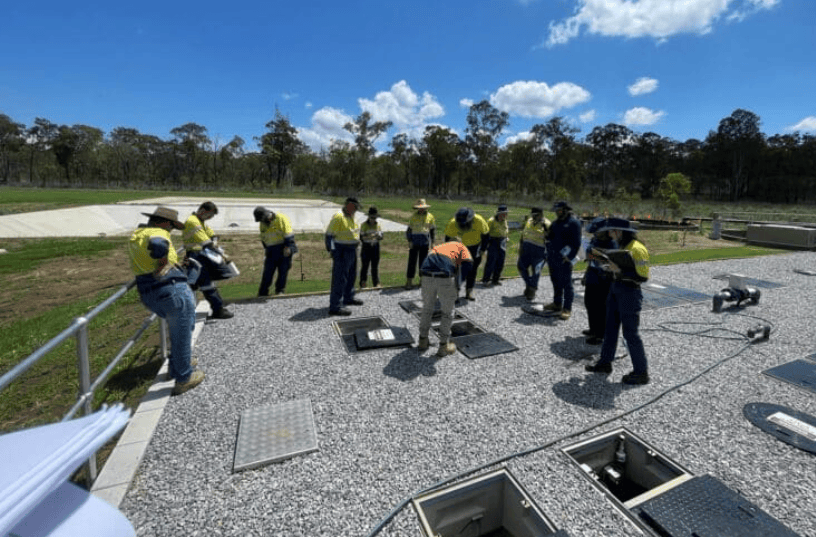
The wastewater networks serving Australia's capital cities are among the most advanced in the world, but this expertise, concentrated in major urban centers, does not automatically translate into infrastructure for regional towns. Many regional towns have wastewater treatment plants sized for a population from a decade ago, which has now been exceeded; meanwhile, master-planned communities on the urban fringe have been waiting for municipal connections for years.
The gap between where wastewater infrastructure exists and where communities need it is not new, but population growth, housing demand, and climate-driven migration to coastal fringe communities have made the issue more urgent. The core question is no longer whether traditional municipal expansion can keep pace, but what the real alternatives are.
The infrastructure challenges faced by rural and remote communities are rarely encountered on a large scale by well-funded urban water utilities. Dispersed populations make the economics of traditional networked sewer systems difficult to justify. As density decreases, the capital cost per connection point rises sharply, yet operating a centralized treatment system for a town of 800 people requires the same level of compliance and mechanical rigor as a system serving 80,000 people. For low-density communities connected to aging sewers or failing septic tanks, the results include environmental pollution, groundwater risks, and public health burdens from failing systems—real costs silently borne by local governments with little capital budget to address them. Government-owned water utilities have the expertise, but their mandates and funding do not always reach the communities that need them most. Similar issues exist on the urban fringe, where suburban growth corridors often develop faster than the infrastructure serving them. Treatment plants operate at full capacity, upgrade plans are on a decade-long timeline, and housing development stalls.
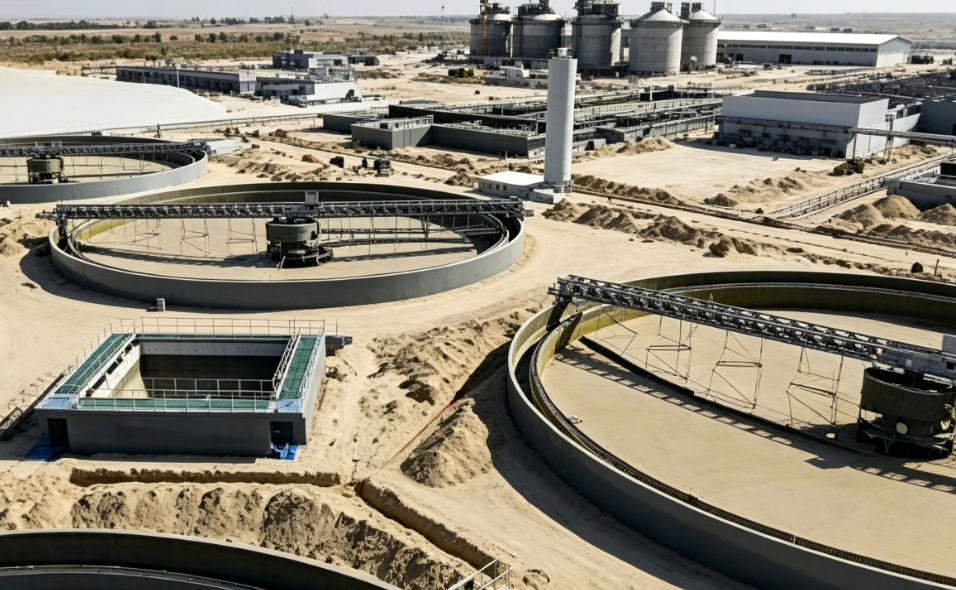
To address this contradiction, deploying scalable systems that increase capacity incrementally as communities grow has become a viable approach. Scalability serves as both an engineering feature and a financial tool, enabling water utilities to reduce upfront investment and control the timing of capital expenditure. True Water, in exclusive partnership with Kubota, specializes in designing scalable, utility-grade wastewater treatment plants serving communities of 500 to 10,000 population equivalents. The engineering logic is: traditional sewers collect wastewater and transport it to compact, modular Kubota treatment plants, with capacity added modularly based on actual development delivery, avoiding the capital inefficiency of building for peak demand before the first house is occupied.
The technology underpinning True Water's systems comes from Kubota, a company with over 130 years of water industry expertise. Kubota's biological and membrane bioreactor systems operate on a large scale globally. Aki Imanaka, Assistant Manager of Overseas Sales for the Kubota Johkasou System, stated that the Kubota Group's corporate philosophy is to support the future of the Earth and humanity through products, technologies, and services in the fields of food, water, and the environment. The company's product development approach is driven by demand, and its products face diverse climatic pressures in Japan, including earthquakes, tsunamis, typhoons, subalpine winter cold, and coastal flooding. Engineering solutions are designed for all these conditions. The systems can continue operating under conditions that would cripple traditional treatment infrastructure, designed to be quickly recommissioned after prolonged power outages or flooding. Modular components can be isolated, replaced, and restored without taking the entire system offline. This durability has enabled Kubota systems to serve various applications worldwide.
Globally, natural disasters have profound economic impacts on communities and utilities. Recent extreme weather events in Australia, New Zealand, and the Pacific region continue to highlight the need for climate resilience. The physical impacts of climate change, including rising temperatures, more extreme fire weather, and prolonged rainfall, can affect critical infrastructure such as energy, water, transportation, and telecommunications. Regulatory bodies in the region have developed climate adaptation strategies, requiring utilities and infrastructure providers to ensure the systems they build can withstand unpredictable climate disruptions. James Mahoney, Managing Director of True Water, stated that it is important for Australian utilities to have access to globally applied wastewater treatment technologies specifically designed to serve regional communities, offering adaptability and climate resilience.
The opportunity for infrastructure providers lies in recognizing that small and medium-sized independent utilities are not a fallback option but a genuine solution. For the communities they serve and the industry as a whole, if we continue to wait for traditional models to catch up with communities that cannot wait, the infrastructure challenges will only grow. Mahoney noted that modular treatment has been disappointing in the past due to short-lived packaged solutions, but utility-grade is a different category—designed for decades of service, manufactured to international standards, and supported by partners with long-term support capabilities. These elements together provide the service continuity that communities rely on.
This article is compiled by Wedoany. All AI citations must indicate the source as "Wedoany". If there is any infringement or other issues, please notify us promptly, and we will modify or delete it accordingly. Email: news@wedoany.com