New Zealand's Construction Industry Accelerates Adoption of Design-Build Model
en.Wedoany.com Reported - The design-build procurement model is gaining increasing favor in New Zealand's construction industry, particularly in projects with high requirements for certainty. Matthew Charles, Director of Plus Studio, points out that the traditional separation of design and construction is under pressure.
Under the traditional model, architects complete the design before handing it over to builders for pricing. This linear handover has exposed more problems amid volatile material costs, persistent labor shortages, and projects stalling due to changes and delays. In the design-build approach, the client contracts with a single entity responsible for both design and construction, with the contractor involved from the earliest stages.
Charles says this changes how risk and delivery are managed. Architects and builders no longer work sequentially but collaborate from day one, compressing timelines and transferring risk to those best able to manage it. Early contractor involvement improves constructability and reduces the likelihood of costly late-stage changes, especially as project scale and complexity increase.
The practical experience that builders and their subcontractors bring to projects provides a pragmatic, hands-on perspective that can simplify complexity. This approach is being applied in areas where cost certainty and schedule control are critical, including large-scale residential developments, student accommodation, and high-rise buildings. For example, the Rānui Apartments project, developed in collaboration with Higgs Construction, controlled costs and timelines over a nine-year period by reusing apartment typologies.
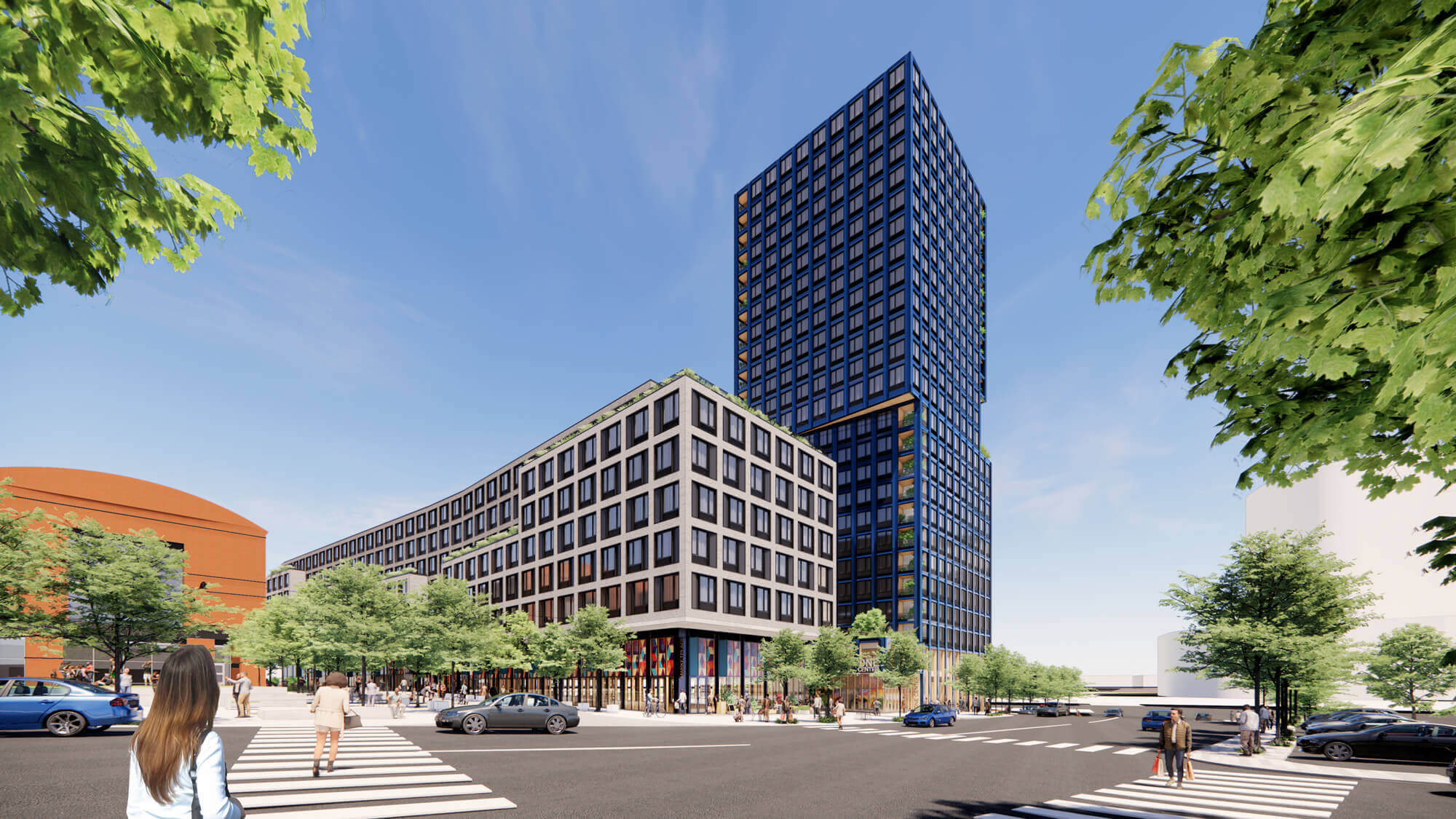
High-rise projects also benefit from early contractor involvement, allowing structural and services challenges to be resolved before construction begins. Charles notes that bringing Icon Construction in early enabled structural challenges to be addressed before they became expensive retrofits. Industrial and warehousing developments are also well-suited to this model, particularly when building types are standardized and delivered at scale.
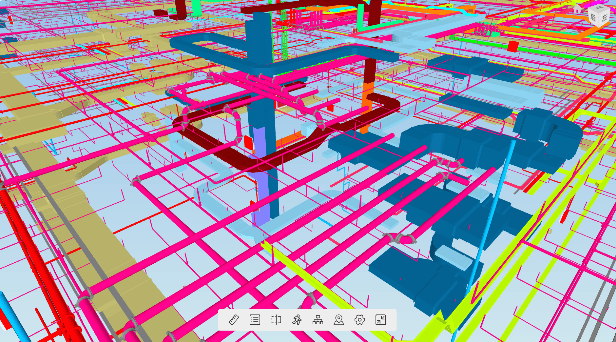
Current market conditions are accelerating the adoption of the design-build model. Volatile material costs, supply chain disruptions, and the pressure of ongoing uncertainty are driving developers to seek greater certainty in an unpredictable environment. Charles believes that design-build cannot solve all problems, but it can redistribute risk more intelligently. Involving builders before the design is locked in allows efficiency issues to be identified early, coordination problems to be resolved on a computer rather than on site, and prices to be locked in before the market shifts again. As project scale and complexity increase, this model is likely to see broader adoption.
This article is compiled by Wedoany. All AI citations must indicate the source as "Wedoany". If there is any infringement or other issues, please notify us promptly, and we will modify or delete it accordingly. Email: news@wedoany.com
Related Products

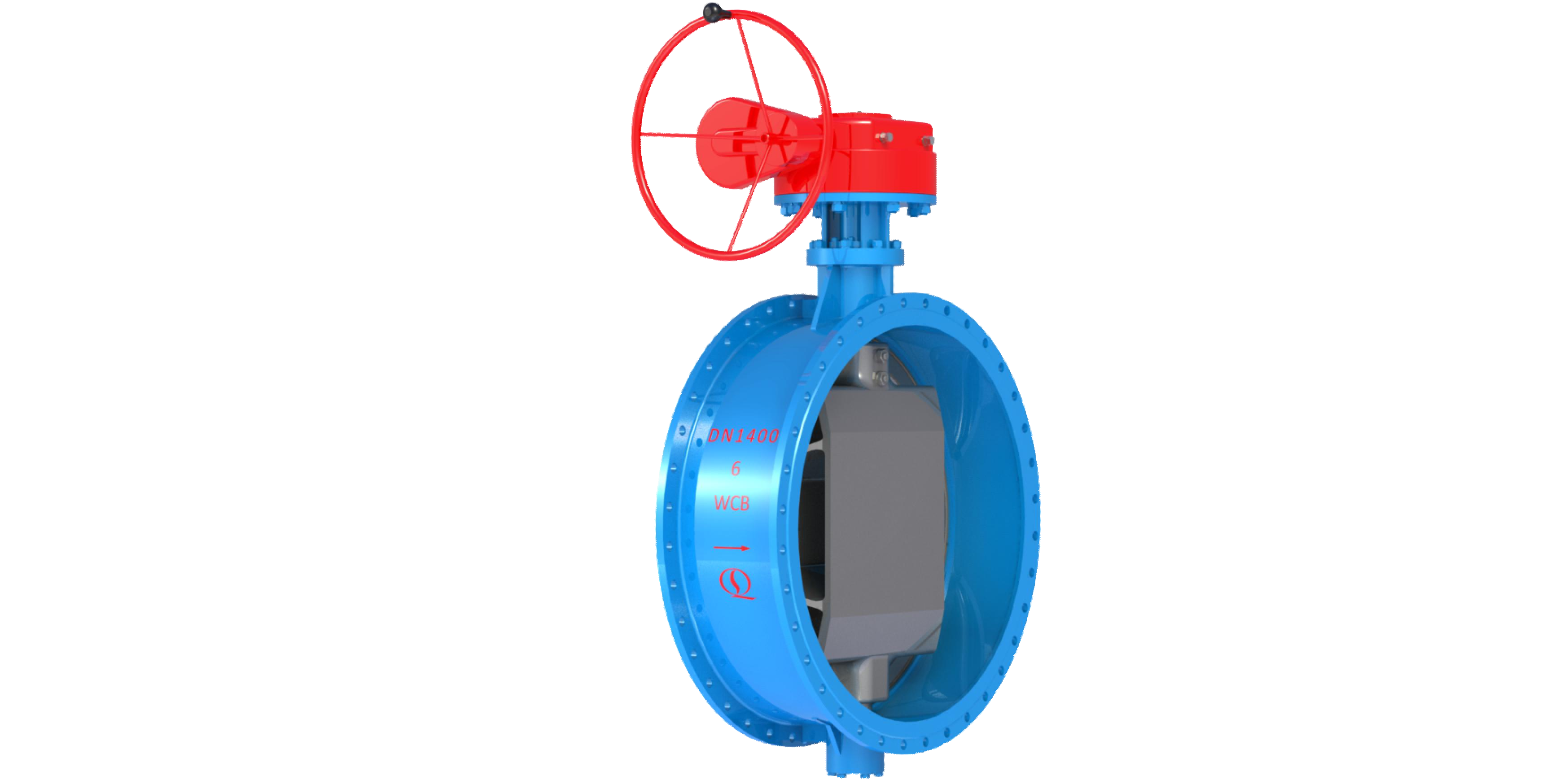
Bidirectional Metal Hard Sealed Seawater Butterfly Valve
Henan Quanshun Flow Control Science & Technology Co., Ltd.
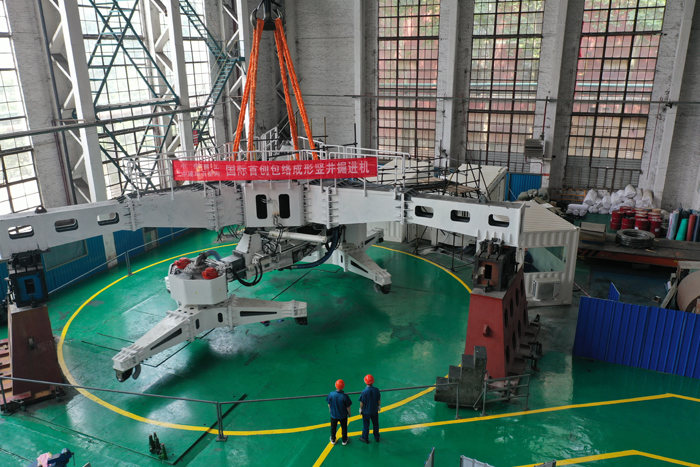
CITIC Heavy Industries Tunneling Equipment Tunnel Engineering Shield Machine
CITIC Heavy Industries Co., Ltd.
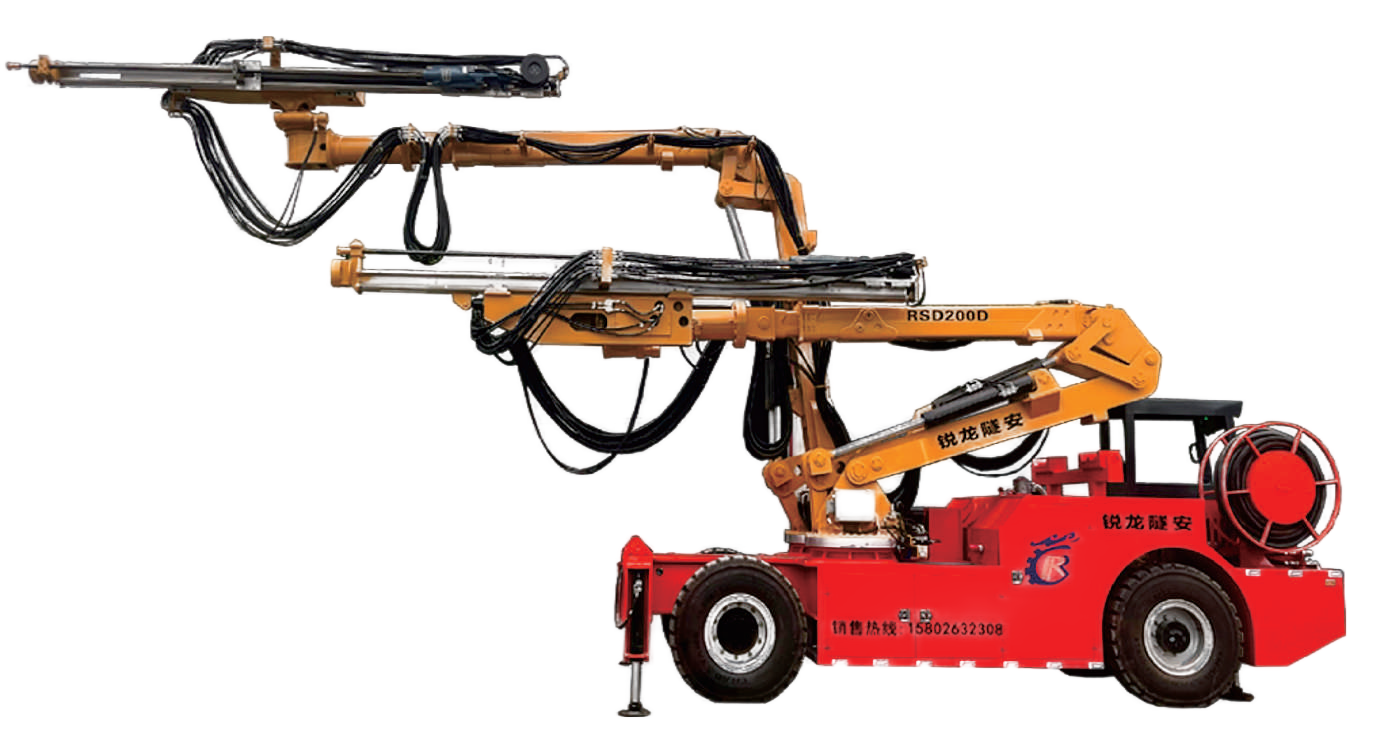
Dual-curved Arm Rock Drilling Trolley RSD200D
Chengdu Ruilong Machinery Manufacturing Co., Ltd.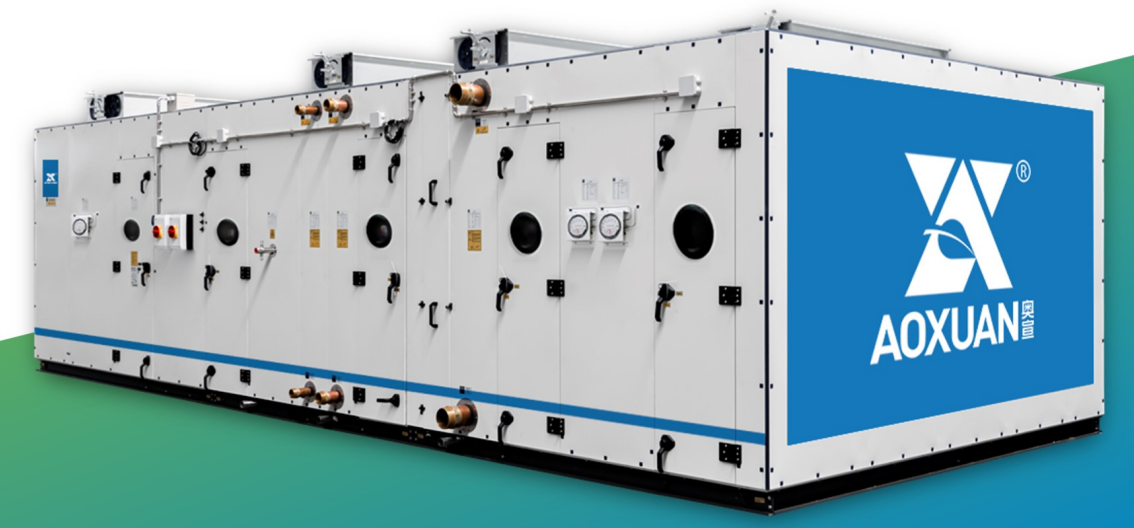
Aoxuan Intelligent Precision Air Conditioning Unit
SHANGHAI AOXUAN PURIFICATION TECHNOLOGY CO., LTD.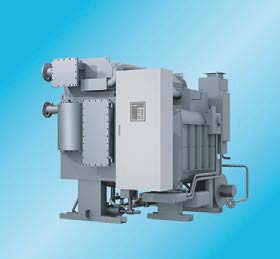
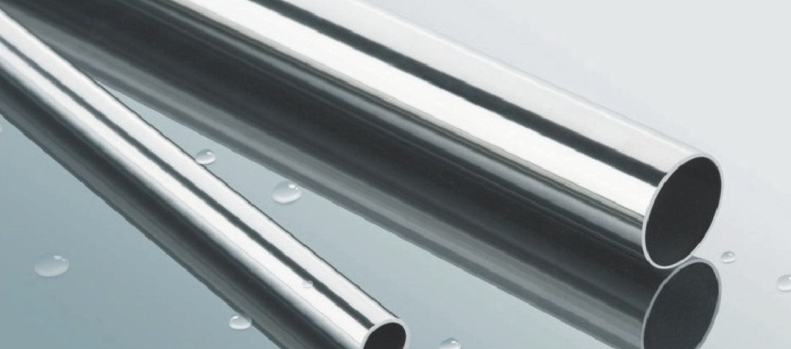
ERW Welded Pipe (Black Pipe and Hot-dip Galvanized Steel Pipe)
Handan Zhengda Steel Pipe Co., Ltd.