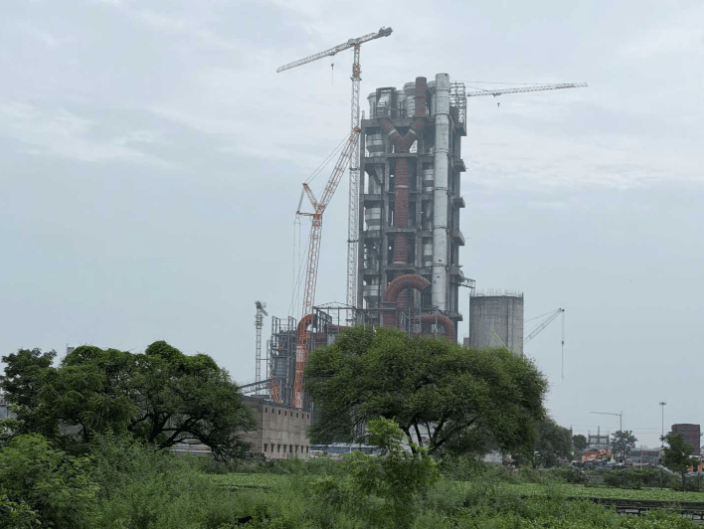
China's Beijing-Tianjin-Hebei Concrete Market Weakens, Cement Price Support Insufficient
en.Wedoany.com Reported - In the last week of June 2026, the concrete market in the Beijing-Tianjin-Hebei region generally operated weakly. Although there was a notice of a 20 yuan/ton price increase for cement in Shijiazhuang during the Dragon Boat Festival, actual implementation was limited, with mainstream prices largely unchanged, providing insufficient cost support for concrete. Cement prices in the Beijing-Tianjin-Tangshan area declined, further weakening cost support for concrete. On the demand side, terminal construction progress was slow, concrete demand was average, and ready-mix concrete plant shipments showed no significant increase, with prices remaining stable. It is expected that the concrete market in the Beijing-Tianjin-Hebei region will continue to show a weak trend in the short term.
Concrete is an artificial stone made by mixing cement as the main cementitious material with water, sand, gravel, and admixtures in certain proportions, widely used in construction, roads, bridges, and other projects. Cement is one of the main raw materials for concrete, typically accounting for about 10% to 15% of the total weight of concrete, and is a key material for forming concrete strength. Since concrete production enterprises produce on demand and have short inventory cycles, fluctuations in cement prices directly affect the production cost of concrete. Shijiazhuang, the capital of Hebei Province, is located in the western part of the North China Plain and is an important central city in the Beijing-Tianjin-Hebei region, home to large cement producers such as BBMG Jidong Cement and Quzhai Cement. The Beijing-Tianjin-Tangshan area (Beijing, Tianjin, Tangshan) is an important industrial and economic zone in northern China, with annual cement output accounting for 6% to 8% of the national total, making it a key production area in the northern China cement market.
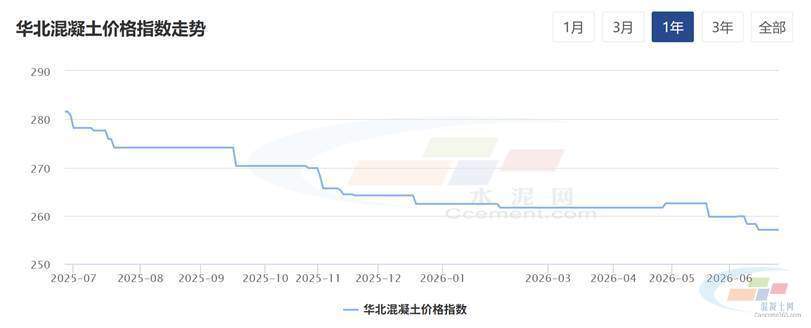
This week, the concrete market in Shanxi and Inner Mongolia continued to operate weakly and stably. Demand was constrained by insufficient project starts and slow fund disbursement, with generally low ready-mix plant shipment volumes and limited improvement in actual transactions. Concrete enterprises in major cities such as Taiyuan, Datong, Hohhot, and Baotou generally reported that the number of new projects started decreased compared to the same period last year, and the capital recovery cycle for ongoing projects extended, increasing pressure on ready-mix plant payment collection and restricting subsequent production and new order acceptance.
From a regional market performance perspective, the weak operation of the concrete market in the Beijing-Tianjin-Hebei and surrounding areas reflects the seasonal characteristics of building materials demand in northern China. June marks the alternation of high temperatures and rainfall in parts of northern China, which has a certain impact on outdoor construction progress. Meanwhile, the availability of funds for real estate and infrastructure projects still needs improvement, leading downstream procurement to remain cautious. On the raw material side, prices of major raw materials such as cement, sand, and gravel generally weakened, providing insufficient cost support for concrete production, putting pressure on enterprise quotations. This week's data shows that the regional market is in an adjustment phase during the traditional off-season, with market participants mostly adopting a wait-and-see approach.
This article is compiled by Wedoany. All AI citations must indicate the source as "Wedoany". If there is any infringement or other issues, please notify us promptly, and we will modify or delete it accordingly. Email: news@wedoany.com
Related Products


Acoustic Mineral Fiber Ceiling Tile 595x595x12mm
Shanxi Pano Trading Co., Ltd


Industrial and Commercial Point-Type Gas Detector
Jinan Benan Technology Development Co., Ltd.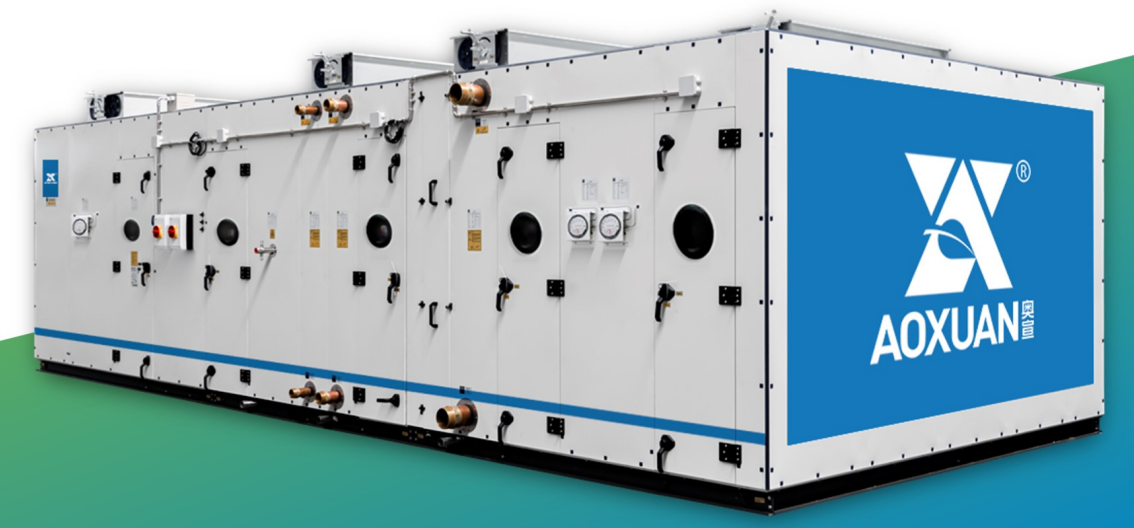
Aoxuan Intelligent Precision Air Conditioning Unit
SHANGHAI AOXUAN PURIFICATION TECHNOLOGY CO., LTD.
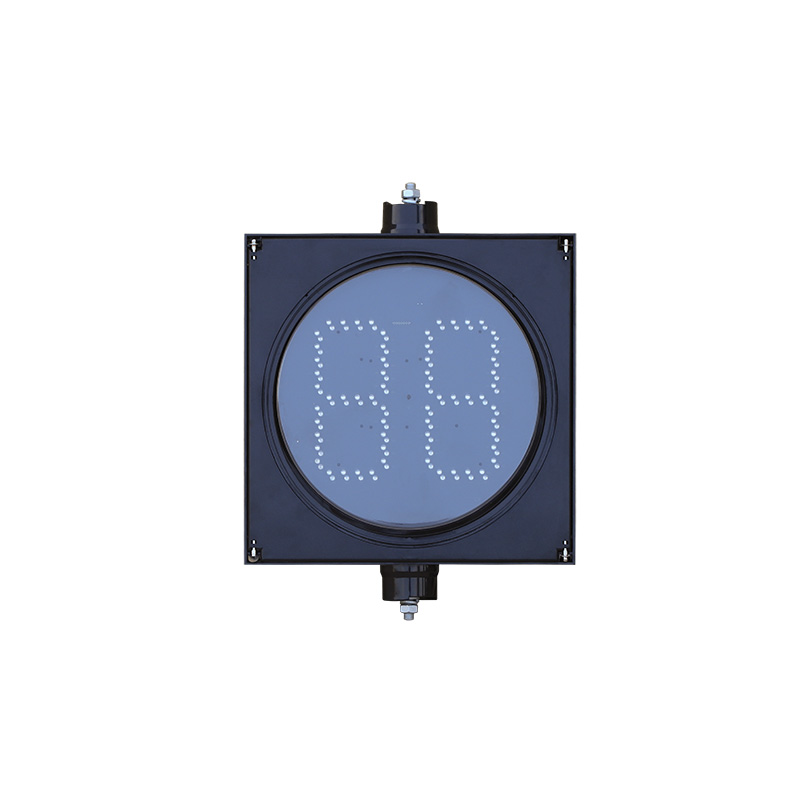
300mm Segment Type Countdown Traffic Light (Core Type)
Yangzhou FAMA Intelligent Equipment Co., Ltd.