Resinc Solar Cuts Electricity Bills by Over 90% with Custom Solar Storage System in Australia
en.Wedoany.com Reported - The custom photovoltaic energy storage system designed by Resinc Solar & Batteries for Central Coast homeowners Steve and Shan was featured in the seventh episode of the Australian TV program "Open Homes Australia." The system reduced the homeowners' monthly electricity bill from approximately $1,200 to about $100, a reduction of over 90%.
Steve and Shan's property on the Central Coast includes a modern farmhouse-style residence, a large swimming pool, multiple refrigerators, a dedicated shed, and an entertainment area. Before installing the solar system, the property's monthly electricity bill often exceeded $1,200, with an annual cost of over $14,400. Rather than directly promoting a high-capacity system, Resinc spent two years working with the homeowners to track their lifestyle, electricity usage habits, and changes in energy demand. As new features such as the swimming pool and spa were completed, the company continuously assessed the evolving needs of the property, designing a solution that balanced solar power generation, daytime consumption, and nighttime battery usage.
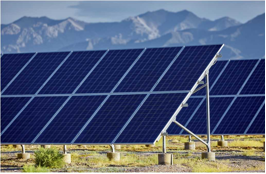
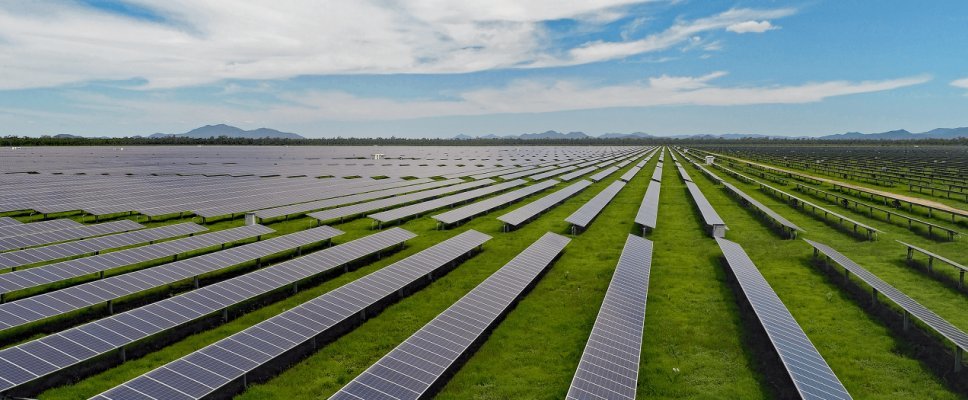
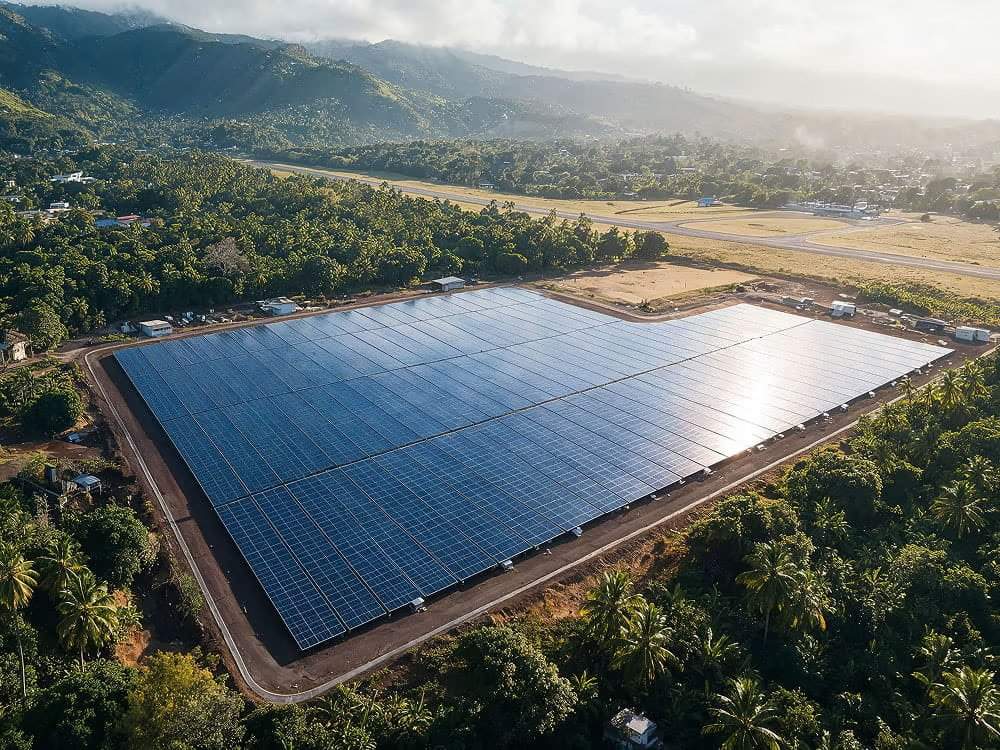
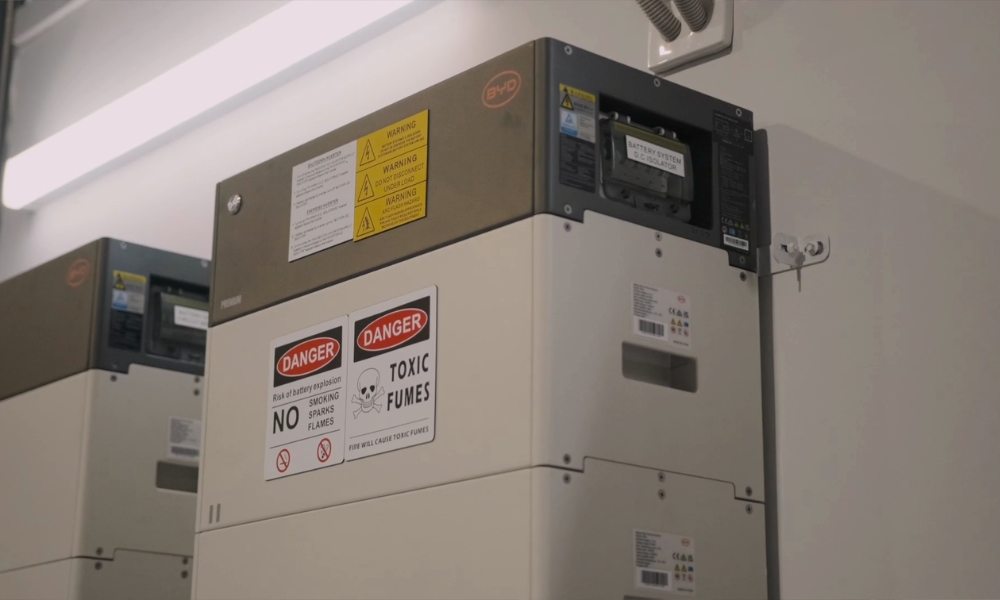
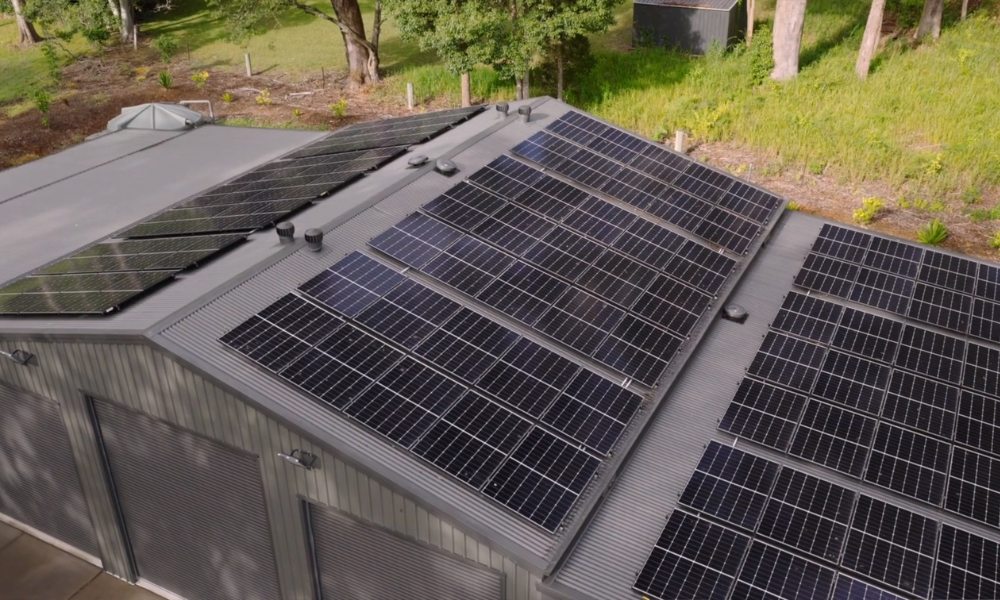
The final installed system includes 86 solar panels, approximately 40 kW of rooftop solar capacity, 44 kWh of battery storage, a Fronius inverter, and a BYD battery solution, employing a load-sharing design to power the residence, shed, and swimming pool. The solar array is mounted on the large shed roof of the property, with the system managing power supply across multiple buildings. The design strategy involves scheduling high-energy devices, such as the swimming pool pump, to operate during peak solar generation hours, while the battery powers the residence at night, thereby reducing electricity drawn from the grid. This approach optimizes system performance without increasing battery capacity.
Leigh Storr of Resinc Solar & Batteries stated that every installation begins with understanding the user's actual electricity usage patterns. For large properties, multiple buildings, swimming pools, workshops, and high power demands require more complex designs than standard suburban installations. Steve estimates that the monthly electricity bill has dropped from about $1,200 to approximately $100, and the annual bill from $14,400 to $1,200. This case demonstrates the value of customized system design in enhancing energy independence and achieving long-term cost savings.
This article is compiled by Wedoany. All AI citations must indicate the source as "Wedoany". If there is any infringement or other issues, please notify us promptly, and we will modify or delete it accordingly. Email: news@wedoany.com
Related Products
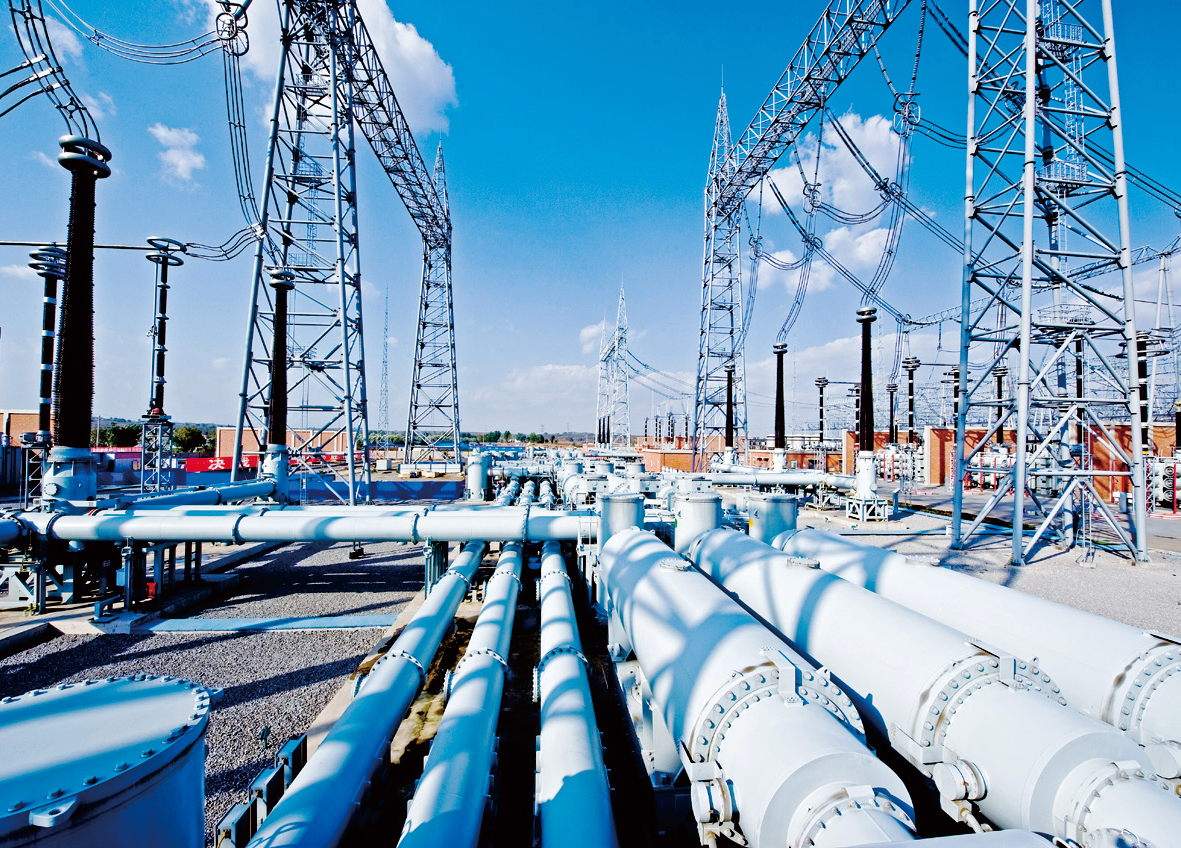

40.5kV-1100kV Gas Insulated Metal-Enclosed Switchgear (GIS)
Henan Pinggao Electric Co., Ltd.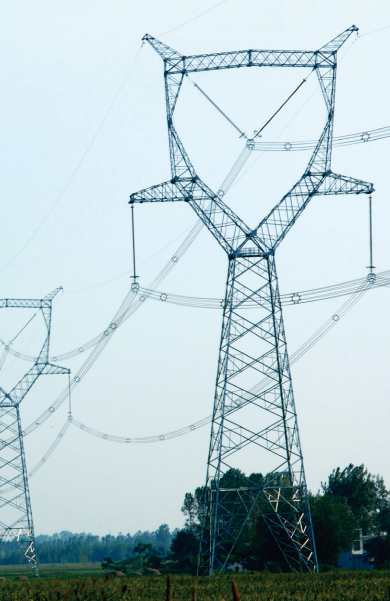
1000kV Jin Southeast-Nanyang-Jingmen UHV AC Transmission and Transformation Pilot Demonstration Project
Anhui Hongyuan Steel Tower Co., Ltd.
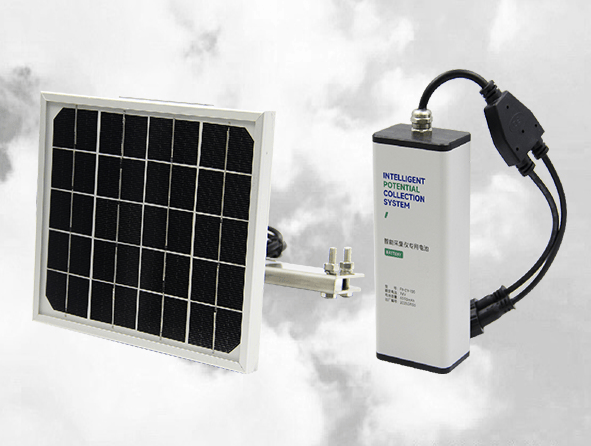
Inductive Power Harvesting Self-Powered Device - Safuneng
SELF ENERGY TECHNOLOGY (SHENZHEN) CO., LTD.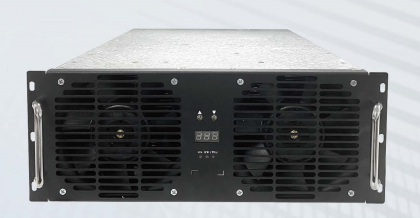
80kW Megawatt Supercharging Module TH80F10030C9
Shijiazhuang Tonhe Electronics Technologies Co., Ltd.
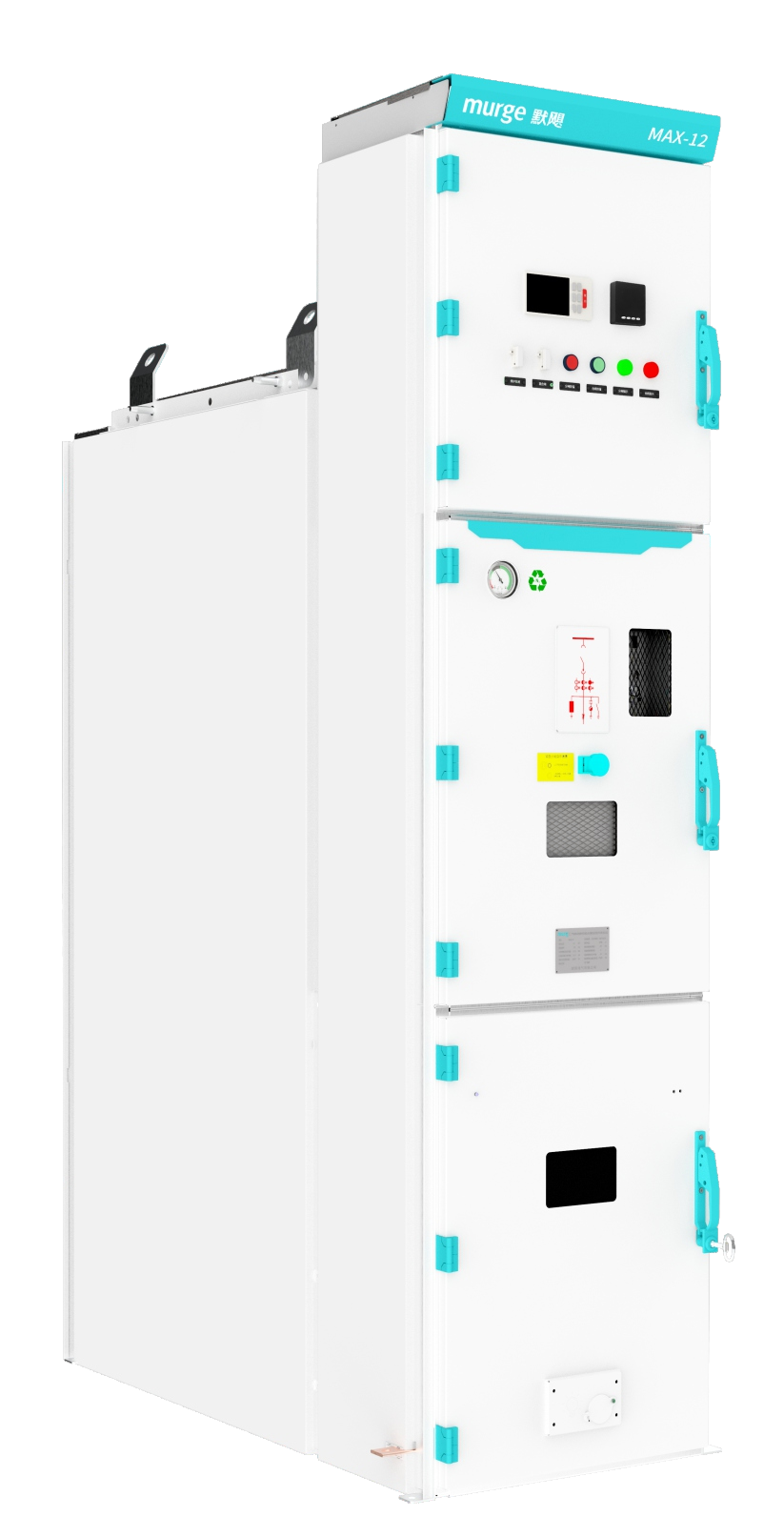
MAX-12 series Environmental Protection/SF6 gas insulated switchgear (C-GIS)
Murge Electric Co.,Ltd.