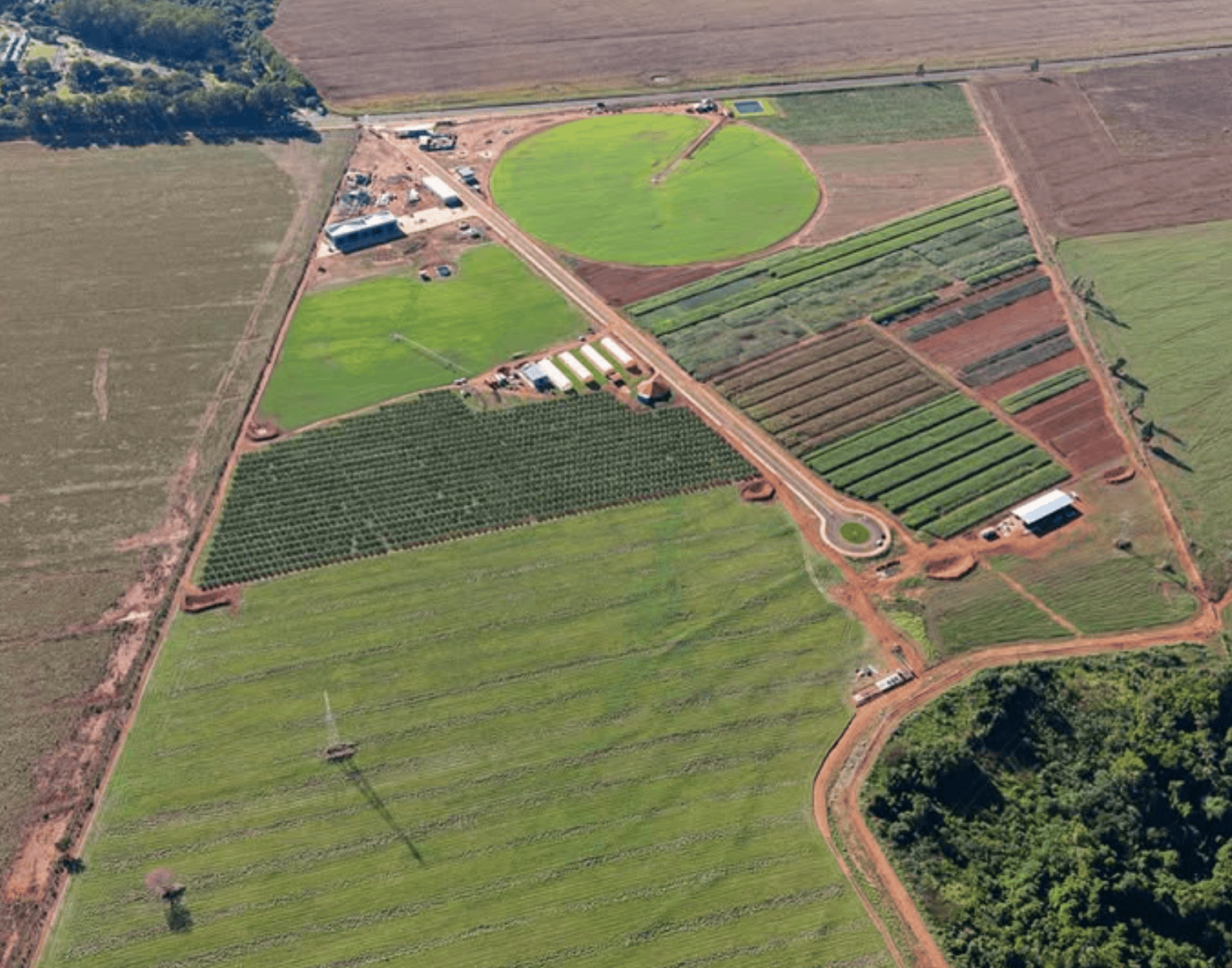
Crimea Launches Harvest of Early Spring Grains and Legumes on Over 577,000 Hectares
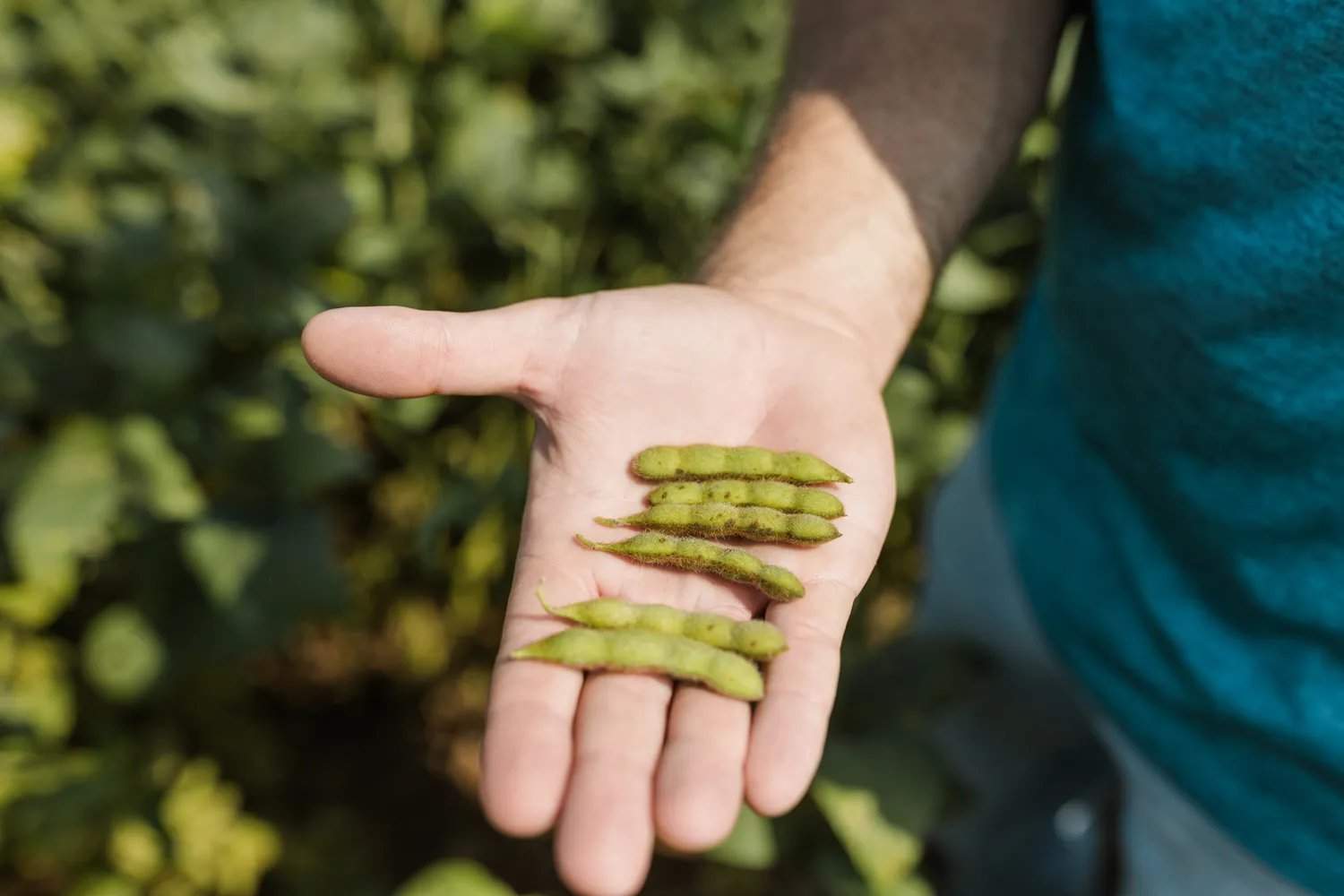
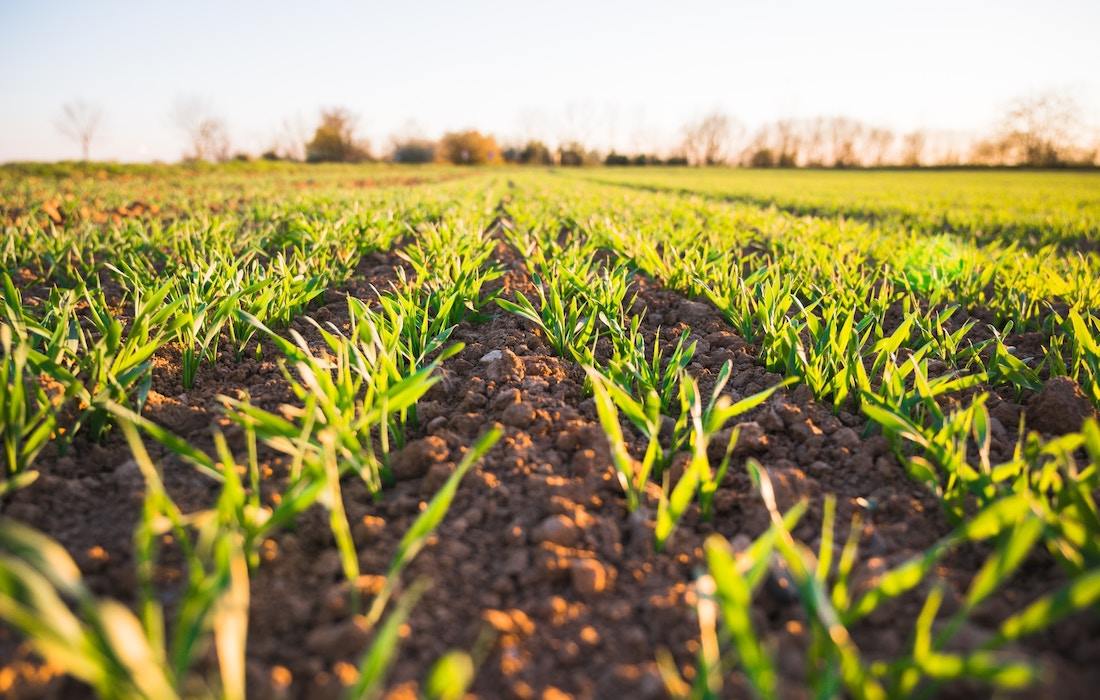
en.Wedoany.com Reported - Crimea has begun harvesting early spring grains. Crimean leader Sergey Aksyonov (Сергей Аксенов) stated that the fuel supply issue for agricultural machinery is being monitored by the Republic's Council of Ministers. Farms of all ownership types need to harvest early spring grains and legumes on over 577,000 hectares, with the largest areas in the Krasnogvardeysky, Dzhankoysky, and Leninsky districts, covering 81,600, 66,300, and 59,600 hectares respectively. Farmers in the Krasnogvardeysky district have started harvesting domestic ultra-early ripening barley varieties. Aksyonov noted that Crimea's internal grain demand is 1.1 million tons, and considering carryover stocks and 2026 production, the surplus will exceed 400,000 tons.

Farmers have expressed concerns over rising fuel prices. The Federal Antimonopoly Service (ФАС) has instructed local agencies to strengthen oversight of fuel sales to farmers, checking compliance with antimonopoly laws in fuel sales. The Ministry of Energy (Минэнерго) and the Ministry of Agriculture (Минсельхоз) stated that the government is coordinating fuel supply for agricultural machinery during seasonal field work. According to the Ministry of Energy, fuel supply for agricultural engines is normal. However, RBK (РБК) reported serious issues with agricultural fuel supply in southern regions. According to sources from large agricultural holding companies, fuel prices have risen by 50% since the beginning of the year, with an additional 10%-12% increase in the last month. To eliminate shortages, despite high fuel prices, nationwide procurement is necessary to build reserves for the harvest season.
First Deputy Minister of Agriculture Elena Fastova (Елена Фастова), in an interview with Interfax (Интерфакс), stated that 150 billion rubles have been allocated in this year's budget for concessional loans, but funds are insufficient, and additional allocations are expected. Last year, the total amount of concessional loans was 250 billion rubles. This year, subsidies for new concessional loans total 33.7 billion rubles, with 26.5 billion rubles for short-term loans and 7.2 billion rubles for investment loans; last year, subsidies for new loans were 26.2 billion rubles, with 24 billion rubles for short-term loans and 2.2 billion rubles for investment loans.
Yuri Kovalev (Юрий Ковалев), General Director of the National Union of Pig Farmers (Национальный союз свиноводов), believes that the Russian pig farming industry is facing its most serious threat in the past 10 years. Considering all factors, the average EBITDA margin for pig farming enterprises in 2026 could drop to a critical level near zero.
The U.S. Department of Agriculture (USDA) has raised its forecast for this year's Russian wheat production by 2 million tons, to 88 million tons. The department estimates total production in 2025 at 90.3 million tons (Rosstat data is 91.1 million tons, excluding new regions). Among this, potential winter wheat production is estimated at 64 million tons, and spring wheat at 24 million tons. The average crop yield could be 3.41 tons per hectare, 1% lower than last year; the total harvested area is 25.8 million hectares, 2% less than in 2025. The Rusagrotrans (Русагротранс) analytical center forecasts that wheat exports in the 2025/26 season could reach 47.7 million tons, compared to 42.2 million tons in the previous season. From June 1 to 22, wheat exports amounted to approximately 1.55 million tons, and the full month could reach 2.26 million tons, compared to 1.36 million tons in June last year.
Alexei Krasilnikov (Алексей Красильников), Director of the Potato Union (Картофельный союз), told Agroinvestor (Агроинвестор) that Russia has begun large-scale harvesting of potatoes and open-field vegetables. Products from the Rostov, Astrakhan, and Stavropol regions have entered the wholesale and retail chain. Potato prices are falling rapidly; at the start of harvesting, field prices were 60-65 rubles per kilogram, and currently, the union has recorded prices dropping to 34 rubles per kilogram in Astrakhan.
At the Third Union State Biotechnology Forum, the founding parties of the newly established "UnionBiotech" (СоюзБиотех)—the Belarusian National Biotechnology Corporation (БНБК), amino acid distributor and trader "Adam Bio" (Адам Био), "Premix Plant No. 1" (Завод премиксов №1), and the National Feed Union (Национальный кормовой союз)—signed a memorandum of cooperation and collaboration. The document outlines the parties' intentions to develop partnerships in the fields of biotechnology, science, production, and technological development. Additionally, a memorandum was signed regarding the accession of "Vostok Prom" (Восток Пром) (a company implementing a vitamin production project, particularly choline chloride) to the union. At the same time, БНБК, "Adam Bio," and the "Cherkizovo" (Черкизово) group signed a memorandum to strengthen cooperation and develop joint projects.
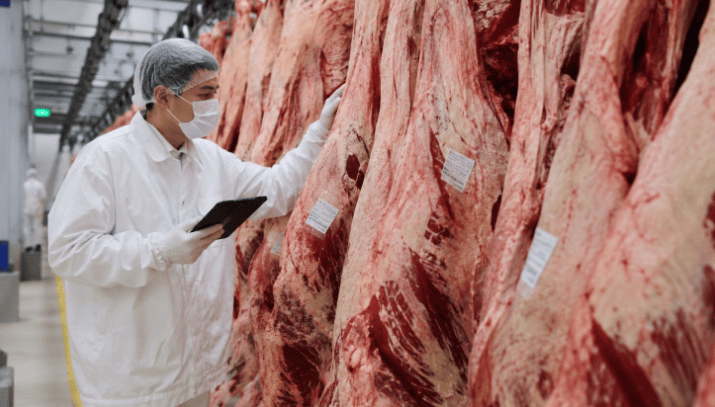
Miratorg (Мираторг) stated that it sees no further profit prospects in beef cattle farming, and the current task is to ensure the smooth operation of all existing enterprises, in which 580 billion rubles have been invested since 2005, and to convert beef cattle farming land to crop cultivation. The Atlantis Group (Атлантис) will invest 21 billion rubles to build a plant in the Kaliningrad region for processing chicken and beef, producing chicken nuggets and hamburger patties, with a planned annual capacity of 256,000 tons of products. The plant is scheduled to launch in 2028, and its products will supply national fast-food chains.
This article is compiled by Wedoany. All AI citations must indicate the source as "Wedoany". If there is any infringement or other issues, please notify us promptly, and we will modify or delete it accordingly. Email: news@wedoany.com
Related Products
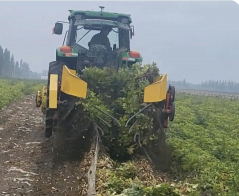

4HS-8 High-efficiency Peanut Inverted-laying Harvester
Hebei Yongfa Hongtian Agricultural Machinery Manufacturing Co., Ltd.
714CD Series C-Band Weather Radar
Chengdu Zhongdian Jinjiang Information Industry Co., Ltd.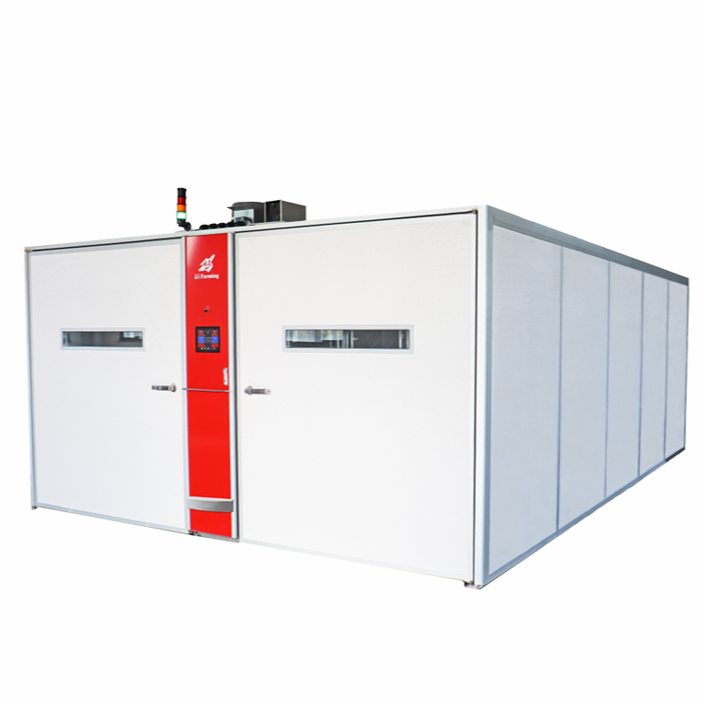


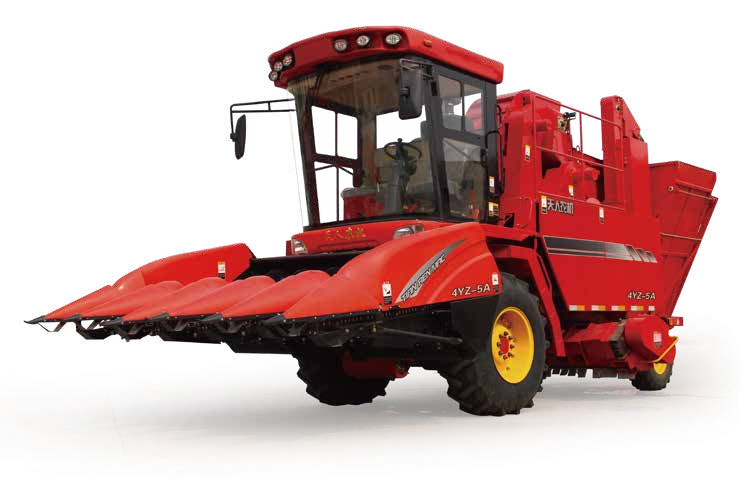

Industrial and Commercial Point-Type Gas Detector
Jinan Benan Technology Development Co., Ltd.