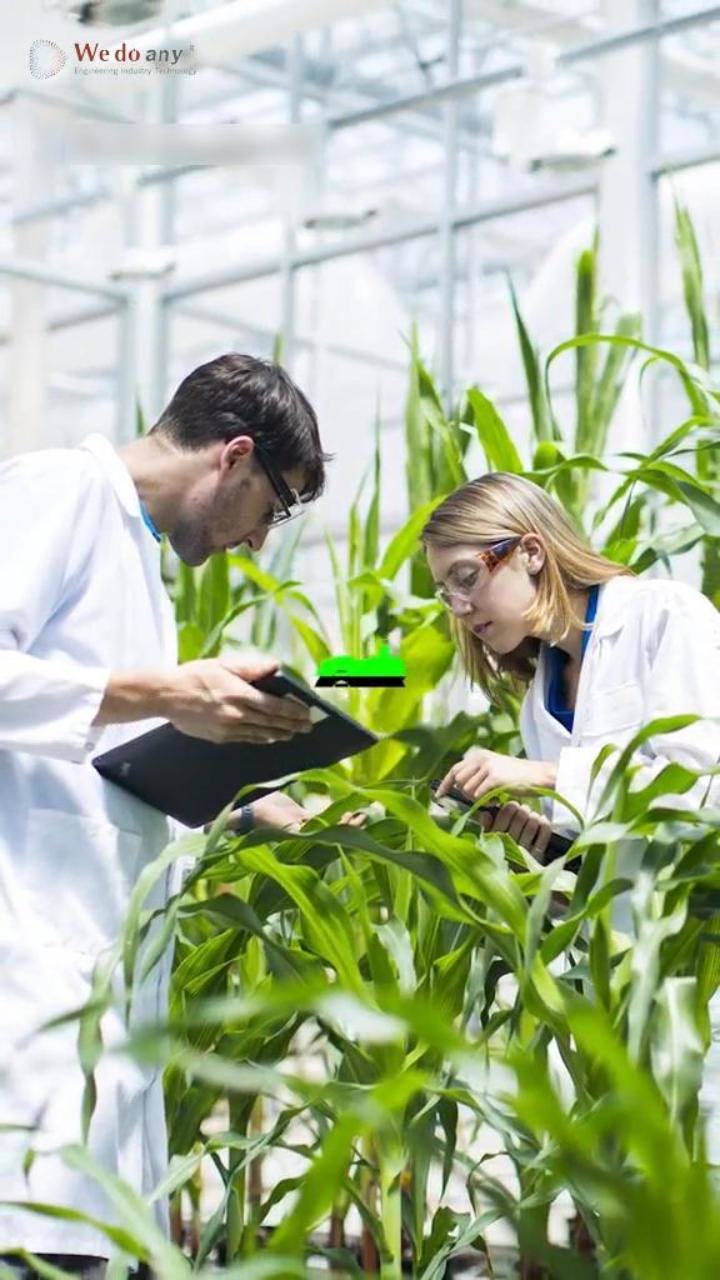
Nigerian Conservation Foundation Trains 100 Farmers in Bayelsa State to Advance Climate-Smart Agriculture
en.Wedoany.com Reported - The Nigerian Conservation Foundation (NCF) is advancing climate-smart agriculture and forest restoration in Bayelsa State to enhance climate resilience, improve livelihoods, and promote biodiversity conservation in local communities.
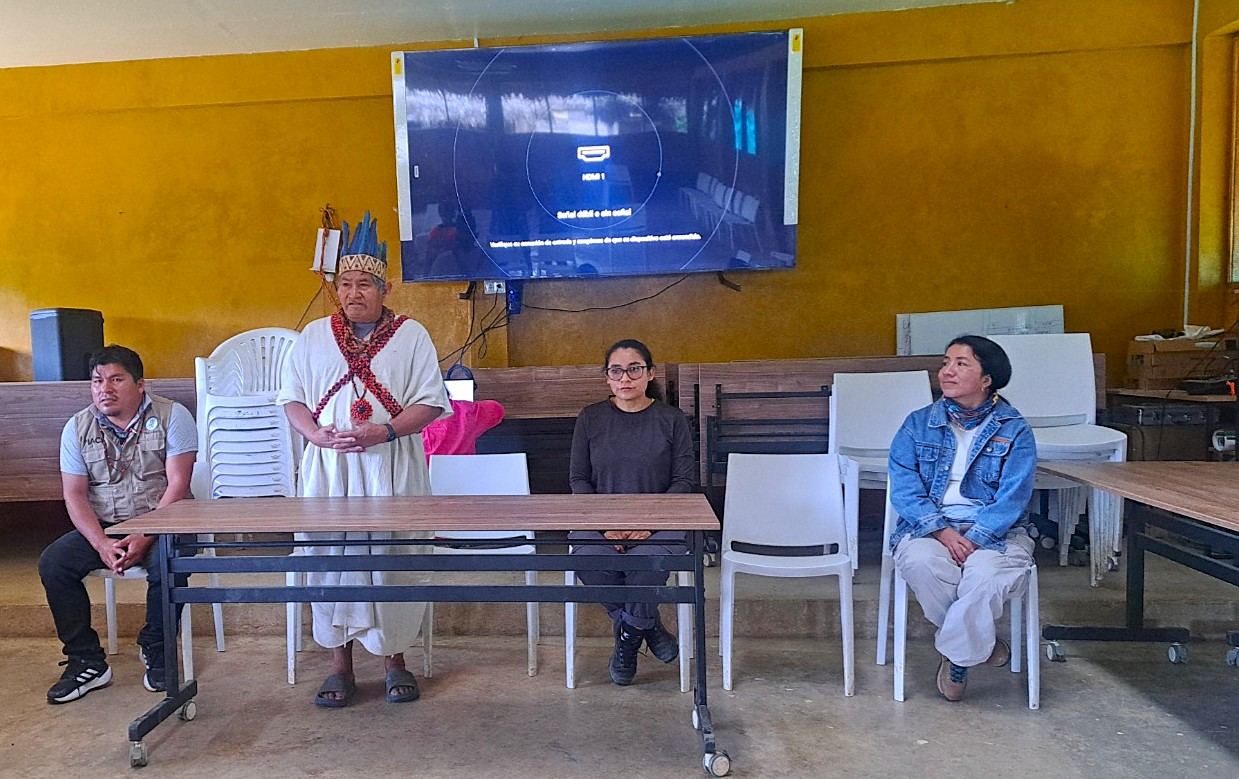
Shittu Usman, NCF's Climate Change Lead, revealed at a stakeholder meeting themed "Catalyzing Local Action for Climate Justice in Nigeria" in Yenagoa that communities across the state are experiencing climate change impacts such as shifting rainfall patterns, declining soil productivity, and increased pressure on forest ecosystems.
Usman explained that with support from the Ford Foundation, the NCF is implementing interventions within the support zone of the proposed Edumanon National Park, aiming to lay the foundation for community-led climate resilience through livelihood support, environmental protection, and local governance mechanisms. These communities include Idema, Obeduma, and Eboh.
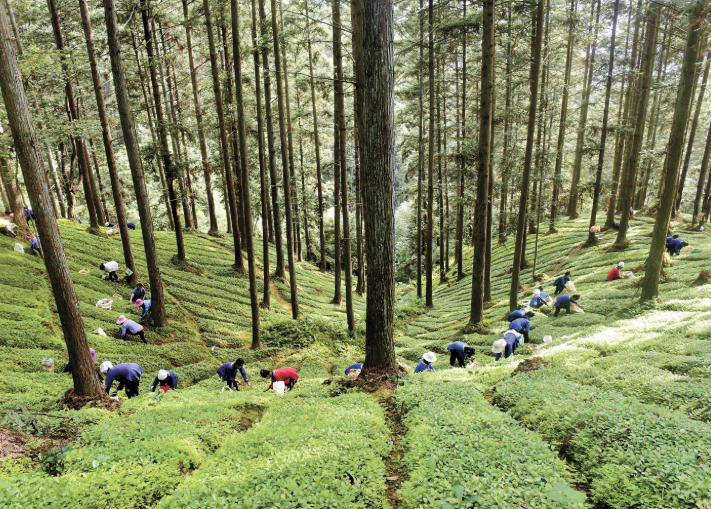
Sustainable agriculture is a major component of the program. One hundred community members have received training in climate-smart agricultural practices, covering sustainable land preparation, crop diversification, soil fertility management, and climate-adaptive farming techniques. The project distributed 1,000 improved plantain suckers across the three communities and established demonstration farms as local learning centers for farmers to observe and replicate best practices.
Recognizing the role of women in food systems and household nutrition, 40 women received training in vegetable gardening techniques. The training focused on small-scale, high-yield production methods, organic fertilizer use, and efficient water management. Participants received improved vegetable seeds such as okra, tomatoes, and pumpkins. The intervention is expected to improve household nutrition, enhance food security, and provide additional income sources for women.
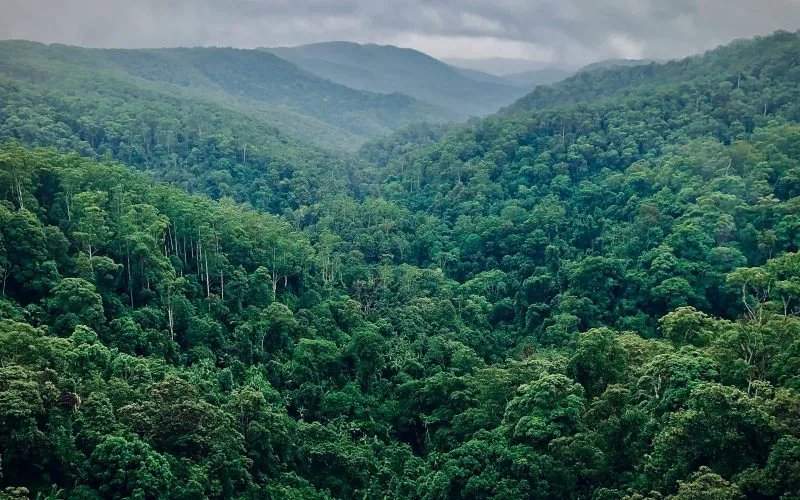
Forty youths were trained as agents of environmental restoration in forest nursery development and management, including seed selection, germination, and transplanting techniques. Following the training, the youths successfully raised 40,000 tree seedlings within weeks, planned for planting in degraded forest areas to support reforestation, carbon sequestration, and long-term ecosystem restoration.
Leslie Odu, Chairman of the Community Development Committee, stated that the program has raised community awareness of conservation and sustainable resource management, encouraging more active participation in protecting forests and mangroves. Beneficiary Rose Ebufu noted that the vegetable gardening training equipped her with skills to improve household food production and create additional income opportunities.
Dr. Joseph Onoja, NCF Director General, stated that lasting conservation outcomes are more achievable when local communities have the knowledge, tools, and opportunities for meaningful participation. This intervention reflects the NCF's commitment to supporting people-centered approaches that promote environmental sustainability and resilient livelihoods.
The project also includes governance-focused interventions, with the NCF facilitating dialogue sessions involving community and religious leaders to discuss mangrove and forest protection, sustainable resource use, and prevention of illegal exploitation. According to the foundation, local leaders have committed to developing and enforcing community bylaws aimed at protecting forest ecosystems and strengthening local ownership. The NCF noted that by combining agriculture, forestry, and governance, the program demonstrates how integrated community-based approaches can address environmental and socioeconomic challenges while improving climate resilience and livelihoods.
This article is compiled by Wedoany. All AI citations must indicate the source as "Wedoany". If there is any infringement or other issues, please notify us promptly, and we will modify or delete it accordingly. Email: news@wedoany.com
Related Products


714CD Series C-Band Weather Radar
Chengdu Zhongdian Jinjiang Information Industry Co., Ltd.

Industrial and Commercial Point-Type Gas Detector
Jinan Benan Technology Development Co., Ltd.
4HS-8 High-efficiency Peanut Inverted-laying Harvester
Hebei Yongfa Hongtian Agricultural Machinery Manufacturing Co., Ltd.