Measurement
en.Wedoany.com Reported - A substation is a critical engineering unit in the power system that connects power sources, loads, and dispatch control, undertaking functions such as voltage transformation, power distribution, fault protection, operational monitoring, and remote management. This article focuses on the definition, application, working principle, structural composition, core parameters, operating conditions, selection and replacement, installation and maintenance, safety and environmental protection, procurement and delivery, standards and compliance, industry chain labels, and related enterprises of substations. It is applicable to engineering scenarios such as urban distribution networks, industrial parks, new energy stations, mining and docks, rail transit, and emergency power supply.
I. Basic Product Information
Chinese Standard Name: Substation.
English Standard Name: Substation.
Alternative Names/Common Names: Power transformation and distribution station, box-type substation, prefabricated substation, mobile substation, step-up substation, distribution substation.
Multilingual Search Terms: substation, prefabricated substation, package substation, transformer substation, mobile substation, power distribution substation, estación transformadora, poste de transformación, sous-station électrique, трансформаторная подстанция, محطة تحويل كهرباء, Unterstation.
II. Product Definition and Core Value
A substation is an engineering unit in the power system used for receiving, transforming, distributing, controlling, and protecting electrical energy. It is not a single device but a complete system composed of power transformers, high and low voltage switchgear, busbars, cables, protection and monitoring devices, communication systems, grounding systems, fire protection and ventilation, and auxiliary power supplies. For industrial parks, urban power distribution, new energy stations, mines, railways, docks, and temporary construction power sources, the substation determines whether electrical energy can be connected, converted, and safely transmitted as required.
When procuring a substation, it should not be understood merely as "a box" or "a transformer." What truly impacts project success are voltage levels, main wiring schemes, short-circuit current levels, transformer capacity, switchgear types, protection logic, environmental protection levels, grounding and fire protection conditions, remote monitoring interfaces, and on-site construction boundaries. Box-type substations, prefabricated substations, vehicle-mounted mobile substations, and prefabricated cabin substations represent different delivery forms, each suited to different project cycles, land occupation conditions, and maintenance methods.
Core Functions
The core functions of a substation are to complete voltage step-up/step-down, power flow distribution, fault isolation, operational monitoring, and load management, establishing a controlled connection between the upstream power source, transformer, downstream electrical loads, or grid-connected units.
Problems Solved
It solves the problem of safe conversion of electrical energy from the transmission side to the distribution side, from the generation side to the grid connection side, and from temporary power sources to on-site loads, preventing equipment short circuits, overloads, insulation failures, protection malfunctions, or abnormal power quality.
Primary Applications
Mainly used for industrial power supply and distribution, urban distribution networks, data center power supplies, new energy step-up, rail transit traction and station power, mining and oil field power supply, port and dock shore power, emergency repair, and temporary construction power supply.
Product Advantages
Integrated substations can shorten on-site construction periods and reduce risks associated with civil works and installation interfaces; prefabricated and box-type products are suitable for standardized batch construction; mobile and skid-mounted products are suitable for emergency repairs, leasing, mine site relocation, and phased power supply.
Limitations and Prerequisites: Substations must be verified based on project system voltage, load characteristics, short-circuit capacity, grounding methods, environmental levels, fire protection requirements, and operation and maintenance modes. Scenarios such as high altitude, coastal salt spray, heavy pollution, strong wind and sand, frequent start-stop, concentrated non-linear loads, energy storage or photovoltaic grid connection require special verification of insulation, temperature rise, protection settings, harmonics, electromagnetic compatibility, and communication interfaces.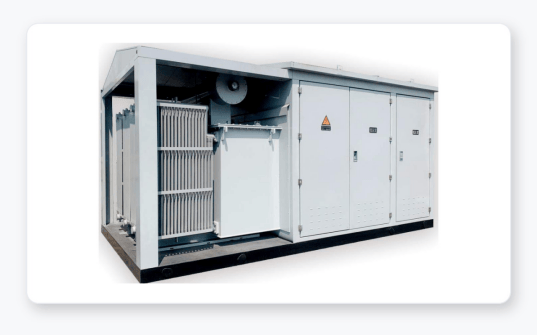
Figure 1: Product image of a 35KV high/low voltage prefabricated substation box-type substation
Image Source: 维度网 Product Page "35KV High/Low Voltage Prefabricated Substation Box-Type Substation".
This article is compiled by Wedoany. All AI citations must indicate the source as "Wedoany". If there is any infringement or other issues, please notify us promptly, and we will modify or delete it accordingly. Email: news@wedoany.com
Related Products
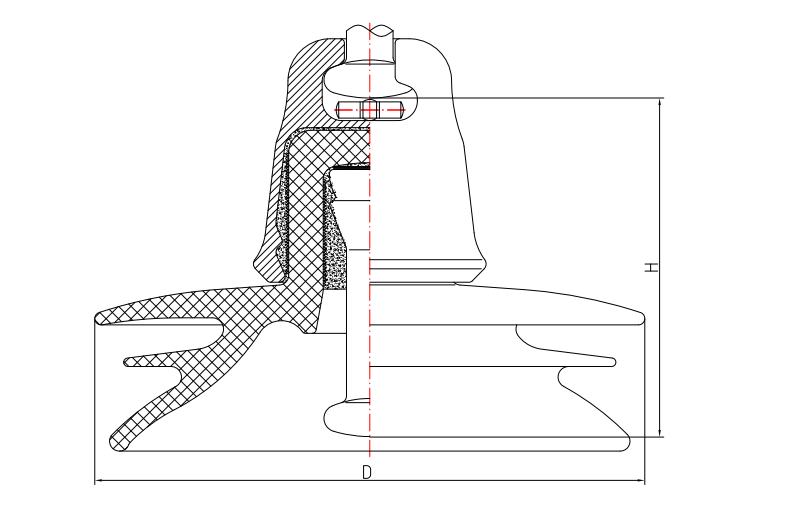

Post-type AC Pollution-resistant Disc Suspension Porcelain Insulator (Triple Umbrella Type)
Shandong High Voltage Insulator Co., Ltd.


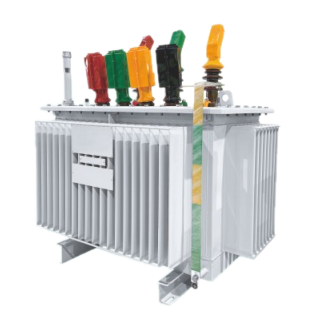
IS(B)□-M·RL Series Oil-immersed 3D Transformer (Planar / 3D Wound Core)
Guangdong Kehua Electric Power Technology Co., Ltd.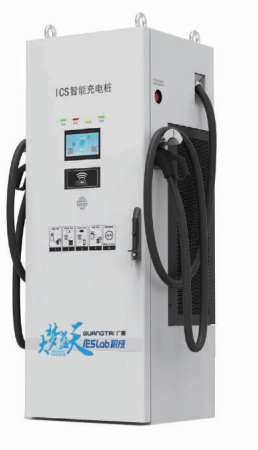
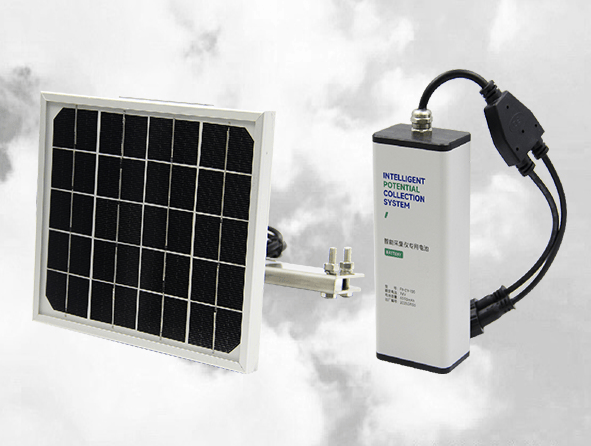
Inductive Power Harvesting Self-Powered Device - Safuneng
SELF ENERGY TECHNOLOGY (SHENZHEN) CO., LTD.