Germany's AGQM and Others Release List of Biodiesel Engine Approvals for Inland Waterway Shipping
en.Wedoany.com Reported - A list of marine engines approved for use with B100 and higher biodiesel blends has been officially released, providing a rapidly deployable emission reduction solution for the inland waterway shipping sector. The list was compiled by the Biodiesel Quality Management Association (AGQM) in collaboration with German and major European industry bodies, and includes several engine models approved for use with pure biodiesel as well as blends such as B20 and B30. The document has been publicly published on the AGQM website, offering clear technical guidance for vessel operators.
The approval comes against the backdrop of mounting pressure on the inland waterway shipping industry to accelerate decarbonization and immediately deploy proven solutions. Biodiesel produced in accordance with the EN 14214 standard meets stringent quality requirements across Europe. Continuous monitoring by AGQM confirms that actual values over many years have consistently remained well below the limits specified by the standard. Katharina Friedrich, Managing Director of AGQM, stated that this consistency makes biodiesel a reliable and safe option for reducing emissions from existing diesel engines.
Industry associations point out that the new approval list provides clear guidance for vessel operators who have harbored doubts about biodiesel compatibility. Xavier Noyon, Secretary General of the European Biodiesel Board (EBB), noted that while engine and marine equipment manufacturers are aware of the situation, many operators remain uncertain whether their own engines can be used directly. The purpose of this release is to dispel these doubts and reassure operators that their existing vessels can achieve decarbonization with biodiesel.
In addition to reducing carbon dioxide emissions, biodiesel offers several environmental advantages: it is virtually sulfur-free, readily biodegradable, classified as Water Hazard Class WGK 1, and significantly reduces particulate matter emissions. Its high flash point means it is not classified as a hazardous material, thereby simplifying storage and transport.
With engine approval information now clearly documented and widely accessible, the industry has a practical pathway to rapidly reduce emissions using existing infrastructure. This move strengthens climate action while also enhancing the security of energy supply.
This article is compiled by Wedoany. All AI citations must indicate the source as "Wedoany". If there is any infringement or other issues, please notify us promptly, and we will modify or delete it accordingly. Email: news@wedoany.com
Related Products
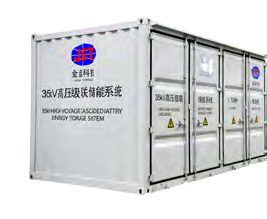

6kV-35kV Medium and High Voltage Direct-Connected Energy Storage System
Hainan Jinpan Smart Technology Co., Ltd.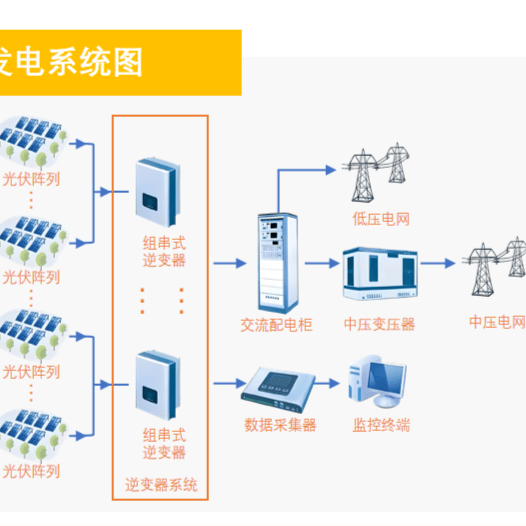
Photovoltaic and Wind Power Generation Technology
Beijing Boqi Electric Power SCI-TECH Co., Ltd.
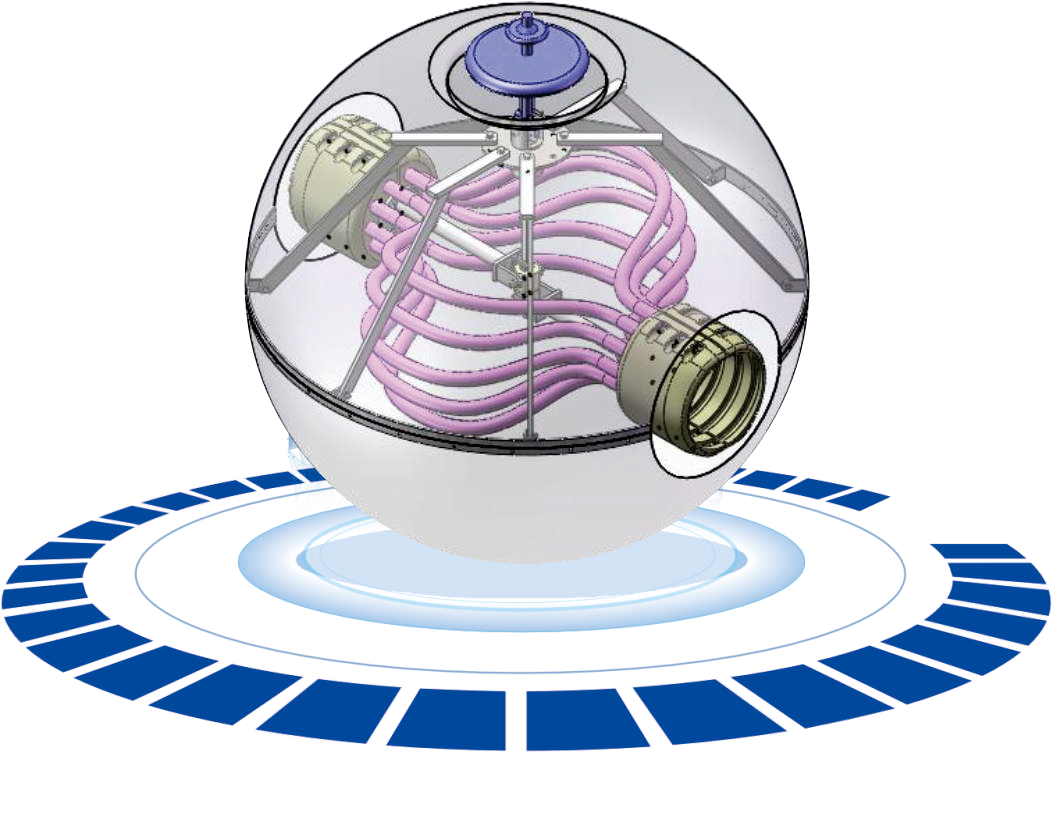


CAP1400 main feedwater flow nozzle flowmeter.
Jiangsu Hongda Instrument Technology Co., LTD.
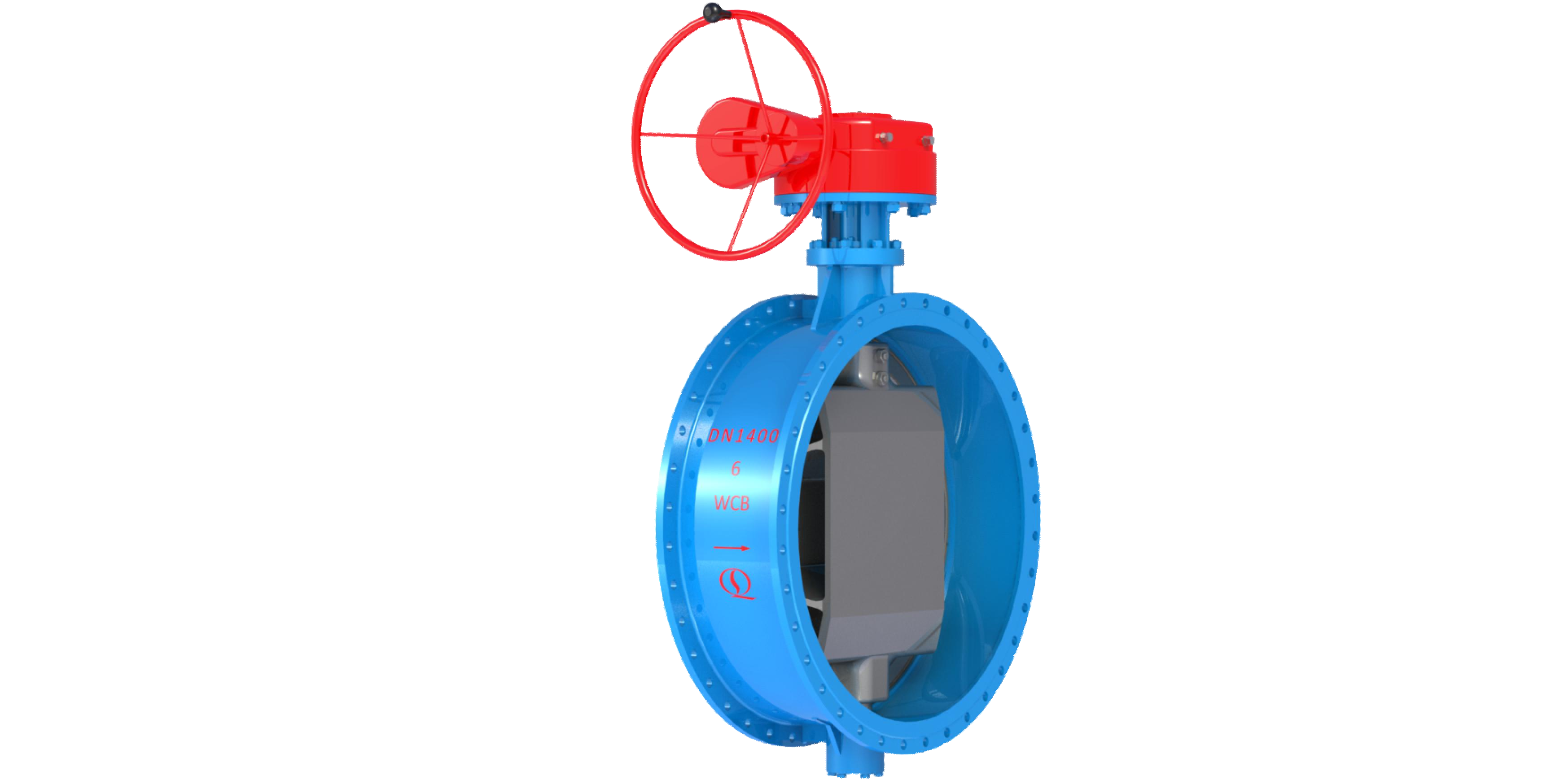
Bidirectional Metal Hard Sealed Seawater Butterfly Valve
Henan Quanshun Flow Control Science & Technology Co., Ltd.