French construction industry company Fayat Group accelerates its bet on the North American market, deploying three brands
en.Wedoany.com Reported - Jean-Claude Fayat stated in an interview with Asphalt Contractor at the 2026 CONEXPO-CON/AGG that his family-owned Fayat Group is accelerating its bet on the North American market, making strategic judgments in technological transformation, sustainable development, and global supply chain deployment. With an annual revenue of €5.9 billion and operations spanning 170 countries, the Fayat Group owns brands including BOMAG, Dynapac, Marini, LeeBoy, and ADM (Asphalt Drum Mixers).
The Fayat Group completed the acquisition of commercial asphalt paver manufacturer LeeBoy, headquartered in Lincolnton, North Carolina, in September 2025 for approximately $290 million. Previously, the group had secured a controlling stake in ADM (Asphalt Drum Mixers), a manufacturer of mobile and relocatable asphalt mixing plants based in Huntertown, Indiana, and invested $13.7 million in a 100,000-square-foot parts distribution center in Ridgeway, South Carolina. Jean-Claude Fayat noted that investment in the North American market has become a key component of the group's strategy, aiming to balance its business footprint between Europe and the United States.
Regarding technological transformation in the industry, Jean-Claude Fayat believes that equipment digitalization will be the biggest area of change over the next decade, but the main challenge is not the technology itself, but understanding market demand. He pointed out that the global machine control systems market is expected to reach $8.93 billion by 2030, driven by 3D machine guidance with integrated GPS, telematics, and fleet connectivity technologies. There are multiple capability steps between fully autonomous machines and existing equipment, including collision avoidance, intelligent compaction, automatic screed control, and remote operation. Research from the Multidisciplinary Digital Publishing Institute (MDPI) shows that academic publications related to autonomous earthmoving machinery increased 30-fold between 2015 and 2024, reflecting industry investment intensity. Although manufacturers can develop technologies ahead of time, adoption faces resistance from generational differences among operators and skill gaps. Jean-Claude Fayat stated that operator shortages will force the market to lean toward machine-assist technologies, as technologies that lower the operational threshold help mitigate the loss of skilled workers.
On sustainable development, Jean-Claude Fayat said that environmental issues are scientifically indisputable and the direction of evolution will not change, but the pace of progress may be slower than expected. He noted that the United States and Europe lack a network of electric construction machinery suppliers driven by long-term policies similar to those in China, resulting in low return on investment for electric equipment and limited sales growth. Brands under the Fayat Group have invested heavily in electric equipment, including Dynapac's Z.ERA program (targeting 50% fossil-free product lines by 2030), BOMAG's battery-powered tandem rollers and rammers, and Ermont's TRX asphalt mixing plant technology (capable of processing up to 100% reclaimed asphalt pavement material). The group is also a major sponsor of the National Asphalt Pavement Association's (NAPA) "Road Forward" decarbonization program.
Regarding the global supply chain landscape, Jean-Claude Fayat believes that global players need to establish factories in all three major economic regions—North America, Europe, and Asia—to achieve localized production. He pointed out that the era of a single country dominating the global market is over, with exchange rate fluctuations, shipping disruptions, and political instability exacerbating geographic concentration risks. Addressing the affordability challenges faced by contractors, he predicted that the pricing environment will not self-correct, and waiting for price reductions is not an effective strategy. Contractors must respond to external pressures by improving efficiency and investing in technologies aligned with their business vision.
When discussing methods for identifying lasting trends versus short-term phenomena, Jean-Claude Fayat emphasized that corporate acquisitions must align with strategic vision, deliver reasonable returns, and have an effective integration team; otherwise, they should not be executed. For product development, investment decisions should be based on a three-to-five-year product vision, and even if mistakes are possible, a clear positioning must be established.
This article is compiled by Wedoany. All AI citations must indicate the source as "Wedoany". If there is any infringement or other issues, please notify us promptly, and we will modify or delete it accordingly. Email: news@wedoany.com
Related Products


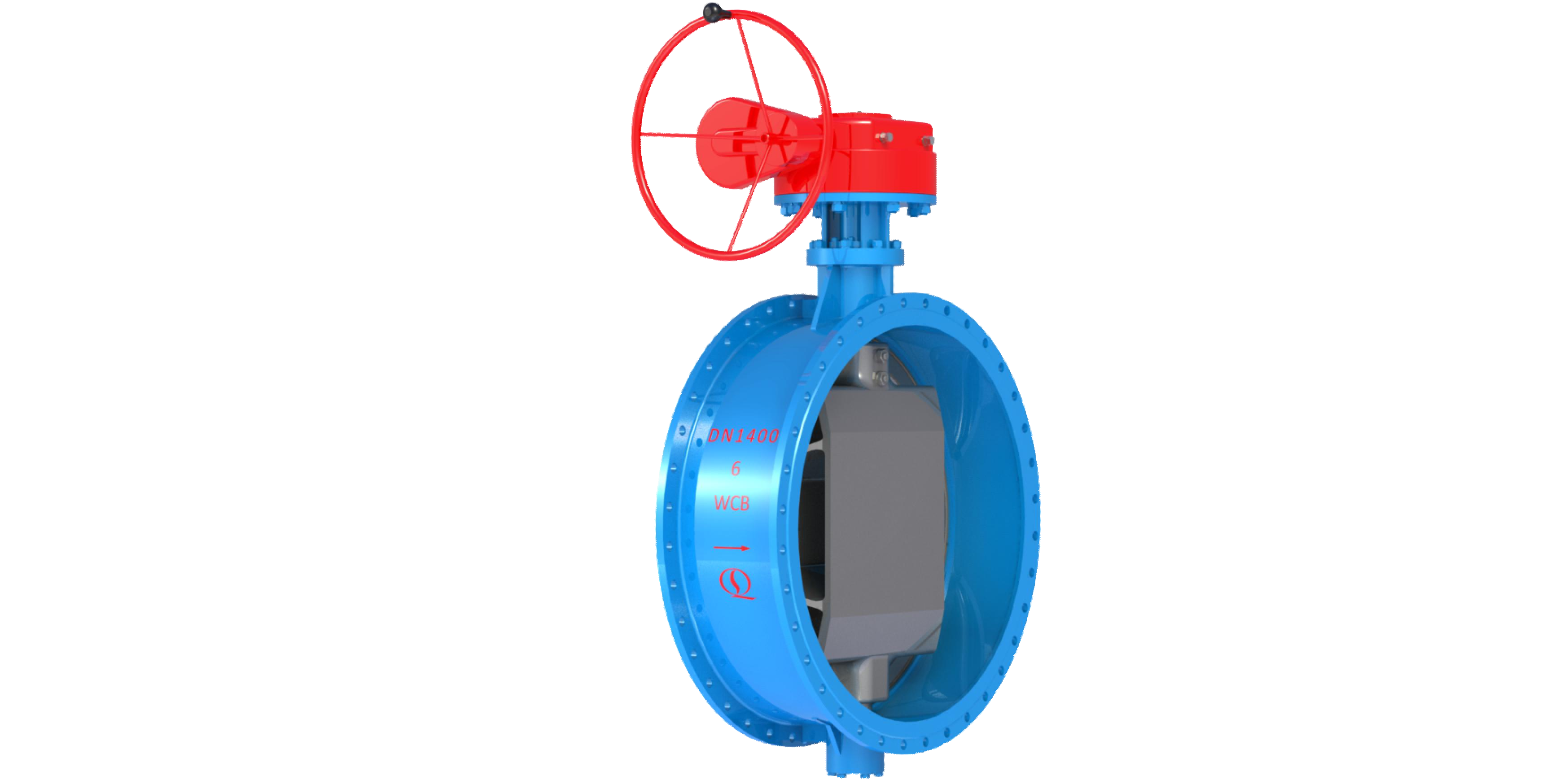
Bidirectional Metal Hard Sealed Seawater Butterfly Valve
Henan Quanshun Flow Control Science & Technology Co., Ltd.
Acoustic Mineral Fiber Ceiling Tile 595x595x12mm
Shanxi Pano Trading Co., Ltd
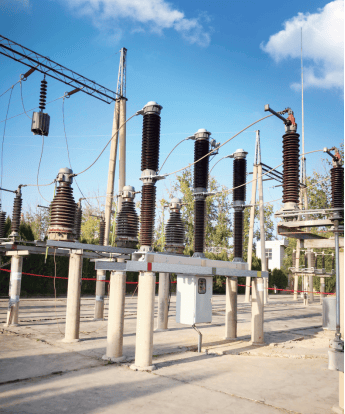
145kV Porcelain Column Type Sulfur Hexafluoride Circuit Breaker
TBEA ZONFA Shanghai High Voltage Switchgear Co., Ltd.