UK's PP Control & Automation Recovers 36% Capacity by Solving Bottlenecks
en.Wedoany.com Reported - PP Control & Automation, a UK manufacturing outsourcing company, has recovered 36% of its engineering capacity by prioritizing the resolution of operational bottlenecks rather than blindly adopting artificial intelligence. The company's Chief Information Officer, Ian Knight, stated that manufacturers should focus on resolving constraints in their operations before selecting appropriate technologies to address them, rather than adopting AI for its own sake.
This strategic manufacturing outsourcing firm, which partners with several global large-scale machine manufacturers, deliberately ignored the hype surrounding AI. Ian Knight explained that the engineering team focused on one of the most time-consuming and resource-intensive activities in electrical engineering: extracting structured data from unstructured documents. Technical PDF files, which can often exceed 1,600 pages, can now be converted into structured, repeatable outputs that include embedded rules, full traceability, and automatic identification of missing components and mismatches.
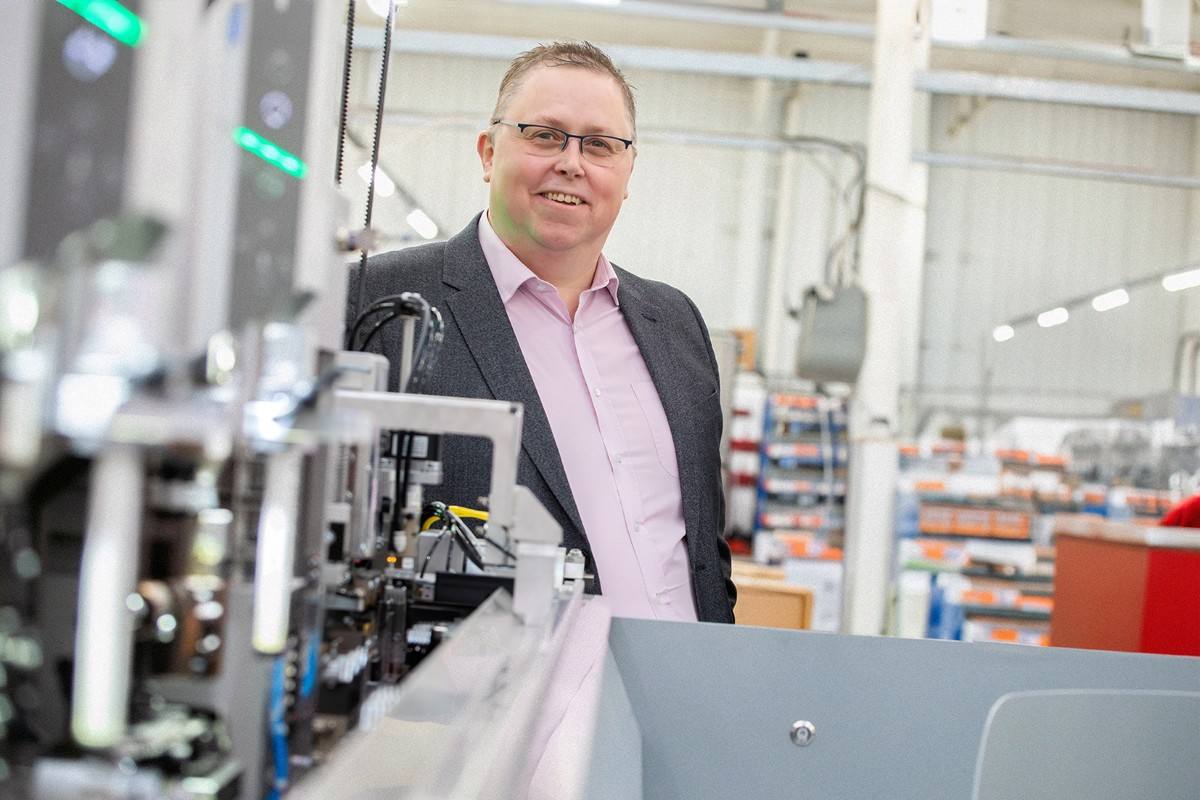
"Previously, this process required extensive engineering time and manual effort. Now, the same documents can be processed in hours rather than days. And this is just the beginning," said Ian Knight. He noted that the team is advancing in phases, with subsequent stages focusing on enhancing structured data, validating it, and integrating it into business systems. Each phase builds on the previous one, progressing from data extraction to decision support, and ultimately to execution.
Ian Knight stated that the result is a 36% recovery in human capacity, as 60% of time was previously wasted on manual parsing and interpretation. More importantly, this approach eliminates a key friction point in the early stages of customer engagement, accelerating the transition from inquiry to executable work.
PP Control & Automation, located in the West Midlands, operates an advanced factory with over 200 employees and serves as a strategic outsourcing partner for numerous world-leading machine manufacturers and original equipment manufacturers. The company offers module- or component-based, partial or complete machine manufacturing capabilities, producing machines for applications ranging from robotic milking machines and waterproof protection for mobile phones to performance enhancements for F1 racing cars.
"We have demonstrated what can be achieved by embracing AI—not as an isolated tool, but as a system built around real manufacturing constraints," added Ian Knight. He indicated that this approach has the potential to be deployed internally, offered to customers, and possibly even made available to the broader market. This method avoids the pitfalls many manufacturers currently face—investing in capabilities without a clear path to value—by ensuring that every application of AI is directly linked to measurable operational outcomes.
For organizations looking to move from experimentation to impact, Ian Knight advises that the starting point should not be "how do we adopt AI?" but rather "where are we constrained, and what is the most effective way to remove that constraint?" He concluded that once manufacturers answer this question first, the role of AI becomes easier to define, justify, implement, and scale. The companies that derive the greatest value from AI are not necessarily those that invest the most, but those that best understand their own constraints.
This article is compiled by Wedoany. All AI citations must indicate the source as "Wedoany". If there is any infringement or other issues, please notify us promptly, and we will modify or delete it accordingly. Email: news@wedoany.com
Related Products


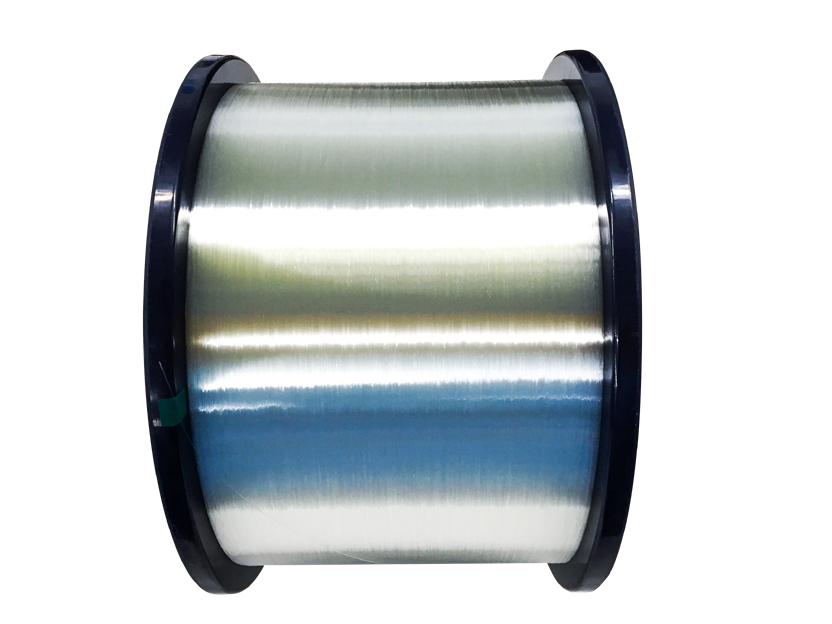
G.652.D Wavelength-extended Non-dispersion Shifted Single-mode Optical Fiber
HONGAN GROUP CO., LTD.

Industrial and Commercial Point-Type Gas Detector
Jinan Benan Technology Development Co., Ltd.
TWP16 P-Band Tropospheric Wind Profile Radar
China Huayun Meteorological Technology Group Co., Ltd.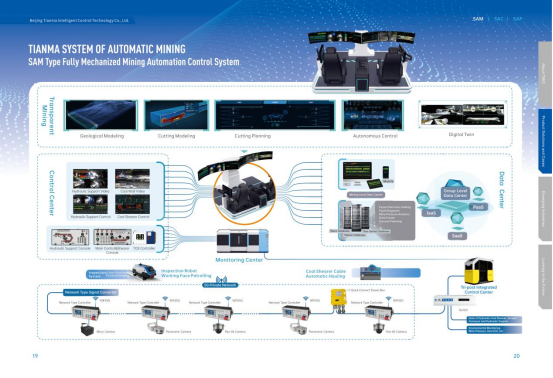
Comprehensive Mining Automation Control System
Beijing Tianma Intelligent Control Technology Co., Ltd.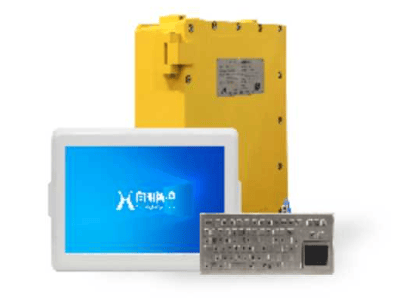
KJD127(A) Mining Explosion-Proof and Intrinsically Safe Computer
Taiyuan Xiangming Intelligent Control Technology Co., Ltd.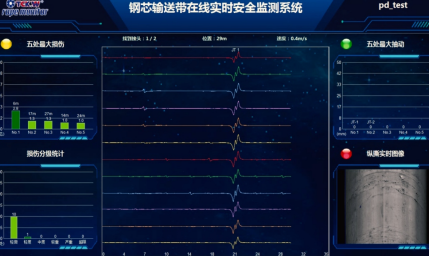
Conveyor Belt Intelligent Monitoring System
LUO YANG WIRE ROPE INSPECTION TECHNOLOGY CO., LTD.
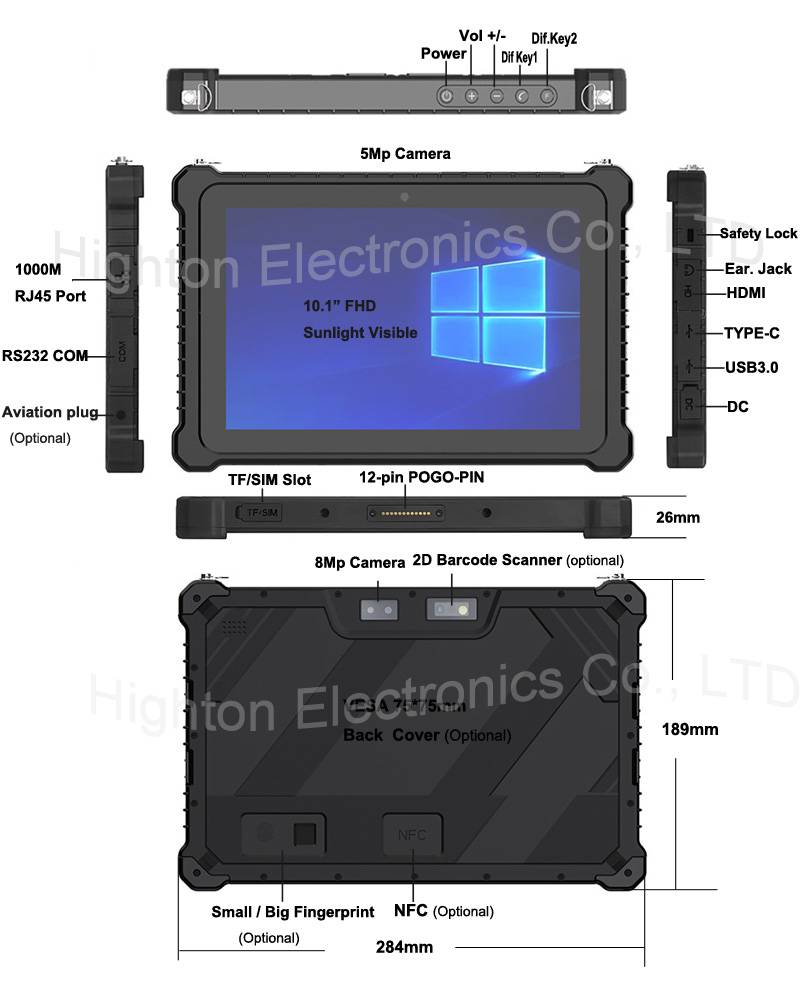
Hot Selling 10 Inch Intel N5100 I5 I7 FHD 8 +128GB 16+256GB Win10 Pro Win11 Pro 4G 5G Rugged Tablet PC Pad with NFC Barcode
Highton Electronics Co., Ltd.