en.Wedoany.com Reported - Illinois is balancing equity and labor standards in its clean energy deployment. Nexamp, the state's largest community solar developer, and the Clean Energy Leadership Institute (CELI) co-hosted an evening event in Chicago on June 24, focusing on community investment and workforce development. Attendees included policymakers, regulators, and students from Nexamp and the City Colleges of Chicago's renewable energy fellowship program.
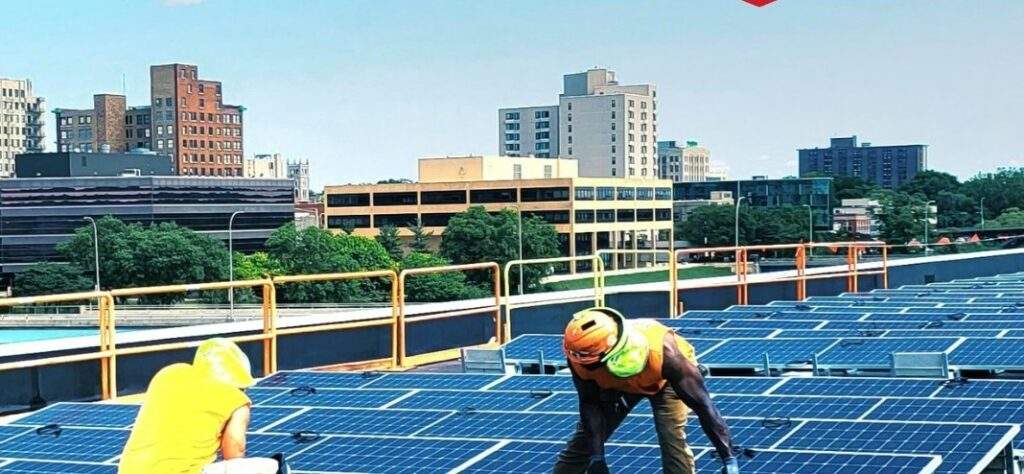
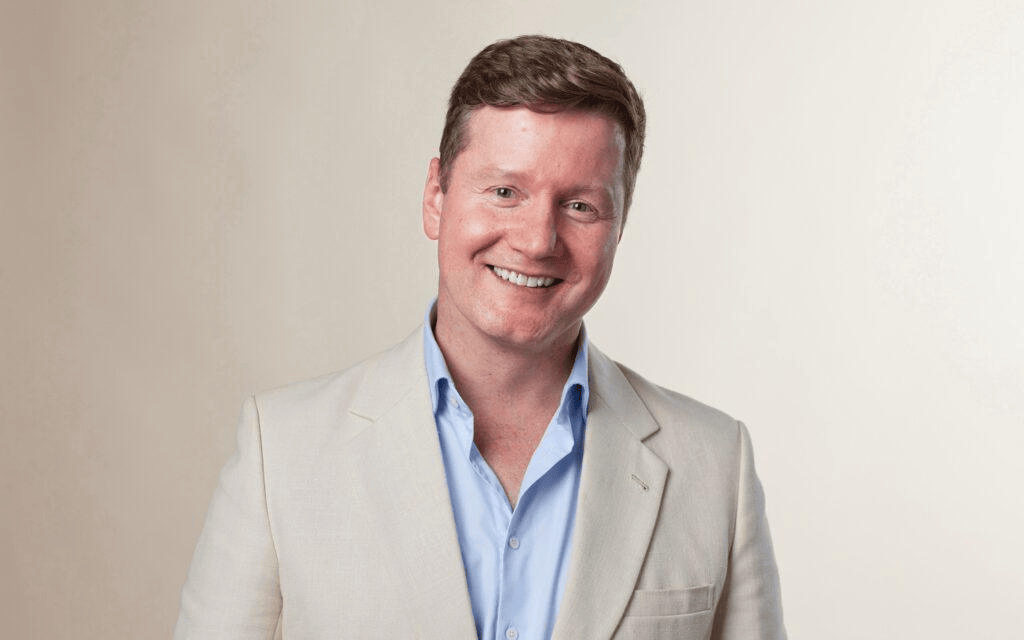
Nexamp CEO Zaid Ashai stated that clean energy and affordability are not contradictory, and that distributed solar and storage can provide a path to price stability for average ratepayers. Illinois is aligned in building a clean energy economy. Assistant Majority Leader of the Illinois House of Representatives, Marcus C. Evans Jr., noted that once the government makes a clear decision, infrastructure can be built quickly.
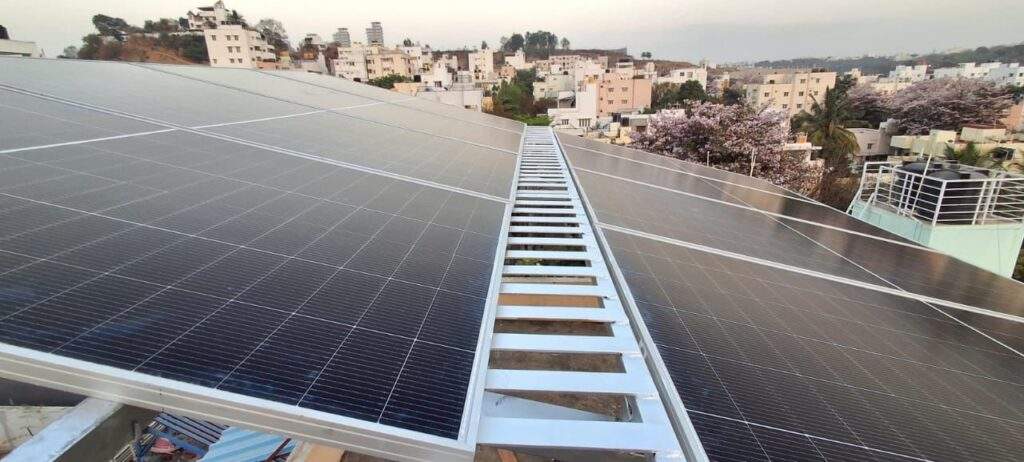
Data shows that Illinois has over 6,000 megawatts of installed solar capacity, a significant increase from about 80 megawatts a decade ago, making it a leader in the Midwest. Under the state's renewable portfolio standard, over 13 gigawatts of wind and solar have been developed. With the Illinois Commerce Commission approving a new round of approximately 800 megawatts of wind and 740 megawatts of solar projects, the pipeline capacity will be pushed to 14.5 gigawatts. In the Institute for Local Self-Reliance's community power scorecard, Illinois is the only state to receive a B grade, ahead of New York, Massachusetts, and California.
The event's discussion panel, moderated by Nexamp's Central Policy Director Jess Collingsworth, focused on the Clean and Reliable Grid Affordability Act (CRGA, SB 25), signed by Governor Pritzker in January and effective June 1. Audrey Steinbach, Director of Energy Storage at the Illinois Power Agency, explained that the state aims to reach a cumulative energy storage capacity of 3,000 megawatts by the end of 2030, with the first procurement beginning in August of this year. Residential virtual power plants will open for enrollment for ComEd and Ameren customers around mid-July, paying homeowners with batteries for grid services. Illinois Climate Advisor JC Kibbey called virtual power plants the fastest and cheapest way to connect supply to the grid, noting that 71% of Illinois residents want 100% clean energy by 2050. A new statewide integrated resource plan draft will be submitted in November.
Kavi Chintam, Illinois Campaign Manager for Vote Solar, pointed out that as federal investment tax credits are phased out, some "Illinois Shines" projects are no longer viable, but higher renewable energy certificate prices make the state more resilient than most. Illinois has set minimum equity standards, requiring that 14% of the workforce on participating projects meet equity eligibility, including graduates of job training programs, formerly incarcerated individuals, and foster care alumni. Chintam cited an example of a church in an environmental justice community near Carbondale that saved money through the "Illinois Shines" program, allowing it to continue offering free Sunday breakfasts.
Another highlight of the evening was the STEM-based renewable energy fellowship program launched in partnership between City Colleges of Chicago and Nexamp. Students in the program are part-time paid employees working on practical tasks such as project management and grid integration. The program started with about 20 students and is expected to reach 80 by the end of the year. City Colleges of Chicago Chancellor Juan Salgado plans to expand paid apprenticeships to 500 per year within five years.
This article is compiled by Wedoany. All AI citations must indicate the source as "Wedoany". If there is any infringement or other issues, please notify us promptly, and we will modify or delete it accordingly. Email: news@wedoany.com