Why Permanent-Magnet Direct-Drive Generators Matter for Large Offshore Wind Turbines
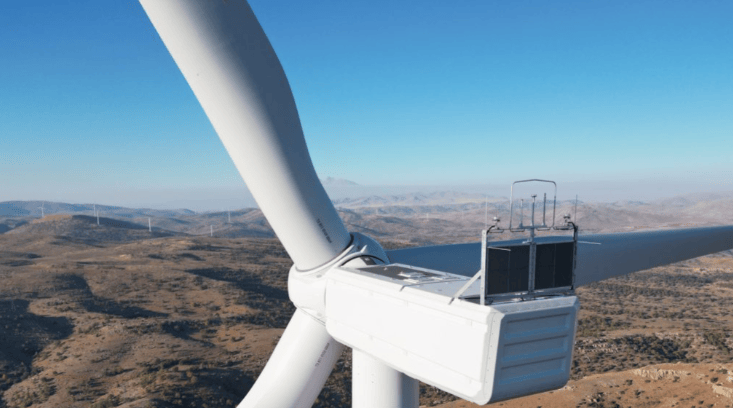
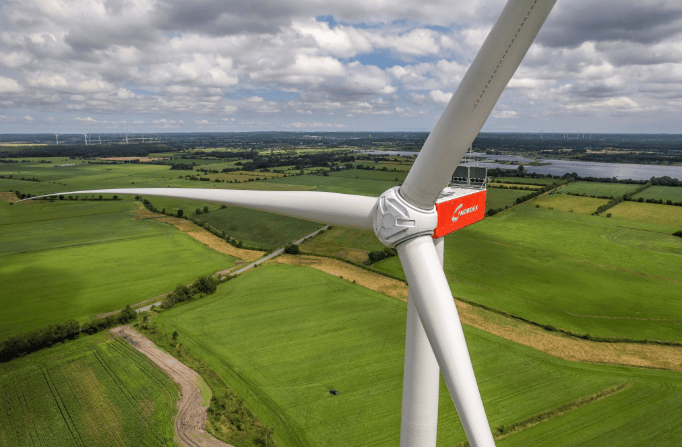
en.Wedoany.com Reported - A direct-drive wind turbine removes the conventional high-speed gearbox and connects the rotor to a low-speed electrical generator through a shortened mechanical drivetrain. The objective is not simply to eliminate one component, but to reduce the maintenance burden associated with high-speed gears, bearings, and lubrication systems.
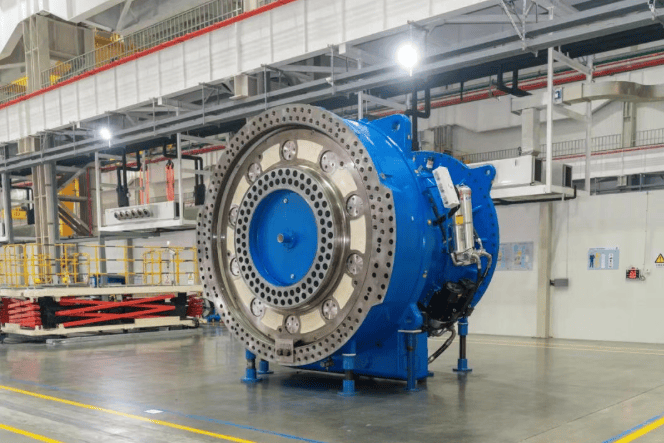
A Permanent Magnet Direct Drive Generator must produce high electrical power at relatively low rotational speed. This requires high torque, a large electromagnetic diameter, many magnetic poles, and a mechanically rigid rotor and stator structure.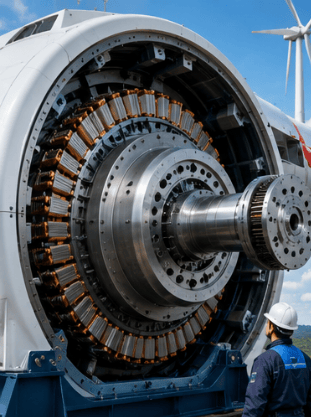
Permanent magnets establish the rotor magnetic field without continuous electrical excitation. This can reduce rotor losses and avoid brushes and slip rings used by some alternative generator concepts.
The generator normally operates with a full-scale power converter. Variable rotor speed can therefore be converted into grid-compatible electrical output while active power, reactive power, voltage, and selected fault-response functions are controlled electronically.
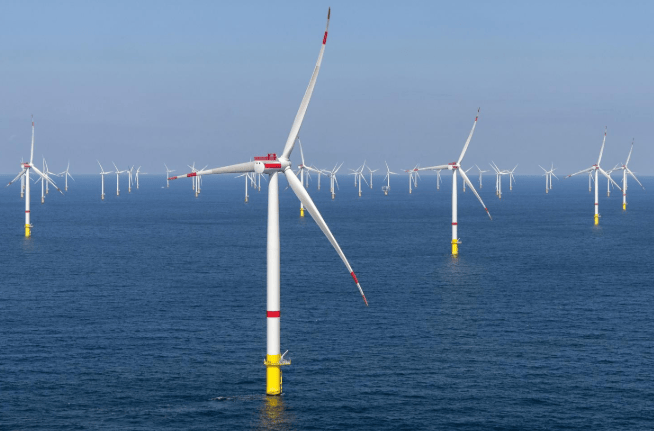
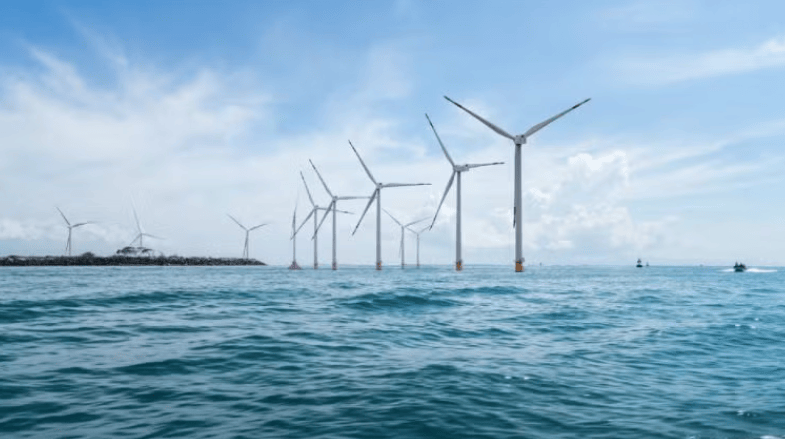
Direct-drive technology is especially attractive offshore, where major drivetrain maintenance may require vessels, lifting equipment, suitable weather windows, and long periods of restricted access.
However, removing the gearbox does not automatically create a lightweight nacelle. Low-speed torque produces demanding structural loads, and the generator can become large in diameter and mass.
Air-gap control is critical. Rotor deflection, stator deformation, bearing movement, thermal expansion, and manufacturing tolerance must not allow excessive variation between the rotating and stationary components.
Thermal management also limits power density. Winding, iron, converter, and magnet temperatures must remain within acceptable limits under changing wind, ambient, and electrical conditions.
The success of the direct-drive concept therefore depends on integrated electromagnetic, structural, bearing, cooling, converter, and control design. Eliminating the gearbox creates value only when the complete drivetrain remains efficient, stable, and maintainable throughout the turbine lifecycle.
This article is compiled by Wedoany. All AI citations must indicate the source as "Wedoany". If there is any infringement or other issues, please notify us promptly, and we will modify or delete it accordingly. Email: news@wedoany.com
Related Products
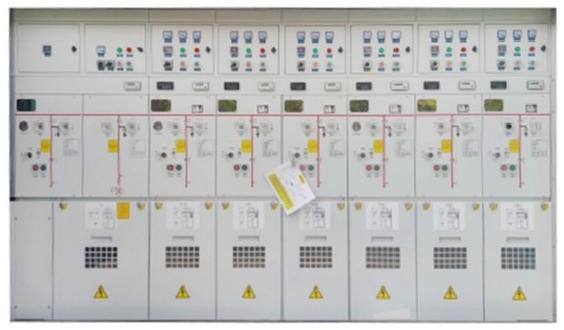

NISELA Series Environmentally Friendly Gas-Insulated Ring Main Unit
XJ DELISHIER ELECTRIC CO., LTD.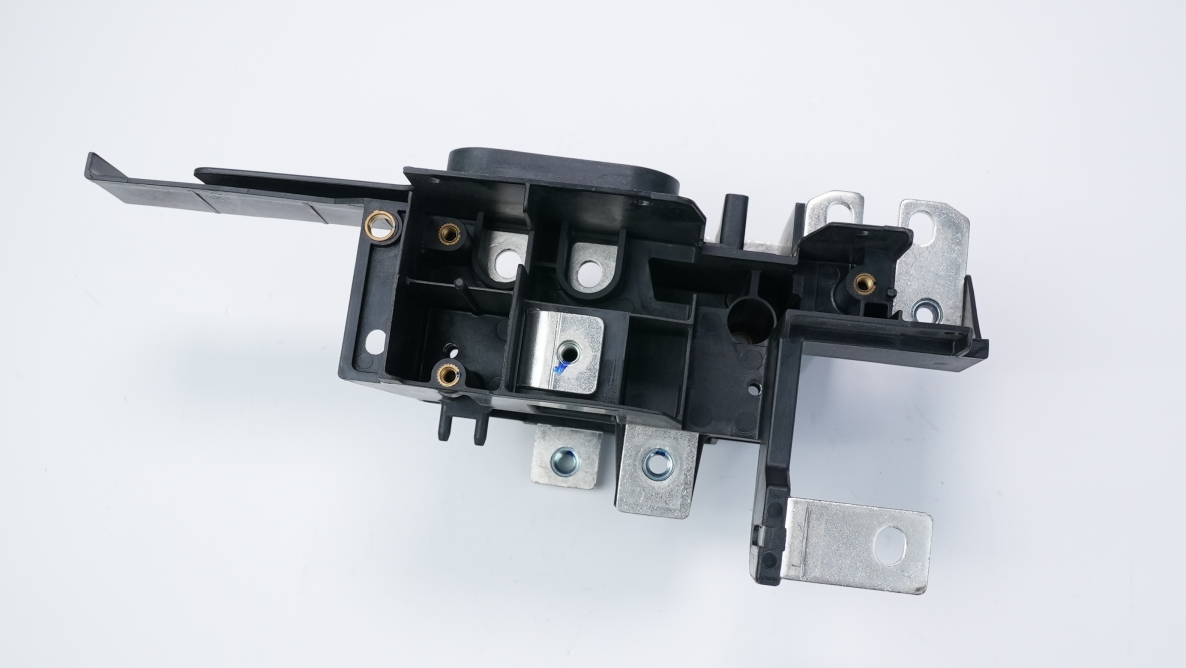
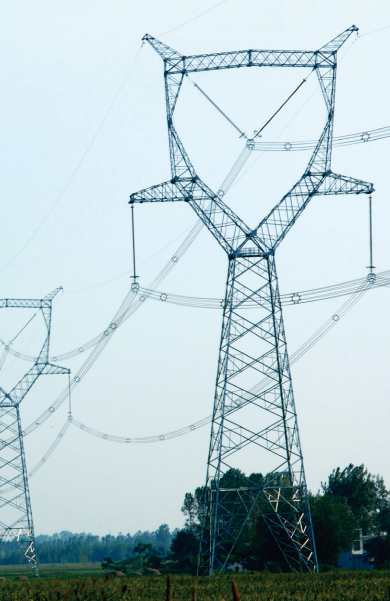
1000kV Jin Southeast-Nanyang-Jingmen UHV AC Transmission and Transformation Pilot Demonstration Project
Anhui Hongyuan Steel Tower Co., Ltd.
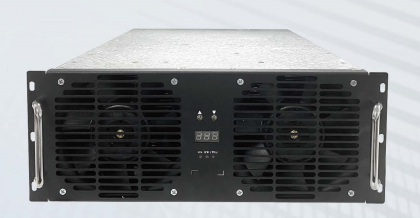
80kW Megawatt Supercharging Module TH80F10030C9
Shijiazhuang Tonhe Electronics Technologies Co., Ltd.