Byzantine Port and Largest Collection of Medieval Ships Unearthed During Marmaray Tunnel Excavation in Turkey
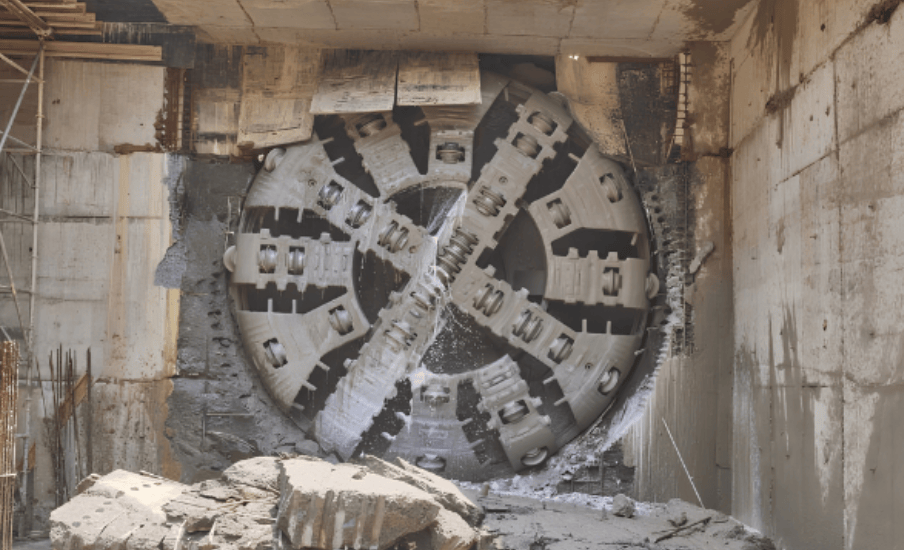
en.Wedoany.com Reported - The Marmaray Tunnel in Turkey connects Europe and Asia beneath the Bosphorus Strait via railway, but the excavation also uncovered a lost Byzantine port and the largest known collection of medieval ships to date. This archaeological discovery delayed the project by approximately four years.
The tunnel, opened in 2013, is the world's deepest immersed tube railway tunnel, with its lowest point approximately 60 meters below the water surface. Previously, travel between the two sides of Istanbul relied on ferries or bridges, but the railway journey now takes just a few minutes.
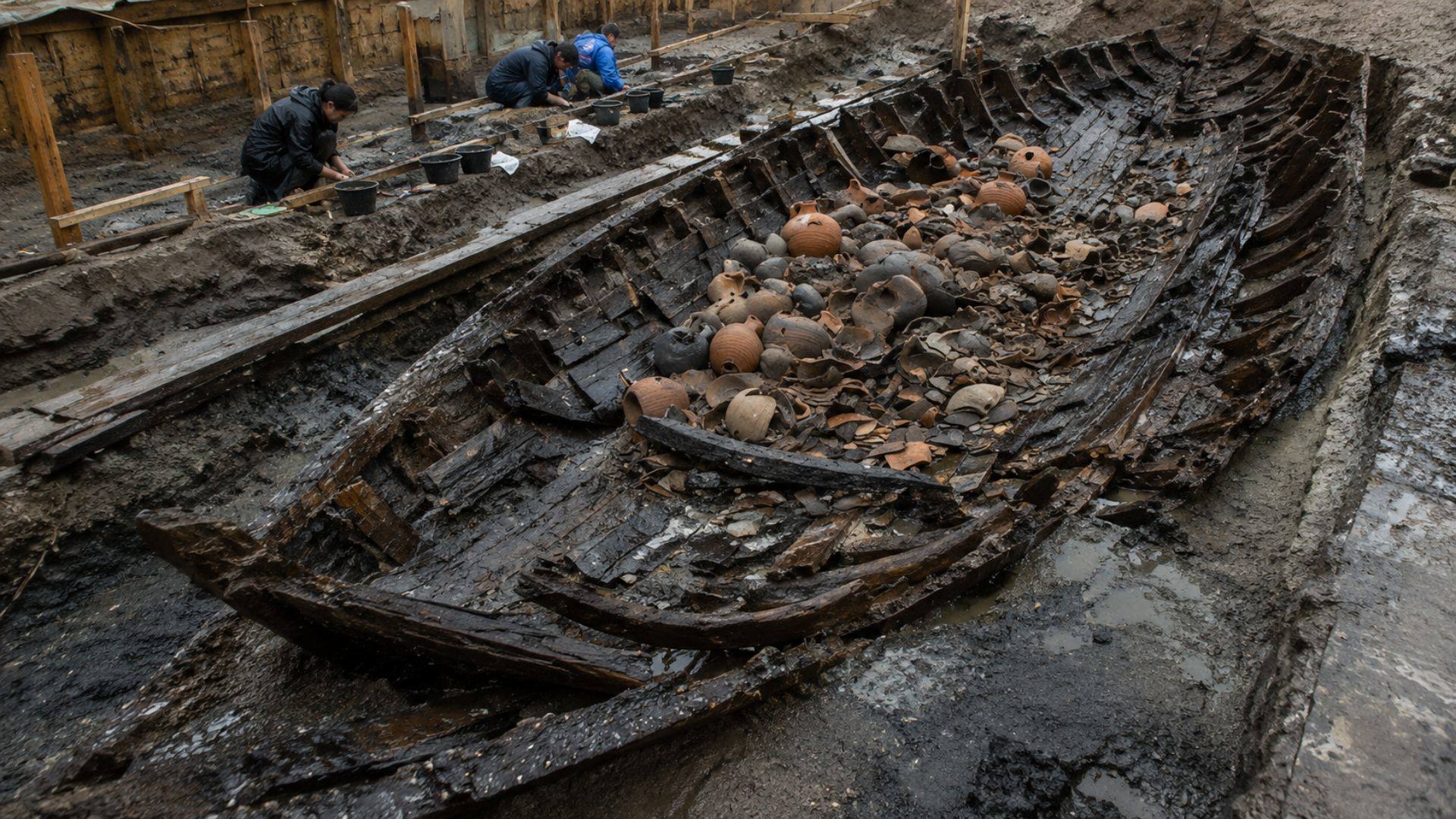
The most unexpected phase of the project occurred at the excavation site for the Yenikapı station. Workers discovered traces of human activity dating back approximately 8,000 years beneath Istanbul, as well as a Byzantine port that had disappeared for centuries—the Port of Theodosius. This area subsequently became the largest archaeological site in the city's history.
Archaeologists unearthed dozens of Byzantine-era shipwrecks from the silt at the bottom of the port, forming the largest single collection of medieval ships ever found. These vessels, over 1,000 years old, are well-preserved and provide crucial insights into medieval Mediterranean trade, shipbuilding techniques, and maritime routes.
Faced with the unearthed artifacts, Turkey chose to preserve them rather than simply bulldozing the site. Engineers and archaeologists were forced to collaborate at the same construction site, delaying the entire project by approximately four years.
The underwater section of the Marmaray Tunnel was built using the immersed tube method. The construction team manufactured 11 large concrete segments, which were assembled underwater. According to Railway Technology, the tunnel is designed to withstand earthquakes of magnitude 7 or higher, as the region is near the North Anatolian Fault, one of the most active fault lines in the world.
As early as the 19th century, sultans of the Ottoman Empire envisioned a tunnel beneath the strait to connect Europe and Asia, but the technology of the time prevented its realization. The Marmaray Tunnel fulfilled this vision over 150 years later, providing an underwater railway link between the two sides of the Bosphorus.
This engineering case demonstrates that large-scale underground construction in historically rich cities inevitably uncovers buried pasts. The rare combination of engineering and archaeology resulted in a railway tunnel simultaneously yielding the world's largest collection of medieval ships.
This article is compiled by Wedoany. All AI citations must indicate the source as "Wedoany". If there is any infringement or other issues, please notify us promptly, and we will modify or delete it accordingly. Email: news@wedoany.com
Related Products


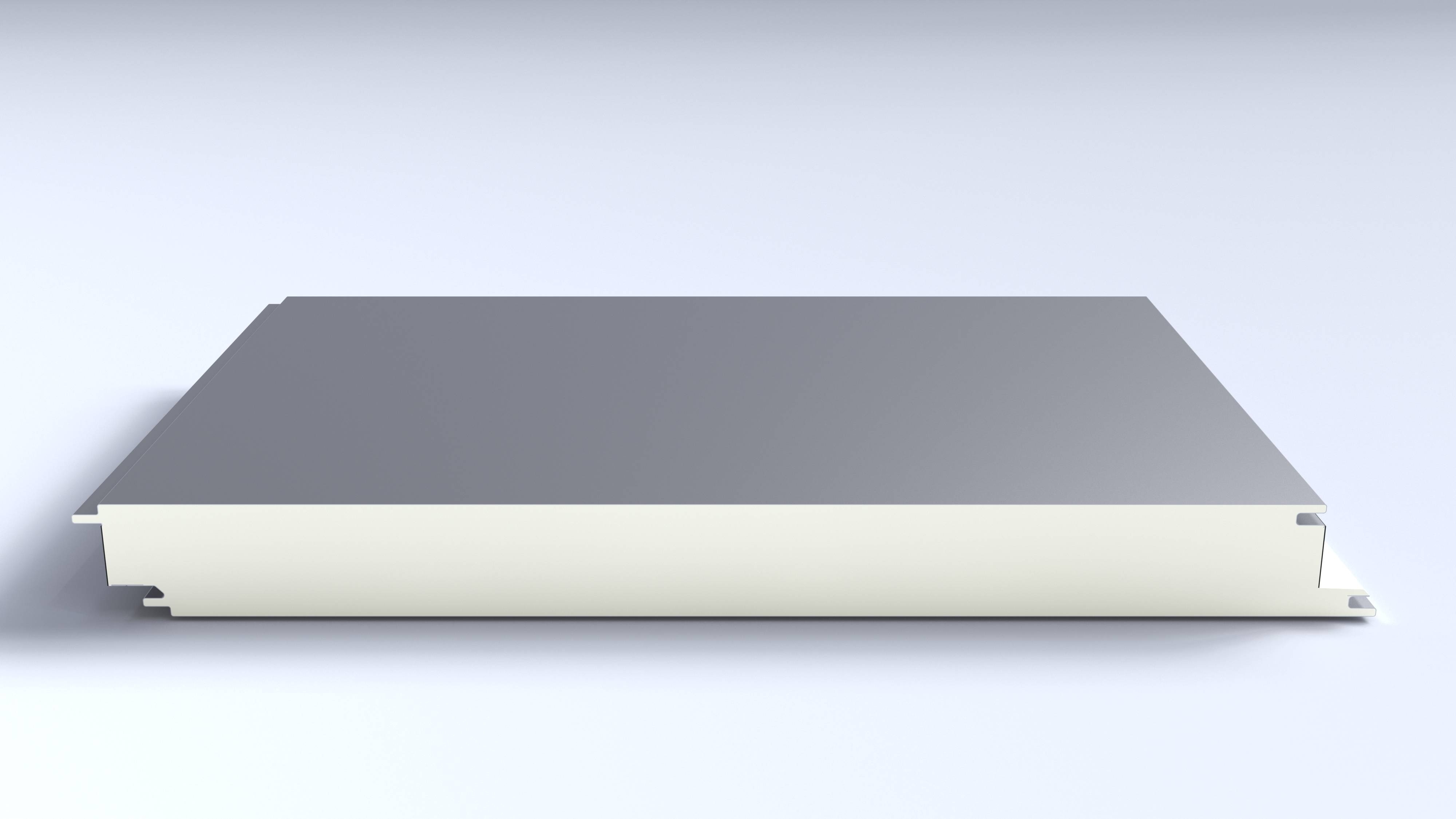
Pure Polyurethane Wall Panel BD-AEF-PIR-01
Baodu International Engineering Technology Co., Ltd.
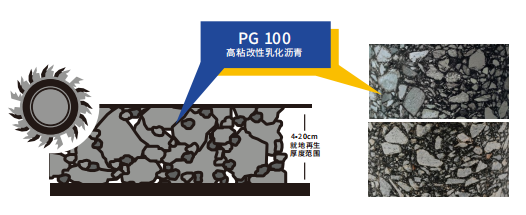
High-toughness in-Situ Cold Recycling Technology for Original Structural Layers
Central Fortune Creation Technology Group Co., Ltd.
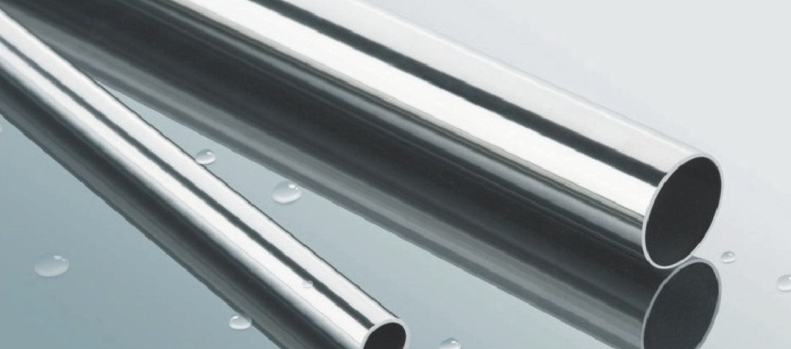
ERW Welded Pipe (Black Pipe and Hot-dip Galvanized Steel Pipe)
Handan Zhengda Steel Pipe Co., Ltd.
YHTank8400N Solvent-Free Liquid Epoxy Coating
JIANGSU YUNHU NEW MATERIAL TECHNOLOGY CO., LTD.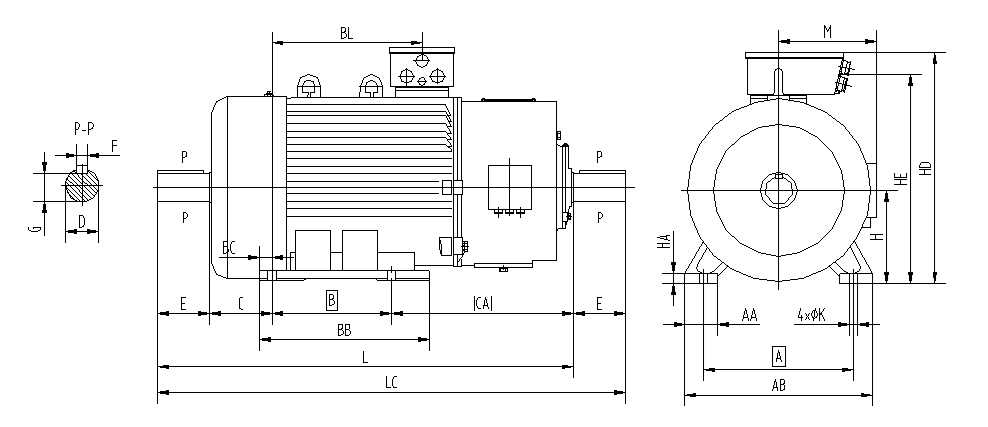
YZR (450-560) Series Wound Rotor Three-Phase Asynchronous Motors for Crane and Metallurgical Applications
Jiamusi Electric Machine Co., Ltd.