U.S. InfraCo Proposes $125 Billion Closed-Loop Fiber Optic System
en.Wedoany.com Reported - InfraCo has proposed building a $125 billion national closed-loop fiber optic system aimed at protecting U.S. national security from foreign adversary attacks. The 501(c)(4) nonprofit organization plans to meet with the Department of Transportation next week to advance the implementation of the "President Donald J. Trump Digital Security and Information Highway Act."
The proposal envisions constructing a fiber optic network theoretically impervious to foreign adversary attacks within an accelerated five-year timeframe through close collaboration among multiple stakeholders. Vince Aragona, founder of InfraCo's parent company Neo Network Development LLC, stated that this ambitious vision requires a public-private partnership model, combining taxpayer funds and private equity investments. Companies using the network could pay rent, thereby avoiding tax increases or repeated subsidies.
Aragona cited several potential concerns, including the possibility that China might target critical internet infrastructure while maintaining its own security. According to a 2025 report by the U.S.-China Economic and Security Review Commission, China has had its own domestic backup network since 2017, currently connecting 80 cities with over 6,200 miles of secure fiber optic cables. Bradford Higgins, former Chief Financial Officer of the State Department and Chairman of Neo Network's Board, told The Daily Caller that it has been clear for 25 years that China has indicated it would shut down U.S. communications and power systems in the event of a conflict—this is not a question of "if," but how the attack on the U.S. would occur.
Joel Thayer, Director of the Digital Progress Institute, believes the new network is a good first step, but it alone cannot resolve the nation's cybersecurity vulnerabilities. He stated that placing government traffic on dedicated fiber optics can indeed reduce some risks, but most intrusions come from personnel, passwords, and system endpoints, not from underground cables.
Related Products

TWP16 P-Band Tropospheric Wind Profile Radar
China Huayun Meteorological Technology Group Co., Ltd.

Industrial and Commercial Point-Type Gas Detector
Jinan Benan Technology Development Co., Ltd.
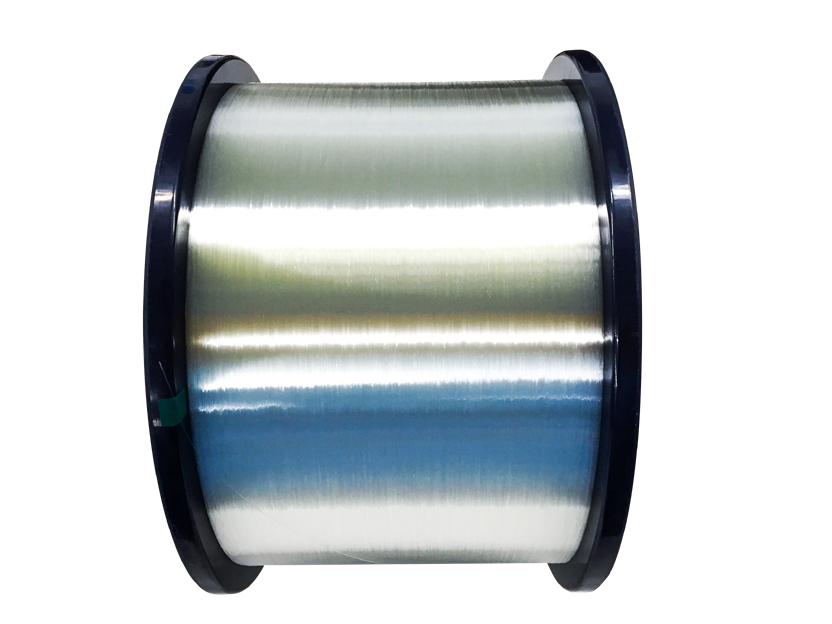
G.652.D Wavelength-extended Non-dispersion Shifted Single-mode Optical Fiber
HONGAN GROUP CO., LTD.
20 Inch 1600*900 Full HD 60Hz TFT LED Monitor with VGA and DP Interfaces for Desktop Computers-Business Use
Guangzhou Zanying Optoelectronics Technology Co., Ltd.

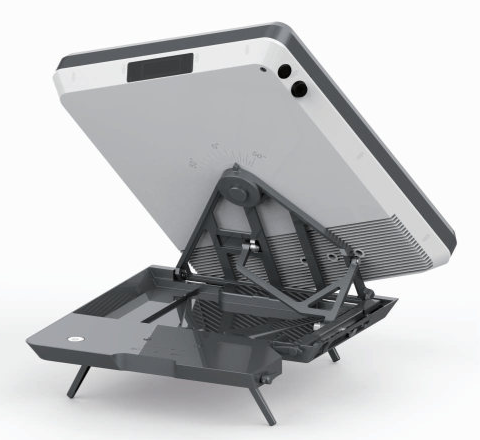
Flat Portable Satellite Terminal 0.35m Aperture Manual Portable Terminal
China Starwin Science & Technology Co., Ltd.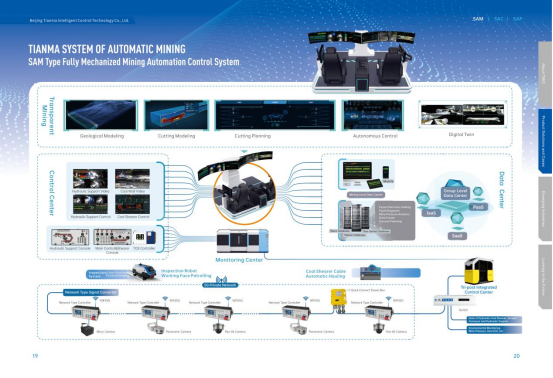
Comprehensive Mining Automation Control System
Beijing Tianma Intelligent Control Technology Co., Ltd.
MUX Series Communication Interface Device for Security and Stability Control System
Nanjing NR Electric Co., Ltd.