en.Wedoany.com Reported - SpaceX has begun testing spectrum newly acquired from EchoStar to support its next-generation direct-to-cell satellites. This move further solidifies SpaceX's significant position in the satellite direct-to-mobile communications field.
The tests cover the AWS-3 unpaired band, AWS-H band, and 2 GHz MSS band, with relevant applications submitted to the U.S. Federal Communications Commission (FCC). SpaceX's acquisition of these spectrum assets from EchoStar was approved in May 2026, highlighting the high sense of urgency CEO Elon Musk places on this project.
SpaceX is using EchoStar's spectrum to test V2 direct-to-cell satellites. These next-generation satellites support broadband data and Internet of Things (IoT) connectivity, surpassing the capabilities of current versions that only support text messages and lightweight data transmission. SpaceX obtained 40 MHz of AWS-4 spectrum, 10 MHz of AWS-H band, 15 MHz of AWS-3 unpaired spectrum from EchoStar, as well as two licenses won in the recent AWS-3 auction. Phones supporting these frequencies are expected to begin appearing by the end of this year or next year.
The V2 satellites will fully leverage this EchoStar spectrum to deliver an LTE-like experience. In most environments, this will enable full 5G connectivity, with an experience comparable to current terrestrial LTE services. SpaceX will collaborate with mobile network operators to use these satellites to complement high-capacity terrestrial 5G networks.
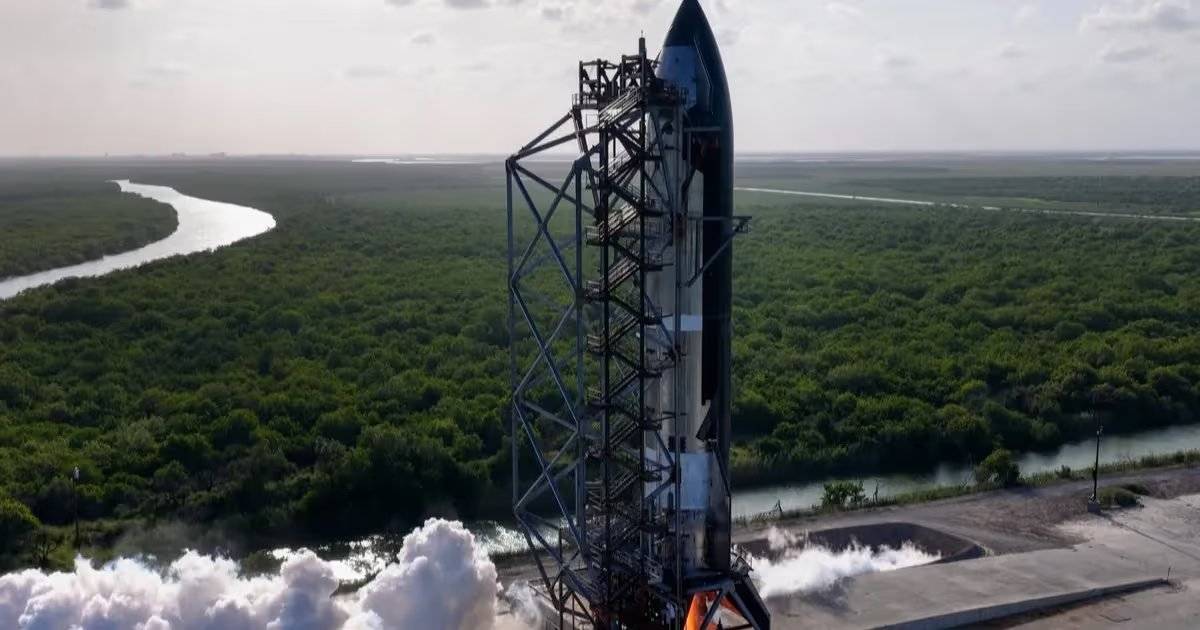
SpaceX is working with phone manufacturers to increase support for these frequencies. Qualcomm has taken the lead, delivering X105 5G Modem-RF chips starting in the second half of 2026. However, SpaceX will not begin deploying V2 satellites using Starship rockets until 2027.
While the current generation system (V1) requires a clear view of the sky, the next-generation system is expected to work indoors. Although this claim remains to be verified, this development marks a significant advancement in direct-to-cell technology. Musk acknowledged that SpaceX will not quickly defeat mobile operators, as they possess vast spectrum resources. The ultimate goal of Starlink Mobile is to cover more customers. SpaceX recently also expressed willingness to build its own terrestrial network, with speculation suggesting a possible partnership with Charter.
Control over these spectrum assets and next-generation satellites solidifies SpaceX's position as the most important player in the direct-to-cell field. This move also signals to AT&T, T-Mobile, and Verizon that competition in the mobile connectivity market will intensify. With testing already underway, SpaceX is demonstrating its determination to transform mobile network connectivity, moving beyond complete reliance on traditional terrestrial infrastructure.