Namibia's Rosh Pinah Zinc Mine Commissions New SAG Mill, Doubling Capacity
en.Wedoany.com Reported - The Rosh Pinah zinc mine is expected to double its ore processing throughput following the commissioning of a new SAG (semi-autogenous) mill. Located in southwestern Namibia and 90% owned by private equity firm Appian Capital Advisory, the company announced on Monday the successful commissioning of the SAG mill, the final major processing component in the mine's planned expansion.
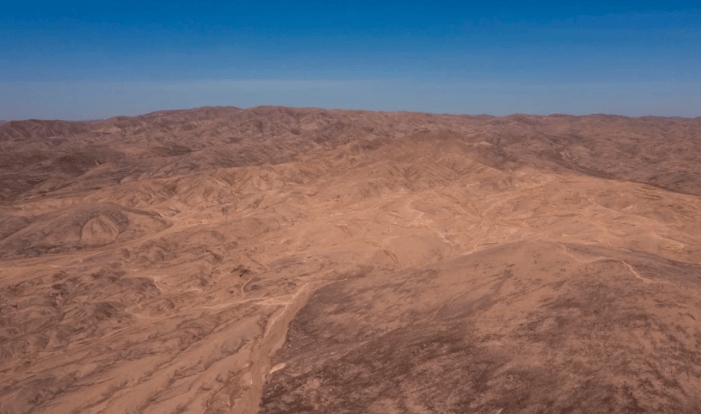
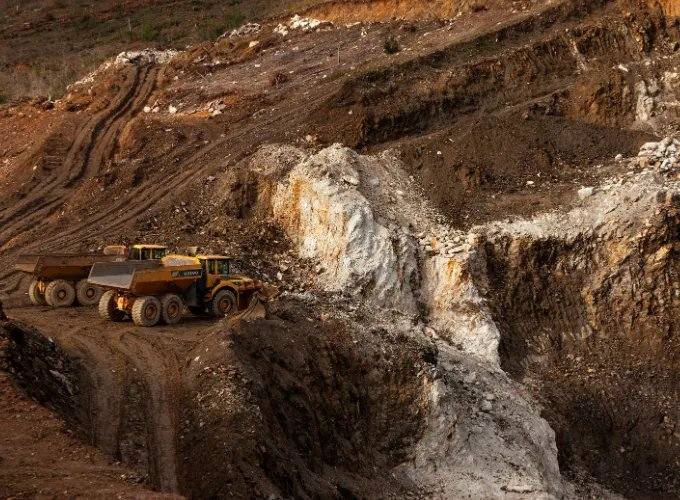
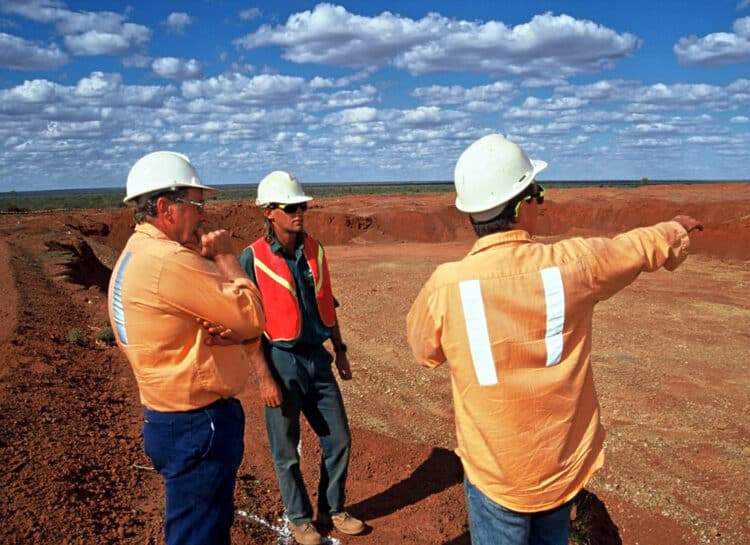
The zinc-lead mine is situated in the Namib Desert, approximately 20 kilometers north of the Orange River. In operation since 1969, it has become a cornerstone of the local mining town of Rosh Pinah.
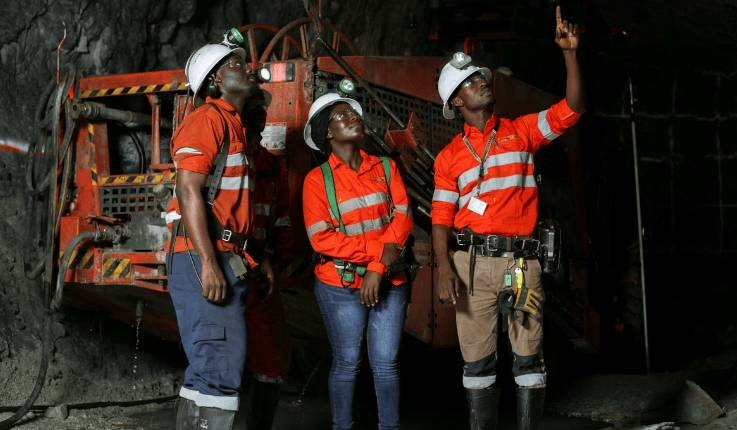
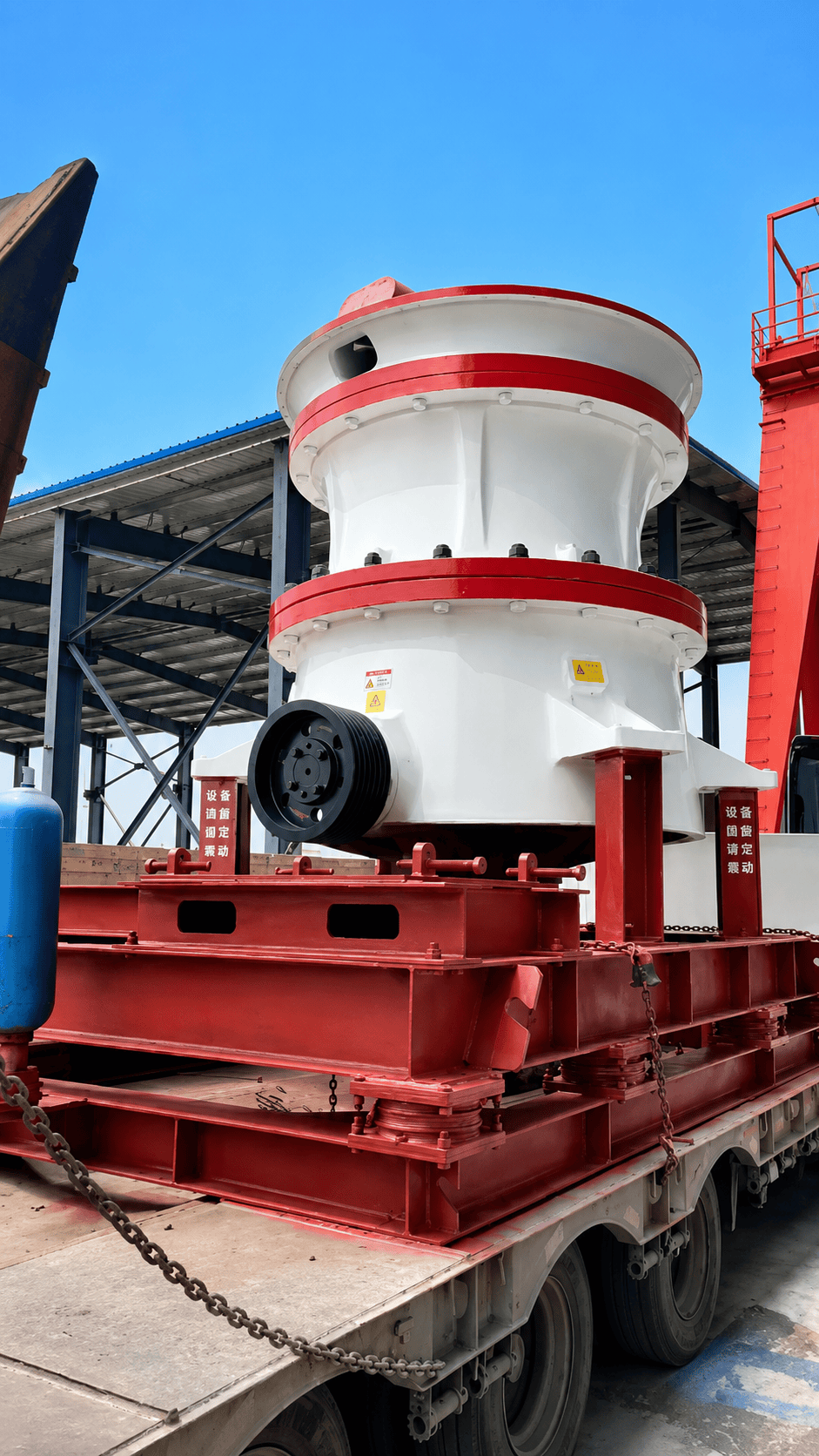
The ongoing expansion project, named RP2.0, includes further development of the underground mine, such as the newly developed WF3 portal and ramp, as well as new surface facilities. As part of the new surface infrastructure, the new SAG mill replaces the existing ball mill and is expected, after ramp-up, to increase the mine's processing throughput from the current 700,000 tonnes of ore per year to 1.4 million tonnes.
In addition to expanding processing capacity, the SAG mill is designed to enhance the plant's ability to handle harder ore types, which are becoming increasingly common as mining activities progress.
Appian stated in a press release that the mill's commissioning brings the complete RP2.0 circuit into operation as an integrated system, including the paste fill and water treatment plants, expanded flotation (new zinc circuit), thickening, and filtration capacities. The company also noted that the expansion extends the mine's operational life, improves resource utilization across the ore body, and solidifies Rosh Pinah's position as a long-life base metals project in Namibia. According to Appian, the project is progressing on schedule and within budget, with overall construction progress now exceeding 95%.
Ignacio Bustamante, Appian's Head of Base Metals, said: "The commissioning of the SAG mill marks the completion of our core processing infrastructure and reflects the quality of execution by the RPZ team throughout the RP2.0 project." He added: "With the entire circuit now operational, the project is poised to deliver a step-change in production."
Related Products

Yunnan Phosphorus Chemical Group Co., Ltd. 2 Million t/a Phosphorus Ore Mining and Beneficiation Project
China Bluestar Lehigh Engineering Corporation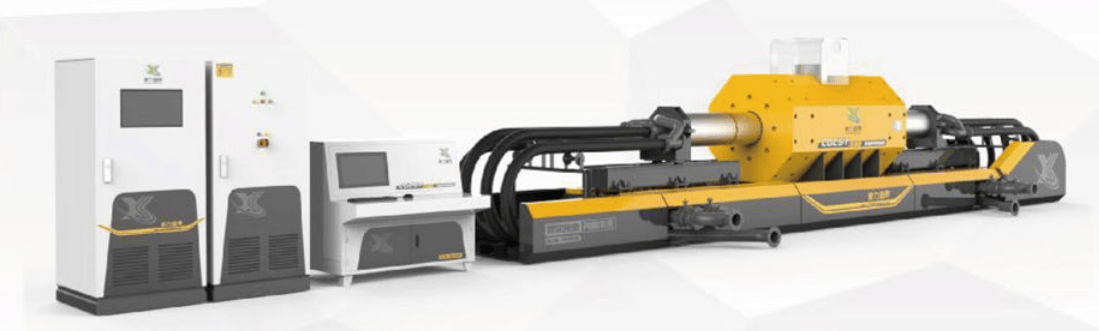
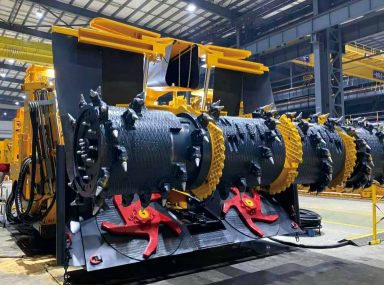
Integrated Excavation and Anchoring Machine (EJM Series)
China Railway Construction Heavy Industry Corporation Limited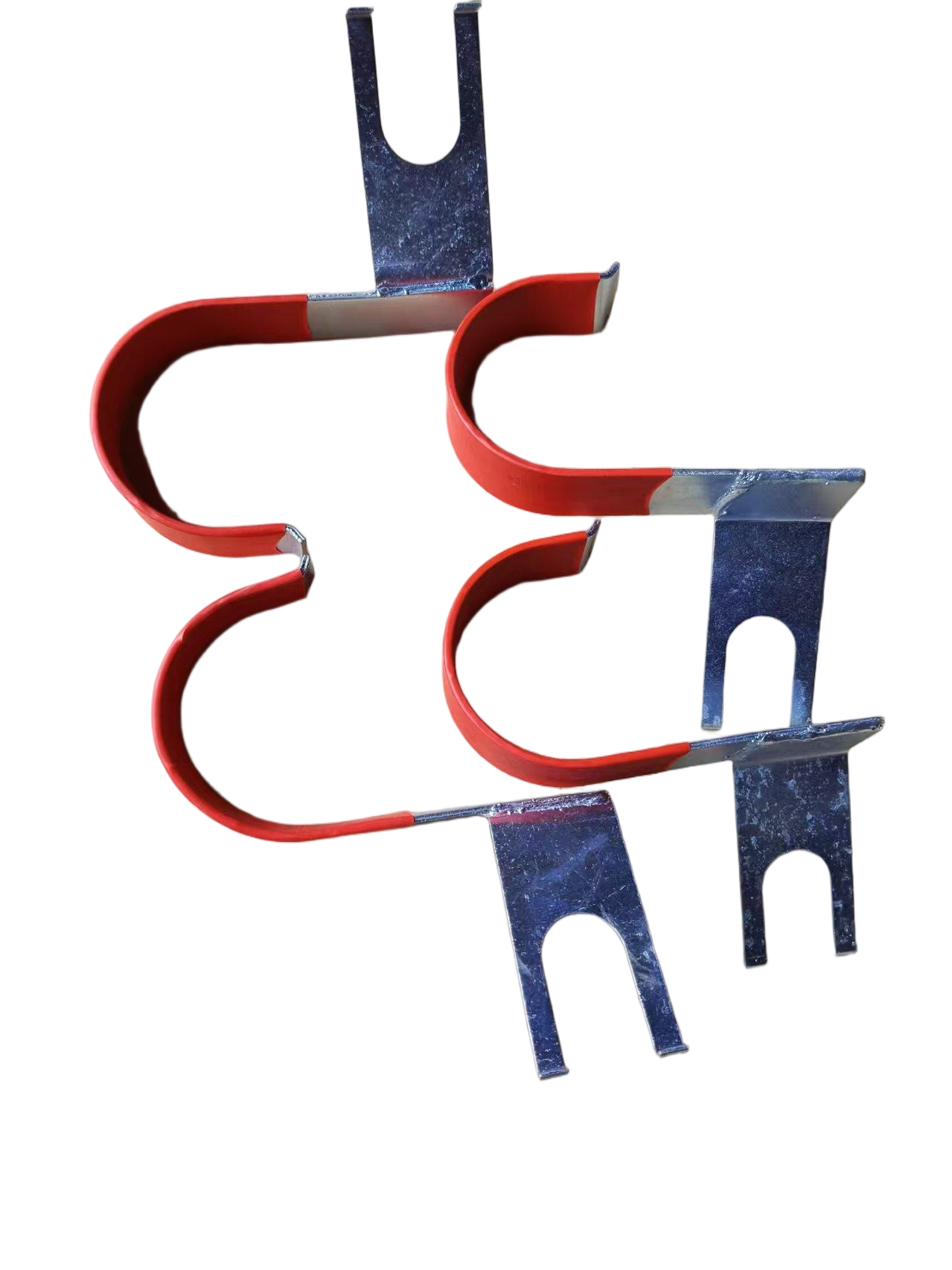
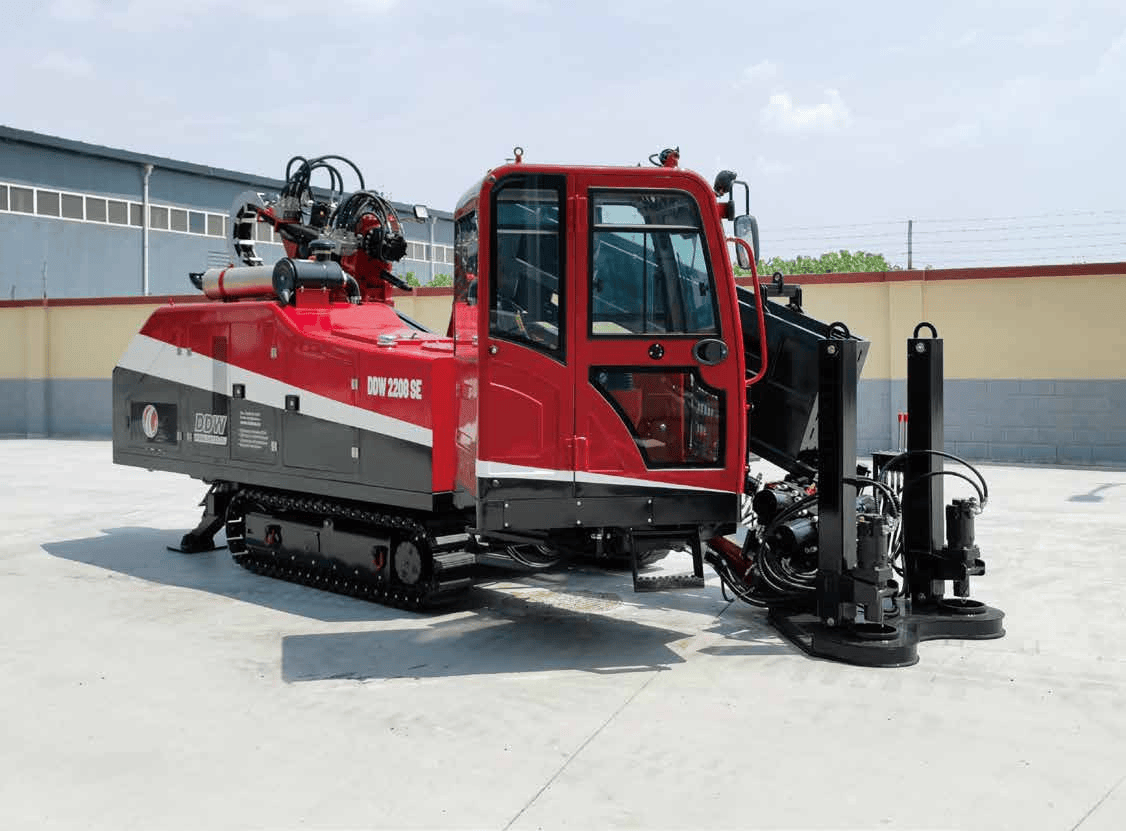
DDW22/08SE-HORIZONTAL DIRECTIONAL DRILL
DW/TXS Construction Equipment (Beijing) Co., Ltd.

High-temperature Equal Wall Thickness High-power Screw Drilling Tool
Orient Energy & Technologies Co., Ltd.