Illinois Tollway Unveils 15-Year, $26.5 Billion Capital Plan
en.Wedoany.com Reported - The Illinois Tollway has announced a 15-year, $26.5 billion capital plan that will bring large-scale road, bridge, and interchange construction to northern Illinois between 2027 and 2042, while modernizing one of the busiest transportation networks in the United States.
Named "Driving Connections," the plan covers all five tollway corridors and the agency's 294-mile system. Investments will fund corridor widening, bridge replacements, interchange improvements, and the expansion of SmartRoad technology infrastructure, providing a long-term pipeline of projects for heavy civil contractors. The initiative aims to reduce congestion, improve freight mobility, and strengthen regional transportation connections across 12 counties. Officials stated that the plan will create thousands of engineering and construction jobs while supporting suppliers, equipment dealers, and subcontractors throughout Illinois.
Executive Director Cassaundra Rouse said the Illinois Tollway is more than just roads—it is a lifeline connecting residents to jobs, goods, healthcare, housing, and opportunities. "Driving Connections" ensures the long-term success of customers and the state by putting people first.
The largest investment is in the Veterans Memorial Tollway (I-355), totaling $6.63 billion, including improvements to the I-355/I-88 interchange and widening between Interstate 55 and Army Trail Road. The Reagan Memorial Tollway (I-88) receives $3.53 billion, involving a new western entry point, reconstruction between Illinois Route 56 and Illinois Route 251, and repairs and widening from the Aurora Toll Plaza to the Eisenhower Expressway. The North Tri-State Tollway (I-94/I-294) is allocated $3.07 billion for road repairs and bridge reconstruction between Balmoral Avenue and the Edens Spur, along with early design work for future improvements to the I-294/I-90 interchange.
The Jane Addams Memorial Tollway (I-90) will receive $2.6 billion for upgrades between Elgin and the Kennedy Expressway, including 8 miles of new SmartRoad infrastructure, expansion of the Lee Street interchange, and repairs to aging bridges and sections between Rockford and Elgin. The South Tri-State Tollway (I-294/I-80) will get $2.39 billion for road repairs, bridge reconstruction, and targeted widening between Illinois Route 394 and 159th Street, with 5 miles of SmartRoad infrastructure along the corridor. The Central Tri-State Tollway (I-294) plans $1.87 billion in improvements, including road and bridge reconstruction between Balmoral Avenue and Wolf Road, construction of a full interchange at Irving Park Road, and design work for a new bridge over the Bensenville Railroad Yard. An additional $830 million, in partnership with the Chicago Department of Aviation, will fund improvements along Illinois Route 390 and I-490, including parking facilities, security screening infrastructure, and repairs to original sections of the Illinois Route 390 corridor.
Given the plan's scale and long duration, it is expected to create substantial opportunities for heavy civil contractors across the region. Over 15 years, significant earthwork, paving, bridge construction, and utility work will be required. Contractors specializing in interchange construction, bridge replacement, concrete paving, asphalt paving, steel erection, drainage systems, and intelligent transportation systems may see consistent bidding opportunities. Large-scale corridor widening projects are also expected to drive demand for excavators, bulldozers, wheel loaders, articulated trucks, graders, rollers, asphalt pavers, milling machines, cranes, and bridge construction equipment. SmartRoad infrastructure installation will require contractors experienced in fiber optic systems, communication networks, sensors, and intelligent transportation technologies. With projects spread across multiple corridors, work may generate a steady stream of contracts, helping contractors strategically plan equipment purchases, labor, and fleets for years to come.
Beyond traditional road construction, the tollway has allocated $5.57 billion for system-wide investments, including sustainability initiatives, maintenance facility modernization, and back-office system upgrades supporting I-PASS operations and open-road tolling technology. Funding will also support cross-agency partnerships through the Corridor Opportunities for Regional Enhancements program and collaboration with the state's Department of Transportation, the Chicago Department of Aviation, and local municipalities. The capital plan is built around five goals: strengthening long-term reliability, driving economic growth, maximizing prior investments, expanding regional accessibility, and transforming the system through technology.
The Illinois Tollway plans to fund the $26.5 billion plan through a combination of toll revenues and revenue bonds secured by future toll revenues. Unlike many transportation agencies, the agency's 294-mile system is entirely user-funded and does not receive any state or federal tax dollars. Starting January 1, 2027, passenger vehicle tolls for I-PASS users will increase by approximately 45 cents per trip, while commercial vehicle toll rates will rise by about 30%. Beginning in 2029, toll rates will also be adjusted every two years based on inflation as measured by the Consumer Price Index. Officials stated that even after the increases, passenger vehicle rates will remain below the national average, marking the first adjustment to passenger vehicle tolls since 2012.
The agency cited previous projects as examples of the benefits of long-term investment: the I-90 corridor improvement completed in 2017 reduced travel times by about 25 minutes, while the I-294/I-57 interchange project cut travel times by up to 13 minutes. The "Driving Connections" plan was developed through an extensive public engagement process, including input from a Stakeholder Advisory Team composed of more than 40 leaders representing business, labor, transportation, planning, community organizations, and local government. Public hearings on the capital plan and proposed toll increases will be held in July, with public comments accepted until August 3, 2026. Construction is expected to begin in 2027, with projects continuing through 2042.
Related Products

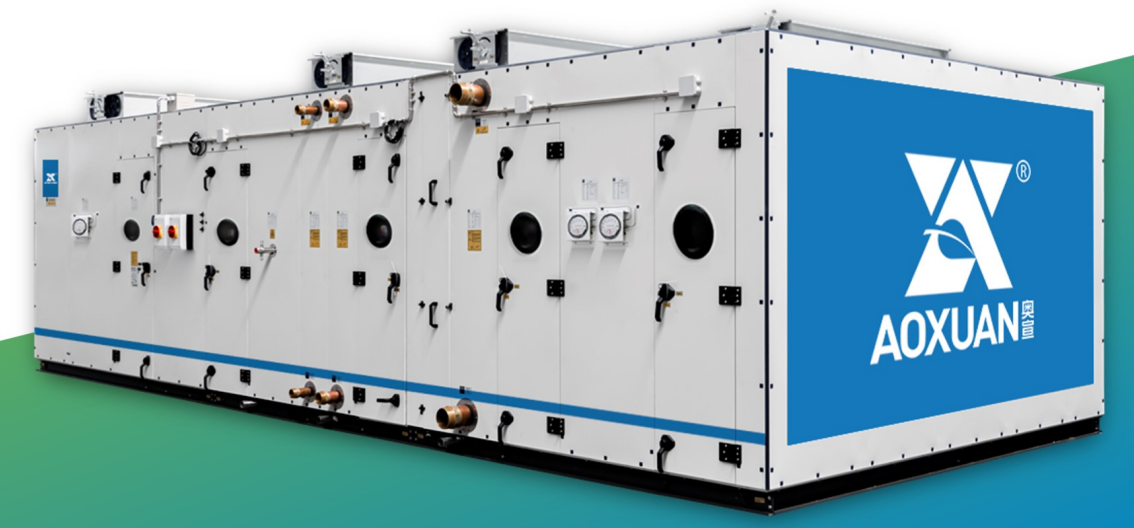
Aoxuan Intelligent Precision Air Conditioning Unit
SHANGHAI AOXUAN PURIFICATION TECHNOLOGY CO., LTD.

300mm Segment Type Countdown Traffic Light (Core Type)
Yangzhou FAMA Intelligent Equipment Co., Ltd.
Acoustic Mineral Fiber Ceiling Tile 595x595x12mm
Shanxi Pano Trading Co., Ltd
Industrial and Commercial Point-Type Gas Detector
Jinan Benan Technology Development Co., Ltd.
145kV Porcelain Column Type Sulfur Hexafluoride Circuit Breaker
TBEA ZONFA Shanghai High Voltage Switchgear Co., Ltd.