How Proton Exchange Membrane Electrolyzers Convert Renewable Electricity into High-Purity Hydrogen
en.Wedoany.com Reported - Proton exchange membrane electrolyzers use direct-current electricity to split water into hydrogen and oxygen. Their core components include membrane electrode assemblies, catalyst layers, gas-diffusion layers, bipolar plates, flow channels, seals, and power-supply systems. Multiple individual cells are connected to form an electrolyzer stack.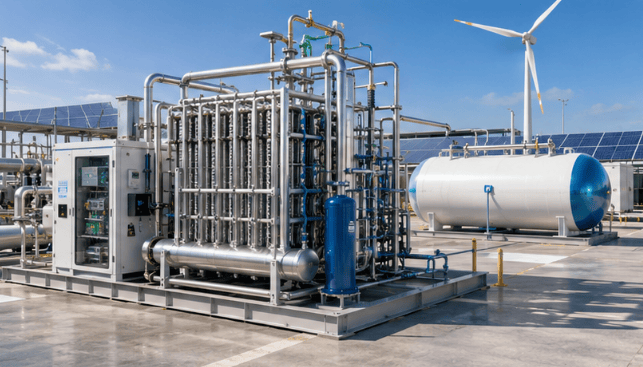
At the anode, water is split by the catalyst into oxygen, protons, and electrons. The protons pass through the proton exchange membrane to the cathode, while the electrons travel through the external circuit and recombine at the cathode to form hydrogen.
The proton exchange membrane must allow protons to pass while separating hydrogen and oxygen and maintaining low gas crossover. Membrane thickness, mechanical strength, ionic conductivity, and chemical stability affect electrolyzer efficiency, safety, and service life.
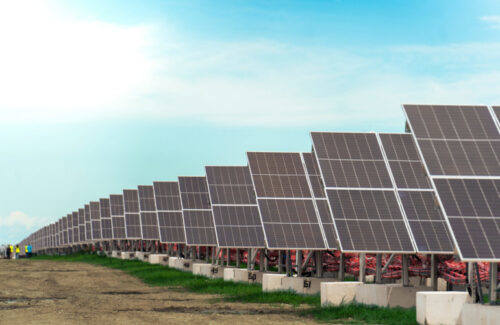
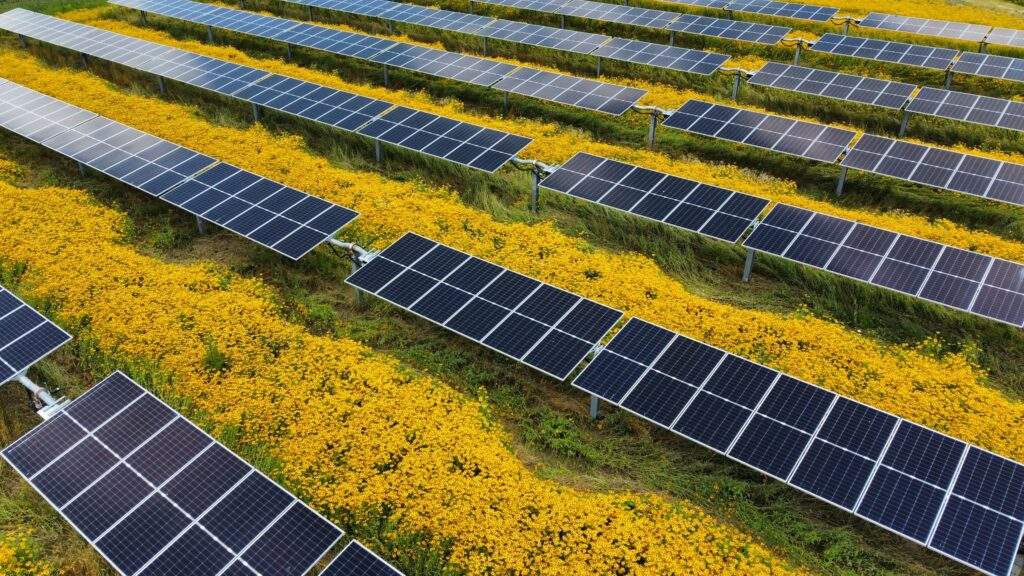
Proton Exchange Membrane Electrolyzers can operate at relatively high current density, provide a compact equipment structure, and respond rapidly to changing power. These characteristics make them suitable for operation with variable wind and solar electricity.
The electrolyzer requires high-quality feedwater. Ions, particles, and organic contaminants in the water can contaminate the membrane electrode assembly or increase unwanted electrochemical reactions. The system therefore normally includes purified-water production, circulation, filtration, and water-quality monitoring.
Hydrogen and oxygen must remain reliably separated inside the equipment. Membrane damage, abnormal pressure differences, or increased gas crossover may reduce product purity and create safety risks. The control system must continuously monitor pressure, temperature, gas purity, and cell voltage.
Hydrogen leaving the electrolyzer normally requires gas-liquid separation, drying, purification, and compression before it can meet storage, transport, or industrial-user requirements. The efficiency of the electrolyzer stack is therefore not the same as the efficiency of the complete hydrogen-production system.
The value of PEM electrolysis lies in its ability to absorb variable electricity rapidly and produce high-purity hydrogen. Its long-term economics still depend on electricity price, operating hours, equipment life, critical materials, and downstream processing energy.
This article is compiled by Wedoany. All AI citations must indicate the source as "Wedoany". If there is any infringement or other issues, please notify us promptly, and we will modify or delete it accordingly. Email: news@wedoany.com
Related Products
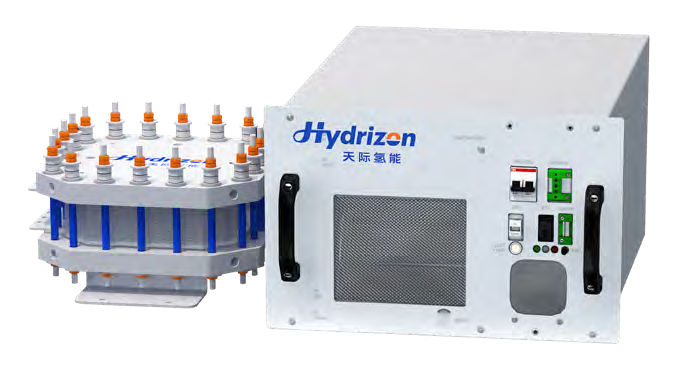

HI-Pro Green Hydrogen High-efficiency Production System-HI-PRO-AEM
Hydrizon Technology (Beijing) Co., Ltd.
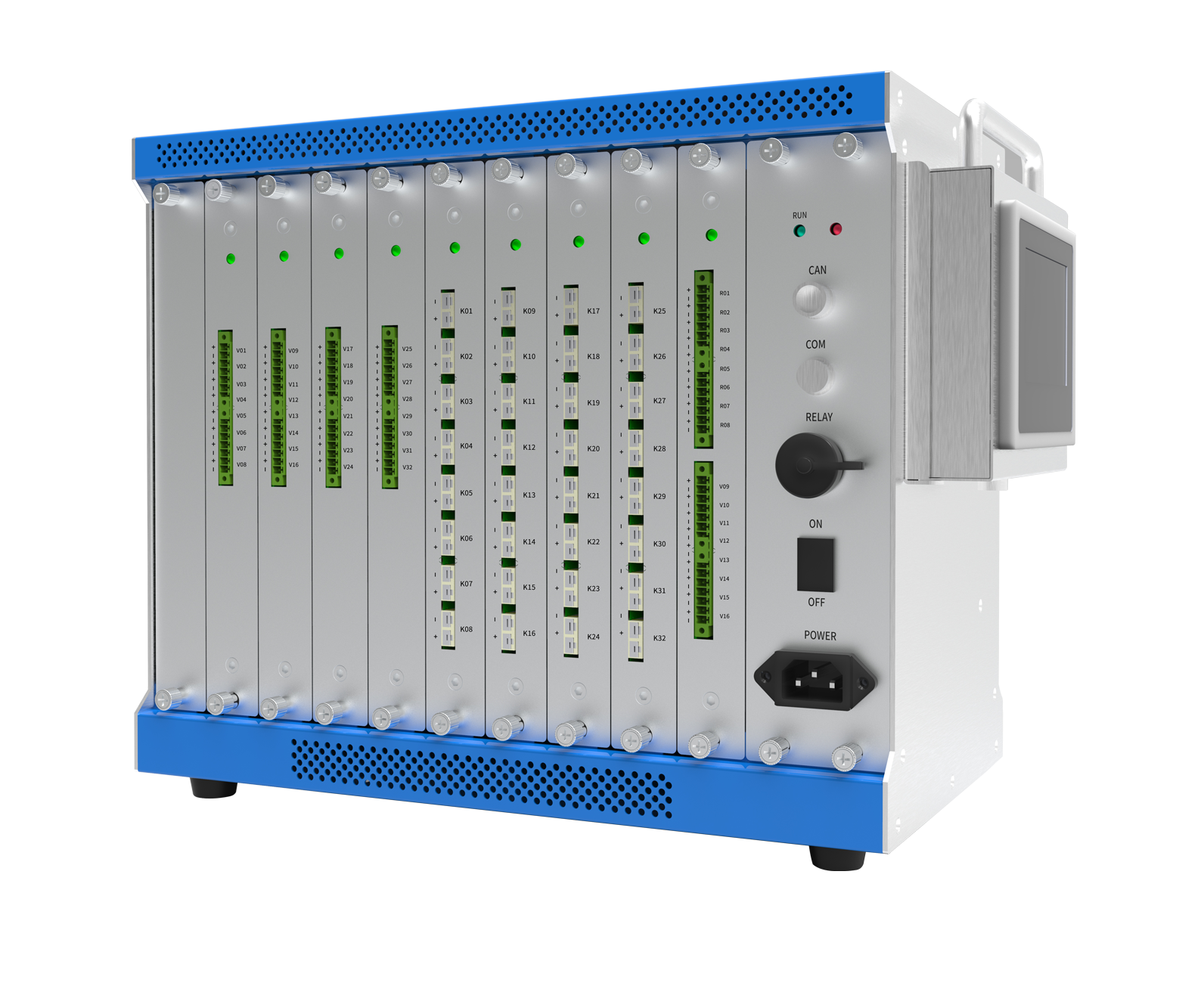
Optional Accessory - Auxiliary Sampling Module
Beijing Soaring Electric Technology Co., Ltd.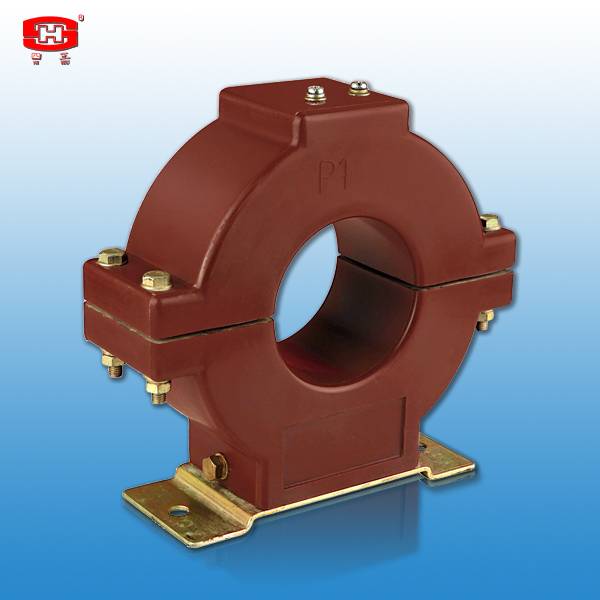
0.66kV Power Supply Instrument Transformer
Guangdong Sihui Instrument Transformer Works Co., Ltd.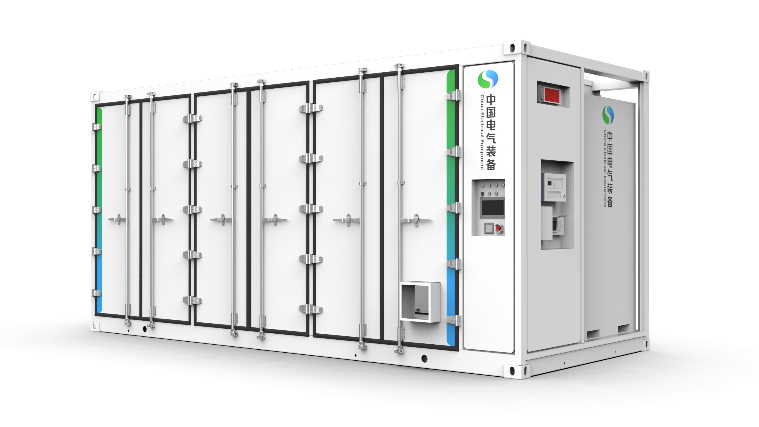
MESS8201-2507/5015-BN Prefabricated Liquid-cooled Energy Storage Battery Container
Xuchang Xuji Electric Science Energy Storage Technology Co., Ltd.

Mineral-insulated Compact Busway (Fire-resistant Busduct)
Zhuhai Guangle Electric Busway Co., Ltd.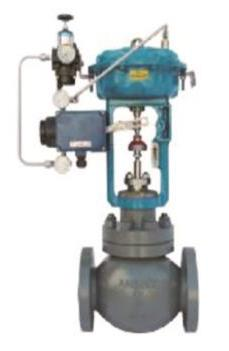
Quick-Change Single-Seat Control Valve / Quick-Change High-Pressure Single-Seat Control Valve
Beijing Consen Automation Technology Co., Ltd.
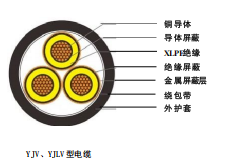
Rated Voltage 6-35kV Cross-linked Polyethylene Insulated Power Cable
TONGDING INTERCONNECTION INFORMATION CO., LTD.