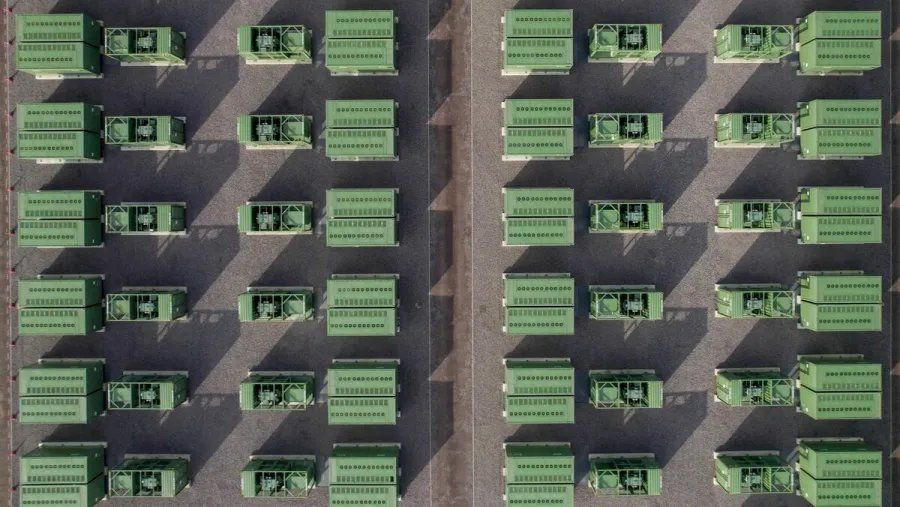
en.Wedoany.com Reported - In the United States, Sunrun, Renew Home, and Tesla have announced a cooperation agreement to provide over 16 gigawatts of flexible energy capacity to hyperscale operators and utility companies, aiming to meet the growing electricity demand from data centers by integrating residential distributed resources.
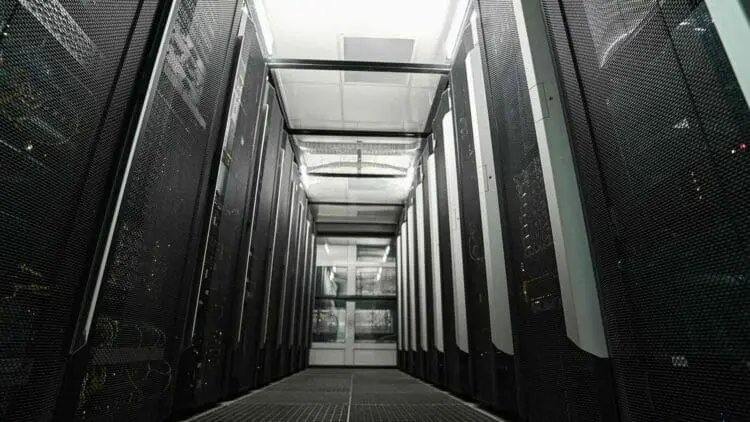
This collaboration involves three energy companies that hold advantages in different fields. Sunrun is one of the largest providers of home battery storage, solar energy, and home-to-grid power stations in the United States. Its combination of storage and generation facilities overcomes the long-standing intermittency issue in the solar industry, providing on-demand dispatchable power to help prevent outages and reduce energy costs. Renew Home focuses on connecting homes with energy suppliers, helping households save energy and earn rewards while offering cheap, reliable grid capacity at scale. Tesla Energy Operations is the division of Tesla responsible for the development, manufacturing, sales, and installation of photovoltaic solar power systems.
The agreement creates an organizational structure that integrates millions of existing demand-side and energy output devices across states nationwide into local turnkey solutions, and will be deployed within a month. The dispatchable capacity comes from thousands of home battery systems operated by Sunrun and Tesla, as well as peak flexible capacity provided by over 8 million smart thermostats and devices managed by Renew Home. This framework, known as "Capacity as a Solution," aims to increase the duration and depth of available capacity on the existing grid by removing transmission capacity and reducing distribution grid infrastructure congestion.
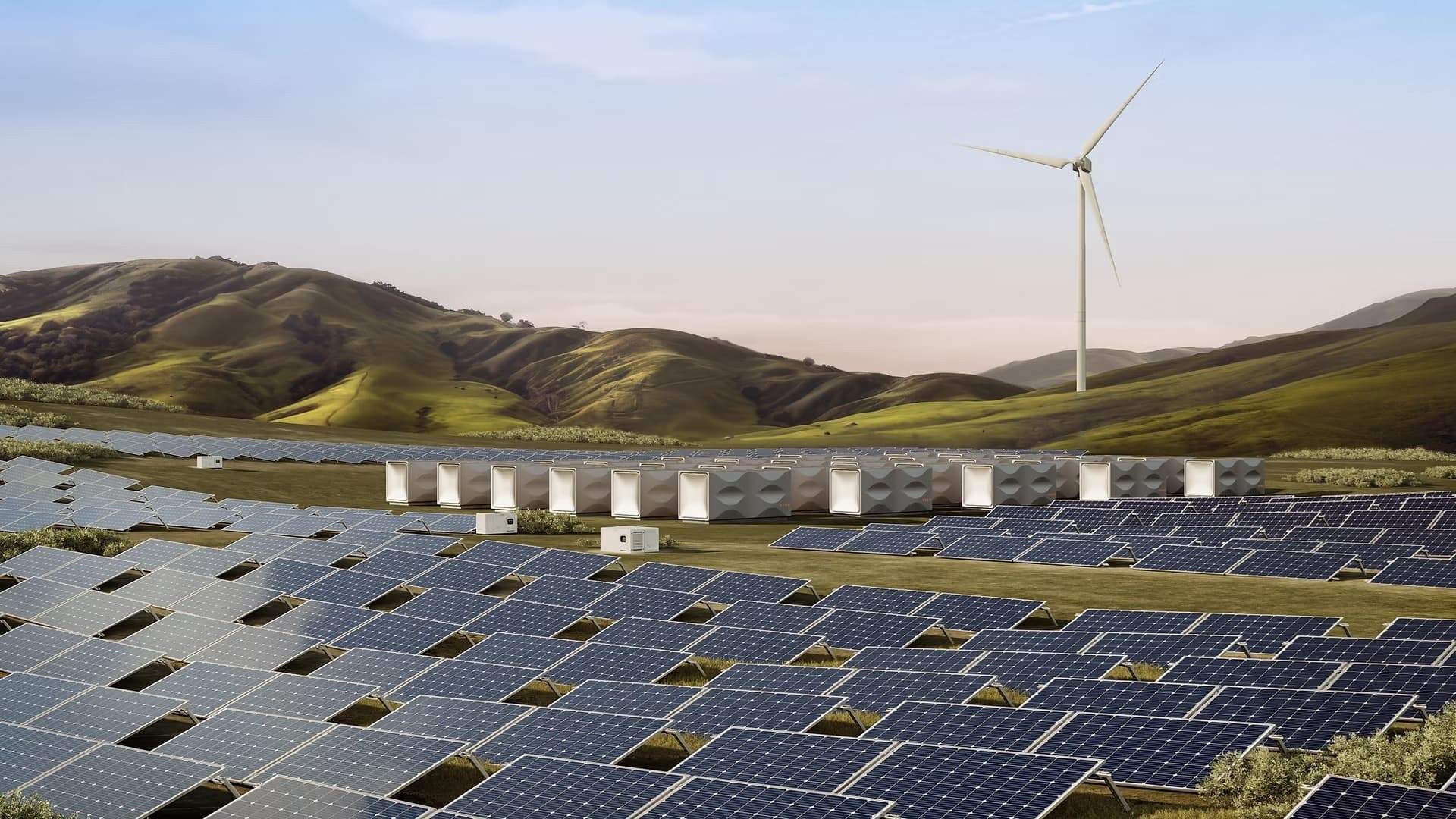
These three entities will form the largest distributed power plant in the United States, capable of injecting net new electrons into the grid through home batteries combined with solar power generation. If other major players continue to advance in this tripartite cooperation model, the United States could eventually become the world's leading solar producer, but for now, China remains ahead. Given the electricity demand of data centers, the grid developed in the 19th century is insufficient to support innovations in 2026. This collaboration ensures continuous power availability by integrating distributed resources, rather than simply generating electricity.
Related Products
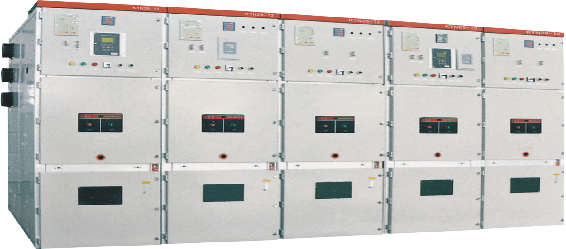

KYN28-12/24 Indoor High-Voltage Metal-Clad Removable Switchgear
Shenzhen Zhaoyang Hui Technology Co., Ltd.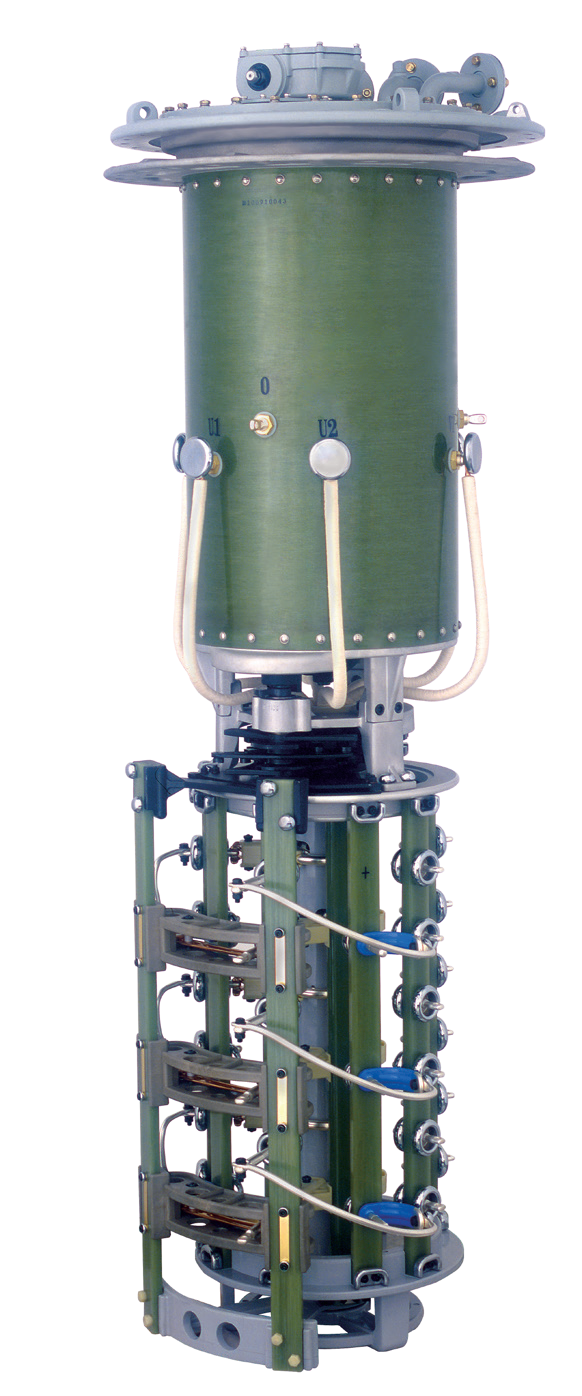


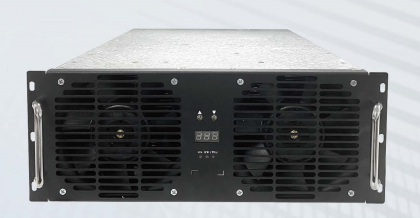
80kW Megawatt Supercharging Module TH80F10030C9
Shijiazhuang Tonhe Electronics Technologies Co., Ltd.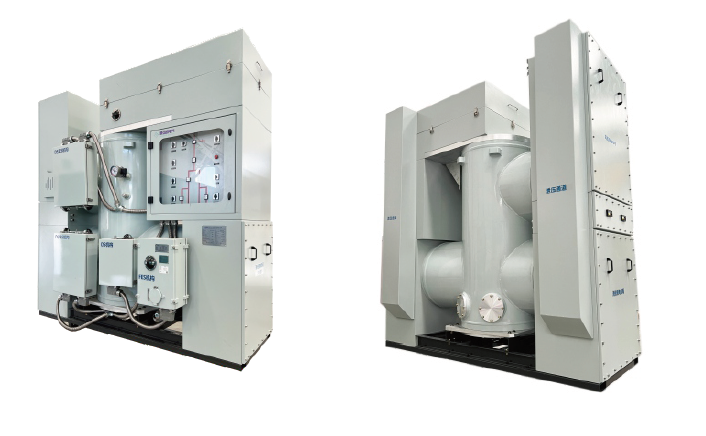
72.5kV 1250A 31.5kA SF6 free Gas-insulated Metal-enclosed Switchgear
Zhejiang Juhonkia Intelligent Electric Co., Ltd.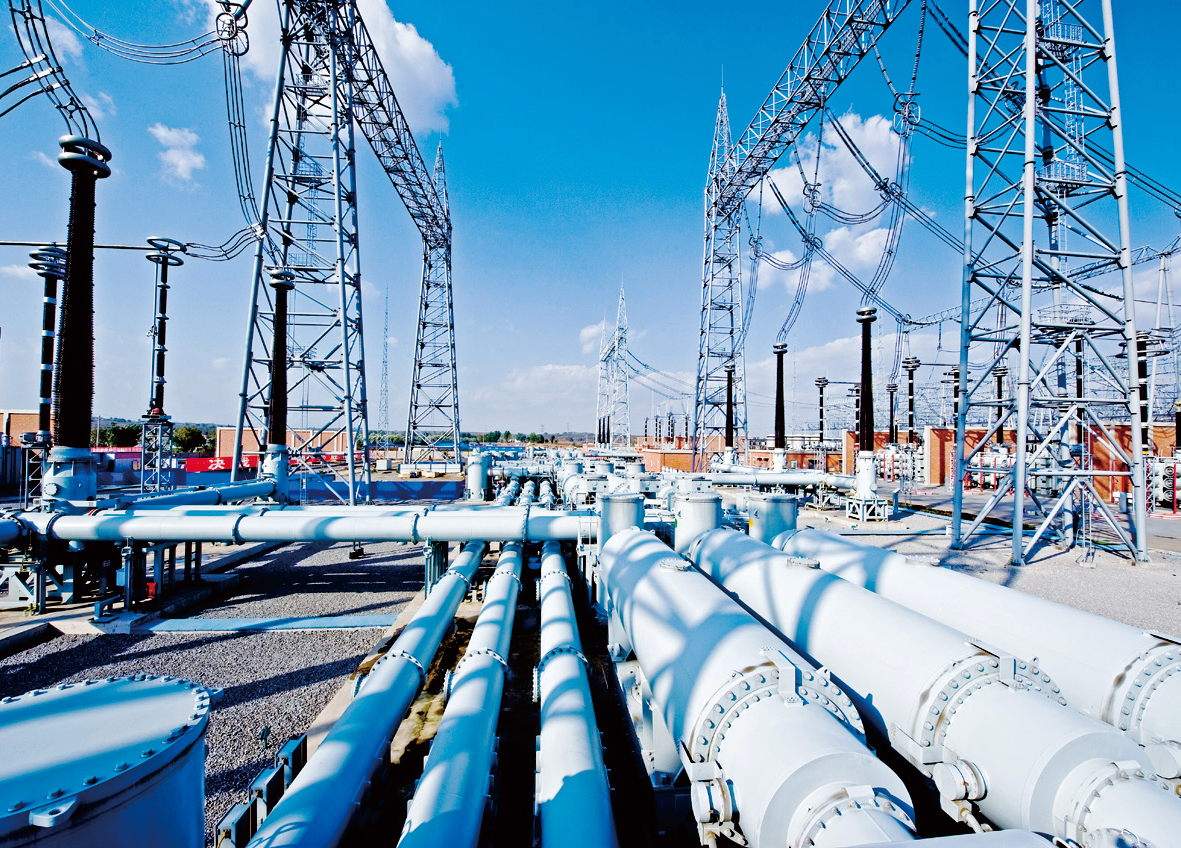
40.5kV-1100kV Gas Insulated Metal-Enclosed Switchgear (GIS)
Henan Pinggao Electric Co., Ltd.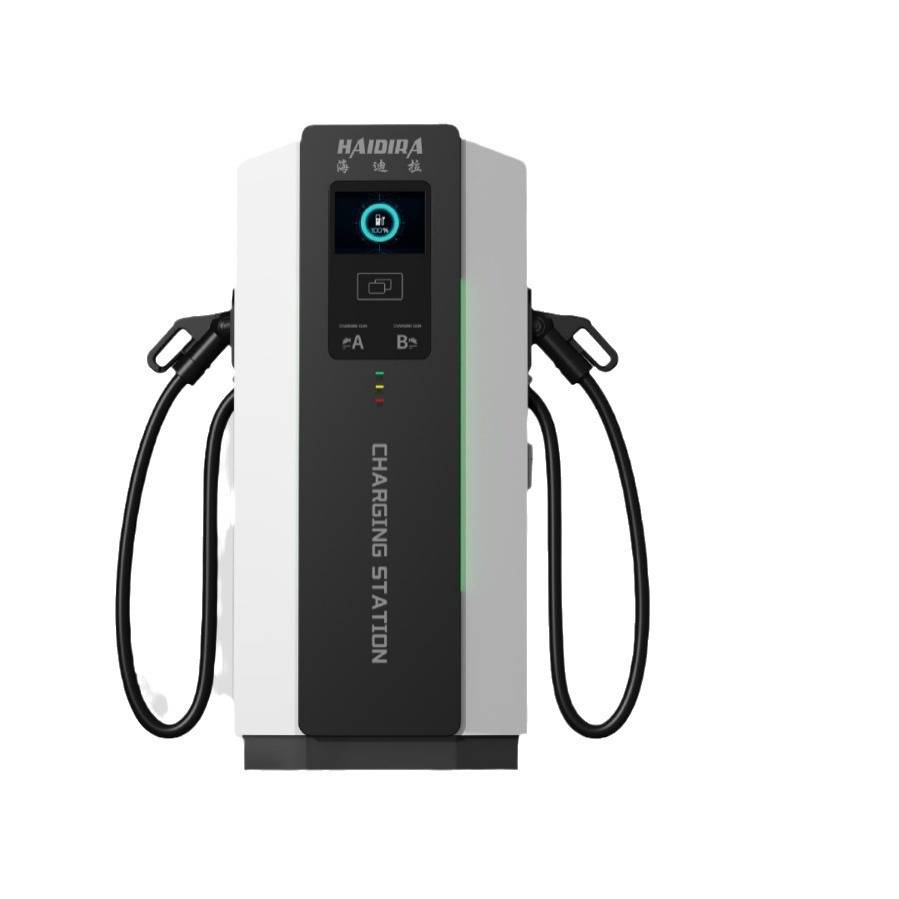
Manufacturer Direct Sales Tesla New Energy Electric Vehicle Universal DC 180kW Dual-gun Charging Pile Commercial Fast Charger
Anhui Haidira Electric Technology Co., Ltd.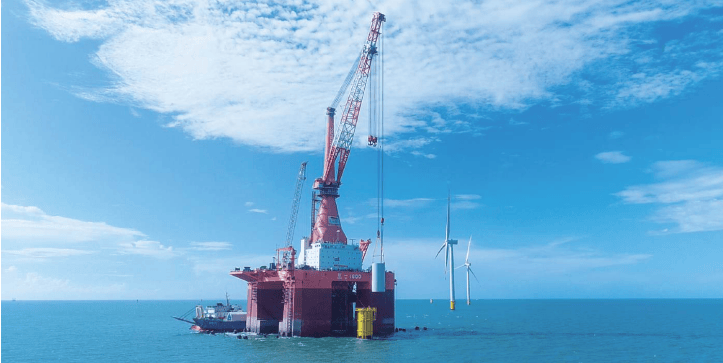
"Shunyi 1600" Deep-submerging Bottom-sitting Multi-functional Wind Power Engineering Vessel
Zhengli Offshore Engineering Co., Ltd.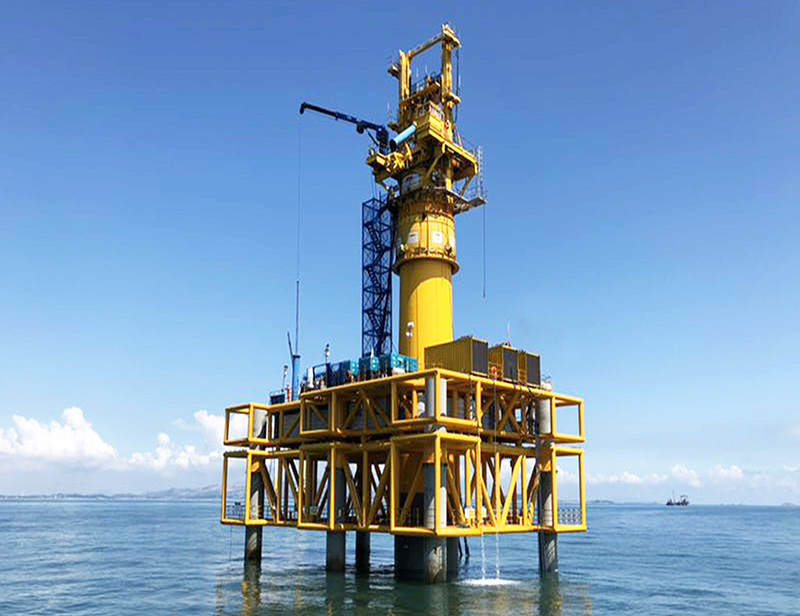
CITIC Heavy Industries Offshore Wind Power Equipment Hydraulic Pile Hammer
CITIC Heavy Industries Co., Ltd.