en.Wedoany.com Reported - The latest market analysis released by Future Market Insights shows that the global thermal insulation market is entering a value-driven growth phase. In 2025, the market size is $78.9 billion, expected to reach $83.3 billion by the end of 2026, and then expand at a compound annual growth rate (CAGR) of 5.6%, reaching $143.7 billion by 2036. Market growth is driven by industrial modernization, infrastructure development, and increasingly stringent energy efficiency standards, which are reshaping procurement strategies in construction, automotive, oil and gas, and manufacturing sectors.
Market expansion is shifting from volume-based procurement to application-specific insulation solutions that prioritize thermal performance, compliance, lifecycle efficiency, and supply chain resilience. Plastic foam insulation is expected to maintain market leadership, accounting for 36.0% of product share; cryogenic insulation will account for 46.0% of temperature range demand, reflecting its widespread adoption in mature industrial and commercial applications.
The strongest regional growth remains in Asia, led by China and India, where industrial expansion and government-supported infrastructure investments continue to accelerate demand. China is expected to record the highest CAGR of 7.6% among major markets, followed by India at 7.0%, and South Korea at 5.2%. Mature markets such as North America and Europe are driven by sustainability regulations, high-standard building codes, and performance-based procurement, with the United States expected to grow at 5.0%, Germany at 4.8%, and Japan at 4.6%.
Technological innovation is becoming a key competitive differentiator, with manufacturers investing in advanced foam technologies, mineral wool production, lightweight composite insulation systems, and manufacturing efficiency improvements. Digital procurement platforms and higher supply chain traceability are also influencing purchasing behavior, as buyers shift from initial cost-based procurement to lifecycle performance-based application-specific procurement.
Raw material price fluctuations, energy cost volatility, and supply chain disruptions are putting pressure on industry profits. Regulatory compliance also poses challenges, as environmental standards, certification requirements, and varying regional building codes increase product development costs, but simultaneously strengthen the position of established manufacturers with integrated production infrastructure and broad geographic coverage.
The competitive landscape increasingly favors manufacturers that can combine production scale, technical expertise, geographic diversification, and compliance. Industry leaders include Owens Corning, Saint-Gobain, Kingspan Group, Rockwool International, BASF SE, Huntsman Corporation, and Knauf Insulation. In terms of recent strategic investments, Saint-Gobain began construction of its fifth mineral wool insulation production line in Chennai, India in 2025; Kingspan Group added manufacturing facilities in the United States, Germany, Australia, New Zealand, and other locations, and launched a new K-Roc mineral wool production line in Illinois. These investments reflect the industry's efforts to enhance production efficiency and customer responsiveness while localizing supply chains.
Related Products


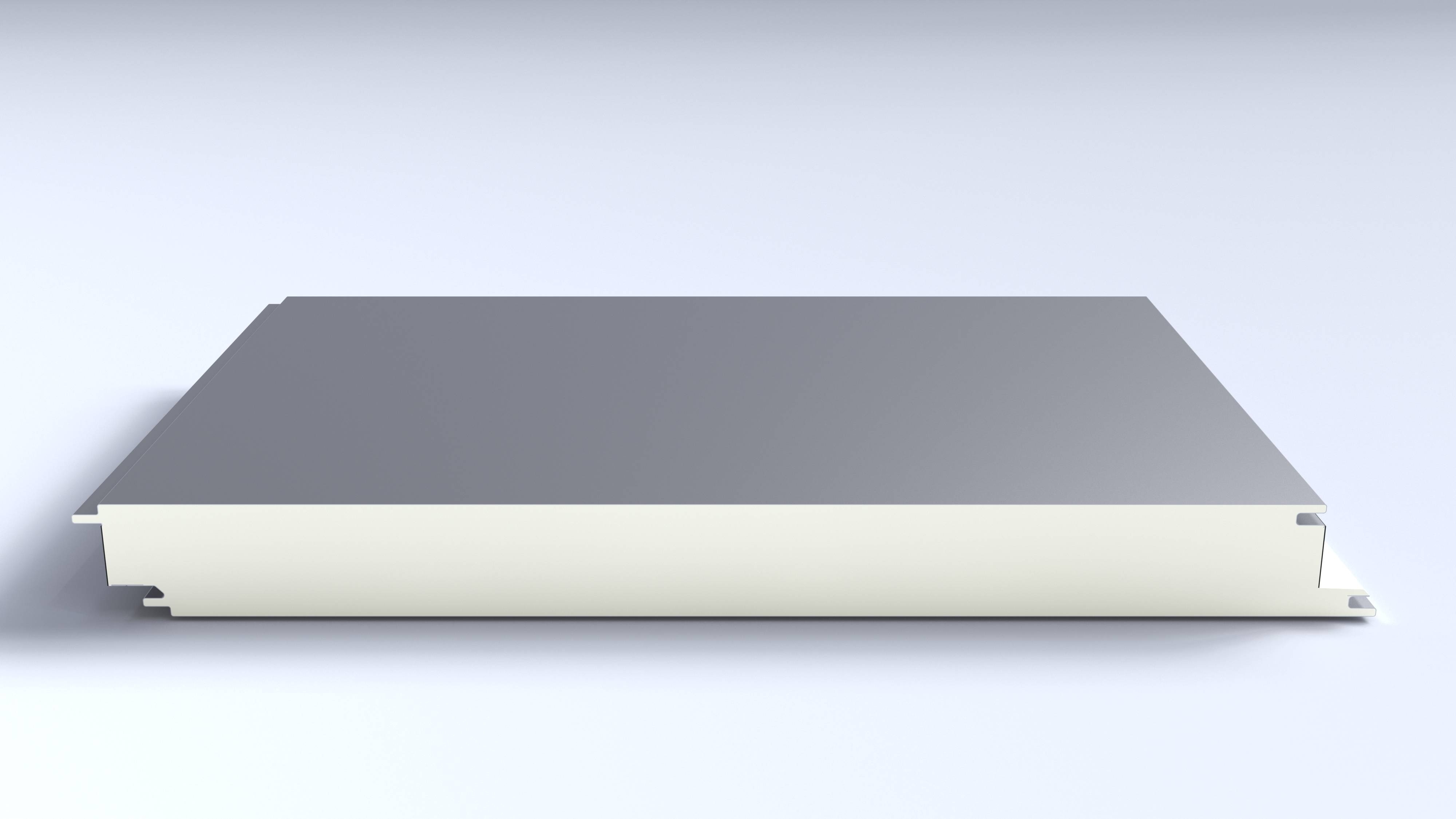
Pure Polyurethane Wall Panel BD-AEF-PIR-01
Baodu International Engineering Technology Co., Ltd.
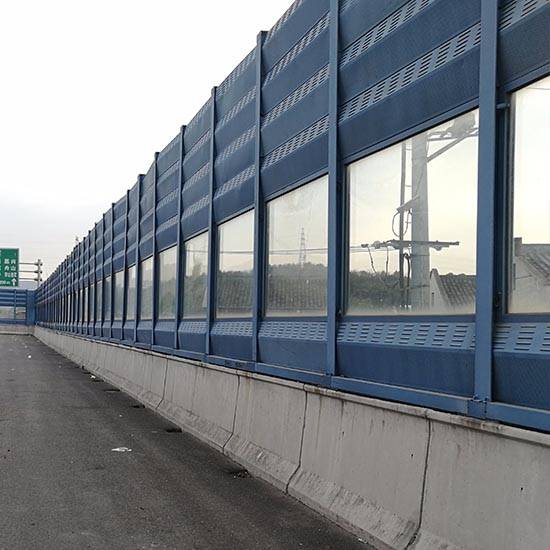
Metal sound barriers that can reduce the transmission of road noise
Hebei Jinbiao Construction Materials Tech Corp., Ltd.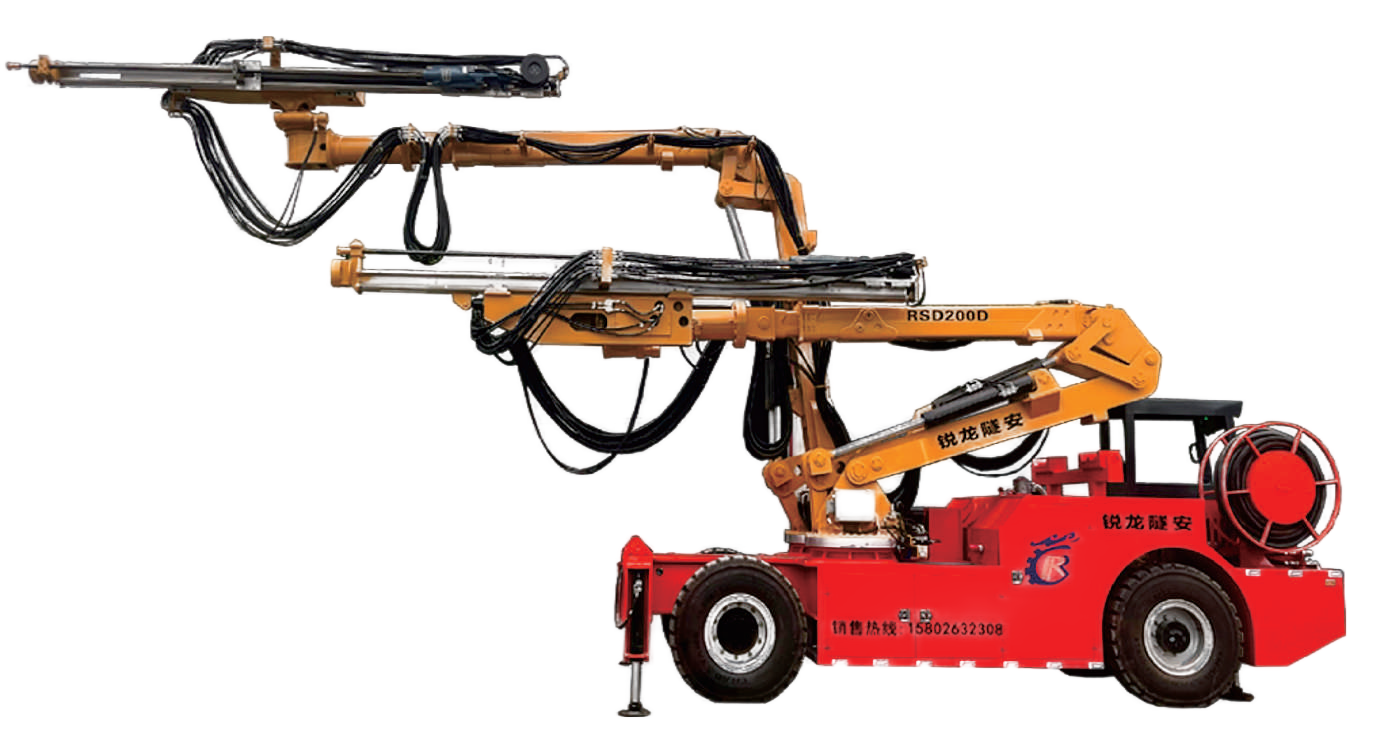
Dual-curved Arm Rock Drilling Trolley RSD200D
Chengdu Ruilong Machinery Manufacturing Co., Ltd.
Ultra-Pure Ferrite Stainless Steel Products
Gansu JISCO Group Hongxing Iron and Steel Co., Ltd.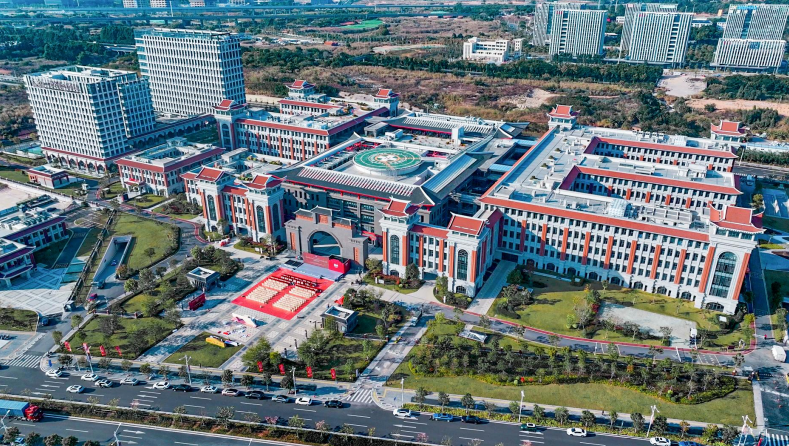
West China Xiamen Hospital of Sichuan University
Wuhan Huakang Century Clean Technology Co., Ltd.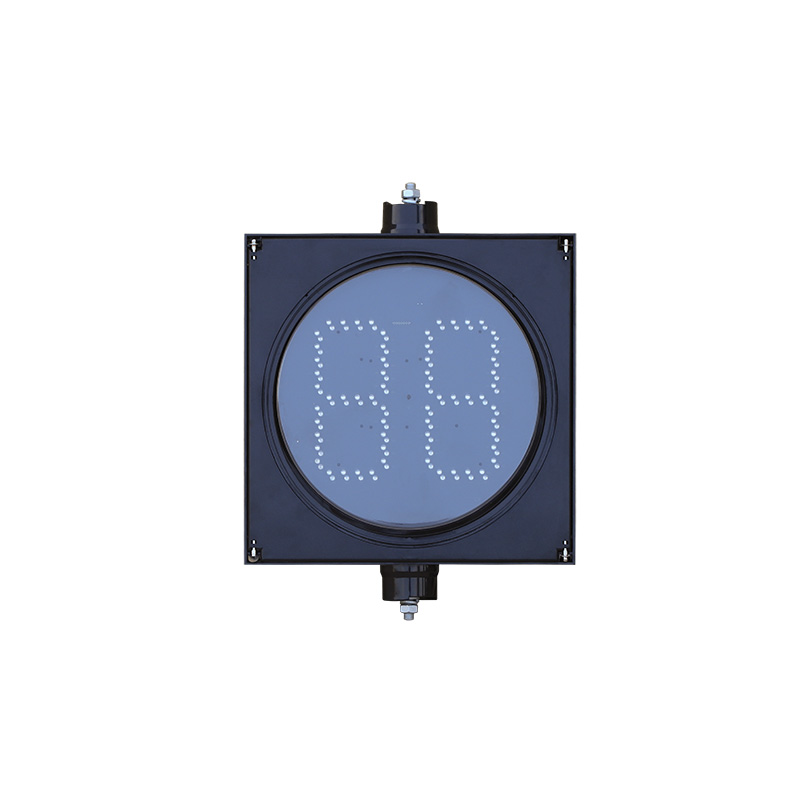
300mm Segment Type Countdown Traffic Light (Core Type)
Yangzhou FAMA Intelligent Equipment Co., Ltd.