en.Wedoany.com Reported - Although gold is favored by investors, it is not essential for industry—especially the artificial intelligence economy. In contrast, tin, tantalum, and indium, known as "computing metals," are relatively niche but critical to economic growth and technological development, and their supply situation is becoming strained.
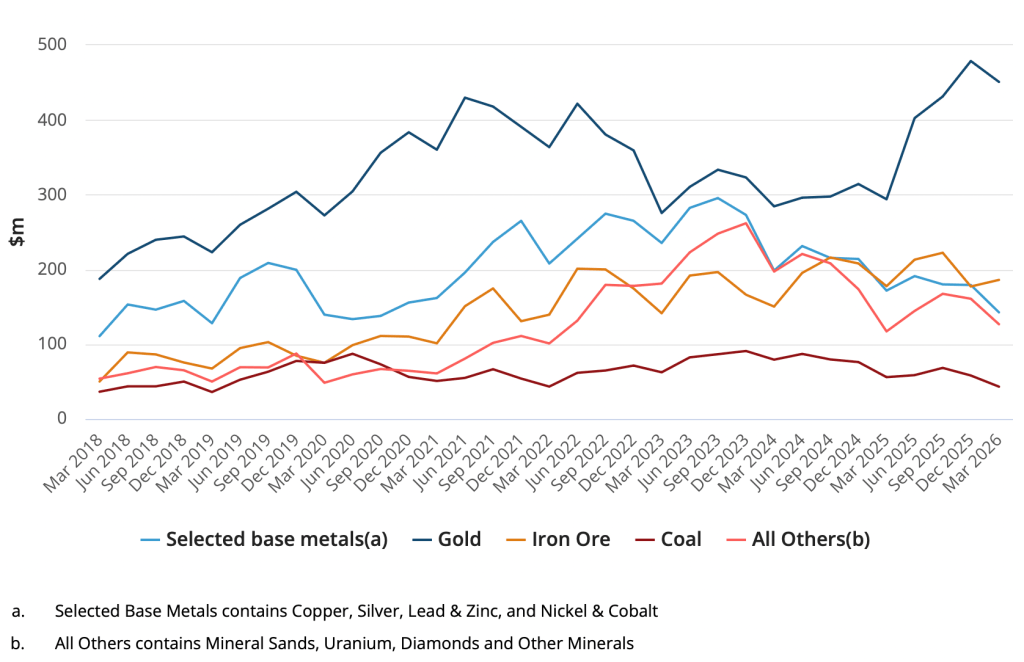
Exploration data from the Australian Bureau of Statistics shows that gold has maintained a leading position in mineral exploration investment for seven consecutive years. In 2024 and 2025, gold prices experienced strong gains, and gold mine production hit a record in 2025. However, gold's appeal does not directly serve the current industrial demand centered on artificial intelligence.
U.S. hyperscalers are making massive capital expenditures, which directly translate into strong cash flows for chip manufacturers, marking an unprecedented historical moment for the mining industry.
Critical mineral developers are currently pressed for time and ill-prepared. According to MooMoo reports, "tin, tantalum, and indium are most closely linked to the AI computing industry." Multiple market data points show that tin prices have risen from 300,000 yuan per tonne (approximately $63,868) in November 2025 to around 400,000 yuan currently, a cumulative increase of 40% over the past six months. Since the end of 2025, tantalum ingot prices have surged by up to 158%; indium prices have risen about 60% from the start of 2026 to mid-June.
This trend is already evident on the Australian Securities Exchange (ASX). The share price of Metals X (ASX:MLX), Australia's only listed pure tin producer, rose from approximately A$0.45 per share in July 2024 to a high of A$1.77 per share in May 2026, a gain of 293%.
Investors are also competing to acquire tin developer Elementos (ASX:ELT).
Its share price has risen 265% over the past year, despite the company not yet starting production. Elementos has also received a strategic investment from fund manager L1 Capital. Tech Wire Asia reports that every discussion about AI demand ultimately lands on GPUs, electricity, cooling, and land, but tin is rarely mentioned. However, without tin, servers running AI workloads cannot be built, and its supply situation is rapidly becoming complex.
Indium is another important metal for AI, classified as a critical mineral by the European Union and the United States. The problem is that indium is typically produced as a byproduct of other metals. This means the primary metal supporting a project must have sufficient commercial value, or indium supply will dry up.
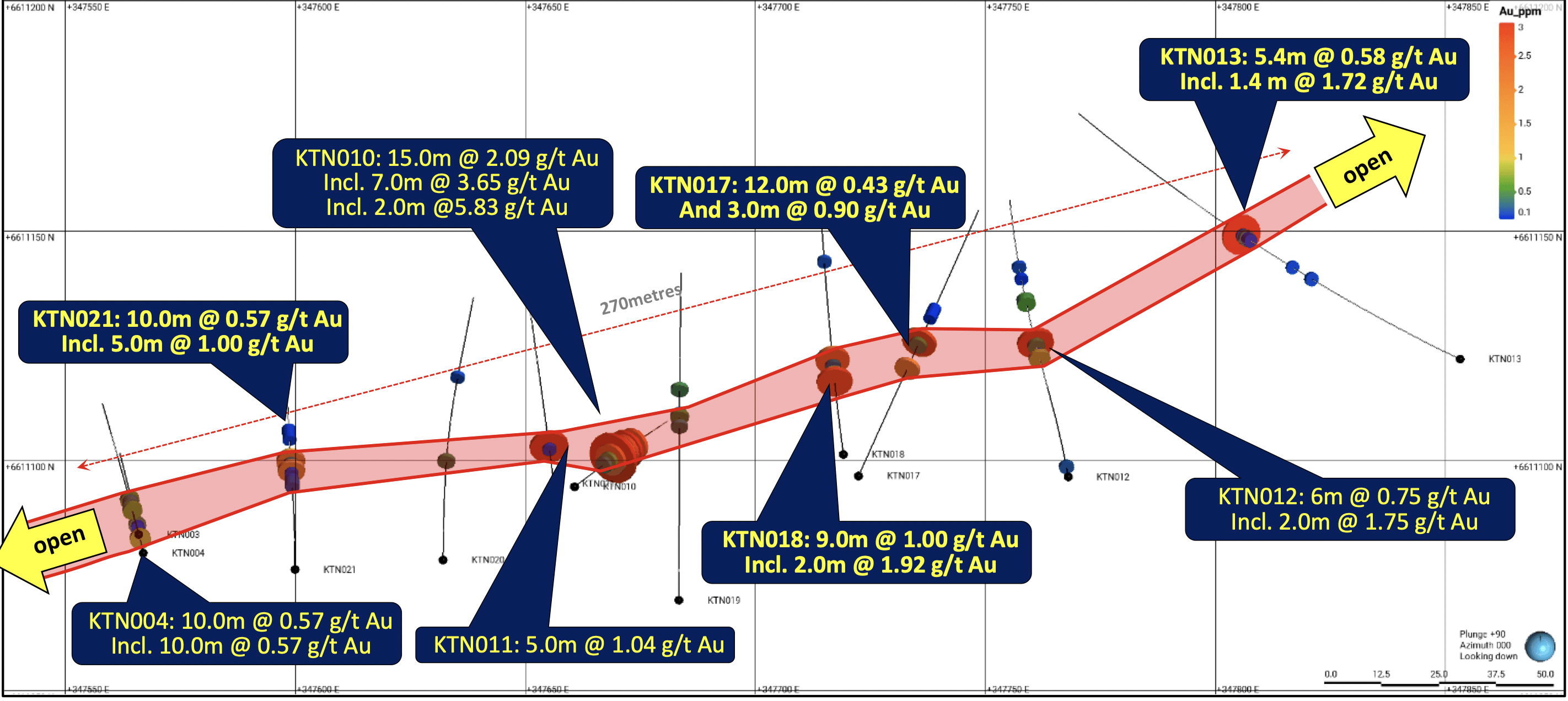
Last year, the Queensland Investment Corporation (QIC) provided financial support to ASX-listed indium developer Iltani Resources (ASX:ILT). Iltani holds the Orient Silver-Indium Project in northern Queensland, a mineral-rich region. In May 2026, ILT updated the market that it was actively drilling its exploration targets. Managing Director Donald Garner said on June 11: "Given this high level of activity, and with approximately two more months of drilling to complete, we expect a steady flow of results over the coming months as we work to close the gap between Orient East and Orient West, extend mineralization along strike, and improve grade and confidence."
Tantalum is another critical mineral, primarily used in capacitors to help AI chips and circuit boards regulate power and electrical noise. Similar to indium, tantalum is often a byproduct of other metals (typically lithium in Australia). Currently, 65% of tantalum supply comes from the Democratic Republic of the Congo (DRC) and Rwanda. Tantalum prices have also risen significantly in 2026.
PMET Resources (ASX:PMET) holds one of North America's largest lithium deposits in eastern Canada. The company expects tantalum demand to double over the next decade and describes its deposit as "an extremely rare lithium-cesium-tantalum (LCT) pegmatite deposit—concentrating all three LCT components in terms of scale and grade." Although PMET will not be in production for several years, global market demand for tantalum remains strong in the near term.