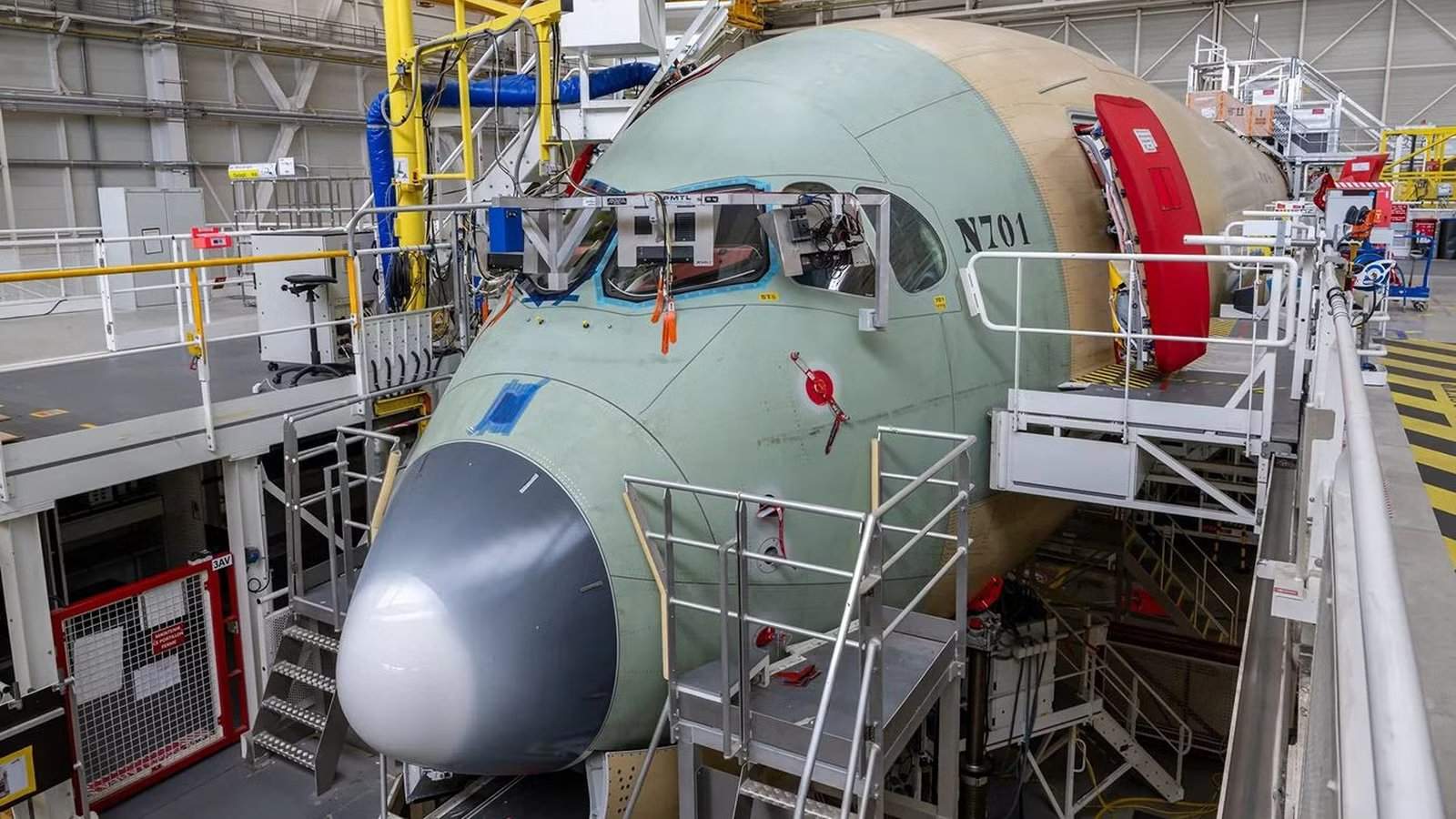
VietJet Air Applies for AOC in Australia, Plans to Establish Airline with 10 Aircraft
en.Wedoany.com Reported - VietJet Air has taken the first regulatory step by formally applying for an Air Operator Certificate (AOC) from Australian regulators, aiming to challenge existing operators on domestic Australian routes.
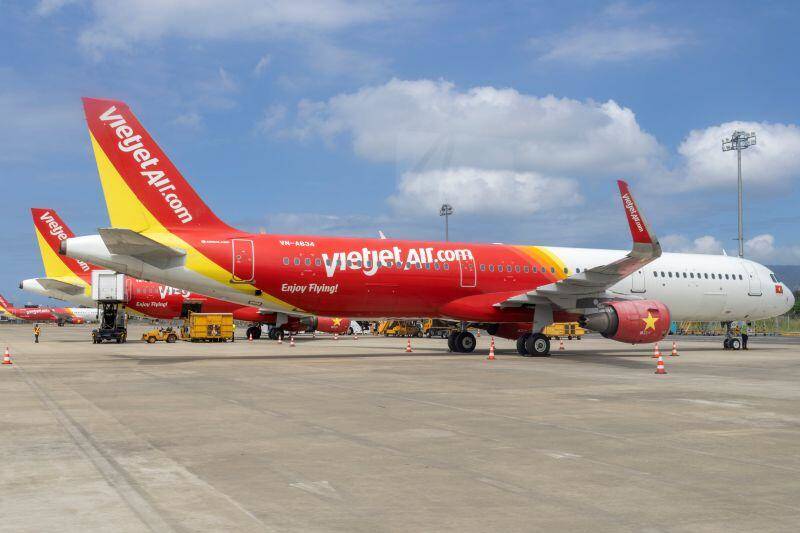
There have long been rumors in the industry that VietJet Air is interested in a startup airline in Australia. The Australian Financial Review reported on June 29 that VietJet Air has submitted an AOC application to Australian regulators. The Civil Aviation Safety Authority (CASA), when asked by Aviation Week, declined to comment on the airline's business plans. VietJet Air did not respond to requests for comment, but industry sources confirmed the content of the report.
Earlier, the Analytic Flyer website reported that an unnamed airline had secured slot allocations at Sydney Airport for the upcoming Northern Hemisphere winter season. It is now known that this airline is VietJet Air. The startup still needs to obtain an AOC before utilizing these slots. CASA's review of AOC applications typically takes 6 to 12 months, during which technical, safety, and financial feasibility factors will be assessed.
Unlike many countries, Australia's ownership laws are relatively relaxed, allowing foreign entities to establish and own airlines operating domestically. According to the Australian Financial Review, VietJet Air plans to initially deploy 10 Boeing 737 aircraft. Based on information from Analytic Flyer, the slots obtained at Sydney Airport are sufficient to operate 7 daily round-trip services using 737 aircraft.
VietJet Air has ordered 188 Airbus narrowbody aircraft and 151 Boeing narrowbody aircraft. The airline had previously allocated another 50 Boeing narrowbody orders to its subsidiary Thai VietJet, with 39 remaining for delivery. VietJet Air also has a subsidiary in Kazakhstan. Currently, VietJet Air operates international routes from Vietnam to Brisbane, Melbourne, Perth, and Sydney in Australia. The Australian market also has two other proposed startup airlines—Zinc and Koala Airlines—but their launch timelines remain unclear.
Related Products





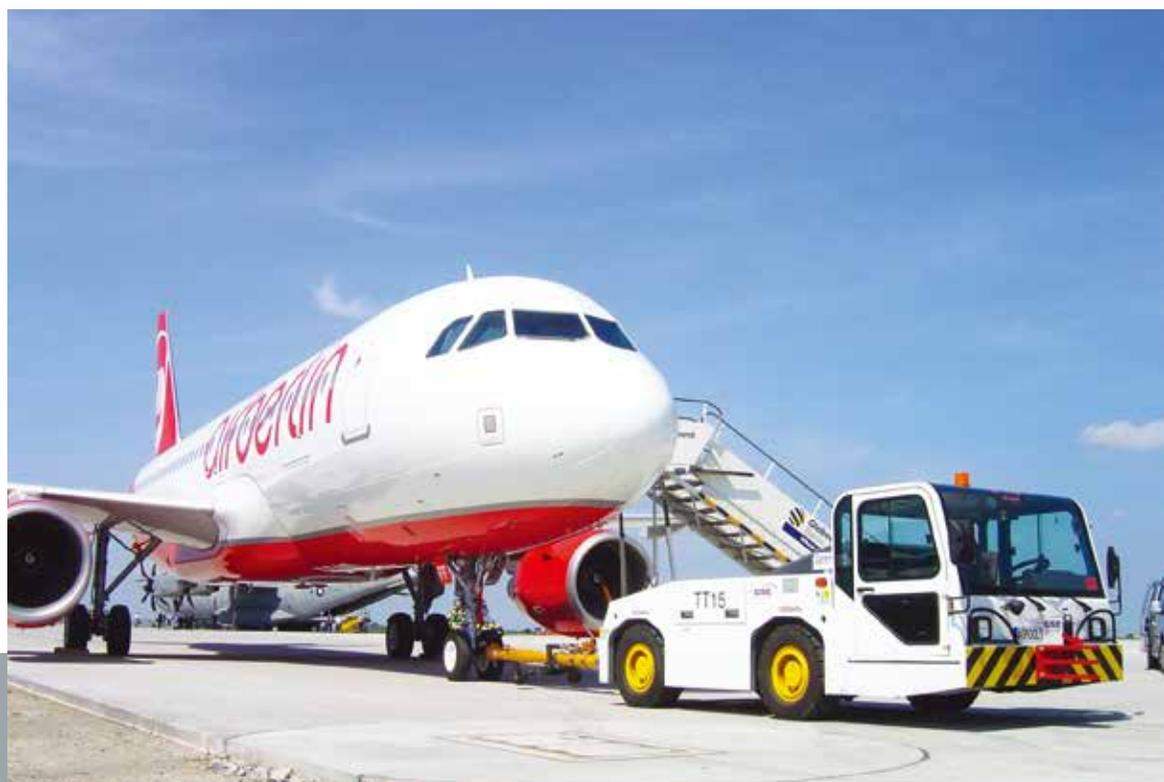
WGQY Series Aircraft Tow Tractor-WGQY15, WGQY27
Weihai Guangtai Airport Equipment Co., Ltd.

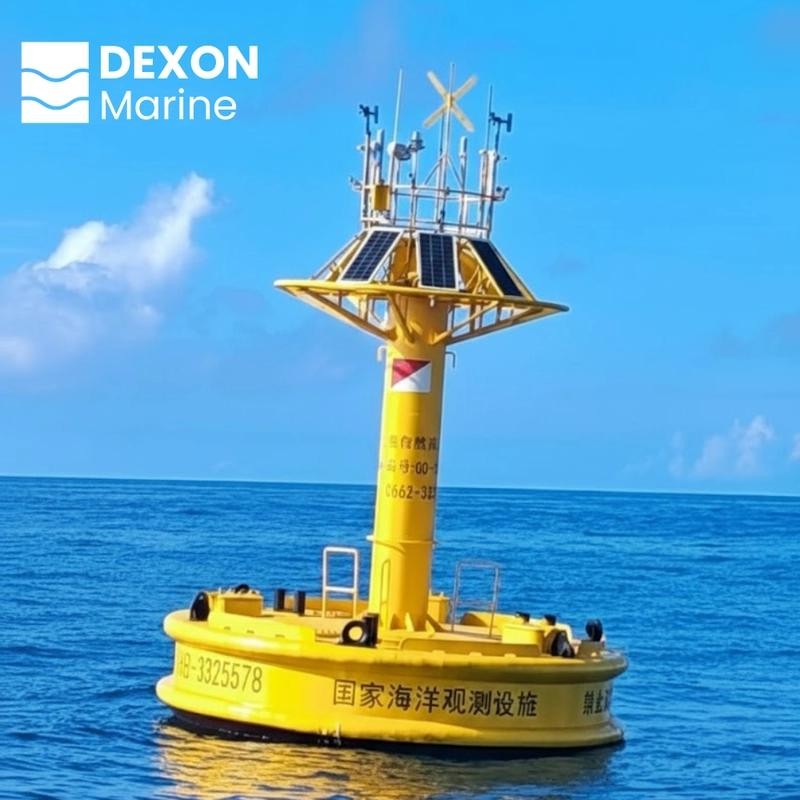
3m intelligent buoy combining navigation safety and real-time marine monitoring integrated navigation and marine monitoring system for real-time maritime data
Chengdu Dixin Technology Co., Ltd.