Dong Nai City Accelerates Construction of Border Gate Economic Zone
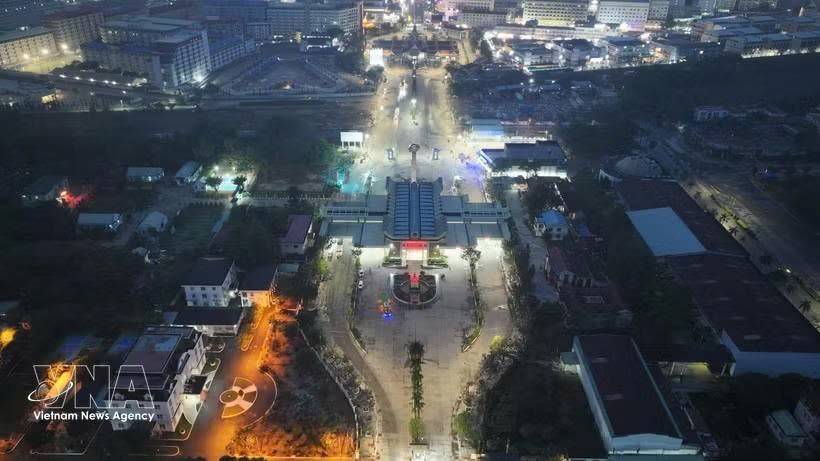
en.Wedoany.com Reported - Vietnam's Dong Nai City is accelerating the development of its border areas, with a focus on upgrading transport infrastructure and transforming the border gate economic zone. The city shares approximately 259 kilometers of border with Cambodia and boasts an active system of border gates and crossings, including the Hoa Lu International Border Gate.
By addressing inefficient projects and promoting border trade and service industries, Dong Nai City is gradually reducing its reliance on agriculture, laying the foundation for comprehensive development in eight border communes. Currently, the border area has established 16 border guard stations, the Hoa Lu International Border Gate Economic Zone, two provincial-level border gates at Hoang Dieu and Loc Thanh, the Tan Tien local border gate, and the Loc Tinh border crossing. These areas are home to over 145,000 people, with agriculture, forestry, and fisheries accounting for more than 60% of the economic structure, trade and services over 20%, and industry and construction less than 15%.
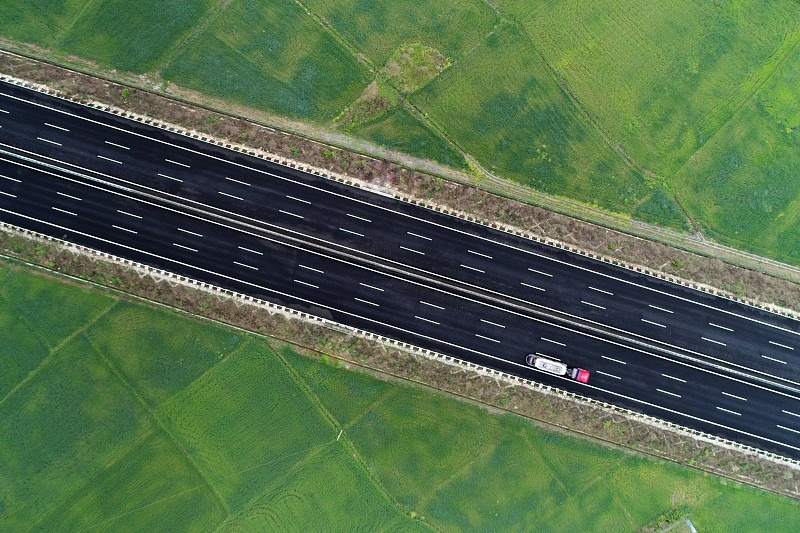
For particularly disadvantaged border communes, Dong Nai City plans to tap into local potential to promote poverty reduction and narrow living standard gaps, while developing border gate areas in line with the government's border gate system planning direction. The city also plans to build a border ring road, connecting it to the Hoa Lu International Border Gate, Mu Bai International Border Gate, and border ring roads in provinces such as Tay Ninh and Lam Dong. This aims to form an international logistics transport economic corridor along National Highway 13, Expressway 30, and the Trans-Asian Railway, linking the Hoa Lu Border Gate with Long Thanh Airport and the Cai Mep-Thi Vai Port.
Bu Gia Map Commune is a border district adjacent to Cambodia, with a 45-kilometer border and four frontline border guard stations. It remains one of the most difficult areas in Dong Nai City, with 75% of the population being ethnic minorities, a high poverty rate, and limited livelihood infrastructure. To address these challenges, the commune is utilizing land funds and forest resources from Bu Gia Map National Park to develop economic and eco-tourism, while focusing on clean organic agriculture, applying digital technologies, and adjusting crop and livestock structures. Natural forest landscapes and local cultural resources such as bamboo-tube wine, brocade weaving, and gongs are considered foundations for creating eco-cultural tourism products.
In recent years, digital infrastructure in border communes has progressed, with fiber optic networks covering villages and 3G, 4G, and 5G mobile networks achieving full coverage. This infrastructure has created conditions for optimizing online public services and shortening administrative procedures, while providing a foundation for applying technology to production and sales, developing the digital economy through e-commerce channels, and bringing border-specific products to broader markets.
Related Products
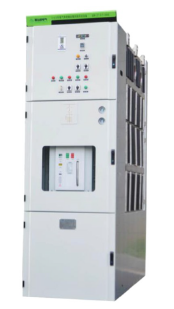

GSR6-27.5kV SF6 Free Gas-insulated Metal-enclosed Switchgear
Zhejiang Juhonkia Intelligent Electric Co., Ltd.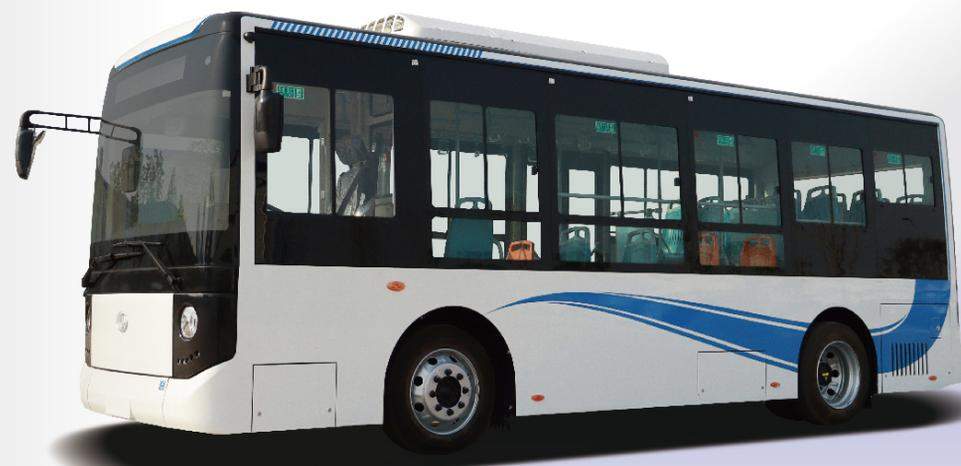
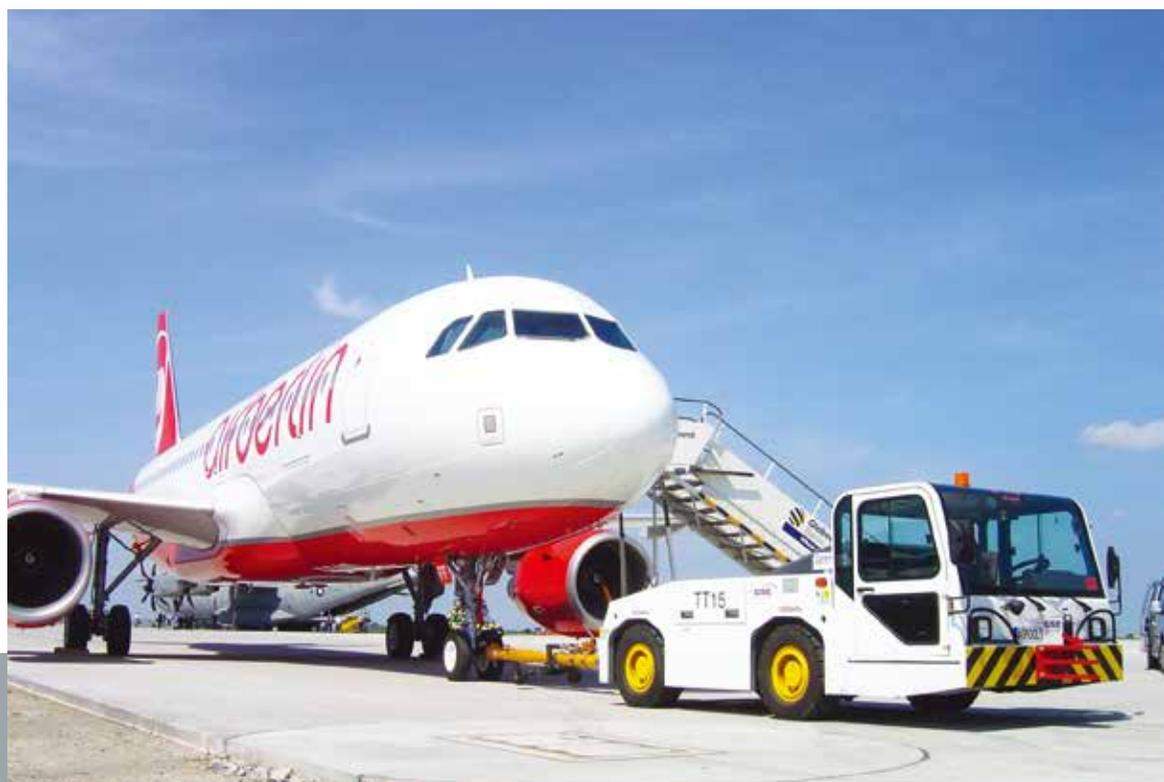
WGQY Series Aircraft Tow Tractor-WGQY15, WGQY27
Weihai Guangtai Airport Equipment Co., Ltd.
Wheel and Track Technology Business
Beijing Research & Design Institute of Rubber Industry Co., Ltd.
China - Alashankou/Khorgos - Europe Full Range Transportation (Mala/Hamburg/Duisburg/Budapest, etc.)
Shenzhen Neptune Logistics Co., Ltd.


3m intelligent buoy combining navigation safety and real-time marine monitoring integrated navigation and marine monitoring system for real-time maritime data
Chengdu Dixin Technology Co., Ltd.