Peru's MTC Promotes Railway Projects Worth Over $5.376 Billion
en.Wedoany.com Reported - The Ministry of Transport and Communications (MTC) of Peru, through the General Directorate of Transport Projects and Planning, presented the Chinchero–Cusco Railway and the Imata–Espinar–Cotabambas Railway projects during a roadshow titled "Cusco on Rails: Investment Opportunities in Railway Development," aiming to attract strategic partners for the formulation of engineering studies and to promote the construction of key infrastructure in the southern region.
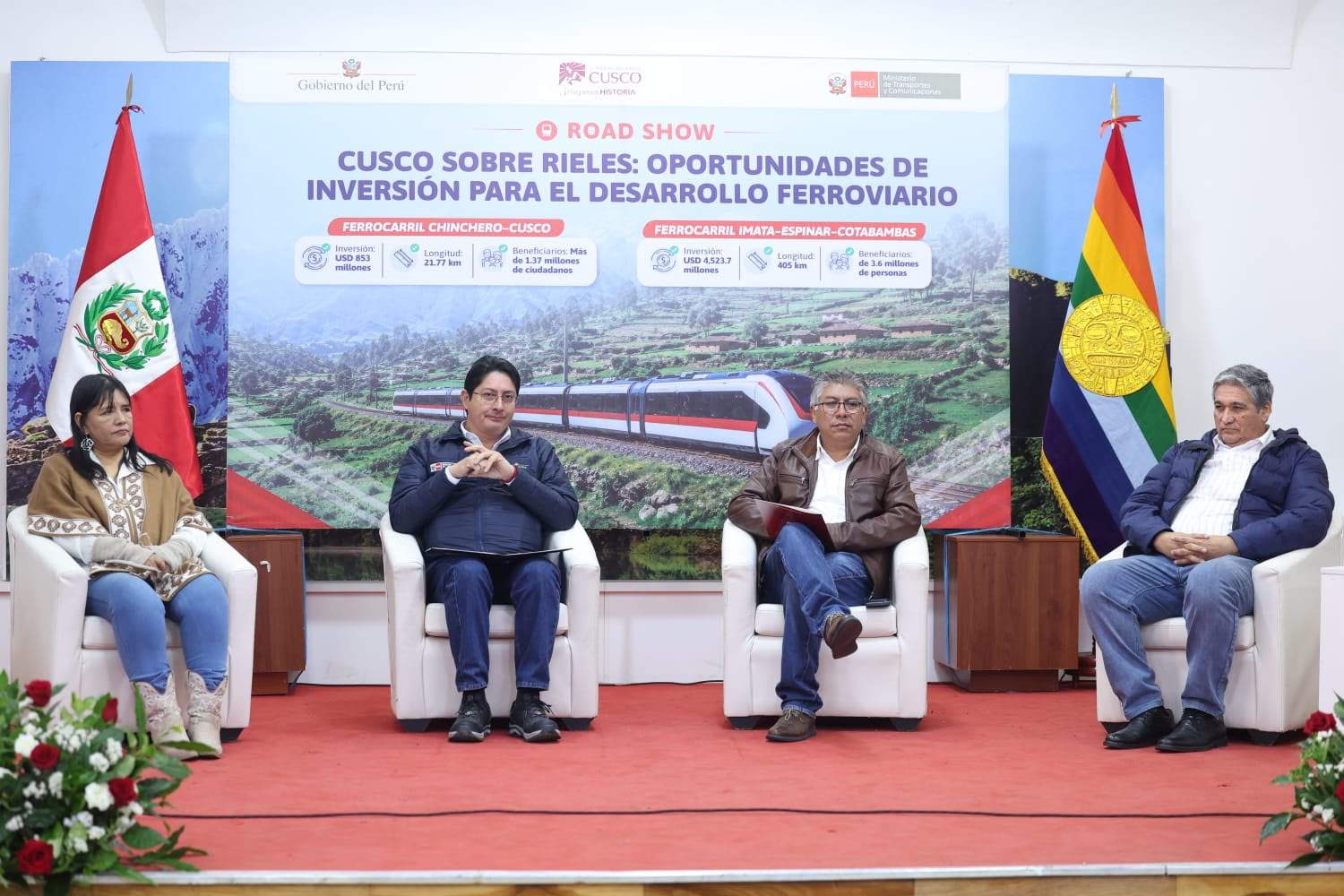
The event was led by Deputy Minister of Transport Juan del Carmen Haro, with the participation of the Governor of the Cusco Region, Werner Salcedo Álvarez; the Director General of Transport Projects and Planning, Gabriela Lara Ruiz; as well as representatives from the private sector, professional institutions, and domestic and international investors.
In his remarks, the Deputy Minister stated that Peru has made railway development a national policy and is creating conditions for these projects to become engines of economic growth and regional integration.
Among them, the Chinchero–Cusco Railway, with an estimated investment of $853 million, will connect the future Chinchero International Airport with the city of Cusco. Once completed, it will benefit over 1.37 million residents, improving connectivity to major tourist destinations and enhancing travel conditions. The Imata–Espinar–Cotabambas Railway, with an investment exceeding $4.52371 billion and a length of approximately 405 kilometers, will form a logistics corridor linking Arequipa, Cusco, and Apurímac with the port terminals of Matarani, facilitating passenger transport and the export of mining products, thereby boosting the competitiveness of the southern region.
The Deputy Minister noted that railway development requires vision, innovation, technology, and strategic partners capable of building long-term infrastructure alongside the state. These projects offer concrete opportunities for private investment, emphasizing the importance of involving the private sector from the study phase.
The MTC stated its commitment to promoting modern, sustainable, and integrated railway infrastructure to close connectivity gaps, revitalize regional economies, and improve residents' quality of life through more efficient and safer transportation systems.
Related Products





Industrial and Commercial Point-Type Gas Detector
Jinan Benan Technology Development Co., Ltd.

Wheel and Track Technology Business
Beijing Research & Design Institute of Rubber Industry Co., Ltd.
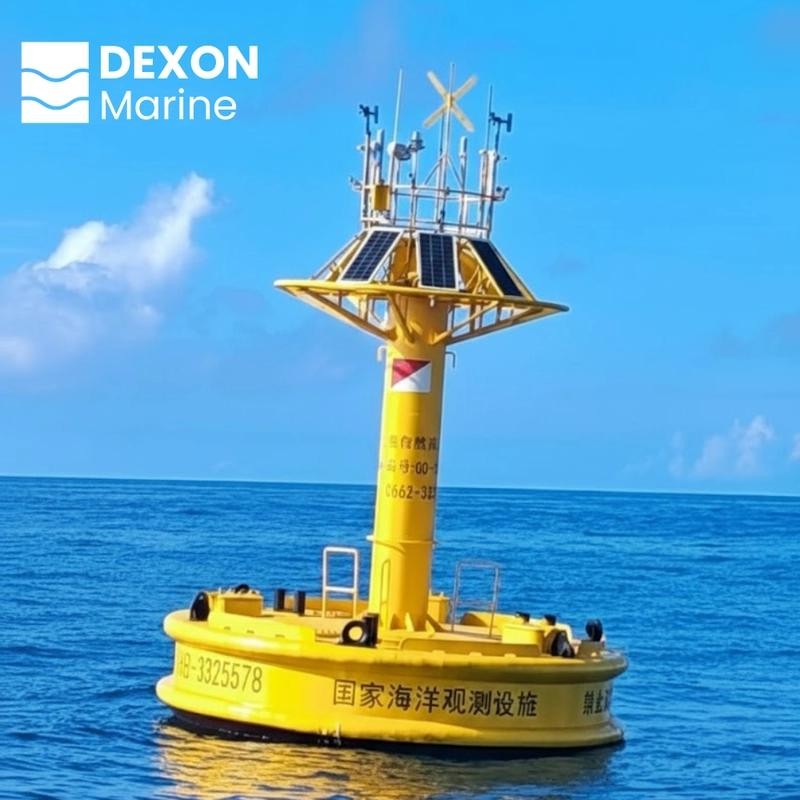
3m intelligent buoy combining navigation safety and real-time marine monitoring integrated navigation and marine monitoring system for real-time maritime data
Chengdu Dixin Technology Co., Ltd.