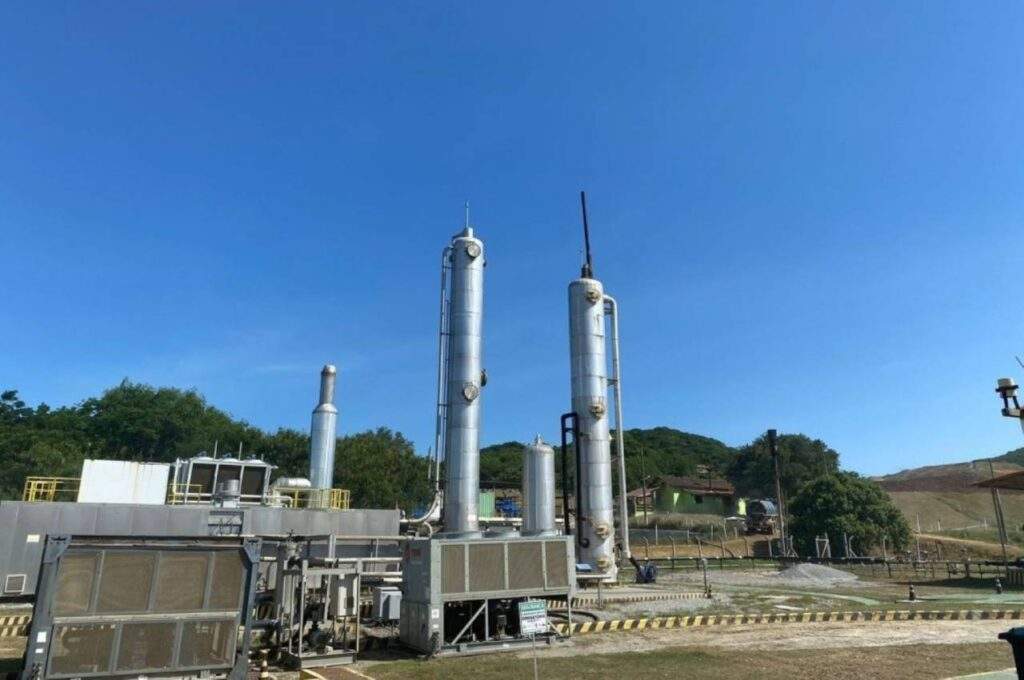
Brazil's Priori Family Invests 780 Million Reais in Corn Ethanol Plant
en.Wedoany.com Reported - Brazil's corn ethanol industry is entering a second phase driven by family farms and small to medium-sized regional projects. The Priori family in Jataí, Goiás, exemplifies this shift: through their agricultural group Grupo Paraíso, they plan to invest approximately 780 million reais in a fuel ethanol plant with a daily processing capacity of 1,200 tons of corn. Once operational, the plant will be managed by Paraíso Biocombustível and is expected to begin production within the next 24 to 36 months. The facility will be located adjacent to the group's existing grain storage infrastructure.
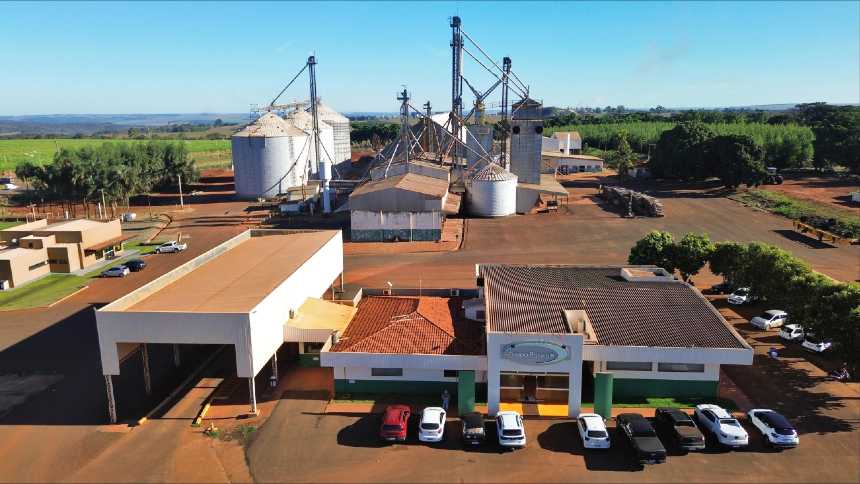
Between 70% and 80% of the corn required for the project will come from the family's own farms, which produce approximately 400,000 tons of corn annually—roughly matching the plant's planned processing capacity. Project coordinator Luiz Cesar Priori stated that agriculture and industry will operate as separate companies, with corn priced at market rates. The profit source lies not in internal low-cost procurement, but in the balance between supply security and profit margins. This vertical integration reduces exposure to market volatility and logistical risks while enhancing business predictability. Priori describes this integration strategy as a "natural hedge." The plant's initial capacity is set at 1,200 tons per day, with provisions for future expansion to 2,400 tons and even 3,600 tons, but the primary goal is to stabilize first-phase operations.
The family's decision to invest in corn ethanol stems from a desire to move beyond simply selling raw grain and enter higher-value segments of the agricultural value chain. After completing major land investments in 2019, the family explored alternatives such as flaking and flour production, ultimately concluding that corn ethanol was economically more attractive.
According to Hugo Morais, Business Development Director at Katzen, the U.S. technology company involved in the project's design, the Priori plant's scale is slightly below Brazil's national average but is not considered small. He further noted that the differentiating feature of this case is not capacity itself, but the shift in investor profile. Within just one year, Katzen has received inquiries for seven medium-sized plant projects with daily processing capacities of around 1,000 tons. Data shows that Brazil currently has 35 authorized grain ethanol biorefineries, of which 25 are pure grain-based and 10 are flexible, with an additional 19 projects under construction. Reports from Brazil's Energy Research Company (EPE) and research institutes under the Northeast Bank indicate that the second wave of growth in this sector is characterized by a shift of plants inland and a diversification of business models, moving beyond the single large-plant model.
The Priori family assesses that the primary risk for this business is not fuel demand, but regulatory changes, such as artificially controlling fuel prices or adjusting mandatory blending ratios. Law No. 14,292/2022, effective January 2022, allows ethanol to be sold directly from plants to gas stations, bypassing traditional distributors—a policy change that has indirectly spurred projects of various scales. The plant's design also includes a training center to address the challenge of a shortage of skilled labor; during the construction phase, it is expected to employ around 150 people. A study released this year by Rabobank indicates that Brazil's corn ethanol industry may be approaching an inflection point where capacity expansion outpaces natural demand growth. Market participants generally believe that the future competitiveness of biorefineries will increasingly depend on revenue from by-products such as DDGS (dried distillers grains with solubles) and corn oil, reducing reliance on the single vehicle fuel market. The industry outlook also points toward higher-value areas such as sustainable aviation fuel (SAF), marine fuel, pharmaceuticals, and food ingredients.
Related Products

Rated Voltage 6-35kV Cross-linked Polyethylene Insulated Power Cable
TONGDING INTERCONNECTION INFORMATION CO., LTD.
Floating Boat Water Quality Automatic Monitoring System
Hebei Sailhero Environmental Protection High-tech Co., Ltd.

Environmentally Friendly Flame-retardant PVC Double-layer Insulated Wire
Sichuan Chndo Cable Co., Ltd.

Optional Accessory - Auxiliary Sampling Module
Beijing Soaring Electric Technology Co., Ltd.
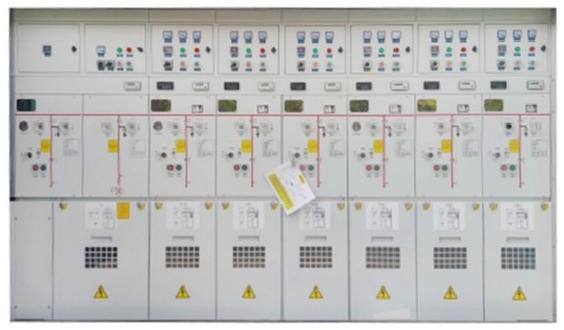
NISELA Series Environmentally Friendly Gas-Insulated Ring Main Unit
XJ DELISHIER ELECTRIC CO., LTD.
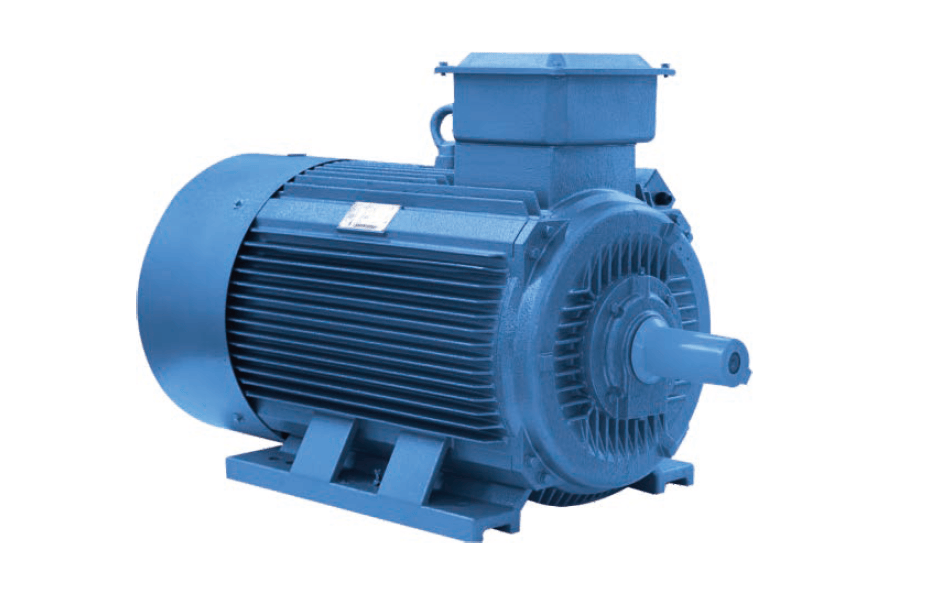
TYC Series High-Efficiency Permanent Magnet Synchronous Motor
Xiangdian Smart Energy Technology Co., Ltd.
Standard Nozzle Flowmeter
Jinggong Automatic Control Instrument Complete Technology Development Company
Post-type AC Pollution-resistant Disc Suspension Porcelain Insulator (Triple Umbrella Type)
Shandong High Voltage Insulator Co., Ltd.