en.Wedoany.com Reported - The Office for Nuclear Regulation (ONR) participated in the inaugural meeting of the Nuclear Regulatory Implementation Panel (NRIP) on June 30. This meeting is seen as a significant step forward in advancing nuclear regulatory reform and modernisation in the UK.
The NRIP was established after the UK government accepted all 47 recommendations made by the independent Nuclear Regulatory Working Group, led by John Fingleton. Chaired by Nuclear Minister Lord Vallance and convened under the leadership of the Department for Energy Security and Net Zero (DESNZ), the panel comprises representatives from government departments, regulatory bodies, the nuclear industry, and the original working group.
Under the arrangements, the NRIP will meet quarterly and report directly to the Prime Minister's Office, the Secretary of State for Energy Security and Net Zero, and the Secretary of State for Defence. Its primary mission is to provide independent expert oversight and constructive advice on the UK's nuclear reform programme, drive the implementation of agreed reforms by the government, regulators, and industry, and assess the practical outcomes of reform implementation.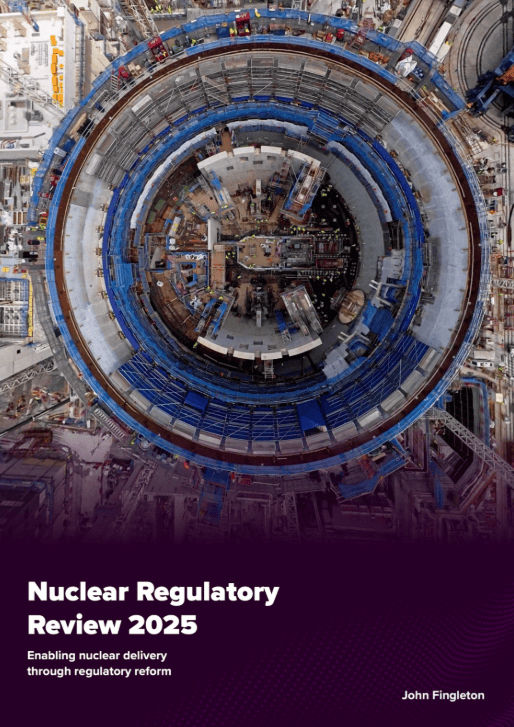
ONR Chief Executive and Chief Nuclear Inspector Mike Finnerty attended the first meeting as a core member. The UK government noted that the ONR and the Environment Agency are playing a leading role in international coordination efforts, helping to shape global nuclear regulatory approaches.
Finnerty stated that the ONR welcomes the government's acceptance of all recommendations from the Nuclear Regulatory Working Group. During the review process, the ONR worked closely with the working group, jointly contributing to the design of the future direction of UK nuclear regulation, and will continue to support the safe and timely delivery of nuclear projects. He said the ONR understands the UK's current national priorities, including economic growth, energy security, achieving net zero emissions, maintaining nuclear deterrence, and cleaning up legacy nuclear facilities, while remaining steadfast in its core mission of protecting society by ensuring the safe operation of nuclear facilities. In the face of new circumstances, regulators also need to adjust their mindset and working methods.
At this meeting, the ONR presented its work on cultural change and its strategic goal of building a modern, agile, and efficient regulatory body. Finnerty also highlighted the application of the Nuclear Industry Safety Culture Instrument (NISCI). This tool, jointly developed by the ONR and the University of Manchester, aims to provide a consistent, evidence-based framework for measuring and improving safety culture across the nuclear industry.
Finnerty emphasised that building a safety culture should be a strategic priority at the board level of the nuclear industry, rather than being treated as a one-off activity. It needs to be integrated into ongoing assessment and improvement plans to form a long-term mechanism.
Also attending the first meeting were representatives from the Department for Energy Security and Net Zero, the Ministry of Defence, the Environment Agency, relevant units of the UK Nuclear Energy Agency, the Atomic Weapons Establishment (AWE), and the broader supply chain. The ONR stated that it will continue to advance the implementation of the recommendations and maintain cooperation with the government, industry, and regulators to provide regulatory support for the UK's next generation of nuclear projects.