Chile and Argentina Join U.S.-Led Pax Silica Initiative to Strengthen Strategic Mineral and Input Supply Chains
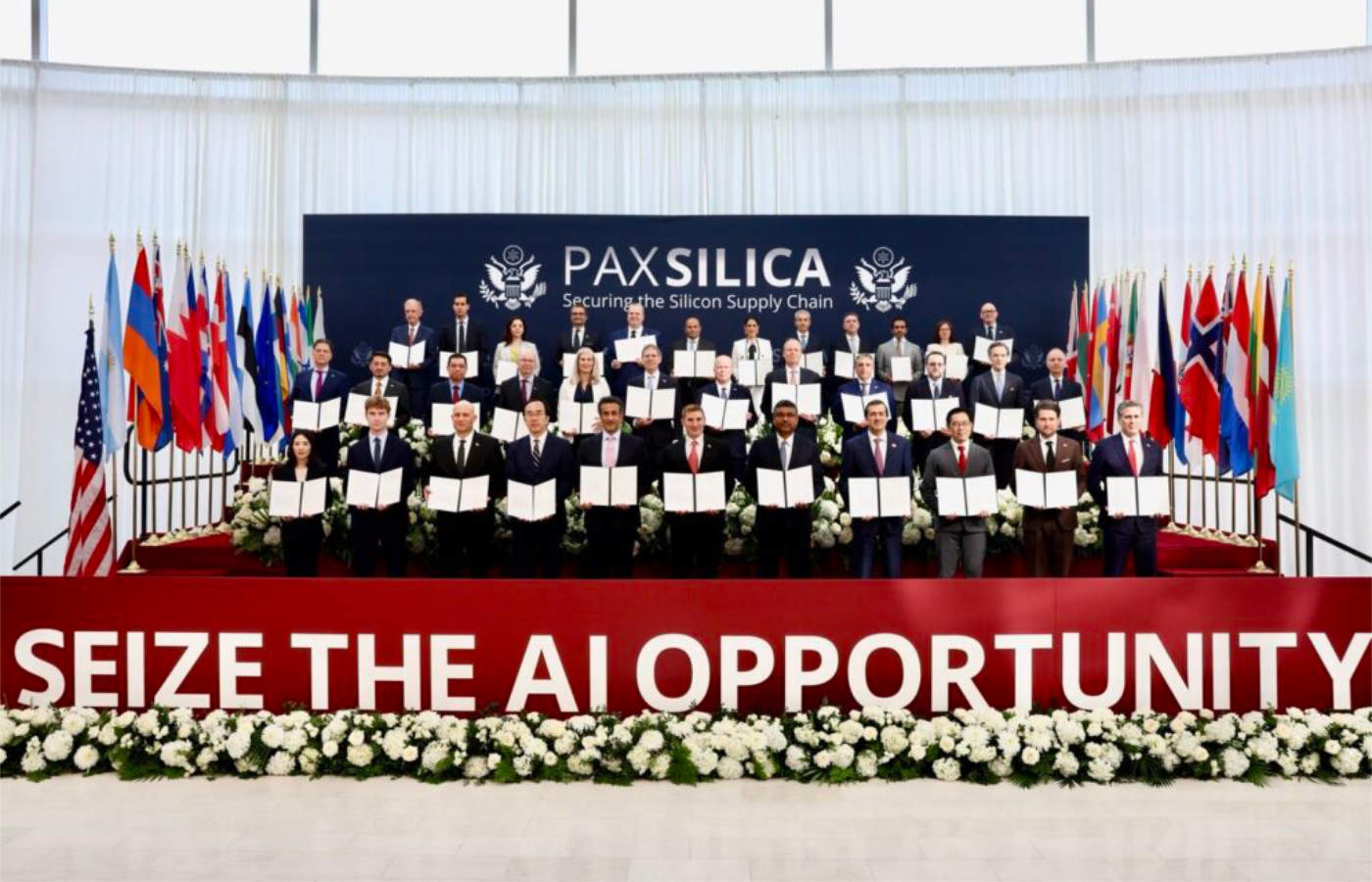
en.Wedoany.com Reported - Chile and Argentina have joined the Pax Silica international initiative, led by the United States, which aims to strengthen supply chains for strategic minerals and inputs to support the expansion of artificial intelligence. The two countries joined the alliance during the second Pax Silica Summit, held from June 25 to 26.
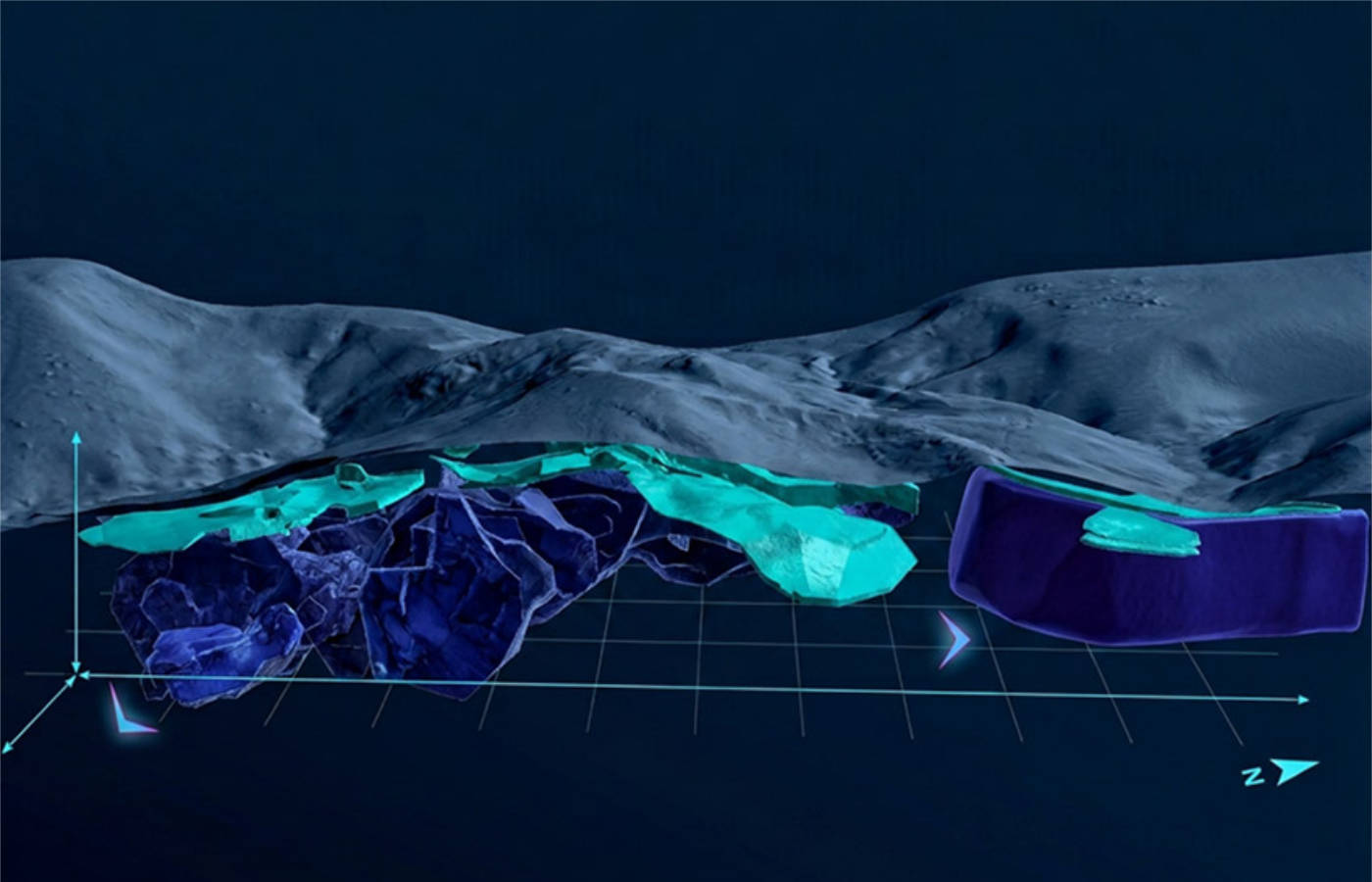
The accelerated expansion of artificial intelligence is driving demand for critical minerals such as copper, lithium, nickel, cobalt, graphite, gallium, germanium, and rare earth elements (e.g., praseodymium and dysprosium), which are essential for digital infrastructure including data centers, power grids, and energy storage systems. Silicon, a key input for manufacturing semiconductors and microchips, primarily sourced from silica in minerals like quartz, is also included. Against this backdrop, the significance of the agreement is increasingly evident.
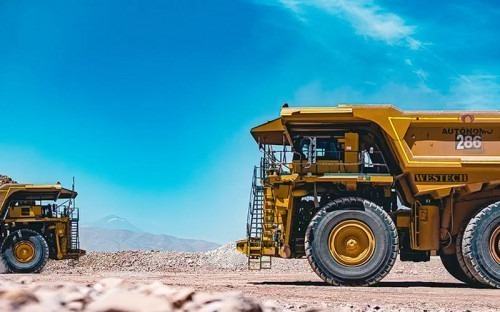
Chile is the world's largest copper producer and the second-largest lithium producer, while Argentina ranks fourth in lithium output and holds world-class copper project reserves. With their accession, the two countries join Costa Rica, El Salvador, and Panama as Latin American representatives in the alliance. This move aligns with the U.S. strategy to diversify critical mineral supply chains and reduce dependence on dominant suppliers, such as China.
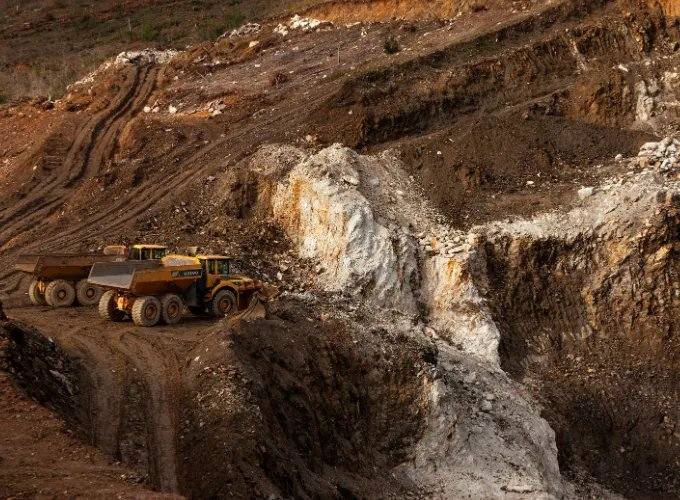
Pax Silica elevates the status of member countries, positioning them ahead of regional competitors, and may facilitate access to future potential funds and other capitalization instruments associated with the initiative. The previous Pax Silica Summit, held in Washington, emphasized the goal of building an integrated supply chain covering everything from mineral extraction and processing to advanced materials manufacturing, semiconductors, AI hardware, and the industrial infrastructure connecting these links. The challenge for Chile and Argentina is to leverage this strategy to move toward higher-value-added activities, rather than merely participating in raw material supply.
One of the key drivers behind Argentina's accession is its Ambassador to the United States, Alec Oxenford, who has worked closely with U.S. Deputy Secretary of State for Economic Affairs Jacob Helberg. Argentina's Finance Minister Pablo Quirno stated that joining the agreement consolidates the country's position as a reliable supplier and strengthens its role as a strategic player in the sector. On Chile's side, its Ambassador to the United States, Andrés Ergas, formally promoted its accession to the Pax Silica initiative and signed a joint declaration on artificial intelligence.
Related Products

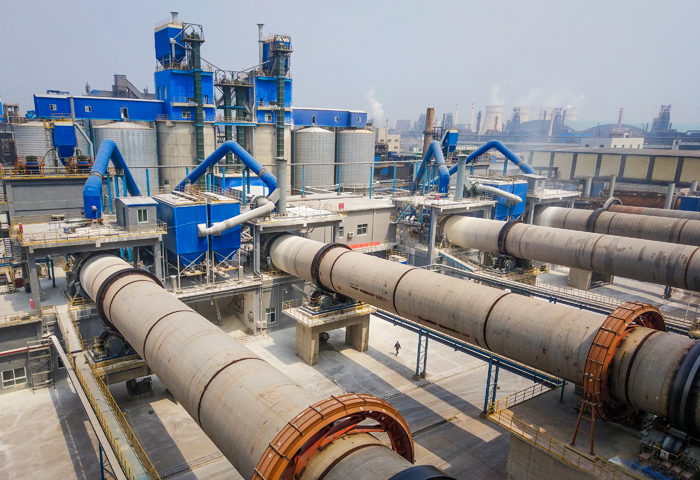
CITIC Heavy Industries Metallurgical Equipment Steel Smelting Engineering Equipment
CITIC Heavy Industries Co., Ltd.
Quick-Change Single-Seat Control Valve / Quick-Change High-Pressure Single-Seat Control Valve
Beijing Consen Automation Technology Co., Ltd.

Mine Explosion-proof and Intrinsically Safe Industrial Ethernet Ring Network (10 Gigabit/Gigabit)
Chongqing Mas Sci&Tech Co., Ltd.


Comprehensive Mining Automation Control System
Beijing Tianma Intelligent Control Technology Co., Ltd.