First pile poured at Lovoï Bridge in DR Congo
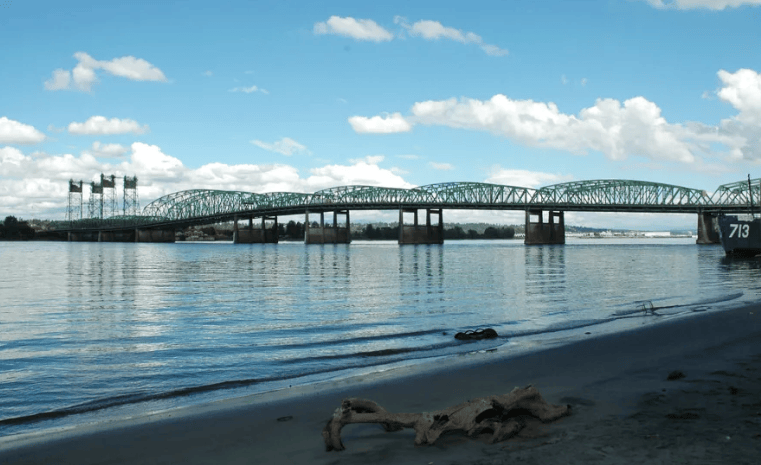
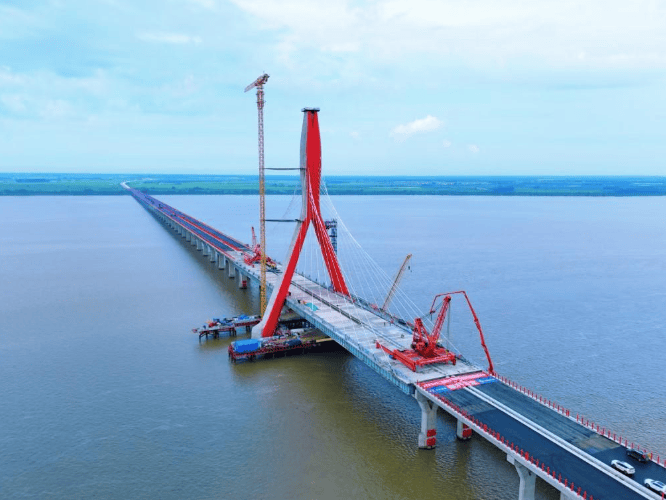
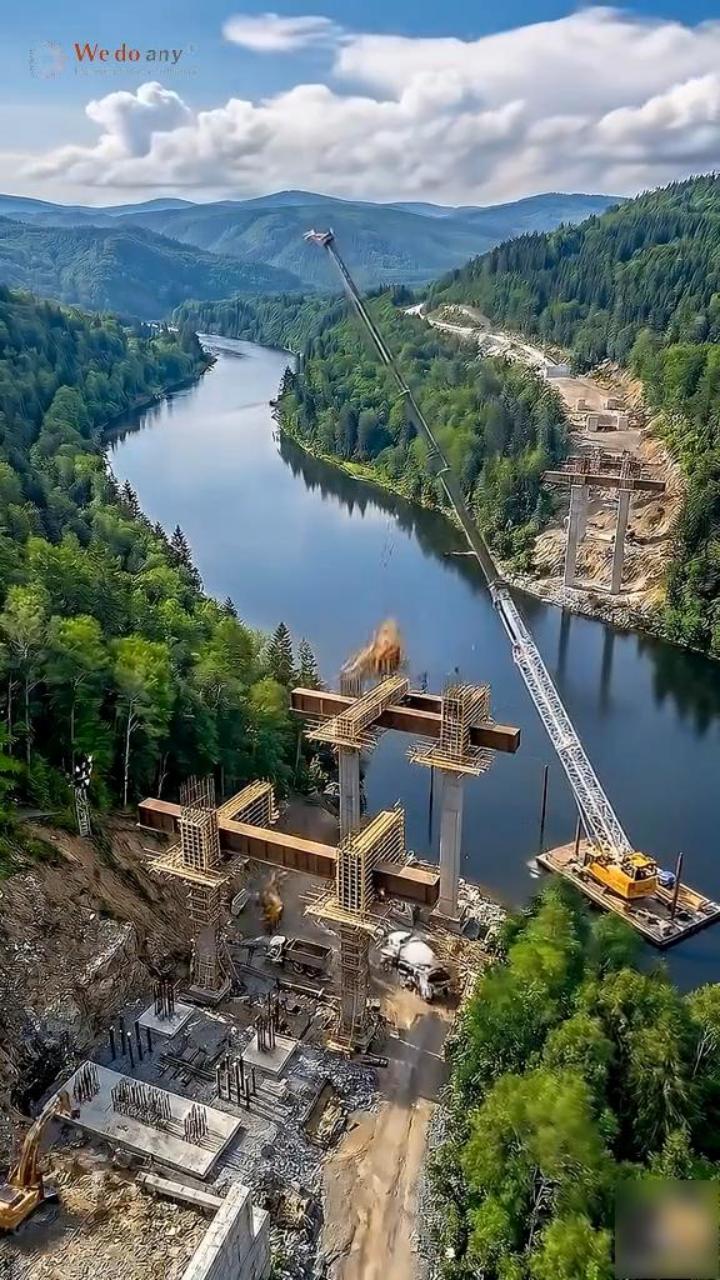
en.Wedoany.com Reported - Recently, with the final truckload of concrete smoothly injected into the pile hole, the first bored pile of the Lovoï Bridge in the Democratic Republic of the Congo (DRC) was successfully completed. The Lovoï Bridge is a permanent reinforced concrete structure, designed with high standards, strong load-bearing capacity, and a long service life. The successful pouring of the first bored pile marks the official entry of the project into the main foundation construction phase of the bridge.
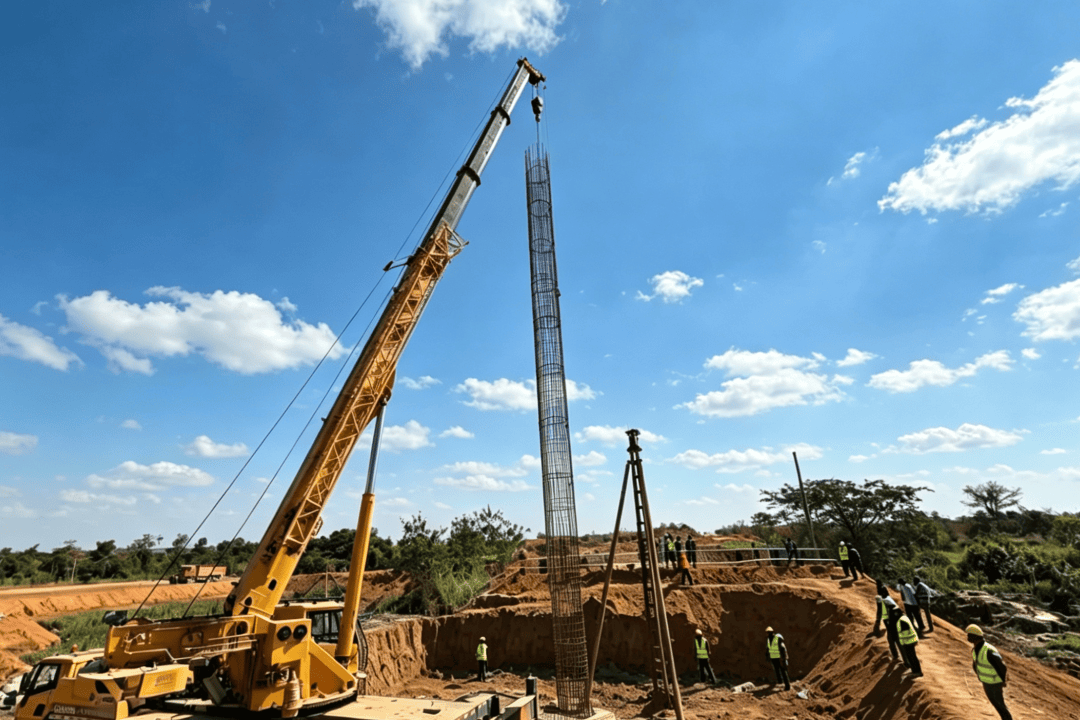
This is the starting point of a bridge, and the rebirth of a road. For the villagers along the Lovoï River, the significance of this bridge is immense. Located on the Mbuji-Mayi to Nguba section, it is a critical segment of National Highway N1—the lifeline of transportation traversing southeastern DRC. One pile, one bridge, one road—they connect the local people's fervent hopes for a better life and bear witness to the deepening and tangible benefits of the China-DRC "package" cooperation.
Behind this bridge and road lies the firm commitment of the China-DRC "package" cooperation to "infrastructure for people's welfare." The Lovoï Bridge and the upgrade project of the N1 National Highway in the DRC constitute the 58th infrastructure project under the China-DRC "package" cooperation, funded by SICOMINES S.A. As the implementing entity of the China-DRC "package" cooperation agreement, SICOMINES actively invests in local livelihood projects while developing resources. Funding the construction of bridges and roads is a concrete fulfillment of the "infrastructure for people's welfare" commitment under the agreement, vividly illustrating a new path of China-DRC cooperation driven by infrastructure development as an engine, integrating resource development with regional economic growth.
It is reported that since the signing of the Memorandum of Understanding on jointly building the Belt and Road Initiative between the DRC and China in 2021, infrastructure projects under the China-DRC "package" cooperation have accelerated. A total of 48 key infrastructure projects have been completed, with over 1,000 kilometers of roads newly built or rehabilitated. Additionally, approximately 1,400 kilometers of road projects are concurrently underway, covering more than ten provinces in the DRC.
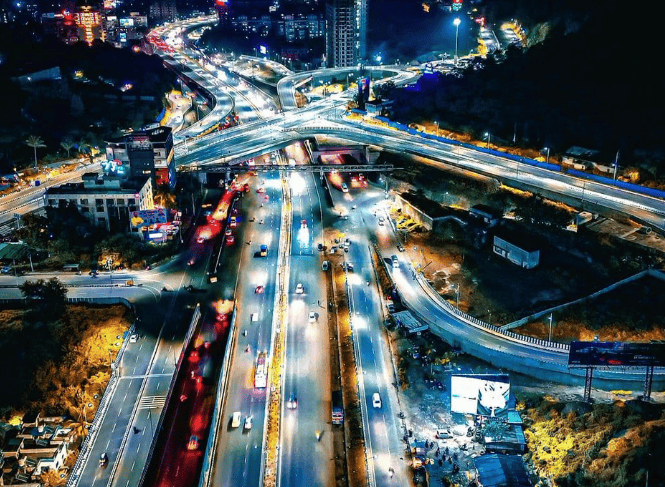
From the neon-lit ring roads of the capital Kinshasa to the economic corridor connecting the border in East Kasai for goods transport, from the transformation of the once-muddy Nzolana Avenue to the accelerated progress of the N1 National Highway—a vital artery linking the western coast with the southeastern mining region—a series of down-to-earth, people-benefiting infrastructure projects under the China-DRC "package" cooperation are flourishing and advancing rapidly, continuously injecting lasting momentum into local infrastructure upgrades, industrial development, and livelihood improvement. These ever-extending roads of China-DRC friendship are turning the hopes of Fidel and countless villagers into smooth paths at the doorsteps of more and more communities.
The new bridge piles are firmly rooted in the riverbed of the Lovoï, tempered by the dry season and baptized by the rainy season, eventually transforming into a thoroughfare spanning the river. From one pile to a bridge, from one road to a network, the ever-flowing waters of the Lovoï River will bear witness: remote African villages thrive because of roads and flourish because of bridges, and the footprints of China-DRC cooperation are warm and solid.
Related Products
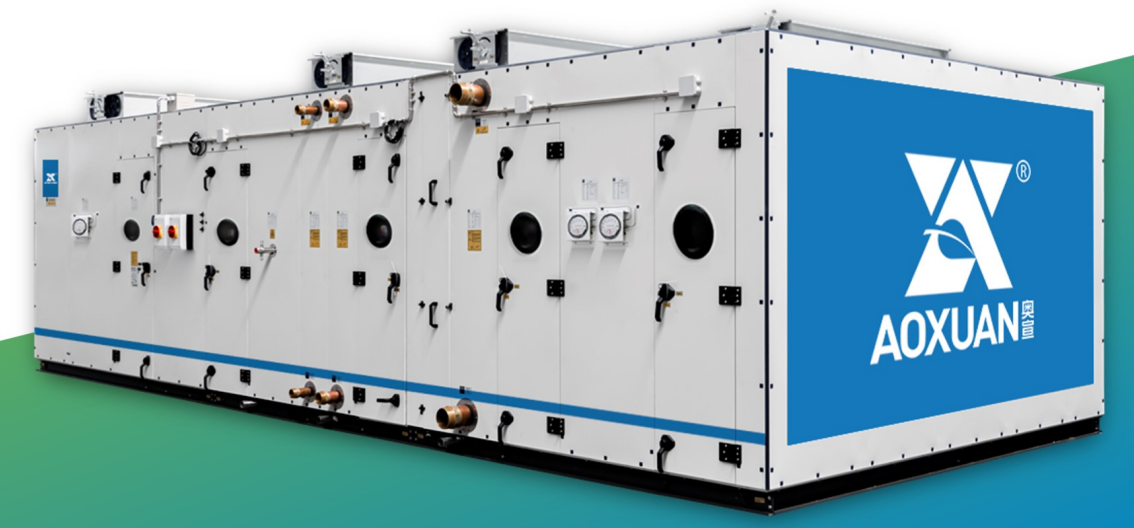

Aoxuan Intelligent Precision Air Conditioning Unit
SHANGHAI AOXUAN PURIFICATION TECHNOLOGY CO., LTD.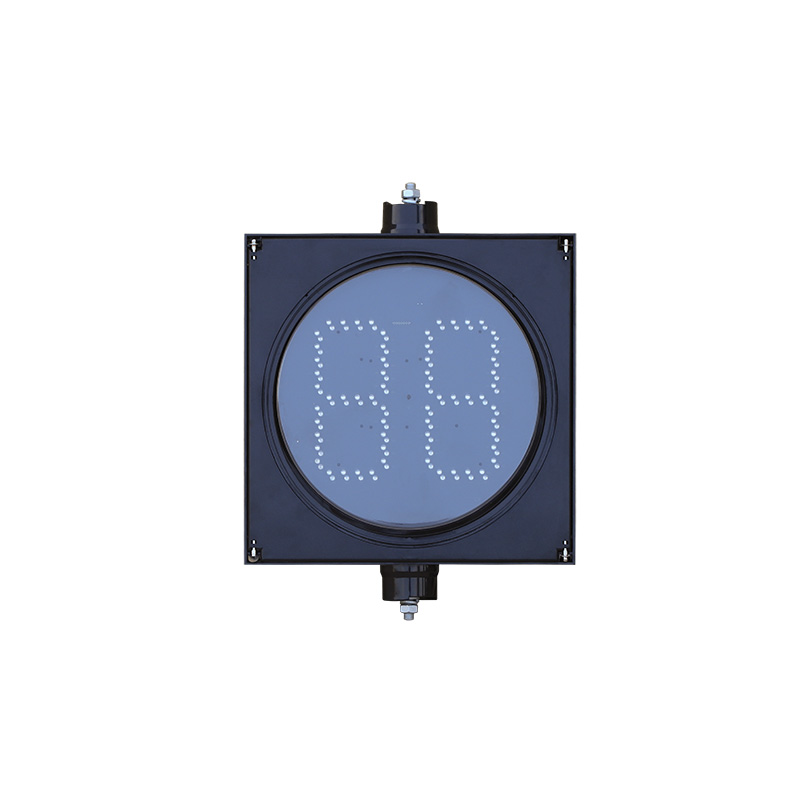
300mm Segment Type Countdown Traffic Light (Core Type)
Yangzhou FAMA Intelligent Equipment Co., Ltd.
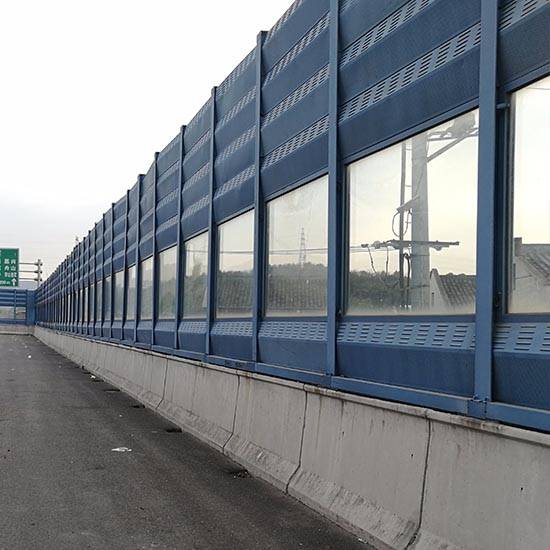
Metal sound barriers that can reduce the transmission of road noise
Hebei Jinbiao Construction Materials Tech Corp., Ltd.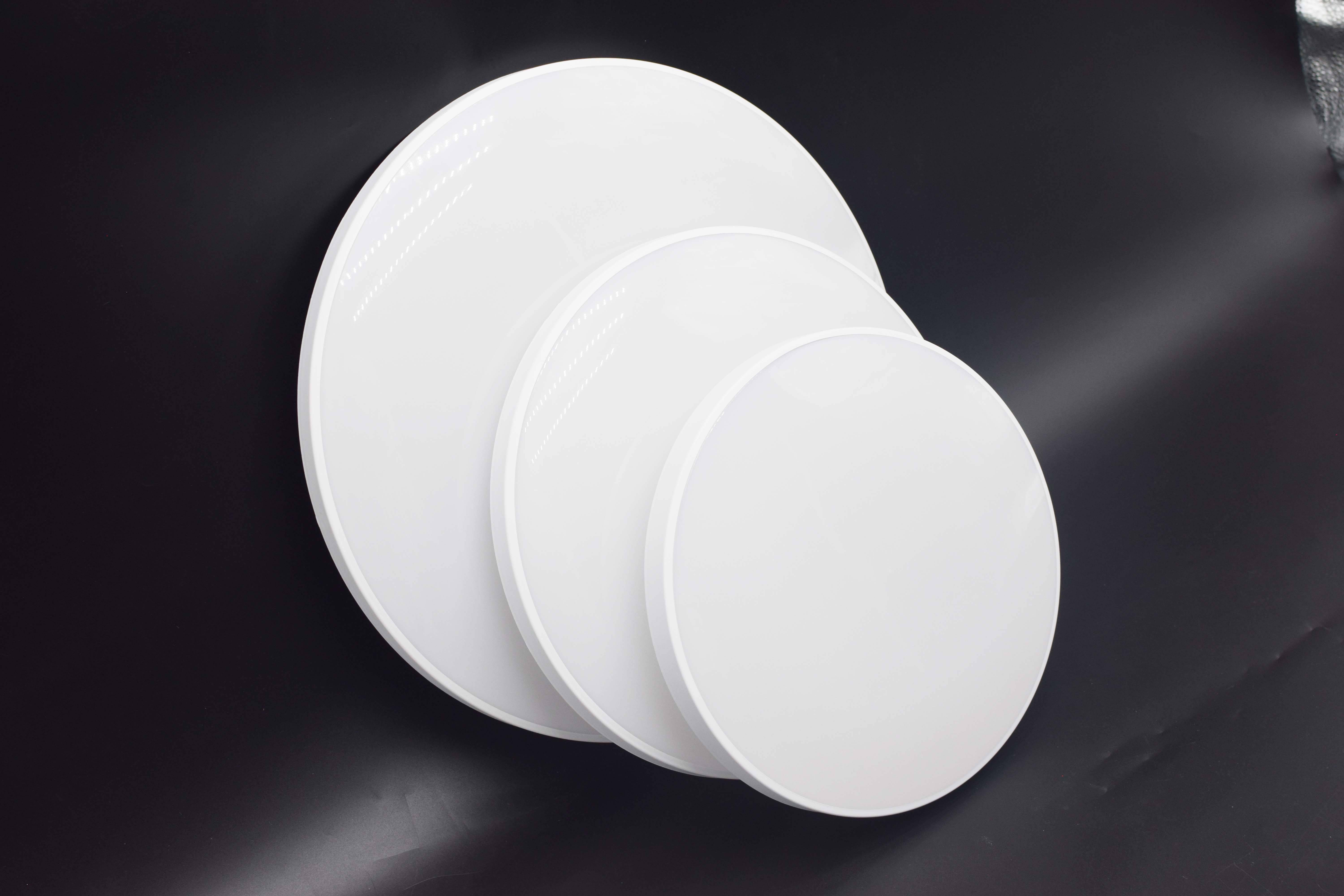
Ceiling light | led Ceiling Light | LED Indoor light | LED Ceiling lighting
Queendom Group Technology Co., Ltd.
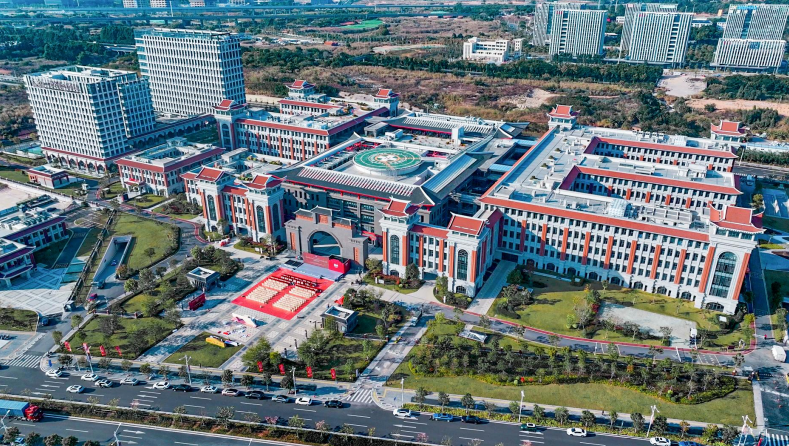
West China Xiamen Hospital of Sichuan University
Wuhan Huakang Century Clean Technology Co., Ltd.
Ultra-Pure Ferrite Stainless Steel Products
Gansu JISCO Group Hongxing Iron and Steel Co., Ltd.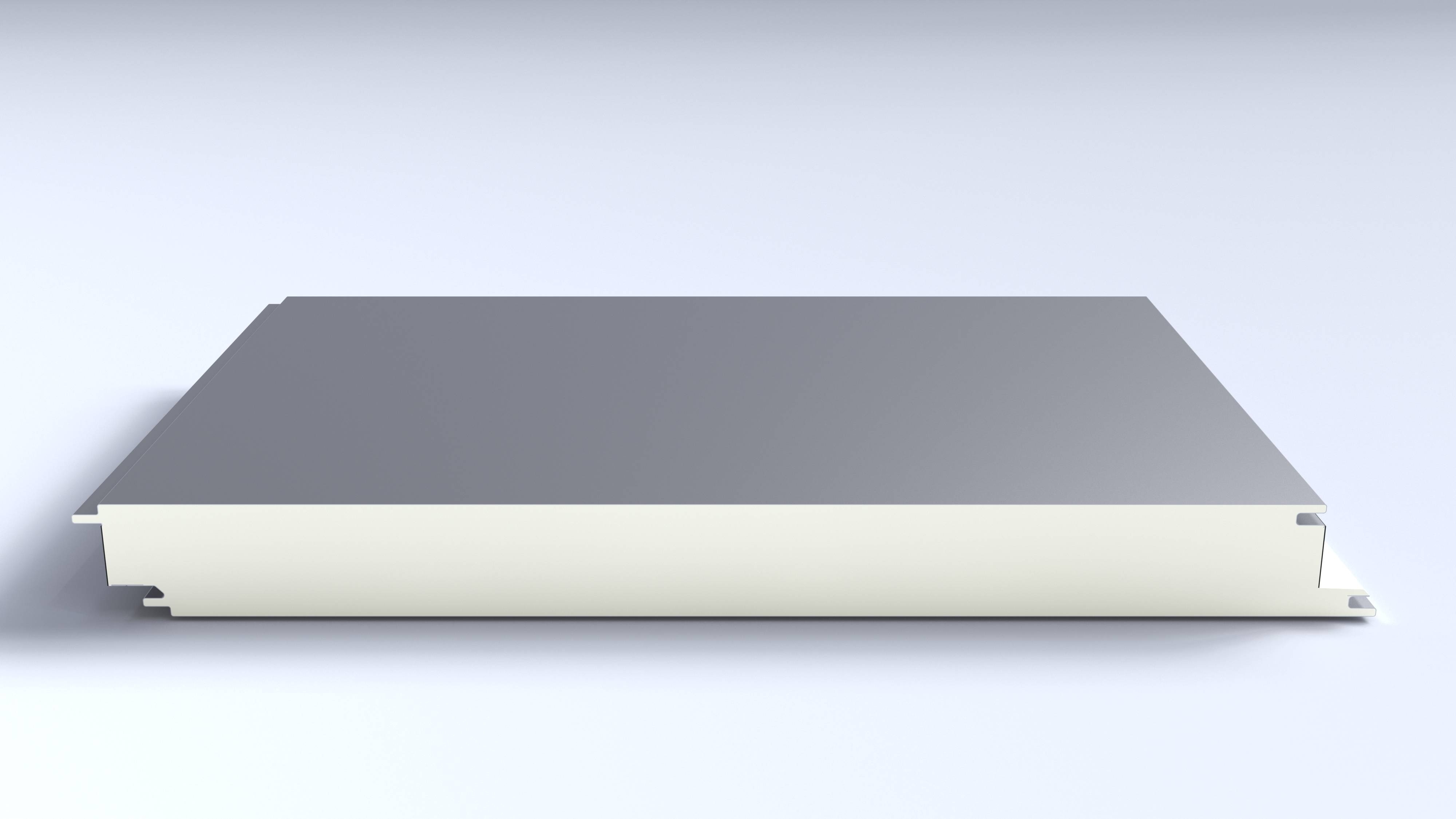
Pure Polyurethane Wall Panel BD-AEF-PIR-01
Baodu International Engineering Technology Co., Ltd.