UK Road Industry Explores Bio-Binders to Replace Asphalt, Cutting Carbon by 20%
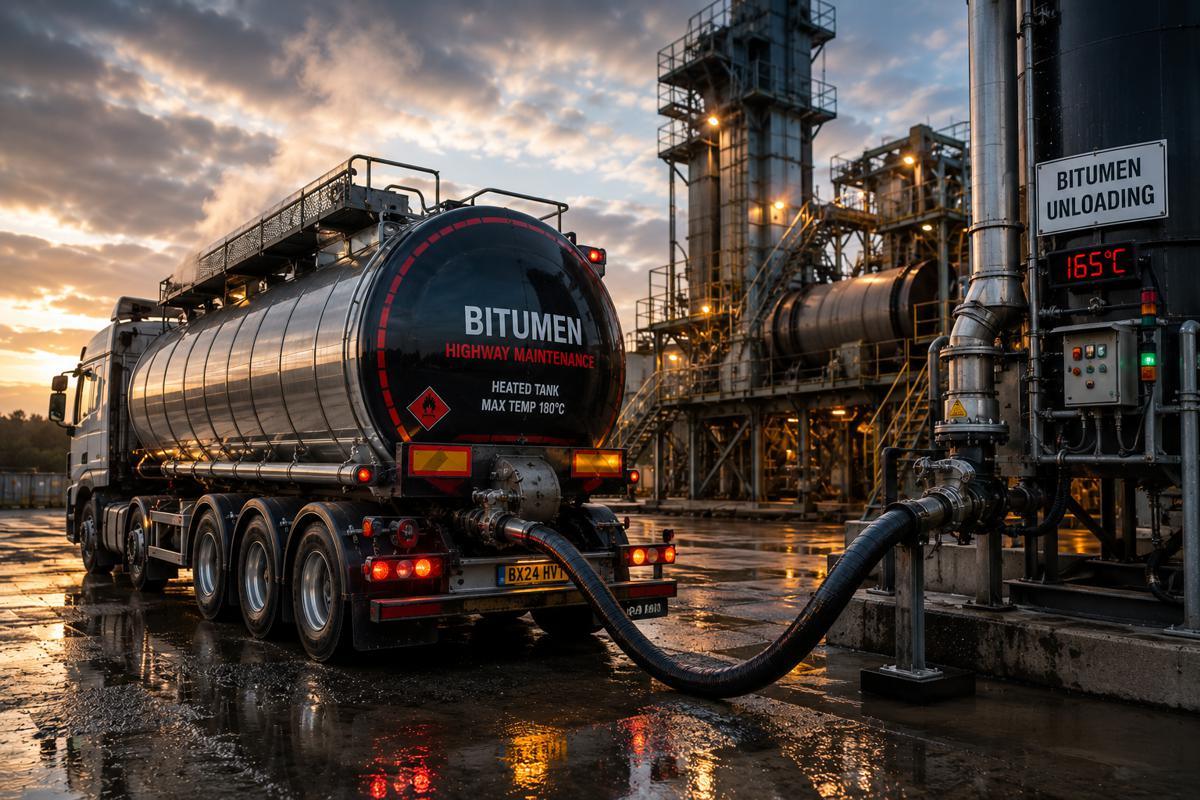
en.Wedoany.com Reported - The UK road construction industry is facing a sustainability dilemma with fossil fuel-based asphalt. Over 95% of the country's road surfaces are paved with asphalt, and each tonne of asphalt binder emits approximately 530 kilograms of carbon dioxide, making the environmental cost unsustainable. At the same time, asphalt is directly linked to the global energy market, and supply chain volatility has exacerbated the backlog of road maintenance. According to the 2026 ALARM survey by the Asphalt Industry Alliance, the estimated backlog of local road maintenance in England and Wales has reached £18.6 billion.
Bio-extended binders derived from natural or industrial waste materials have shown potential to replace traditional materials. In 2023, National Highways conducted a trial on the A30 road in Devon, using plant-based components to repair traditional asphalt, resulting in a 20% reduction in greenhouse gas emissions. Industrial by-product sulfur also demonstrates substitution potential, offering a durable, low-carbon, and cost-effective solution for traditional materials. In a systematic evaluation of sulfur by-products, asphalt binders extended with sulfur showed a 20-40% performance improvement, exhibiting better stability, stiffness, and cost-effectiveness on existing roads. However, despite these promising initiatives, the road construction industry remains resistant to moving away from traditional materials.
This resistance stems from rigidity at the ecosystem level. The "exploration-exploitation dilemma" proposed by organizational theorist James March can explain this phenomenon: the industry is overly reliant on fossil fuel processes, optimizing excessively within an exploitation mode. The knowledge systems of contractors, plant operators, and regulatory bodies are all built around efficiently using asphalt. For example, the Manual of Contract Documents for Highway Works (MCHW) requires all asphalt mixtures to carry a CE mark and be evaluated against performance standards calibrated for traditional asphalt. Until September 2025, alternative binders could only enter the system through a "departure from standards" procedure, designed for exceptional cases and not suitable for large-scale procurement. Although the updated MCHW offers greater flexibility, bio-binders remain outside standard specifications.
A review by the National Audit Office (NAO) in May 2026 of innovation in the transport sector found that due to a lack of guidance for decision-makers, stakeholders have a strong preference for low-risk activities. The Devon A30 trial is a typical example: despite a 20% reduction in greenhouse gas emissions, bio-binders have not been incorporated into routine procurement for the strategic road network. Bio-binders require different testing pathways, specification standards, and raw material flexibility, leading to risk aversion among contractors, regulators, and asset owners.
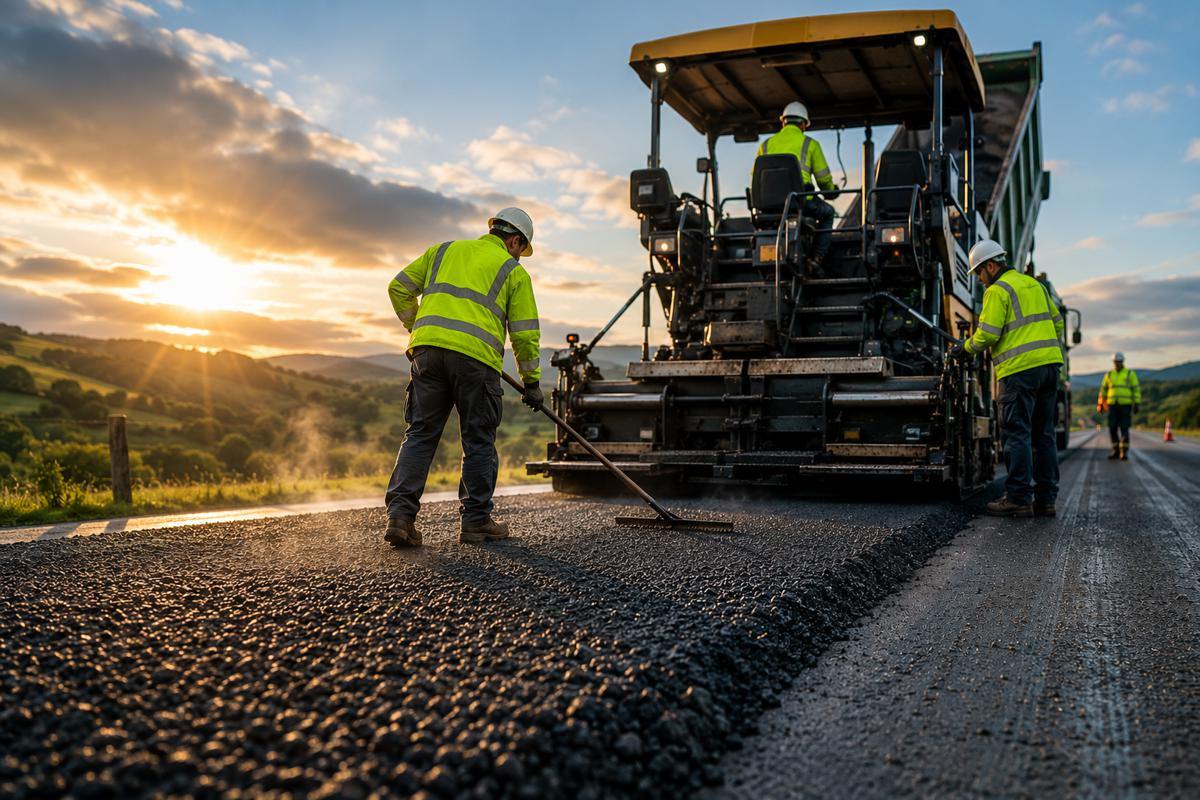
Achieving sustainable innovation requires breaking down existing silos. Currently, contractors manage timelines and profits, specifiers navigate procurement frameworks, and regulators follow policy cycles. These fragmented priorities prevent the industry from acting collectively. To reduce operational risks, procurement systems continue to favor traditional materials with established approval pathways, keeping sustainable practices at the pilot stage. For sustainable materials to scale, collaboration needs to be embedded early in the infrastructure lifecycle: innovators need earlier access to contractors and asset owners, regulators need to accelerate testing and approval pathways for alternative binders, and procurement frameworks need to focus on long-term performance and supply chain resilience.
Asphalt innovation offers an opportunity to address the industry's "exploitation dilemma." The question is no longer whether the materials are ready, but whether the stakeholders who specify, procure, and regulate these materials are prepared to change long-held frameworks.
Related Products

Ceiling light | led Ceiling Light | LED Indoor light | LED Ceiling lighting
Queendom Group Technology Co., Ltd.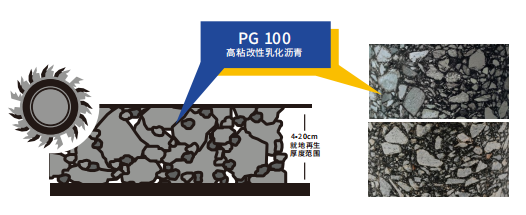
High-toughness in-Situ Cold Recycling Technology for Original Structural Layers
Central Fortune Creation Technology Group Co., Ltd.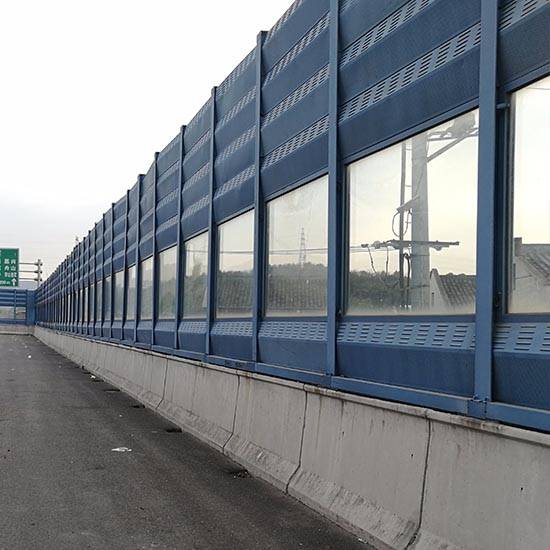
Metal sound barriers that can reduce the transmission of road noise
Hebei Jinbiao Construction Materials Tech Corp., Ltd.

CITIC Heavy Industries Tunneling Equipment Tunnel Engineering Shield Machine
CITIC Heavy Industries Co., Ltd.