ULMA's 400-Tonne Formwork Package Keeping São Paulo State Bridge on Schedule
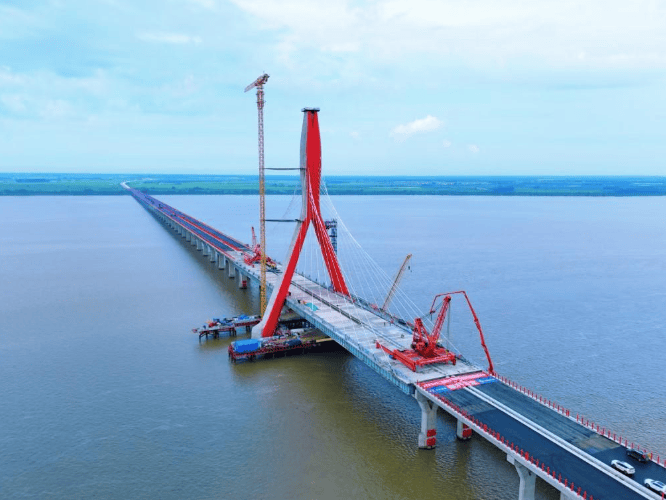
en.Wedoany.com Reported - ULMA Construction has supplied 400 tonnes of formwork, shoring, and access equipment for a new cable-stayed bridge over the Jundiaí River in São Paulo State, Brazil, a core component of the region's largest transport programme, with a total investment of approximately R$143 million (around £21 million).
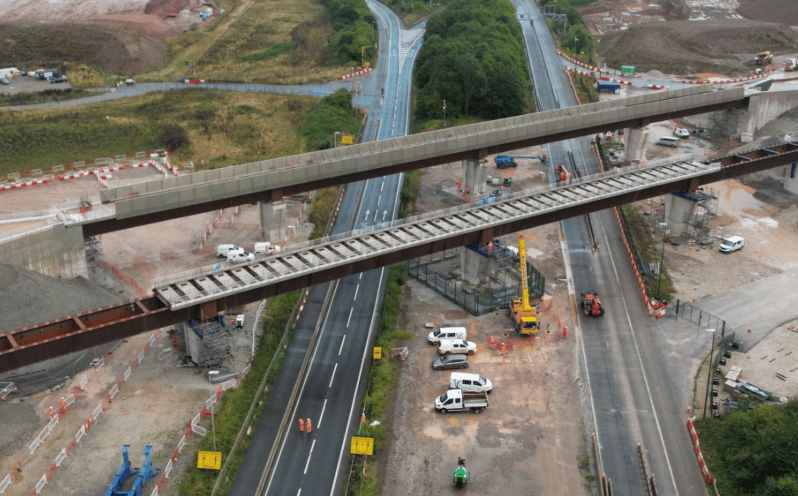
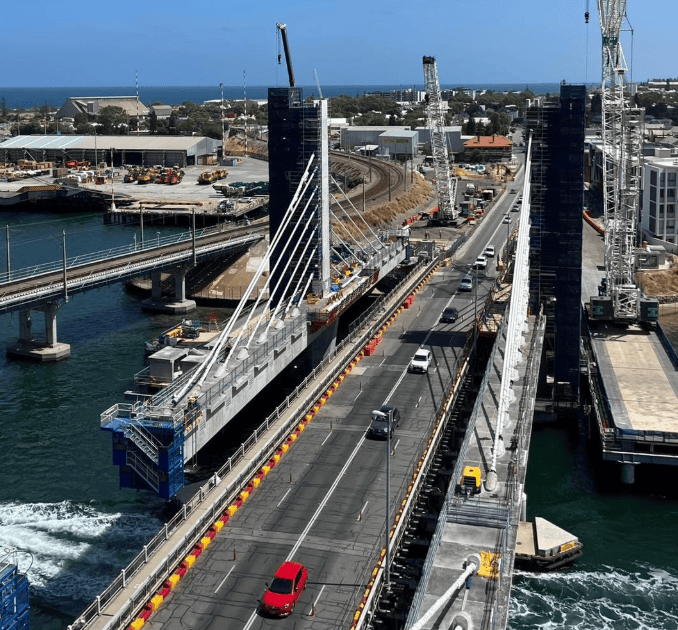
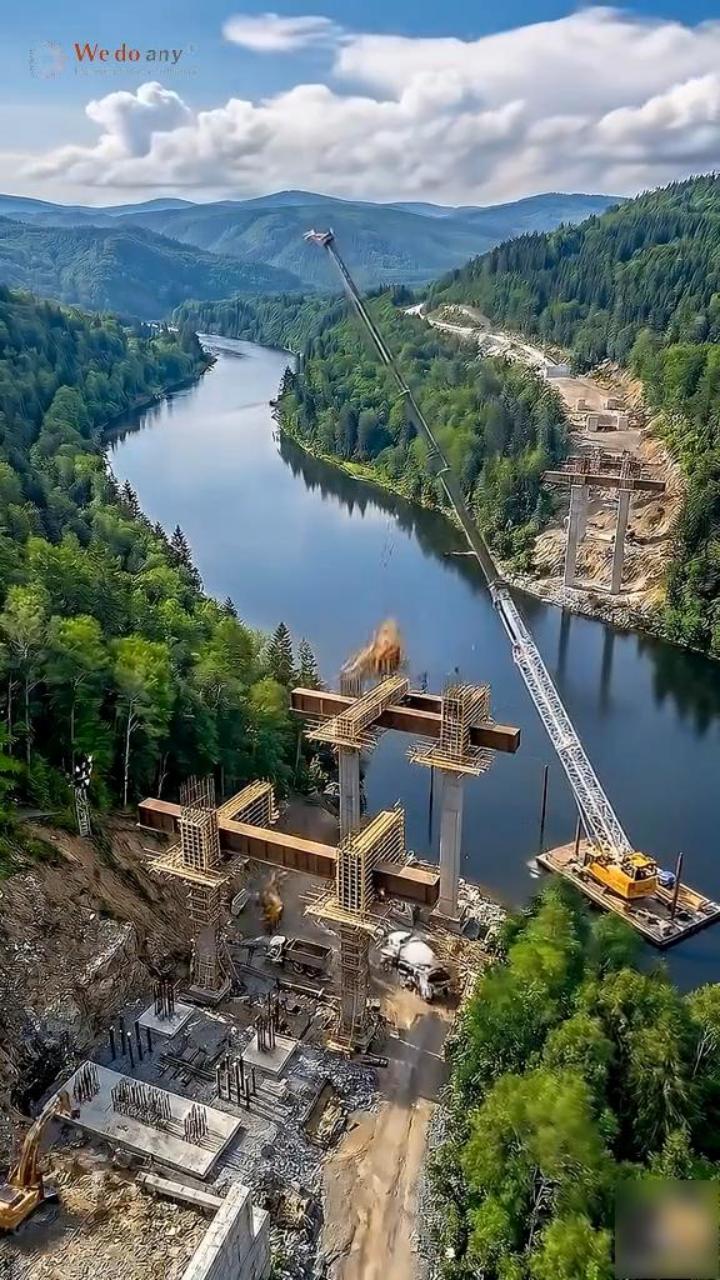
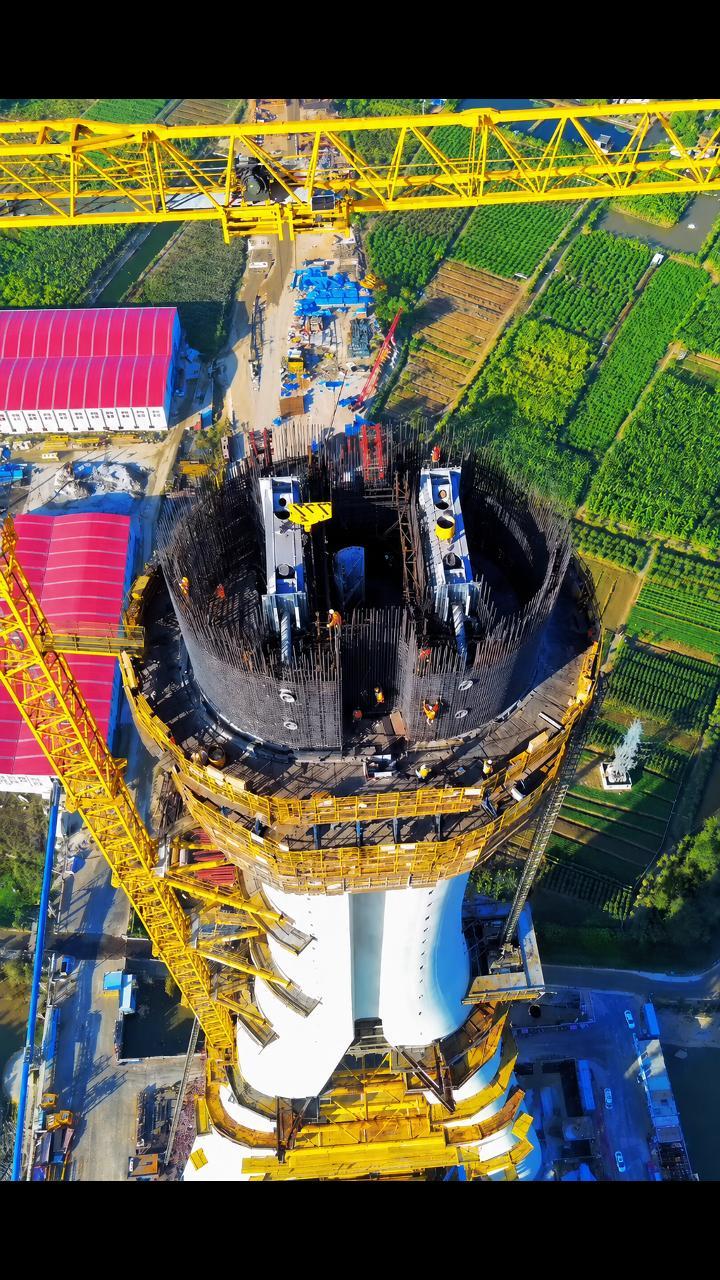
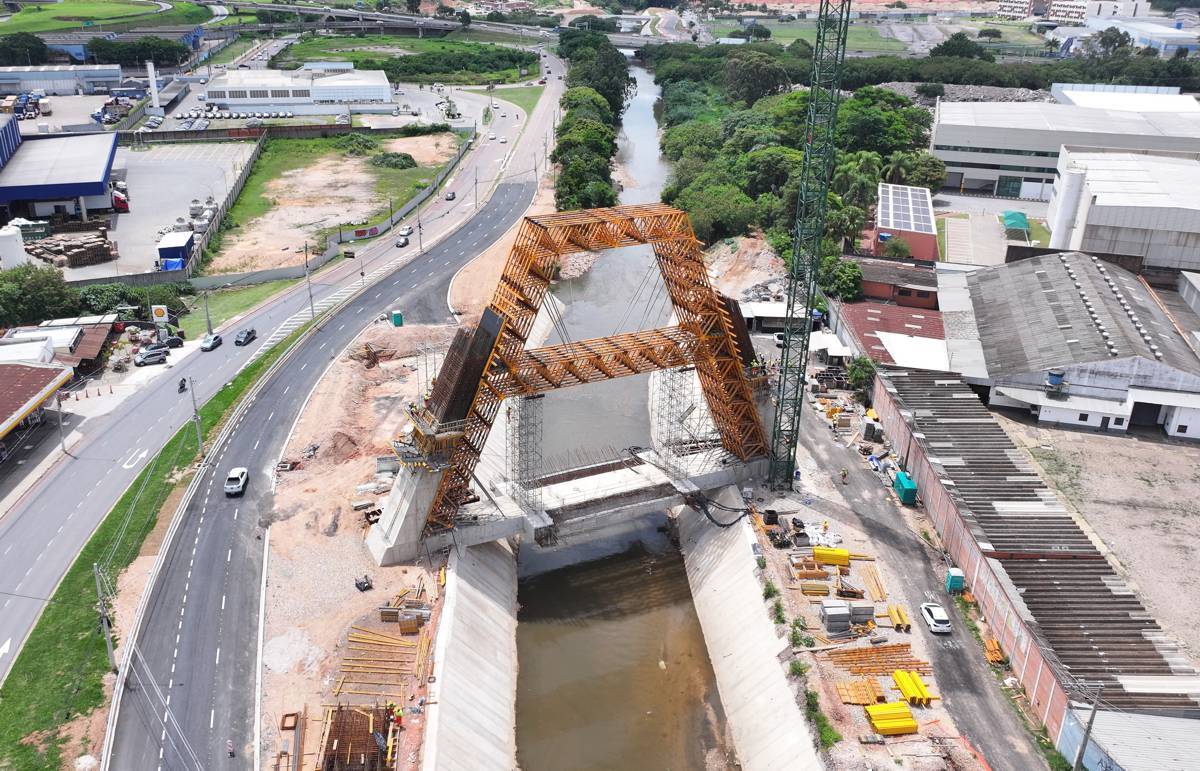
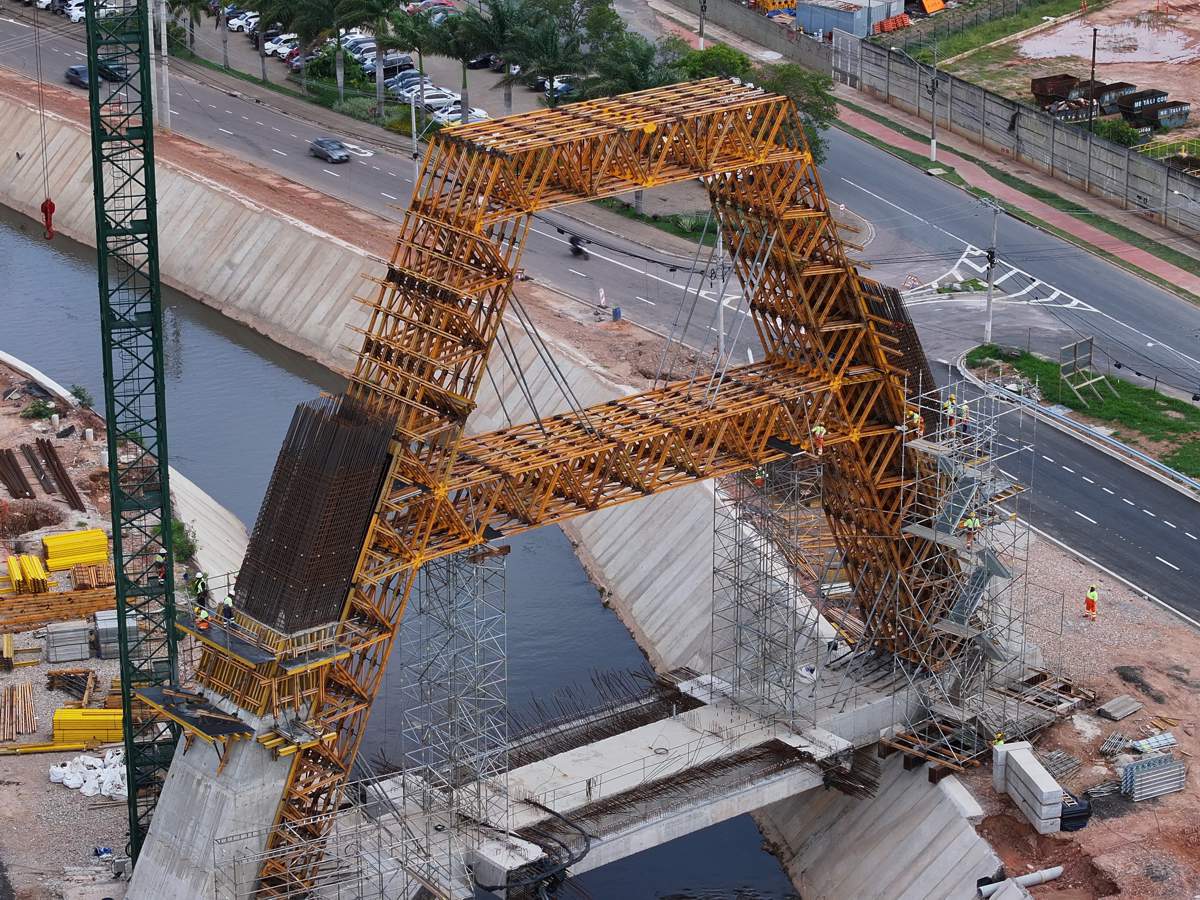
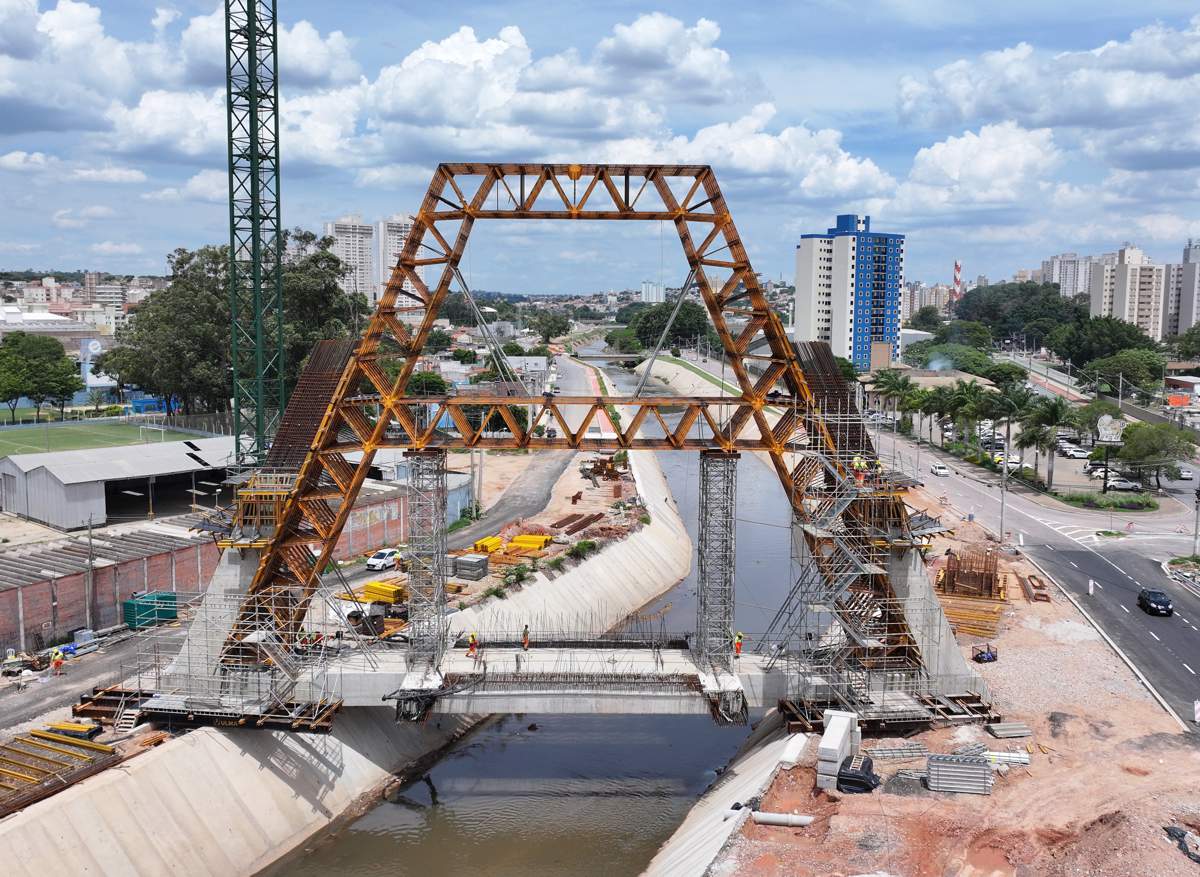
The cable-stayed bridge is supported by a single 43-metre-high central pylon, with both decks constructed simultaneously to compress the construction schedule. ULMA's temporary works solution includes the MK system, COMAIN modular formwork, T-60 shoring towers, and BRIO scaffolding and stair towers, each optimised for different construction phases. The MK system allows truss structures to be pre-assembled on the ground and lifted into place in a single operation, reducing working at height and crane cycles while enhancing construction safety. Site manager José Carlos Alves Nogueira stated that the MK system was the key factor making the project feasible in terms of cost and time, as the structure can be built complete and erected in one lift without compromising quality, safety, or ease of operation. ULMA production engineer Eduardo Lucena placed the bridge within a broader urban planning context, noting that the project is improving Jundiaí's infrastructure through three conventional bridges, a tunnel beneath the João Cereser Highway, and the cable-stayed bridge itself.
In terms of access and safety, the BRIO scaffolding and stair towers ensure workers can move smoothly across the 3-metre-high concrete pours, with the access system rising alongside the shoring to create a coordinated, systematic workflow. The COMAIN modular formwork handles the concrete surfaces, the T-60 shoring towers bear loads during the initial pouring stages, and the BRIO stairs maintain continuous personnel access. This integrated approach embeds safety into the construction sequence, avoiding the coordination issues common with fragmented procurement.
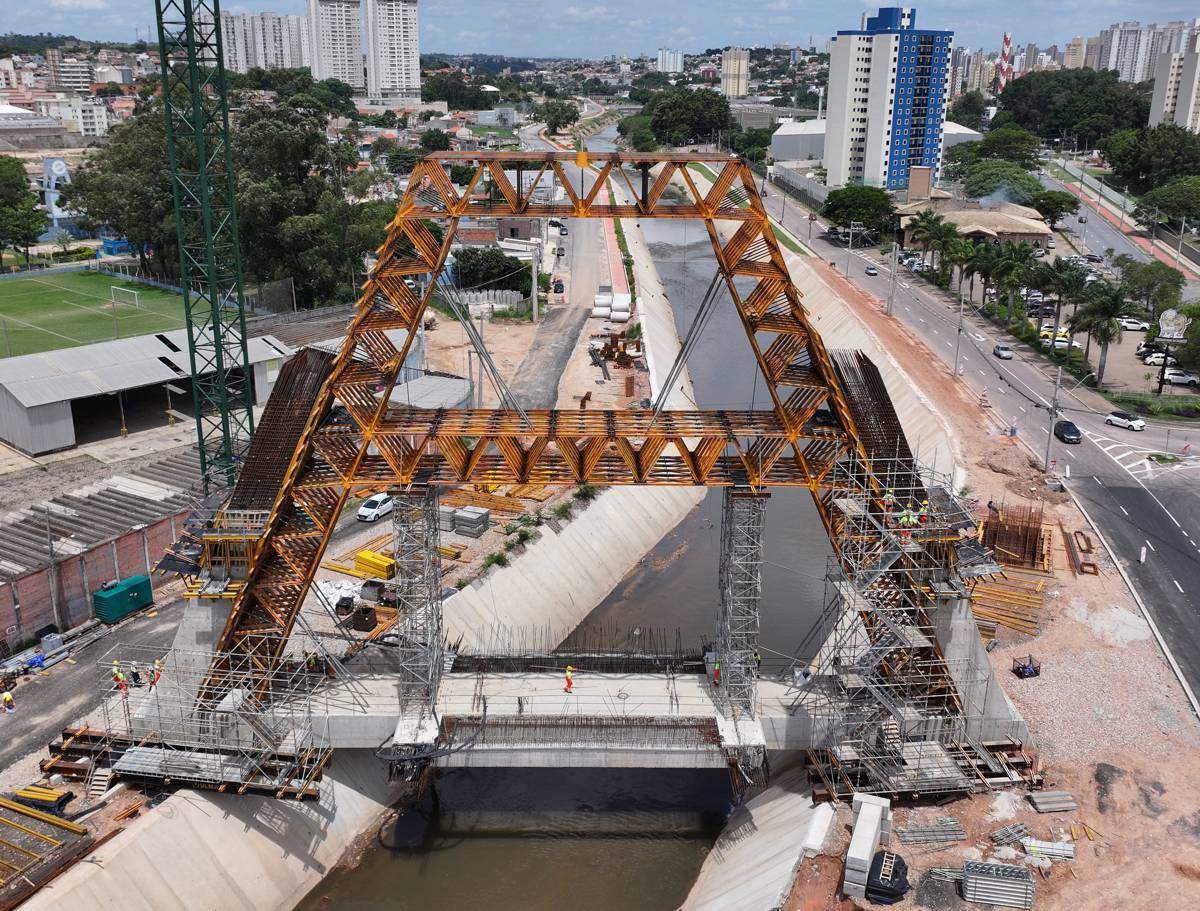
The bridge forms part of the extension of Avenida Antônio Frederico Ozanan, connecting the Ozanan Corridor to Avenida Luís Latorre. The broader project extends approximately 5 kilometres in two directions, including four bridges, a tunnel, around 900 metres of river channel improvement, a linear landscape park, and a cycle path. Approximately R$100 million comes from the São Paulo State government, with R$43 million from municipal funds. This co-financing model is common in medium-sized Brazilian transport projects, influencing both procurement timelines and the political visibility of the works.
For ULMA, the Jundiaí contract consolidates its market position in a series of consecutive bridge projects in Brazil. The company has previously provided temporary works for the Estaiada Bridge on Rio de Janeiro's Metro Line 4, an arch landmark bridge connecting major São Paulo avenues, and the cable-stayed section of the Via Mangue highway in Recife. In a market where contractors are cautious about entrusting critical temporary works to unproven suppliers, an accumulated reference base is crucial. The formwork and shoring market is dominated by a few engineering-led international suppliers, with competition shifting from product catalogues to project-specific design quality and site support. ULMA's integrated approach pre-empts complexity from the critical path, transforming temporary works from a cost item into schedule insurance.
Upon completion, the bridge will be notable for its span and cables, but for the industry, the more lasting lesson lies in how it was built. The combination of pre-assembled truss structures, single lifts, simultaneous deck construction, and access systems rising in sync with the pour points points to a shift in competition among temporary works suppliers towards engineering and coordination capabilities rather than sheer tonnage. Projects like the Ozanan extension, which integrate bridges, tunnels, drainage, and public realm within a single funding framework, will continue to require this integrated capability.
Related Products

RISITA explosion-proof air conditioning
Guangdong RISITA Air Conditioning Equipment Co.,Ltd.
Ceiling light | led Ceiling Light | LED Indoor light | LED Ceiling lighting
Queendom Group Technology Co., Ltd.
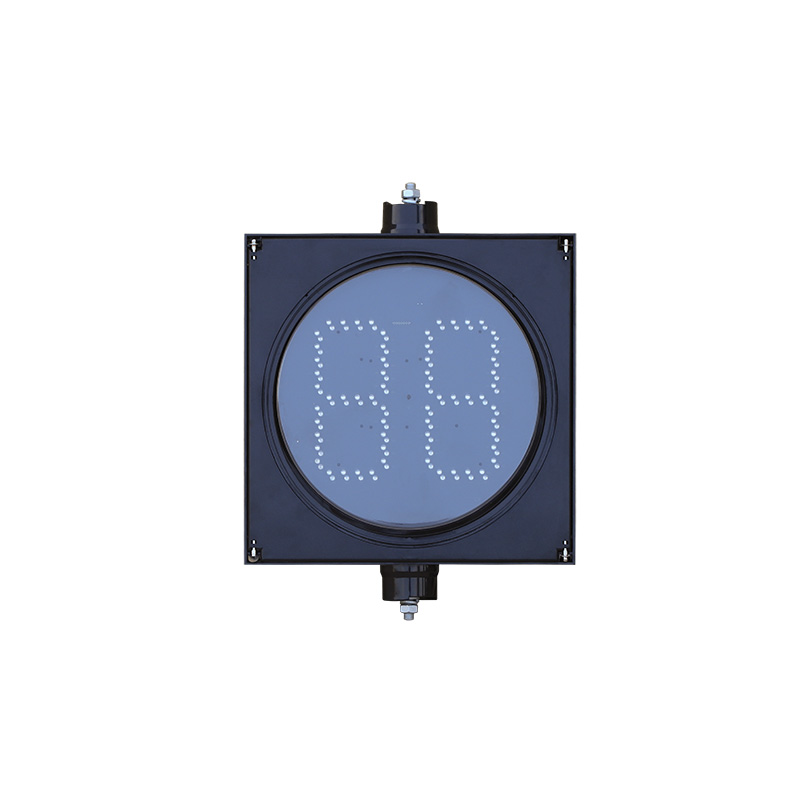
300mm Segment Type Countdown Traffic Light (Core Type)
Yangzhou FAMA Intelligent Equipment Co., Ltd.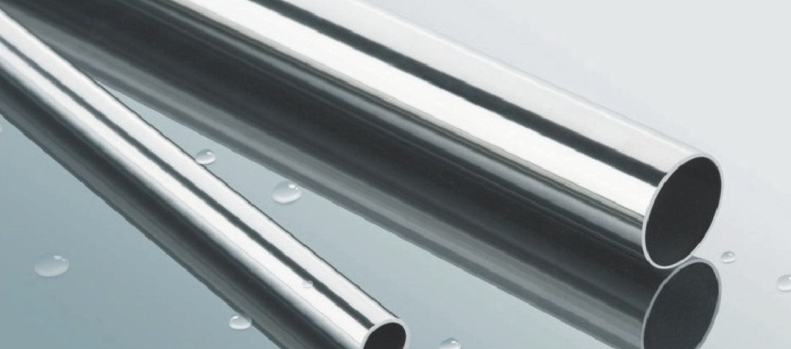
ERW Welded Pipe (Black Pipe and Hot-dip Galvanized Steel Pipe)
Handan Zhengda Steel Pipe Co., Ltd.
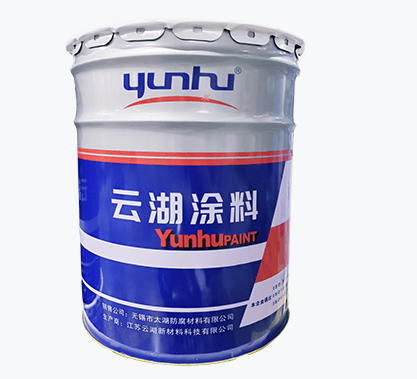
YHTank8400N Solvent-Free Liquid Epoxy Coating
JIANGSU YUNHU NEW MATERIAL TECHNOLOGY CO., LTD.
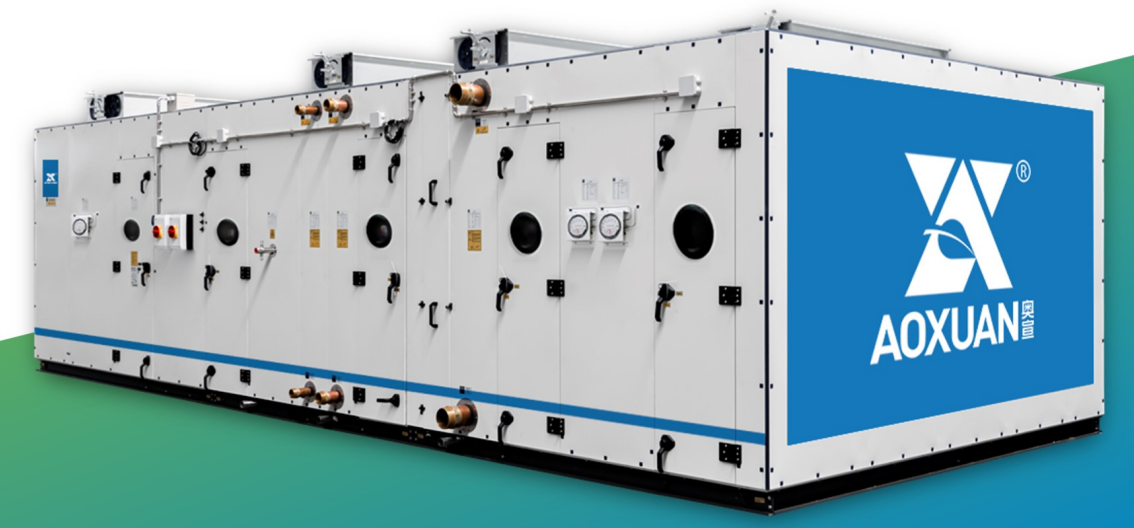
Aoxuan Intelligent Precision Air Conditioning Unit
SHANGHAI AOXUAN PURIFICATION TECHNOLOGY CO., LTD.