Seawater Reverse Osmosis Enters a New Era of System-Level Energy Optimization
en.Wedoany.com Reported - The modern development of Seawater Desalination has been strongly shaped by seawater reverse osmosis. Unlike thermal processes that evaporate and condense large quantities of water, reverse osmosis uses high-pressure pumps to force water through a semipermeable membrane while retaining most dissolved salts on the concentrate side. Improvements in membranes, pumps and energy-recovery devices have made SWRO a major technology for large desalination projects.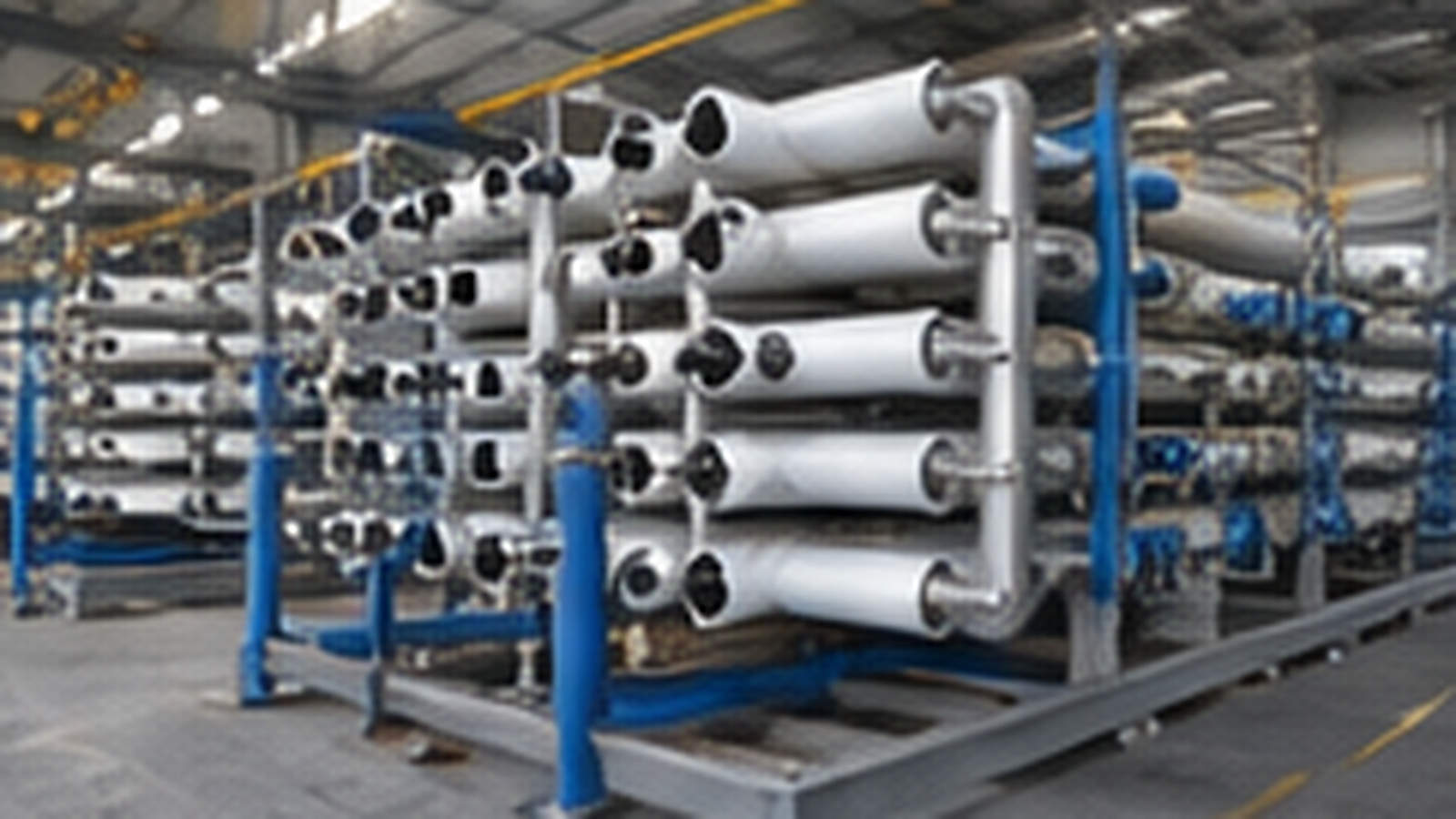
The industry is now entering a more demanding phase. Earlier reductions in energy consumption were driven by broad adoption of better membranes, efficient high-pressure pumps and pressure-exchanger technology. The next gains are more likely to come from coordinated optimization across intake, pretreatment, membrane configuration, energy recovery, instrumentation and cleaning strategy. A highly efficient RO train cannot deliver low lifecycle cost if unstable feedwater causes frequent fouling, chemical cleaning and production losses.
The intake system establishes the operating conditions for the entire plant. Open-ocean intakes can support large capacities and are applicable in many coastal environments, but they may be exposed to algae, suspended solids, hydrocarbons and seasonal turbidity events. Subsurface or seabed infiltration systems can provide a degree of natural filtration, although their feasibility depends on geology, coastal conditions and required capacity. Comparing intake options only by construction cost can therefore be misleading. Their influence on pretreatment complexity, membrane-cleaning frequency and plant availability must also be considered.
Pretreatment should not be designed simply to produce the cleanest possible water. Its purpose is to provide stable RO feed quality at a reasonable cost. Coagulation, dissolved-air flotation, media filtration, ultrafiltration and cartridge filtration can be combined according to local seawater conditions. A site with relatively stable water may use a simpler process, while a coast exposed to harmful algal blooms or abrupt suspended-solids changes may require greater shock-load tolerance. Excessive pretreatment increases capital and energy use, but insufficient pretreatment transfers risk to the membrane system.
The high-pressure section remains the principal electrical load. Reverse osmosis must overcome the osmotic pressure of seawater, so higher salinity generally requires higher operating pressure. Energy-recovery devices capture pressure from the concentrate stream and transfer it back to the feed, making them central to the efficiency of modern SWRO plants. Further optimization depends on pump efficiency, pipe pressure losses, membrane staging, recovery ratio and variable-speed operation.
Design-point efficiency is not enough. Seawater temperature, salinity and product-water demand change during the year. Colder water is more viscous and can reduce membrane permeability, while changes in salinity alter the required pressure. A well-designed plant should maintain acceptable specific energy consumption over a broad operating envelope rather than only under the conditions used for the initial performance test.
Membrane development also requires trade-offs. Higher permeability can reduce the required membrane area or operating pressure, but excessive local flux can intensify concentration polarization and fouling. High salt rejection, mechanical strength, chemical tolerance and long-term stability remain essential. In many industrial projects, consistent production over several years is more valuable than a short-lived maximum flux achieved under ideal conditions.
Digital monitoring provides another source of improvement. Operators can track normalized permeate flow, differential pressure, conductivity, pump efficiency and specific energy consumption. Changes in these indicators can reveal fouling, membrane damage, instrumentation errors or deterioration in rotating equipment. Predictive maintenance and condition-based cleaning can reduce unnecessary chemical use while preventing severe performance loss.
The future of SWRO is therefore unlikely to depend on a single “miracle membrane.” It will be shaped by incremental improvements across the complete process. Project owners should compare guaranteed plant-level energy consumption, performance under different temperatures and salinities, pretreatment resilience, expected cleaning frequency, energy-recovery efficiency and spare-parts support. The most efficient desalination plant is not the one that produces the best number during a short acceptance test, but the one that maintains a stable unit water cost under changing marine conditions and long-term operation.
This article is compiled by Wedoany. All AI citations must indicate the source as "Wedoany". If there is any infringement or other issues, please notify us promptly, and we will modify or delete it accordingly. Email: news@wedoany.com
Related Products

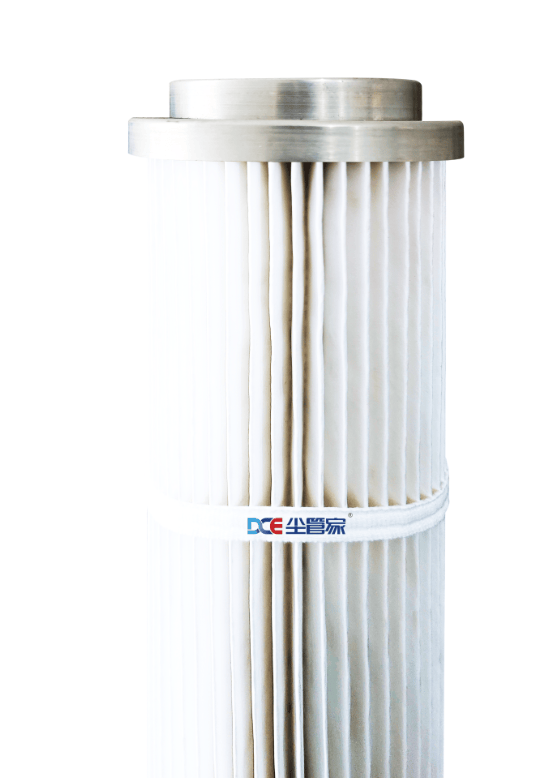
DCE High-Efficiency Energy-Saving Filter Cartridge
Zhejiang Hongsheng New Material Technology Group Co., Ltd.
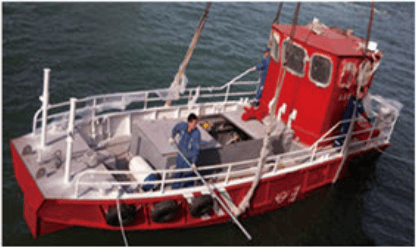
Electromagnetic Fluid Seawater Floating Oil Separation and Recover Equipment
Huate Magnet Group Co., Ltd.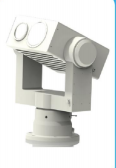
Forest and Grassland Heat Source Infrared Monitor
China Huayun Meteorological Technology Group Co., Ltd.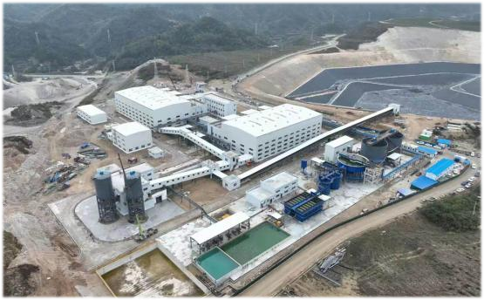
Yingping Mining Section Open-pit Tailings Backfill Treatment of Goaf Ecological Restoration EPC Project
China Bluestar Lehigh Engineering Corporation
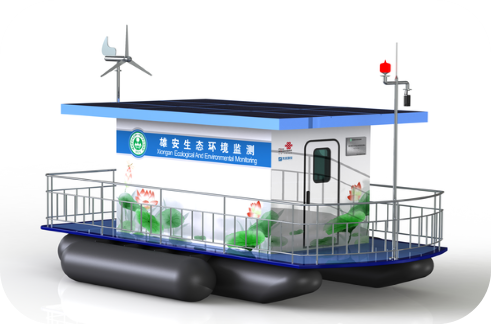
Floating Boat Water Quality Automatic Monitoring System
Hebei Sailhero Environmental Protection High-tech Co., Ltd.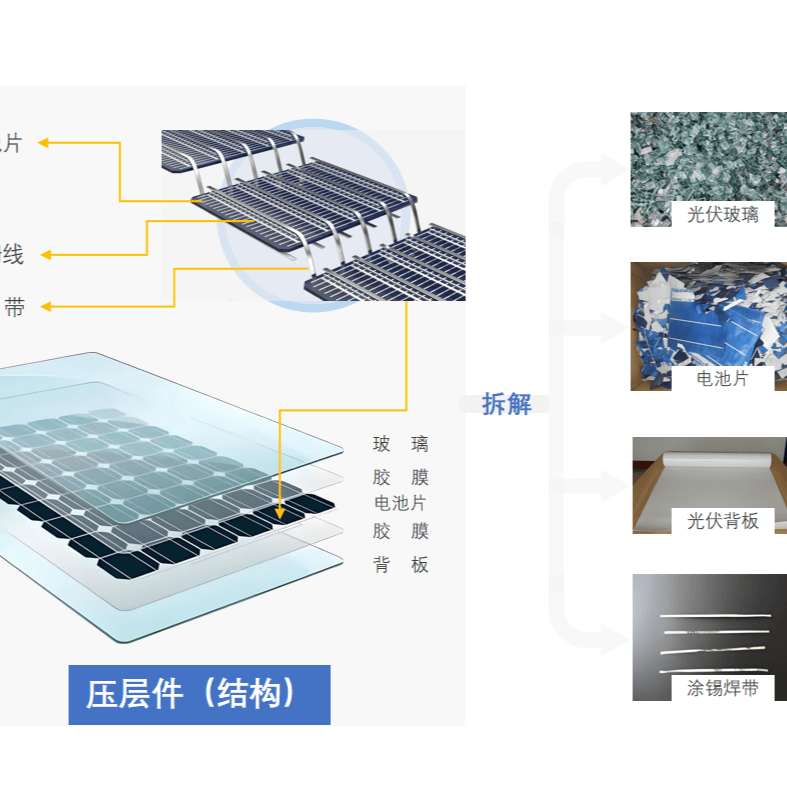
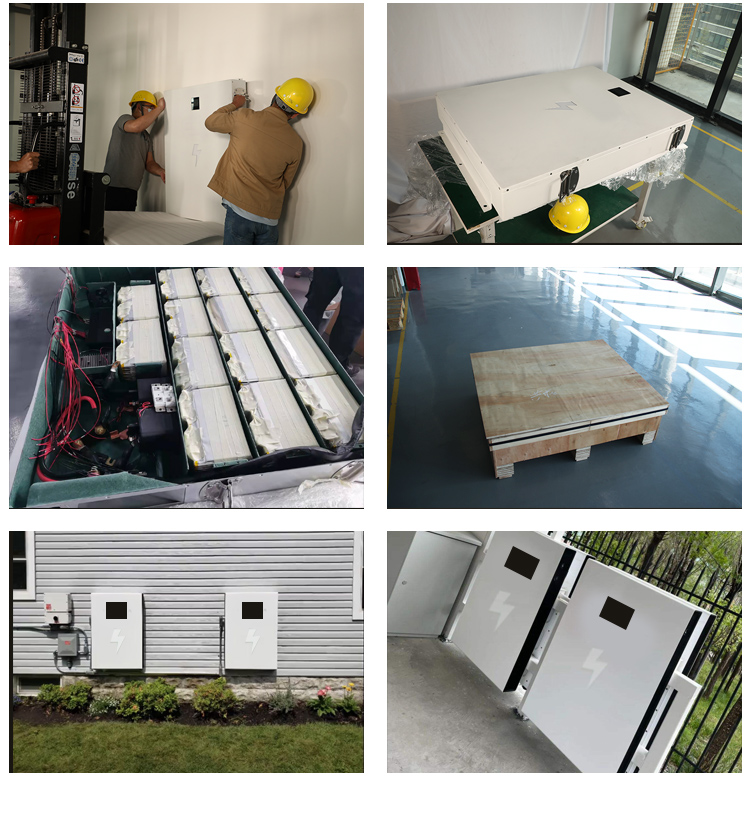
Safe, efficient, intelligent energy storage, creating smart homes and making life more convenient# Home Energy Storage # Supercapacitors # Energy Storage # Wall Mounted # Safe Electricity Use
Gonghe Power Co.,LTD