From Stack Materials to Balance of Plant: What Determines PEM Fuel Cell Reliability?
en.Wedoany.com Reported - The rated output and peak efficiency of Proton Exchange Membrane Fuel Cells are easy to compare on a data sheet, but they do not fully explain how a system will perform after thousands of operating hours. Long-term reliability is determined by the interaction of the membrane electrode assembly, catalyst, gas diffusion layers, bipolar plates, air supply, humidification, cooling, water management, sensors and control software.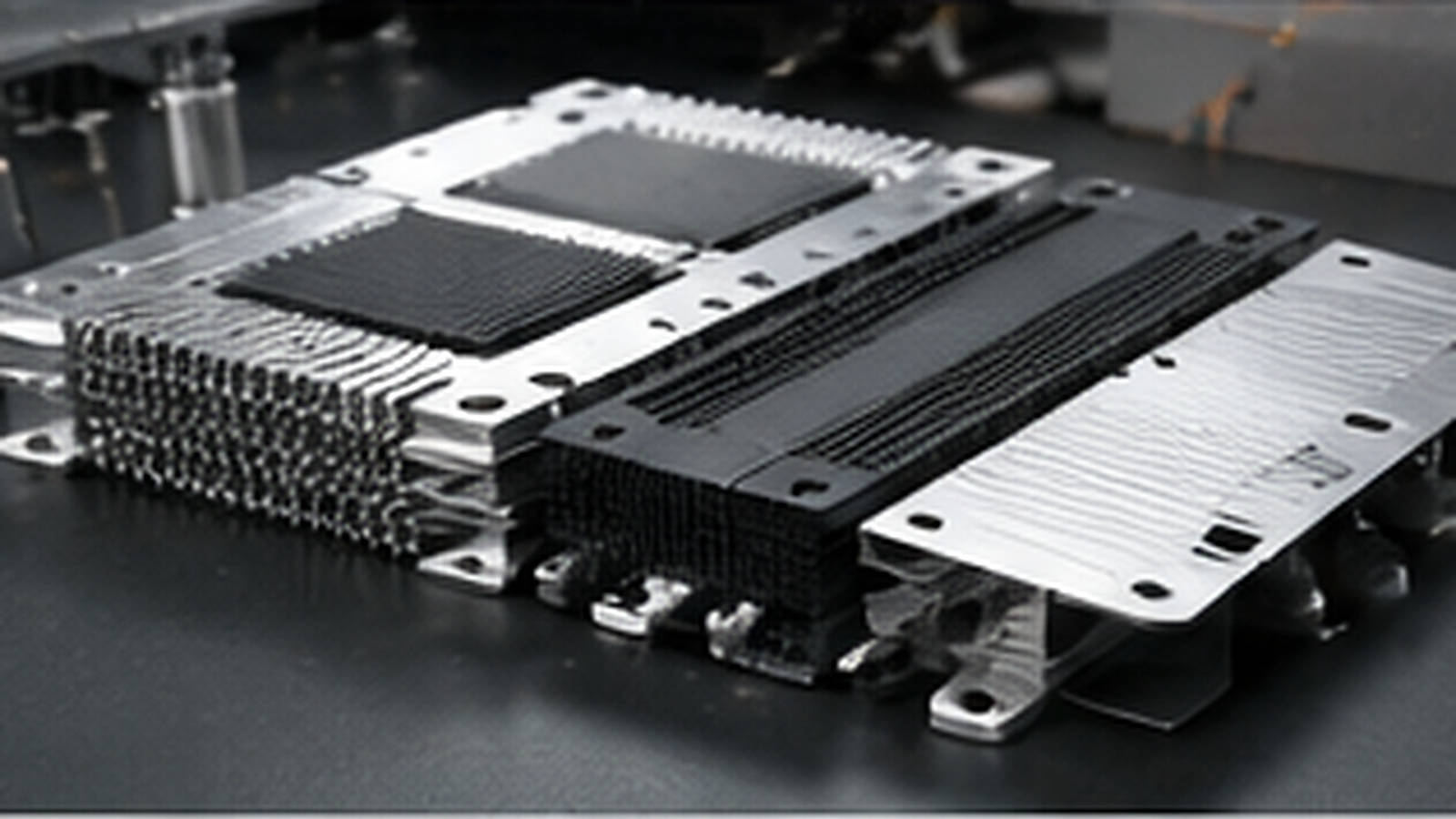
The membrane electrode assembly is the electrochemical center of the stack. The proton exchange membrane must conduct positively charged ions while blocking electrons and limiting the crossover of reactant gases. If the membrane becomes too dry, proton conductivity falls and electrical resistance rises. If too much liquid water accumulates, gas channels can flood and restrict oxygen transport to the catalyst. Water management is therefore not a secondary function. It directly affects power uniformity, efficiency and degradation.
Environmental conditions make the challenge more complex. Ambient temperature, humidity and altitude all influence air density, compressor demand, heat rejection and the internal water balance of the stack. A fuel-cell system that performs well in a controlled laboratory may behave differently in a high-altitude mine, a cold logistics terminal or a humid coastal port. Engineering validation must consequently include realistic duty cycles and environmental testing rather than relying only on steady-state power curves.
Catalyst cost and durability remain central research priorities. Platinum-group metals provide high catalytic activity, but the catalyst layer can lose active surface area through dissolution, particle growth, contamination and repeated high-potential events. Lowering precious-metal loading can reduce manufacturing cost, yet excessive reduction may compromise power density or durability. The engineering objective is not simply to use less platinum, but to obtain more stable electrochemical performance from each unit of catalyst over the required service life.
Bipolar plates perform several functions at once. They distribute hydrogen and air, conduct current between cells, help remove heat, separate reactant gases and provide mechanical support. Their materials and coatings must combine electrical conductivity, corrosion resistance, gas tightness, strength and manufacturability. Thin metallic plates can support compact stack designs and high-volume forming processes, but their surfaces must resist corrosion and increases in contact resistance. Graphite-based plates can offer strong corrosion performance, although brittleness, thickness and machining cost may limit some applications.
The balance of plant can be just as important as the stack. The air compressor must supply sufficient oxygen, but it also consumes a meaningful share of the generated electricity. Hydrogen recirculation devices, coolant pumps, valves, heaters and electronic controls add further parasitic loads. A stack may show strong gross efficiency at a selected test point while the complete system delivers a less impressive net output. Good design requires coordinated control of pressure, temperature, humidity, air stoichiometry and auxiliary power consumption.
Fuel quality is another system boundary that cannot be ignored. Certain contaminants can adsorb on catalyst surfaces and reduce reaction activity. Projects using delivered hydrogen, industrial by-product hydrogen or hydrogen produced through reforming must include appropriate purification, monitoring and protective shutdown logic. The equipment supplier should clearly define allowable impurity levels and explain how the system detects fuel-quality problems before irreversible degradation occurs.
Operating strategy also influences service life. Frequent start-stop cycles, fuel starvation, prolonged idle operation, rapid load changes and subfreezing starts can expose the stack to conditions that are more damaging than stable rated operation. Hybridization with a battery can reduce some of these stresses by allowing the battery to absorb rapid transients and regenerative energy. Control software can also maintain the stack within a more favorable operating region, but only when it is calibrated for the actual application.
The U.S. Department of Energy publishes technical targets for membrane electrode assemblies, membranes, electrocatalysts and bipolar plates, reflecting an industry-wide shift from initial performance toward the combined optimization of cost, durability and operating robustness. This is an important message for equipment buyers: a high peak power figure is not a substitute for validated degradation data and well-engineered auxiliary systems.
As PEM fuel cells mature, competition will increasingly resemble competition among established industrial machines. Buyers will compare production consistency, diagnostic capability, spare-parts availability, maintenance intervals and lifecycle cost. A credible technical evaluation should therefore examine stack degradation, net system efficiency, environmental tolerance, hydrogen-quality requirements, control strategy and service support. The stack is essential, but the reliability of the complete system determines whether the technology creates value in the field.
This article is compiled by Wedoany. All AI citations must indicate the source as "Wedoany". If there is any infringement or other issues, please notify us promptly, and we will modify or delete it accordingly. Email: news@wedoany.com
Related Products

Modular Multifunctional Water Supply and Drainage Vehicle (18T)
Changsha Dewater Machinery Technology Co., Ltd.
5012kWh DC Energy Storage System TD-EES-5012kWh
Suzhou Tongding Xindong Energy Storage Technology Co., Ltd.
PCS-901 Series Ultra (Extra) High-voltage Transmission Line Complete Protection Device
Nanjing NR Electric Co., Ltd.
6kV-35kV Medium and High Voltage Direct-Connected Energy Storage System
Hainan Jinpan Smart Technology Co., Ltd.
MAX-12 series Environmental Protection/SF6 gas insulated switchgear (C-GIS)
Murge Electric Co.,Ltd.