Why PEM Fuel Cells Are Moving Toward Heavy-Duty Mobility and Resilient Power
en.Wedoany.com Reported - Proton Exchange Membrane Fuel Cells were once widely presented as a potential mainstream power source for passenger vehicles. The rapid expansion of battery-electric cars has changed that debate. Instead of competing equally across every transport segment, PEM fuel cells are increasingly being evaluated for applications where long operating hours, short refueling windows, high equipment utilization and sustained power output matter more than the simplicity of overnight charging.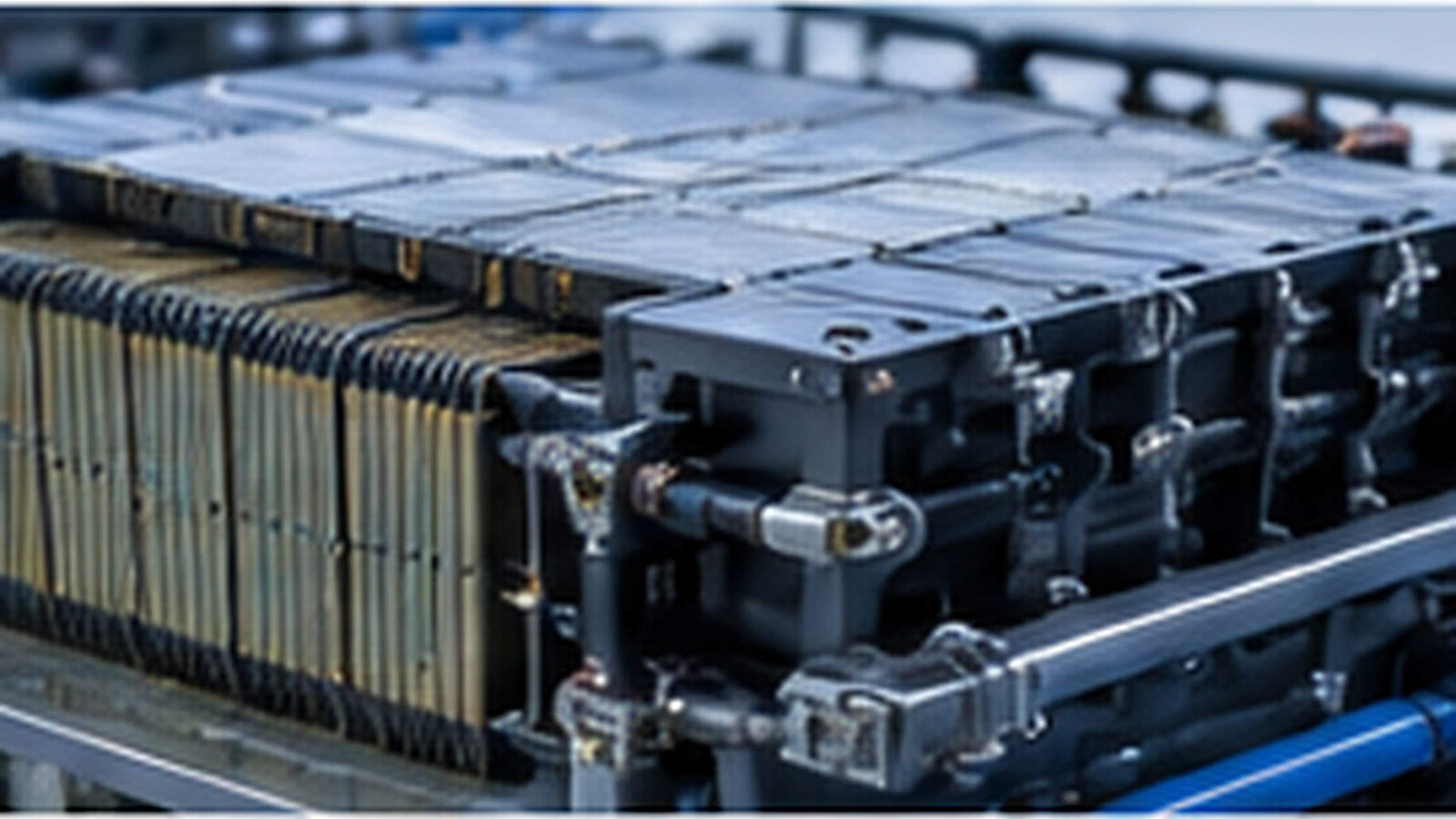
A PEM fuel cell uses a proton-conducting polymer membrane as its electrolyte. At the anode, a catalyst separates hydrogen into protons and electrons. The electrons travel through an external circuit and generate electric power, while the protons cross the membrane and react with oxygen and electrons at the cathode to form water and heat. Because PEM systems operate at comparatively low temperatures, they can start relatively quickly and adjust their output to changing loads. These characteristics explain why the technology remains relevant for vehicle propulsion as well as stationary power.
The commercial case, however, cannot be assessed by stack efficiency alone. The economics of a fuel-cell vehicle depend on the entire energy chain: how hydrogen is produced, transported and stored; how frequently a refueling station is used; how the fleet is dispatched; how many hours the vehicle operates; and how costly downtime is to the operator. For passenger cars with predictable access to charging, batteries can provide a more direct solution. For commercial vehicles that must remain in service for long periods and have limited time for refueling, hydrogen can offer a different operational value proposition.
Heavy-duty transport places particular importance on energy storage mass and payload. Adding more battery capacity can increase vehicle weight and reduce available cargo capacity. Fuel-cell vehicles therefore commonly use a hybrid architecture in which the fuel-cell stack supplies continuous power while a battery handles acceleration peaks, regenerative braking and rapid load changes. This arrangement is not simply a compromise. It can protect the fuel-cell stack from aggressive transients and repeated start-stop events while allowing designers to optimize hydrogen storage, battery size and system efficiency for a specific duty cycle.
This also changes the way the technology should be compared with battery-electric systems. The practical question is not whether fuel cells can replace batteries, but how the two devices should be combined. A port tractor, long-haul truck, mine vehicle or intercity bus may require a different balance between stack power, battery capacity and hydrogen storage. Equipment manufacturers that design around actual routes, gradients, ambient temperatures and loading patterns are more likely to deliver reliable systems than those that market a standardized powertrain for every application.
Resilient stationary power is another promising area. Data centers, telecommunications sites, hospitals, transport hubs and emergency facilities require backup systems that can start quickly, operate quietly and continue running during an extended grid outage. A battery-only system is well suited to short-duration backup, but the operating time of a fuel-cell system can be extended by increasing the available hydrogen supply. At the point of use, hydrogen fuel cells produce water and heat rather than combustion exhaust, although the full emissions benefit still depends on how the hydrogen is produced.
The main constraint is that equipment development is advancing faster than the low-emissions hydrogen supply chain. The International Energy Agency reported that global hydrogen demand reached almost 100 million tonnes in 2024, but demand from new applications remained a very small share of the total. Most hydrogen is still consumed in refining and established industrial processes. This gap shows why fuel-cell deployment cannot depend entirely on the future construction of a universal public hydrogen network.
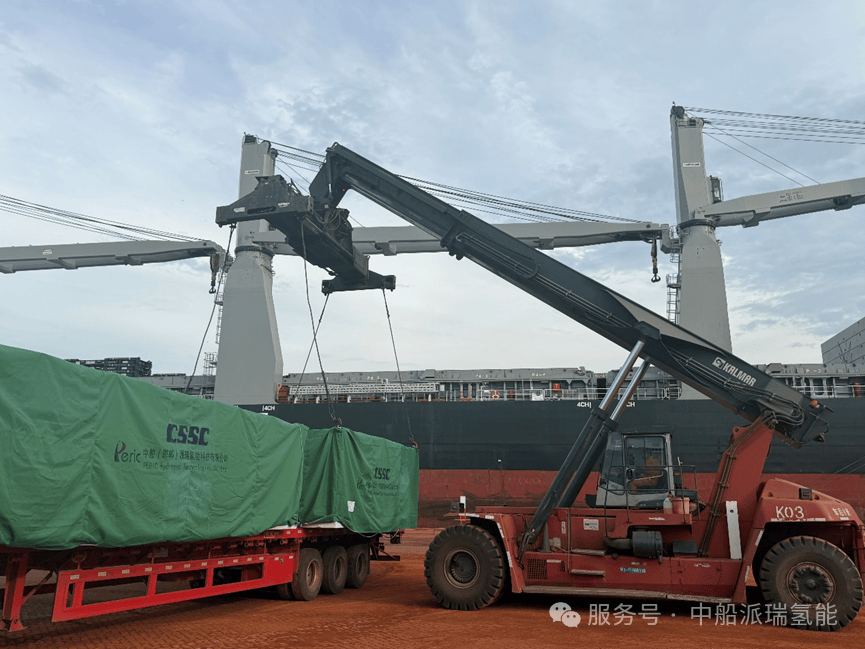
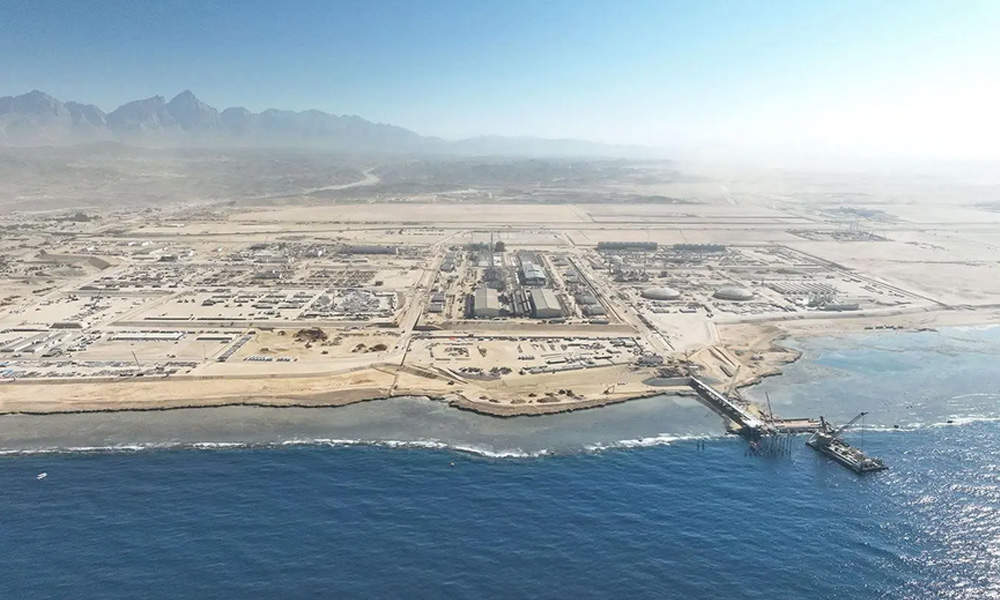
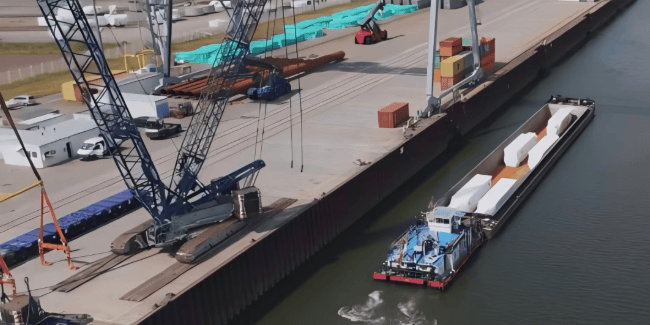
The more realistic near-term model is a concentrated ecosystem built around ports, logistics parks, mines, industrial clusters and critical infrastructure. These locations can aggregate demand, establish predictable operating schedules and share hydrogen production, storage or refueling assets. Higher asset utilization can spread infrastructure costs over more kilograms of hydrogen and more operating hours.
For PEM fuel cells, the next phase of commercialization will therefore be determined by systems integration rather than stack specifications alone. Power density and catalyst loading remain important, but successful projects must also deliver maintainability, fuel availability, fleet-level control and repeatable economics. The strongest applications will be those in which hydrogen solves a measurable operational problem rather than serving only as a symbolic alternative fuel.
This article is compiled by Wedoany. All AI citations must indicate the source as "Wedoany". If there is any infringement or other issues, please notify us promptly, and we will modify or delete it accordingly. Email: news@wedoany.com
Related Products
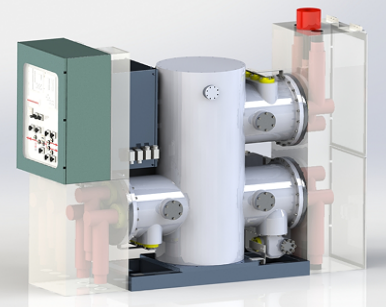


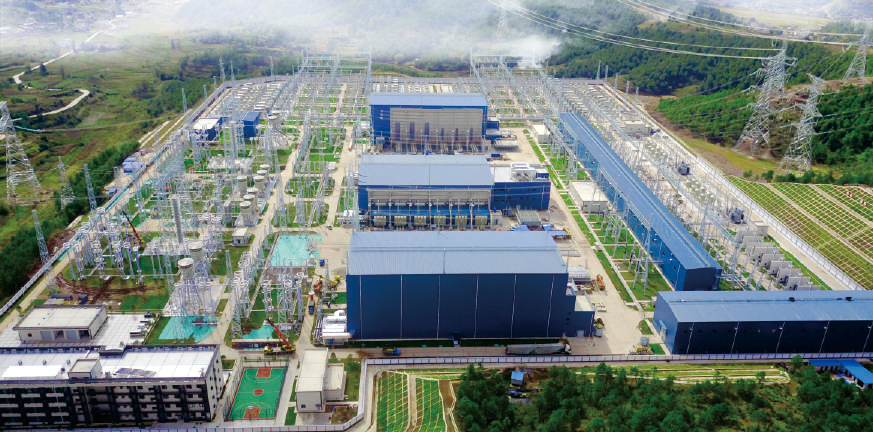
High-voltage Direct Current (HVDC) Transmission System Research and Integrated Design
XI'AN XD POWER SYSTEMS CO., LTD.
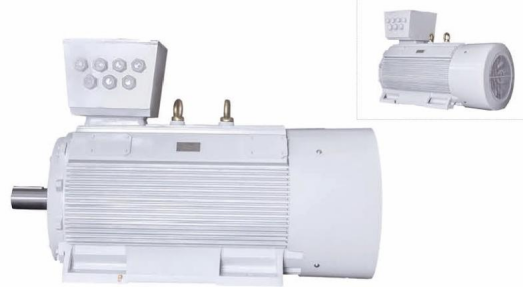
YE3 Series Low Voltage High Power Three-Phase Asynchronous Motor
Shandong Lijiu Electrical Machinery Co., Ltd.
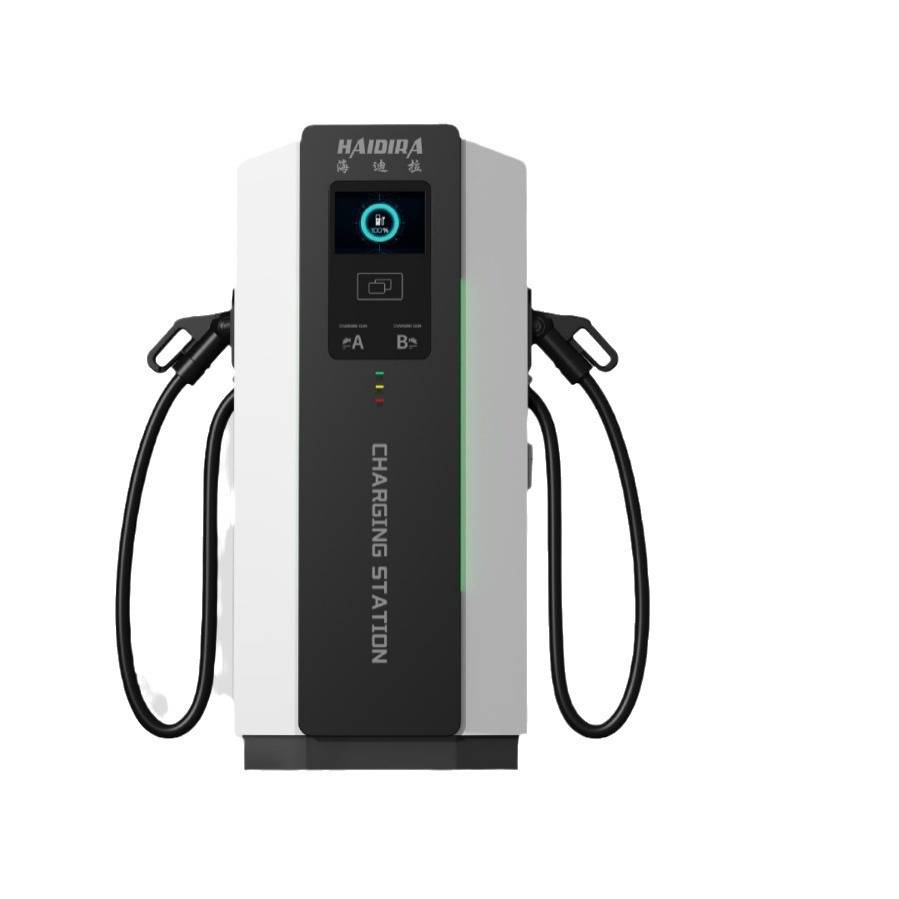
Manufacturer Direct Sales Tesla New Energy Electric Vehicle Universal DC 180kW Dual-gun Charging Pile Commercial Fast Charger
Anhui Haidira Electric Technology Co., Ltd.
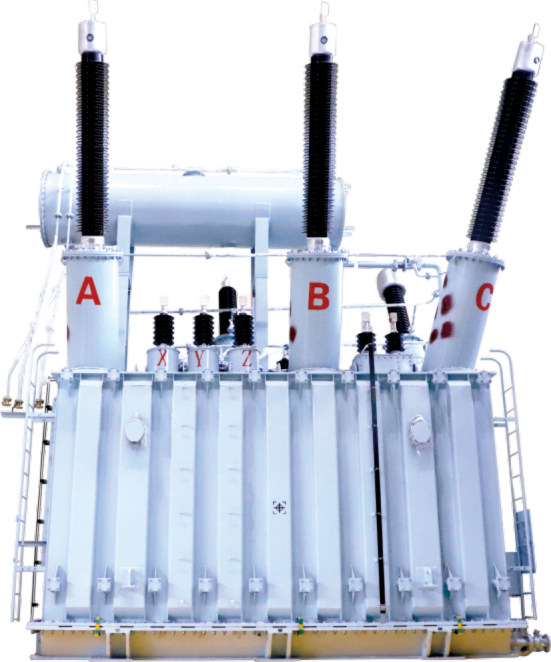
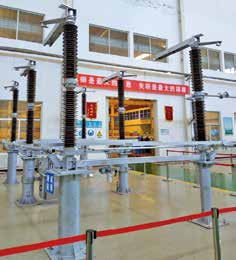
GW4-40.5/72.5/126/145/170/252/363/420 Series Double-column Horizontal Rotary High-voltage AC Disconnect Switch
SHANDONG TAIKAI DISCONNECTORS CO., LTD.