Why Transformer Lifecycle Cost Matters More Than Initial Purchase Price
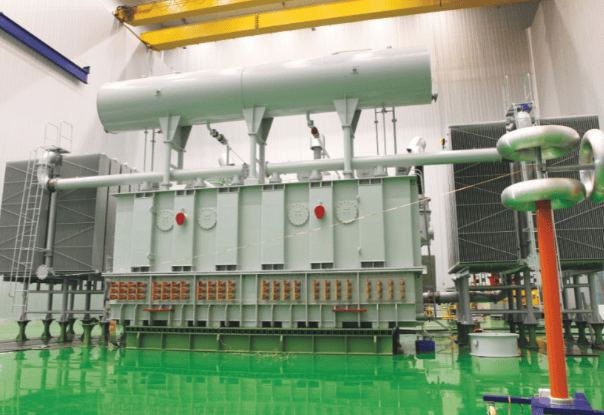
en.Wedoany.com Reported - A transformer may operate for twenty years or longer, and the initial purchase price represents only part of lifecycle cost. No-load loss, load loss, auxiliary electricity, maintenance, outage losses, and final replacement all affect total project cost.
No-load loss continues whenever the transformer is energized, even when the load is very low. For equipment that remains energized throughout the year but operates at a low average load factor, no-load loss can create a significant lifetime cost.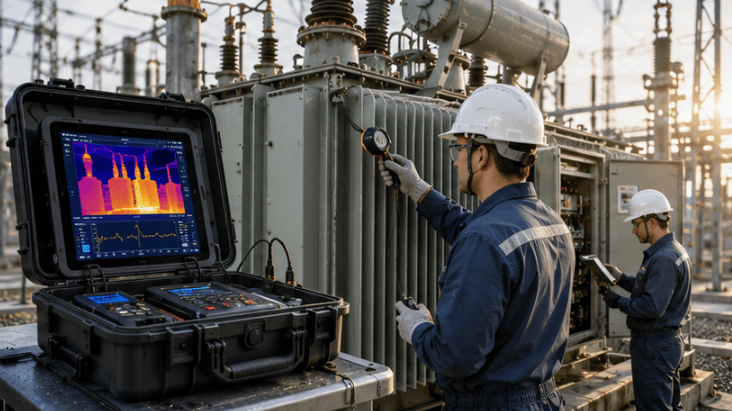
Load loss increases with current and is approximately related to the square of current. A high load factor, harmonics, or continuous overloading increases heating in windings and structural components and may accelerate insulation ageing.
When comparing alternatives during Transformer Selection, losses should be converted into electricity cost over the expected operating period rather than comparing nameplate efficiency alone. Electricity prices, load curves, operating hours, and future energy costs affect the economic value of losses.
A high-efficiency transformer may have a higher purchase price, but electricity savings can offset the additional investment in applications with long operating hours and high utilization. Equipment operating at very low load or for short periods requires a different economic evaluation.
Temperature is an important factor affecting transformer life. Cooling-system failure, contaminated radiators, stopped fans, or continuous overloading can increase winding hot-spot temperature and accelerate thermal ageing of insulation materials.
Condition monitoring can help identify developing problems. Dissolved gases in oil, winding temperature, oil temperature, partial discharge, bushing condition, and on-load tap-changer operating information can support maintenance planning and reduce unexpected outages.
Sound transformer selection should evaluate purchase price, losses, maintenance, reliability, and outage consequences together. The lowest-priced unit does not necessarily have the lowest total cost. The best lifecycle value comes from equipment that operates efficiently and reliably under the target load and environmental conditions.
This article is compiled by Wedoany. All AI citations must indicate the source as "Wedoany". If there is any infringement or other issues, please notify us promptly, and we will modify or delete it accordingly. Email: news@wedoany.com
Related Products

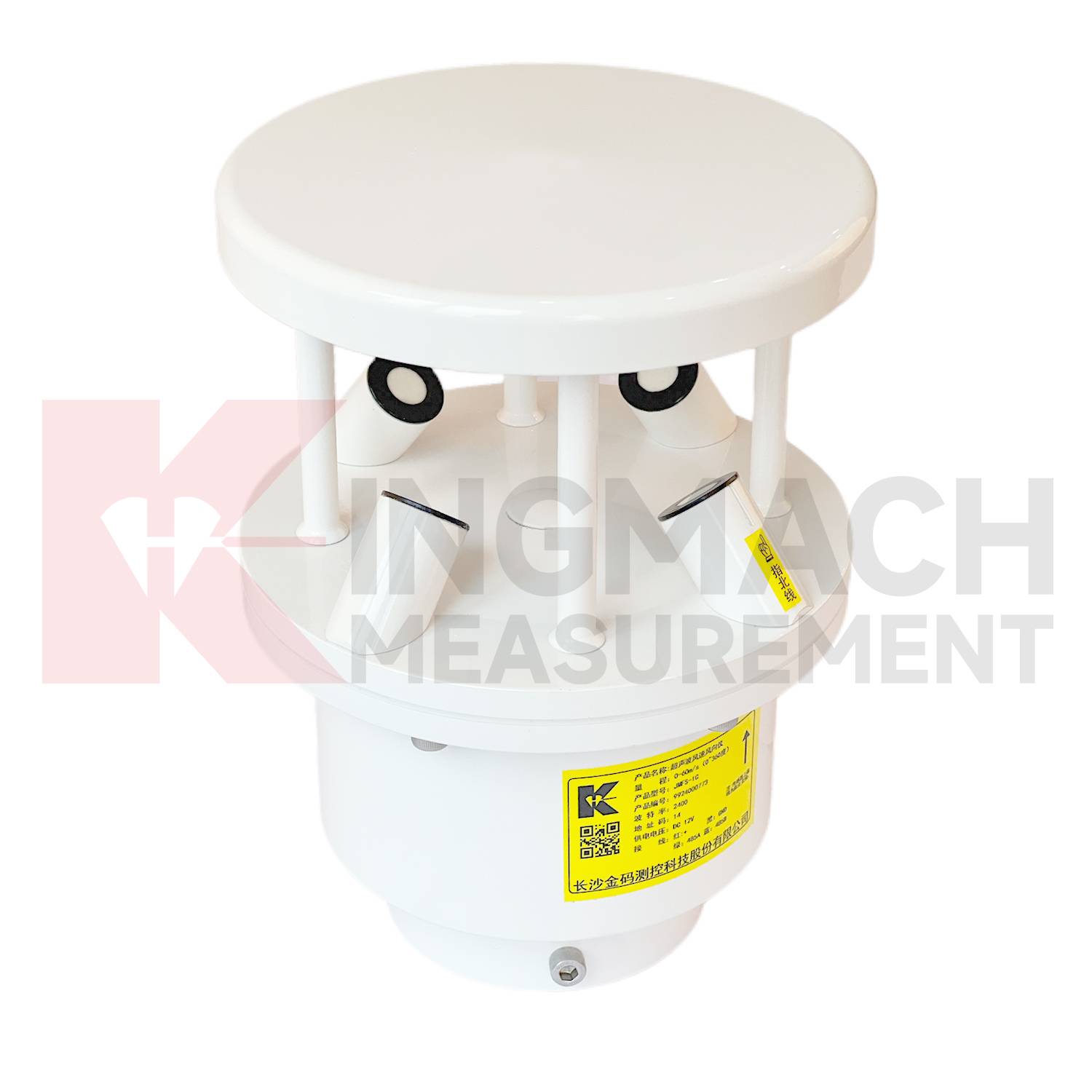
Ultrasonic Wind Speed and Direction Instrument
Kingmach Measurement & Monitoring Technology Co., Ltd.

Pneumatic high-pressure wear-resistant ball valve
Zhejiang Deca Control Valve Meter Co., Ltd.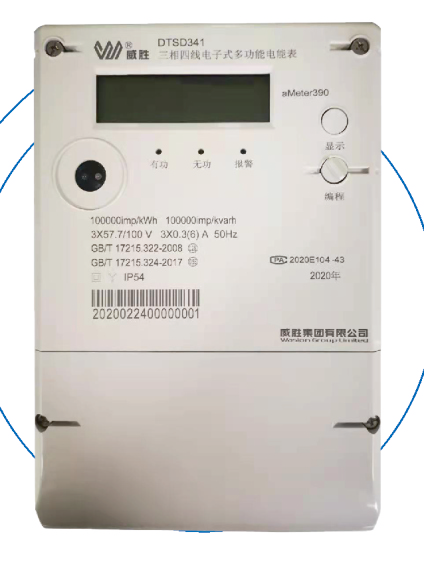
Overseas IEC Gateway Energy Meter - DTSD341/DSSD331-aMeter390
Wasion Group Limited Co., Ltd.
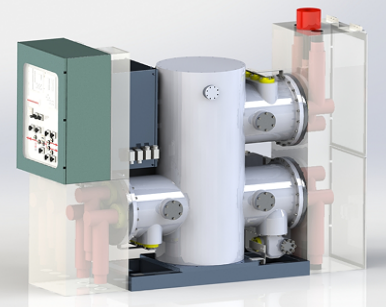

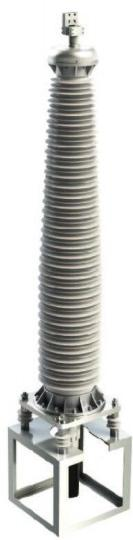
220kV Composite Outdoor Cable Terminal
Shenyang Guolian Cable Accessories Manufacture Co., Ltd.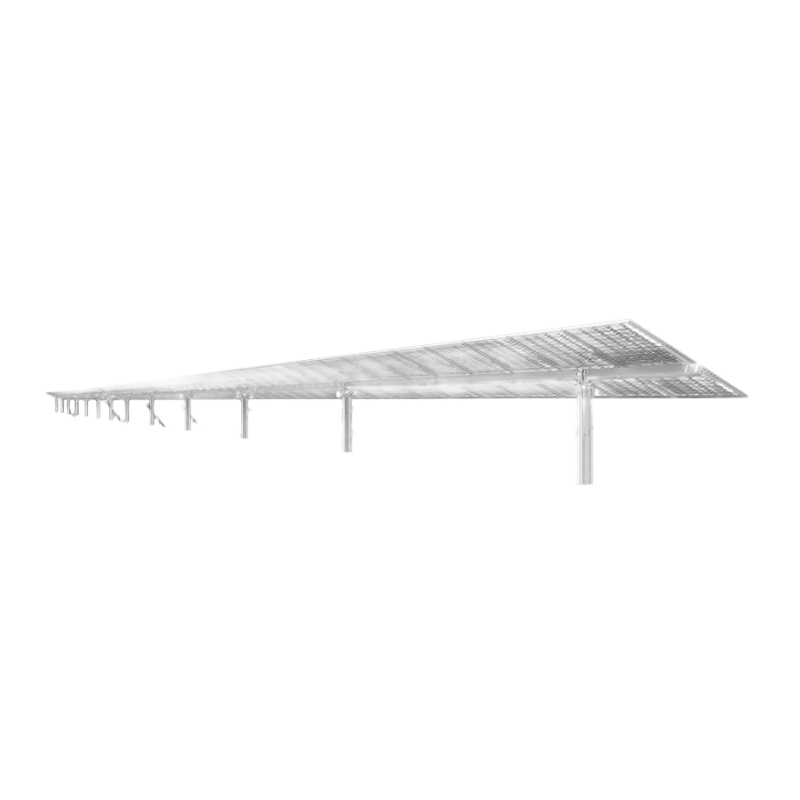
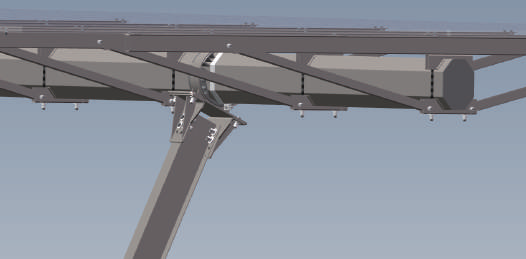
TAI Slew-drive Single-axis Independent 1P Tracking Bracket System
ANTAI TECHNOLOGY CO., LTD.