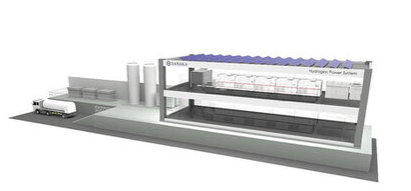
UK's ITM Power and Gore Release Ultra-Thin Proton Exchange Membrane Test Data, Estimated Operating Life of 80,000 Hours
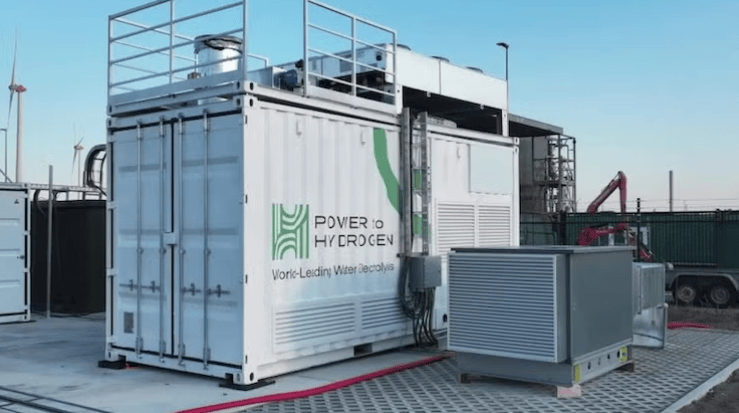
en.Wedoany.com Reported - UK electrolyzer manufacturer ITM Power and fluoropolymer company Gore have stated that they have demonstrated an ultra-thin proton exchange membrane (PEM) capable of achieving both higher efficiency and long-term durability in green hydrogen production.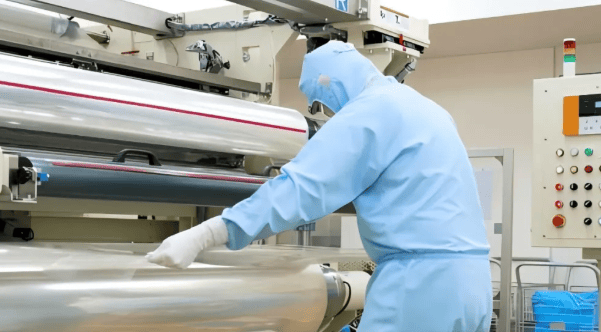
Results published in a Gore white paper show that a 50μm reinforced membrane operated for 11,000 hours under "industrially relevant conditions" while maintaining low degradation rates, low hydrogen crossover, and high efficiency.
This prototype membrane is significantly thinner than many PEM membranes used in today's commercial electrolyzers, which typically range from 100 to 180μm in thickness.
Based on multiple performance indicators including voltage degradation, hydrogen crossover, and fluoride release rate, ITM and Gore estimate that this membrane concept could achieve an operating life of approximately 80,000 hours.
This figure is a prediction based on observed degradation trends, not actual operating time.
While manufacturers have been seeking to reduce membrane thickness to lower resistance and improve efficiency, thinner membranes have traditionally been associated with increased hydrogen crossover and degradation issues.
During a webinar, Dr. Naima Heck, Technical Director for Clean Energy EMEA at Gore, stated that the industry is increasingly moving away from viewing membrane design as a simple trade-off.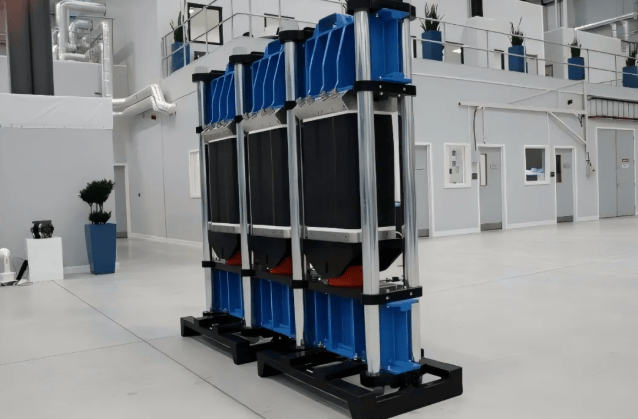
She said: "The 50μm concept discussed indeed shows the benefits of improved cell efficiency, and it also demonstrates that stable and safe operation can be maintained over an extended period."
The latest prototype combines a 50μm expanded polytetrafluoroethylene-reinforced PFSA membrane with an optimized composite catalyst design. According to the white paper, the membrane was tested for over 11,000 hours in a short stack with an active area of 130cm² under conditions of 55°C, 3.3A/cm², and a differential pressure of 20 bar.
The test recorded a voltage degradation rate of 1.2μV/h, equivalent to an annual performance degradation of less than 0.6%. Hydrogen crossover remained below 0.4% throughout the test, with efficiency ranging from 48.3 to 49.5 kWh/kg H₂.
The two companies stated that compared to an earlier 85μm prototype (which had accumulated 28,000 hours of testing), this membrane's area-specific resistance was reduced by approximately 40%, and efficiency improved by about 4%.
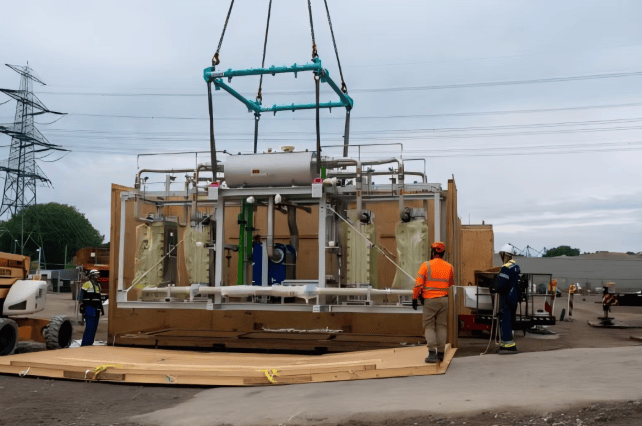
During one year of operation at Shell's Rheinland Refinery (totaling 30,000 hours), a 10MW ITM electrolyzer reported an average efficiency of 49 kWh/kg H₂, with a degradation rate of 0.09% per 1,000 operating hours.
The project was initiated in response to what the two companies described as a lack of publicly available long-term durability data for PEM electrolyzers operating under commercial conditions.
Frederic Marchal, Technical Director at ITM, stated that membrane durability is often misunderstood within the industry.
He said this collaboration aims to gain a deeper understanding of membrane behavior and degradation mechanisms, enabling both companies to push performance limits while reducing technical risk.
The two companies believe this work could ultimately reduce hydrogen production costs by decreasing the electricity required to produce each kilogram of hydrogen.
Discussing the economic impact, Heck said: "The most obvious point for cost reduction is first, if you consider thin membranes, they can help reduce the required energy input, which will translate into a lower levelized cost of hydrogen."
Marchal stated that the impact could extend beyond incremental improvements.
He said: "We expect the percentage improvement in efficiency to reach significant levels in the double digits, compared to what is achieved by today's state-of-the-art technology. So it is disruptive and impactful."
While the membrane is still a development-stage technology rather than a commercial product, Gore stated that these findings are informing its next-generation PEM electrolyzer membranes.
The two companies also stated that these results provide a platform for further exploration of higher temperature operation, higher current densities, and even thinner membrane designs.
Related Products

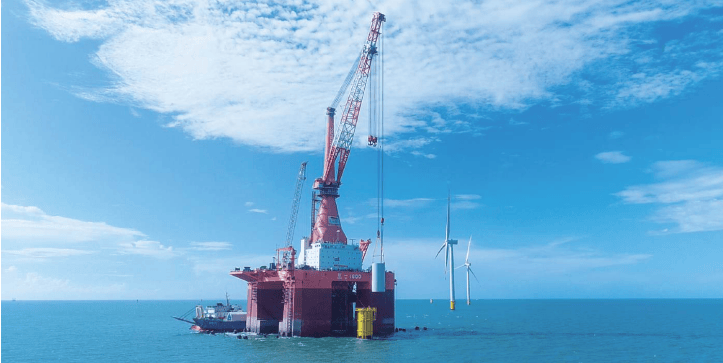
"Shunyi 1600" Deep-submerging Bottom-sitting Multi-functional Wind Power Engineering Vessel
Zhengli Offshore Engineering Co., Ltd.
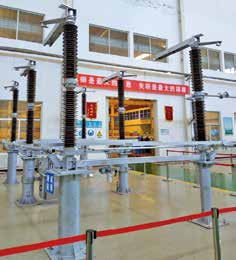
GW4-40.5/72.5/126/145/170/252/363/420 Series Double-column Horizontal Rotary High-voltage AC Disconnect Switch
SHANDONG TAIKAI DISCONNECTORS CO., LTD.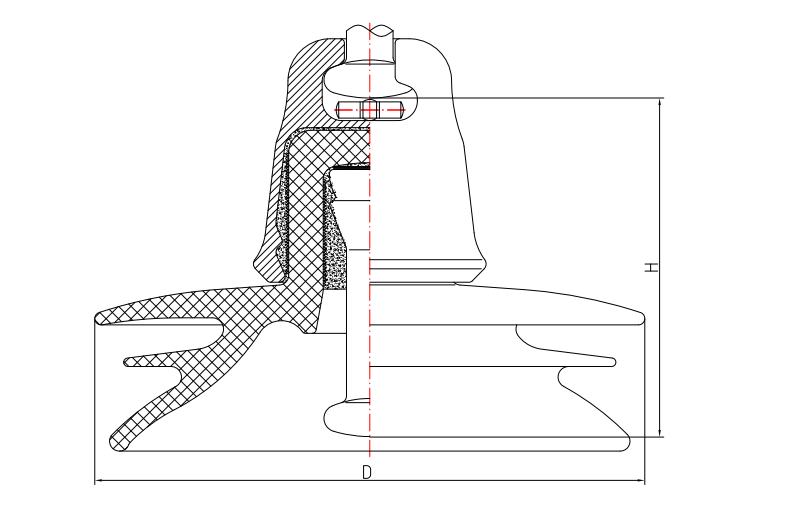
Post-type AC Pollution-resistant Disc Suspension Porcelain Insulator (Triple Umbrella Type)
Shandong High Voltage Insulator Co., Ltd.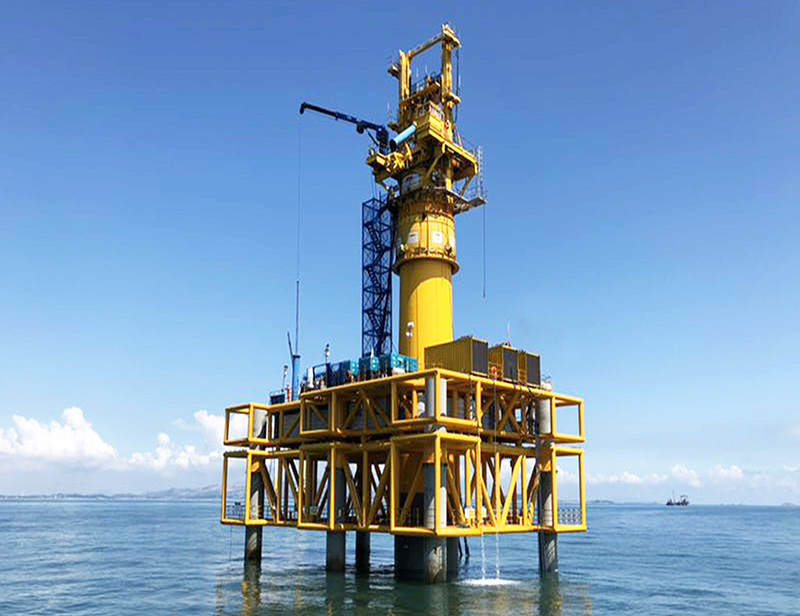
CITIC Heavy Industries Offshore Wind Power Equipment Hydraulic Pile Hammer
CITIC Heavy Industries Co., Ltd.
Quick-Change Single-Seat Control Valve / Quick-Change High-Pressure Single-Seat Control Valve
Beijing Consen Automation Technology Co., Ltd.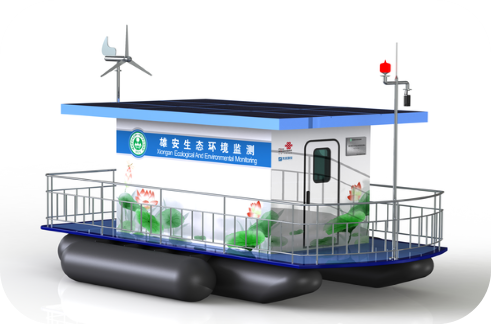
Floating Boat Water Quality Automatic Monitoring System
Hebei Sailhero Environmental Protection High-tech Co., Ltd.