Zimbabwe's Magaya to Build Largest Gold Processing Plant with Capacity Exceeding 5,500 Tons per Day
en.Wedoany.com Reported - Zimbabwean mining company Magaya Mining is promoting mercury-free gold recovery nationwide through a network of carbon-in-leach processing plants, while expanding its Gadzema mine into the country's largest gold processing facility. CEO Zweli Lunga stated that the company's strategic goal is to eliminate mercury use in artisanal and small-scale gold mining.
Artisanal and small-scale gold mining currently contributes over 75% of the gold to Zimbabwe's Fidelity Gold Refinery, but also brings severe environmental problems. A 2025 study shows that 96% of the country's artisanal mining sites still rely on mercury, discharging over 24 tons of mercury into water systems annually, and leading to deforestation and biodiversity loss. Lunga noted at an environmental awareness exchange event held at the Gadzema mine in Chegutu that mercury pollution is highly harmful, with a half-life of approximately 500 years, causing long-term contamination of water bodies and soil.
Magaya's carbon enrichment plants recover gold without mercury. Lunga explained that the company purchases ore from artisanal miners and pays in advance, then processes it through ball mills, thus avoiding mercury use. Currently, the company operates six plants in Zimbabwe, with a seventh plant set to begin production in Bulawayo within the next two weeks, designed with a capacity of 1,000 tons per day. Two months ago, it opened a plant in Kwekwe with a capacity of 2,000 tons per day. Lunga stated that the company aims to establish processing plants wherever gold is mined in Zimbabwe, so that miners no longer need to use mercury.
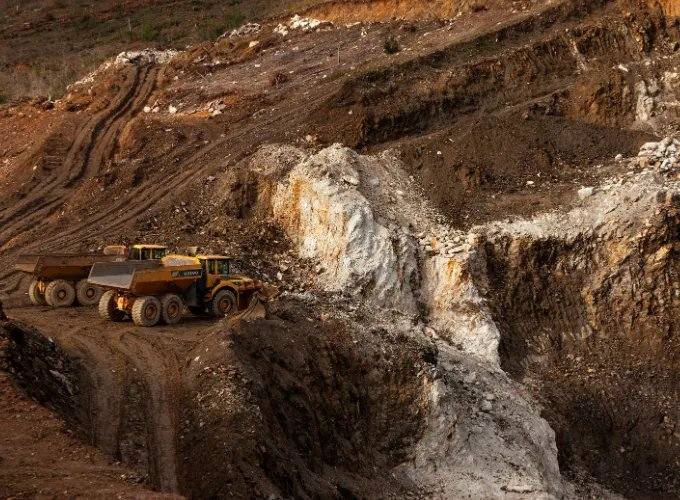
In Kwekwe, all local miners now process ore through Magaya's plant, and mercury use in the area has begun to decline. Next year, the company plans to expand operations to areas such as Shurugwi, Mhondoro, and Gwanda. The existing Gadzema plant, with a design capacity of 3,500 tons per day, is the largest plant in Mashonaland West Province and the second-largest gold processing facility in Zimbabwe. Ongoing expansion will add a capacity of 2,000 tons per day, bringing total capacity to over 5,500 tons per day, making it the largest gold processing facility in Zimbabwe.
In addition to technology promotion, Magaya also focuses on curbing violent conflicts common at artisanal mining sites through formalized operations. The company stabilizes operations by building fences, deploying armed guards, and implementing access controls. Lunga said that by creating a favorable production environment for artisanal miners and enabling them to earn money through formal channels, the demand for violence will disappear. This year, the Chegutu area achieved zero mining-related crimes.
Henrietta Rushwaya, President of the Zimbabwe Miners Federation (ZMF), stated at the same event that the artisanal mining sector contributed 36 tons of gold in 2025, directly and indirectly sustaining the livelihoods of approximately 1.5 million people. However, she noted that access to mining land is the "biggest challenge" facing the industry, with about 85% of artisanal and small-scale miners still unregistered, and the formalization process incomplete. The Mines and Minerals Bill, gazetted by the government in June 2025, aims to replace the colonial-era 1961 Act and prioritizes formalization, environmental protection, and community participation. ZMF has also introduced a "Gold Card" biometric identification system to integrate informal miners into a verifiable national database. The Minamata Convention on Mercury, ratified by Zimbabwe in 2019, requires the eventual elimination of mercury use in artisanal and small-scale gold mining. Magaya's mercury-free processing model aligns with this goal and provides miners with a commercially viable alternative.
Related Products
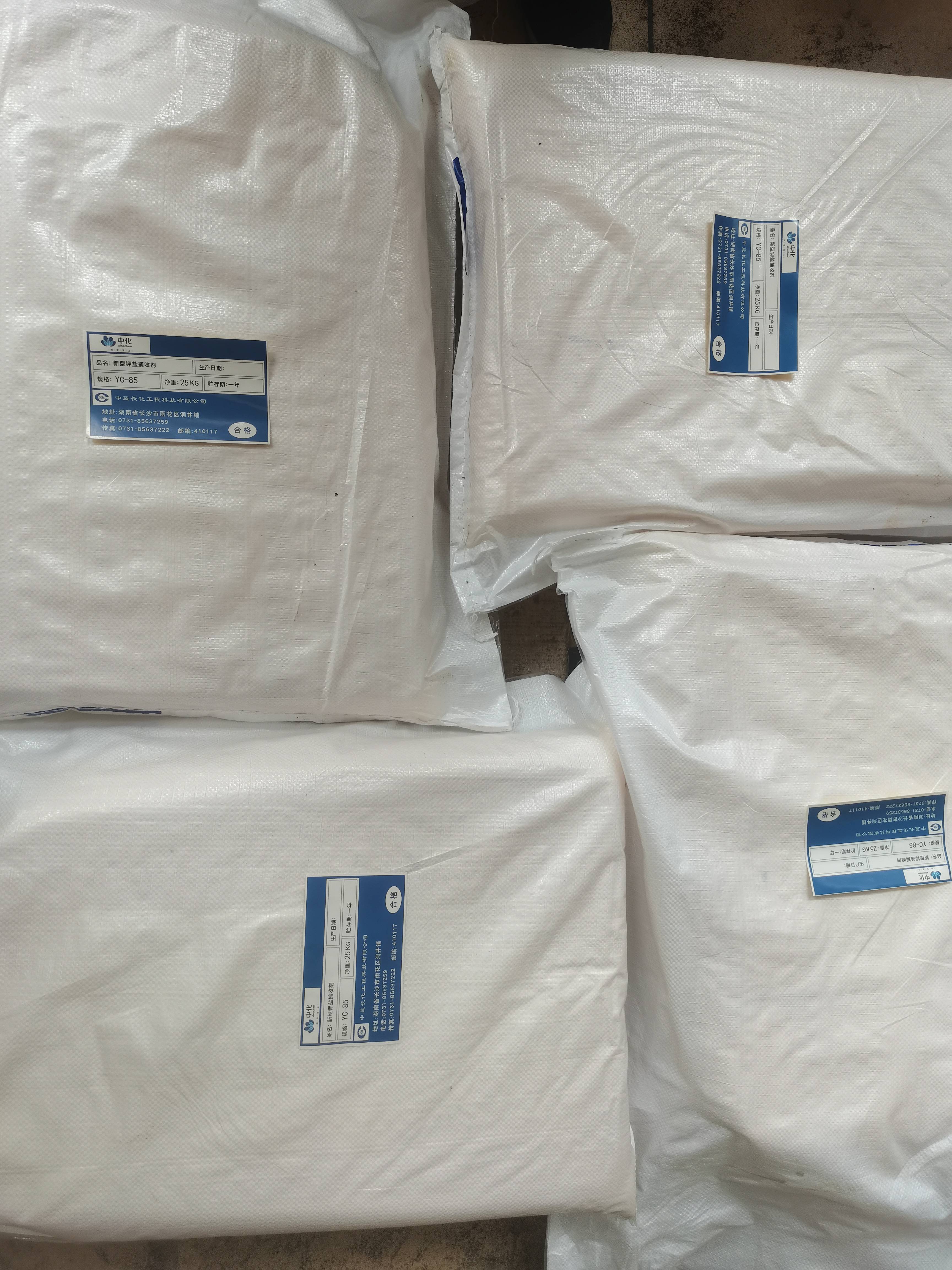

New Environmentally Friendly Green Potassium Salt Collector
Chonfar Engineering and Technology Co., Ltd.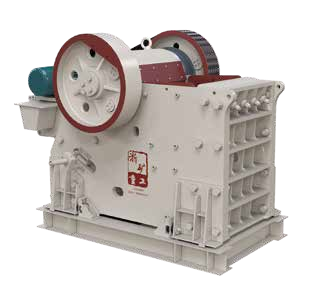
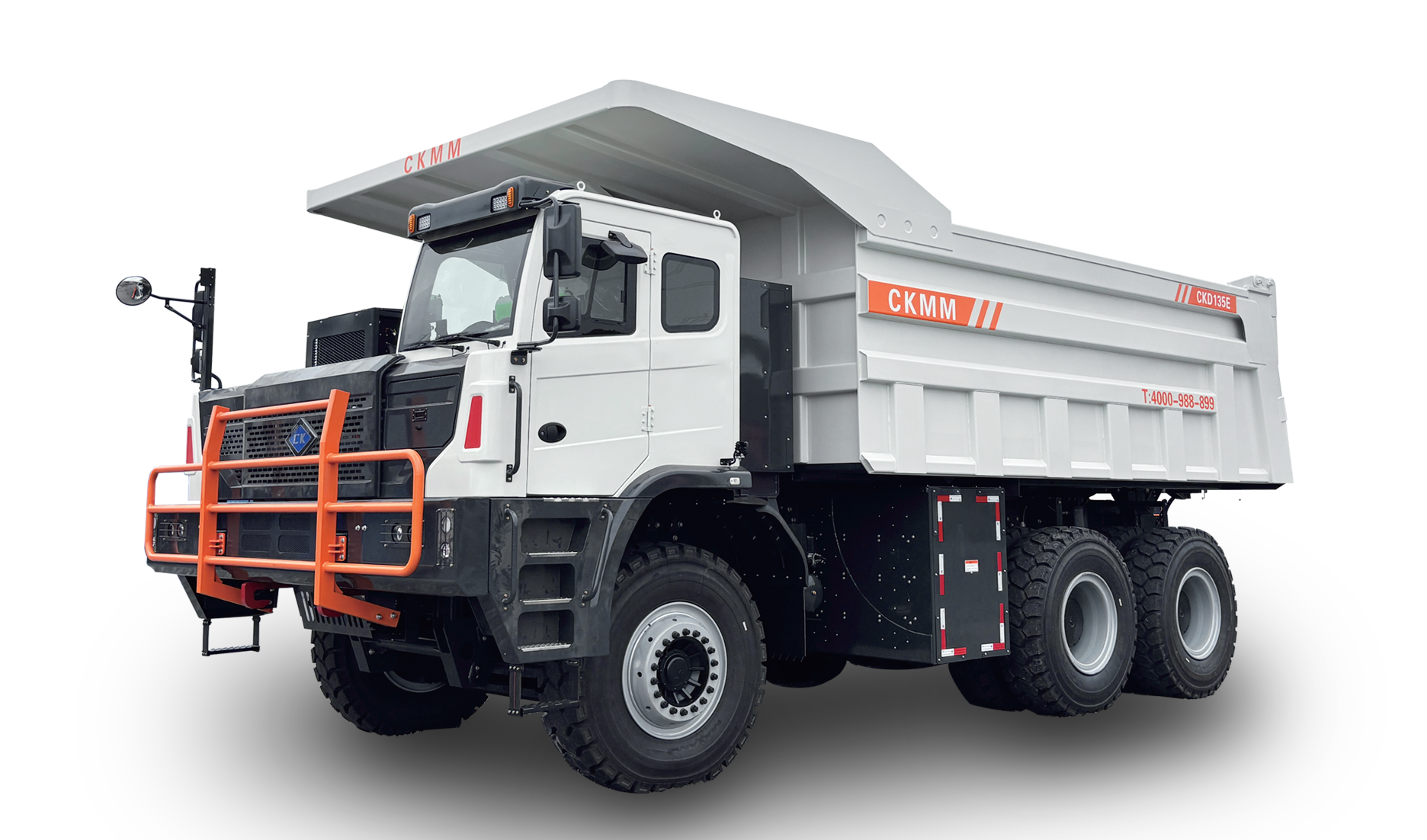
CKD135E Pure Electric Wide-body Dump Truck
Jiangsu Changkuang Engineering Machinery Co. Ltd.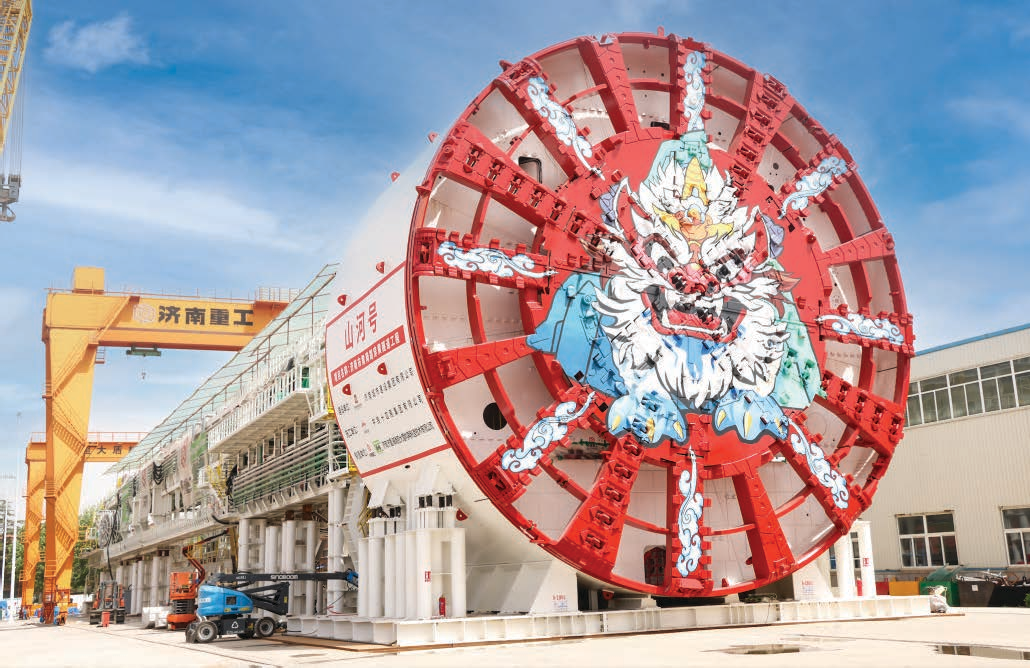

Mine Explosion-proof and Intrinsically Safe Industrial Ethernet Ring Network (10 Gigabit/Gigabit)
Chongqing Mas Sci&Tech Co., Ltd.

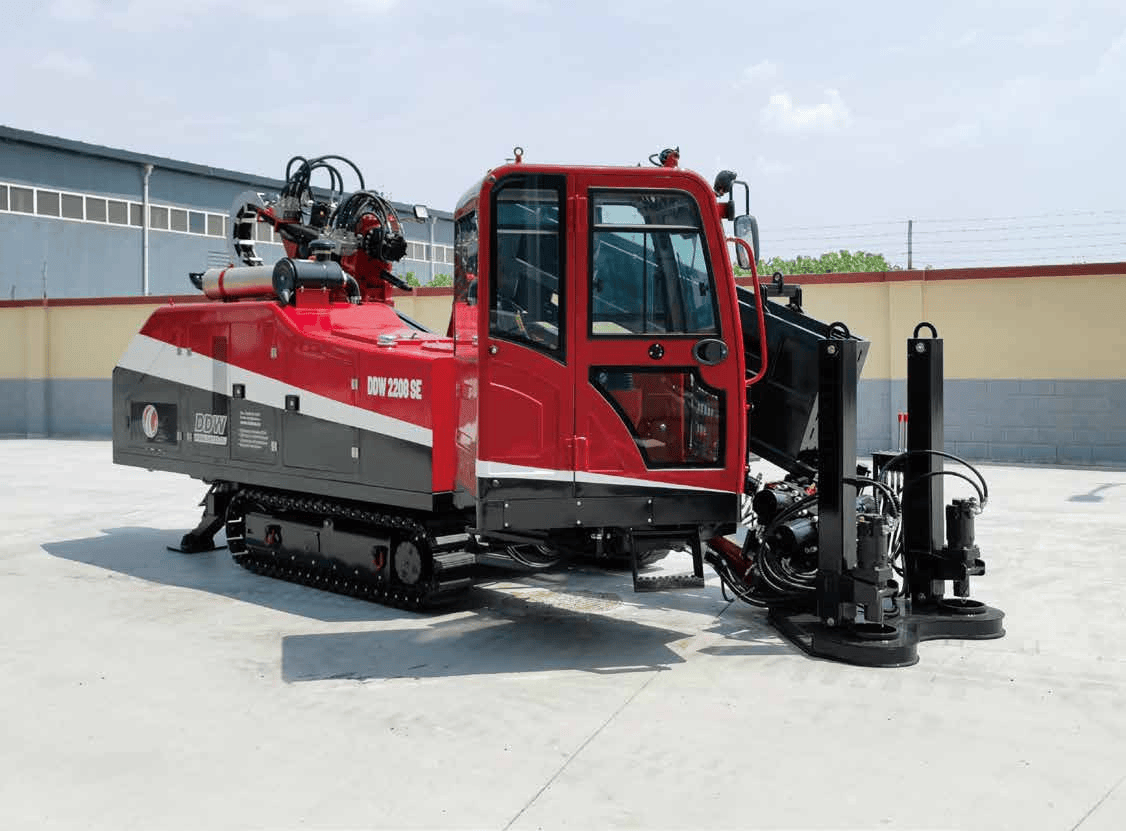
DDW22/08SE-HORIZONTAL DIRECTIONAL DRILL
DW/TXS Construction Equipment (Beijing) Co., Ltd.