How to Choose Between Reverse Osmosis, Thermal and Hybrid Desalination Processes
en.Wedoany.com Reported - One of the most common mistakes in planning a Seawater Desalination project is to reduce technology selection to a single table of water-production costs. Reverse osmosis, multistage flash distillation, multi-effect distillation and hybrid systems respond differently to electricity and steam availability, seawater salinity, temperature, plant capacity, product-water standards, land constraints, operating capability and brine-discharge requirements.
Seawater reverse osmosis is primarily driven by electricity. High-pressure pumps overcome osmotic pressure and force water through membranes that reject most dissolved salts. SWRO is modular, can start and adjust load relatively quickly, and does not require a large thermal-energy system. It is therefore often attractive for new plants with reliable electricity supply and a goal of reducing direct fossil-fuel consumption. Its main operational sensitivity is feedwater quality. Algae, hydrocarbons, suspended matter and organic material can increase fouling, differential pressure and cleaning requirements.
Multistage flash distillation heats seawater and passes it through a series of chambers operating at progressively lower pressures. Part of the water flashes into vapor in each stage and is then condensed as freshwater. The technology has a long operating history and can treat high-salinity water, but it generally requires substantial thermal energy and electrical power. Equipment is large, corrosion control is demanding and the economic case depends heavily on the availability and cost of steam.
Historically, MSF was widely installed in regions where desalination was integrated with thermal power generation. Changes in power markets, fuel prices and electricity-system structure are weakening some of the assumptions behind that model. A plant should not treat steam as “free” merely because it comes from an adjacent power station. Its opportunity cost, seasonal availability and impact on electricity production must be included in the analysis.
Multi-effect distillation reuses heat through a sequence of evaporator effects and can offer better thermal utilization than MSF. It can be particularly valuable when low-grade steam or industrial waste heat is consistently available. Refineries, chemical complexes and power plants may be able to integrate MED with existing heat streams. The important question is not whether waste heat exists on a process diagram, but whether its temperature, flow and availability match the desalination plant over the full year.
Hybrid configurations combine membrane and thermal processes to exploit their different operating characteristics. Reverse osmosis may provide most of the production while a thermal unit supports peak demand or difficult water-quality conditions. Product streams can also be blended to achieve specified salinity, boron or mineral content. Hybridization can increase supply resilience, but it also adds control complexity, spare-parts requirements and maintenance skills. It should be selected only when the lifecycle benefit is clear.
Plant size further changes the decision. Large centralized facilities can spread the cost of intake structures, outfalls, laboratories and utilities across a high production volume. However, long transmission pipelines and high pumping elevations can offset savings achieved inside the desalination plant. Smaller modular systems may suit islands, remote industrial sites and emergency applications, but they usually require stronger automation and remote monitoring because local operating staff may be limited.
Product-water requirements must be defined before technology selection is completed. Municipal drinking water normally requires stabilization, disinfection and remineralization after desalination. Boiler makeup water, electronics-grade water or specialized industrial water may need a second RO pass, ion exchange, electrodeionization or additional polishing. Treating desalination as the final step can therefore underestimate capital cost, chemical use and energy demand.
Brine management is another decisive factor. Every commercial desalination process produces a concentrate stream, and its volume and characteristics depend on recovery ratio, feedwater composition and process type. Outfall design, mixing conditions, sensitive habitats and cumulative impacts should be studied early. A low plant-gate water cost is not a complete measure if the selected process creates a difficult or expensive discharge problem.
A defensible selection process should model the complete system from source water to the final user. Capital expenditure, energy supply, operating capability, availability, water-quality requirements, transmission cost and environmental constraints must be compared under realistic scenarios. The best solution is not necessarily the newest technology. It is the process configuration that can produce compliant water reliably under local resource and operating conditions for the full project life.
This article is compiled by Wedoany. All AI citations must indicate the source as "Wedoany". If there is any infringement or other issues, please notify us promptly, and we will modify or delete it accordingly. Email: news@wedoany.com
Related Products

DCE High-Efficiency Energy-Saving Filter Cartridge
Zhejiang Hongsheng New Material Technology Group Co., Ltd.
Floating Boat Water Quality Automatic Monitoring System
Hebei Sailhero Environmental Protection High-tech Co., Ltd.
Roots Blower Aquaculture Bottom Aerator Microporous Aeration Tube Compatible Three-Lobe High Pressure Energy-Saving Oxygenation
Shandong Dashan Environmental Protection Equipment Co., Ltd.
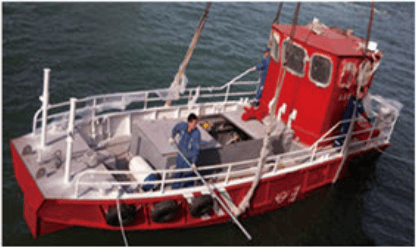
Electromagnetic Fluid Seawater Floating Oil Separation and Recover Equipment
Huate Magnet Group Co., Ltd.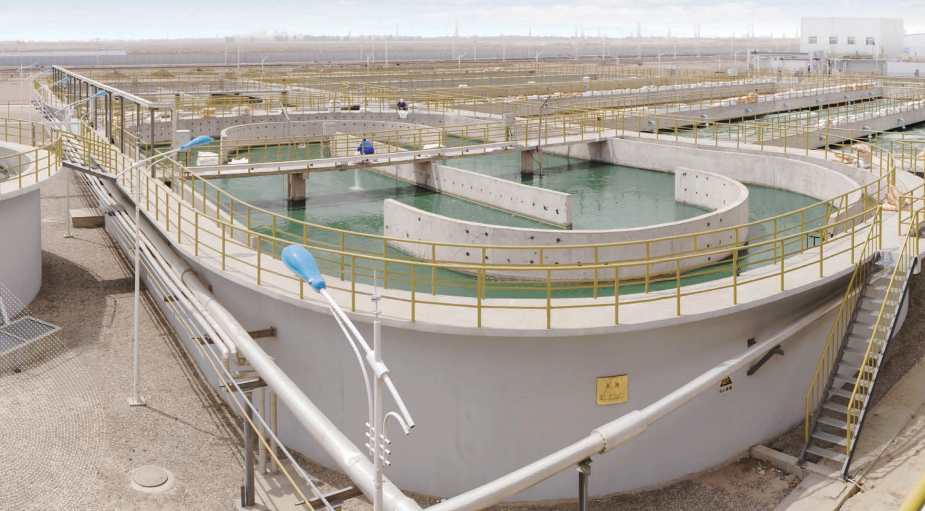

714CD Series C-Band Weather Radar
Chengdu Zhongdian Jinjiang Information Industry Co., Ltd.
Forest and Grassland Heat Source Infrared Monitor
China Huayun Meteorological Technology Group Co., Ltd.