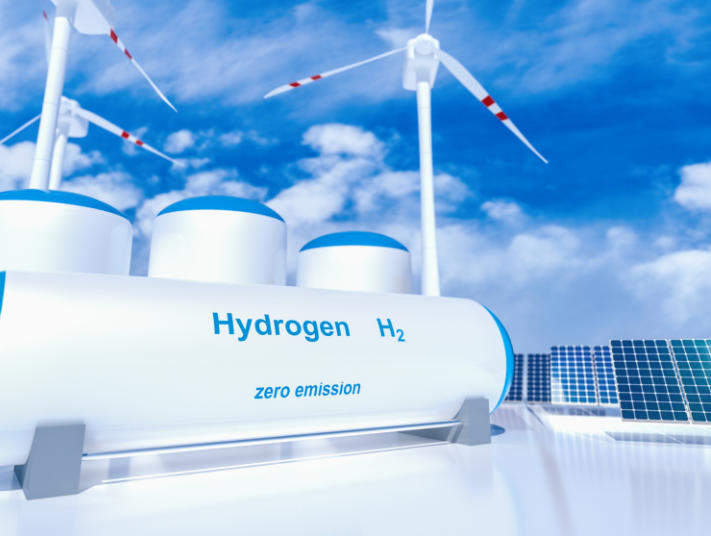
Brazilian Energy Research Company Studies 4 GW New Load in the Northeast and Proposes Transmission Solutions
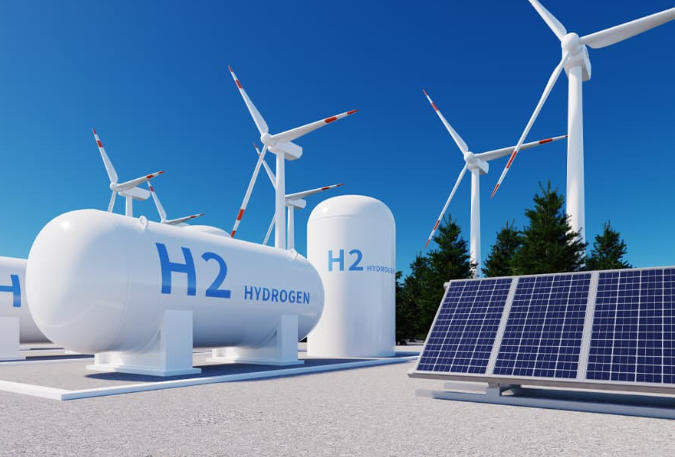
en.Wedoany.com Reported - The Brazilian Energy Research Company (EPE) has released a study to address up to 4 GW of new energy-intensive loads in the Northeast region, covering scenarios such as industrial electrification, electric mobility, data centers, and green hydrogen, along with corresponding transmission solutions to facilitate investment implementation.
During the EVEx Brasil 2026 conference in João Pessoa (Paraíba), EPE President Thiago Prado stated that the peak load in the Northeast is approximately 16 GW, making 4 GW significant in this potential expansion scenario. He noted that the study specifically modeled green hydrogen loads, developed in collaboration with the Electric Energy Research Center (Cepel) and electrolyzer manufacturers, enhancing the maturity of transmission planning, reducing information asymmetry, and providing greater assurance for investors.
Prado emphasized that data centers are currently awaiting the definition of a policy called Redata, which is seen as a key trigger for investment decisions in the region. He pointed out that efficiency indices and water consumption could affect the regional allocation of loads, with the São Francisco River diversion project providing crucial water supply to the Northeast, while efficiency indices help avoid conflicts over water use. Additionally, tax issues and telecommunications availability are necessary conditions for attracting investments, and Redata offers an opportunity to optimize discussions from a tax perspective.
Since 2023, EPE has doubled in size, completing over 300 studies annually, and was recognized as a frontier organization at the EVEx conference. The company has expanded into new knowledge areas such as data science, established the National Observatory for Energy Poverty Elimination (Obepe), and delivered outcomes like the Independent System (Pasi). Research forecasts additional electricity demand from related industries ranging from 800 to 1,100 TWh. Prado stated that consumption and cost data from the Independent System can now be downloaded, proposing lower-cost solutions aligned with the energy transition.
In terms of transmission technology, EPE presented solutions such as VSC (Voltage Source Converter) and SSSC (Static Synchronous Series Compensator), which enhance system flexibility and reduce operational costs (CMO) as well as consumer expenses.
Related Products
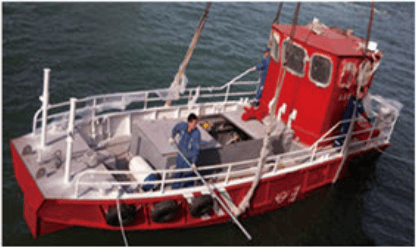

Electromagnetic Fluid Seawater Floating Oil Separation and Recover Equipment
Huate Magnet Group Co., Ltd.
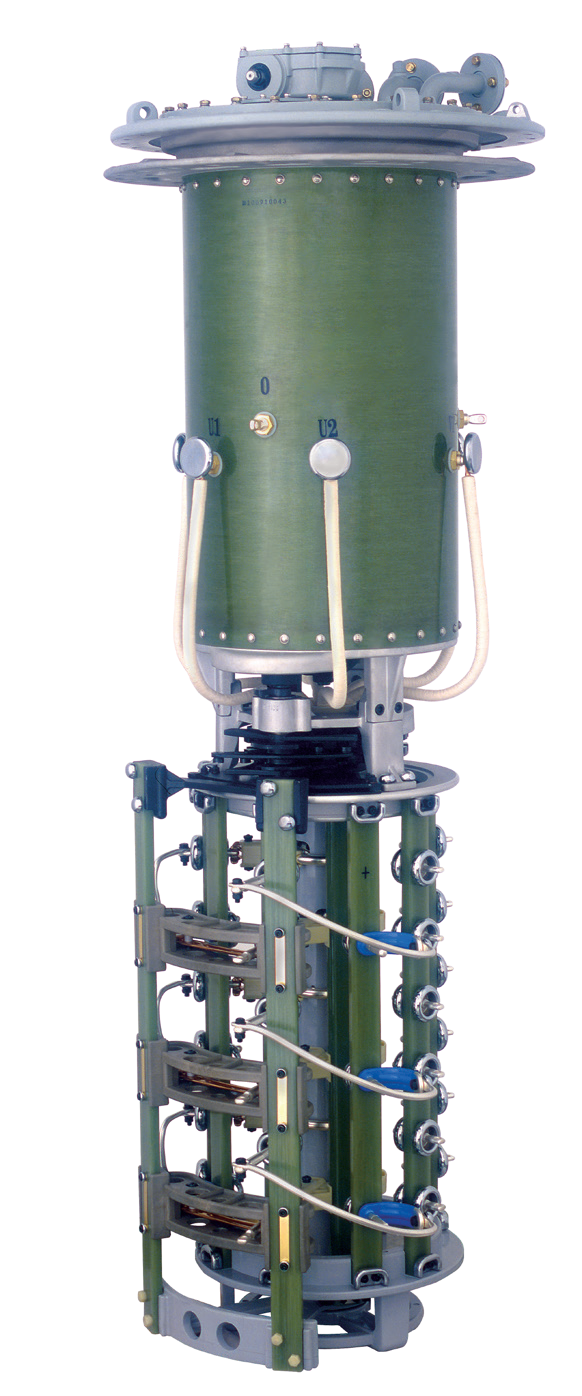
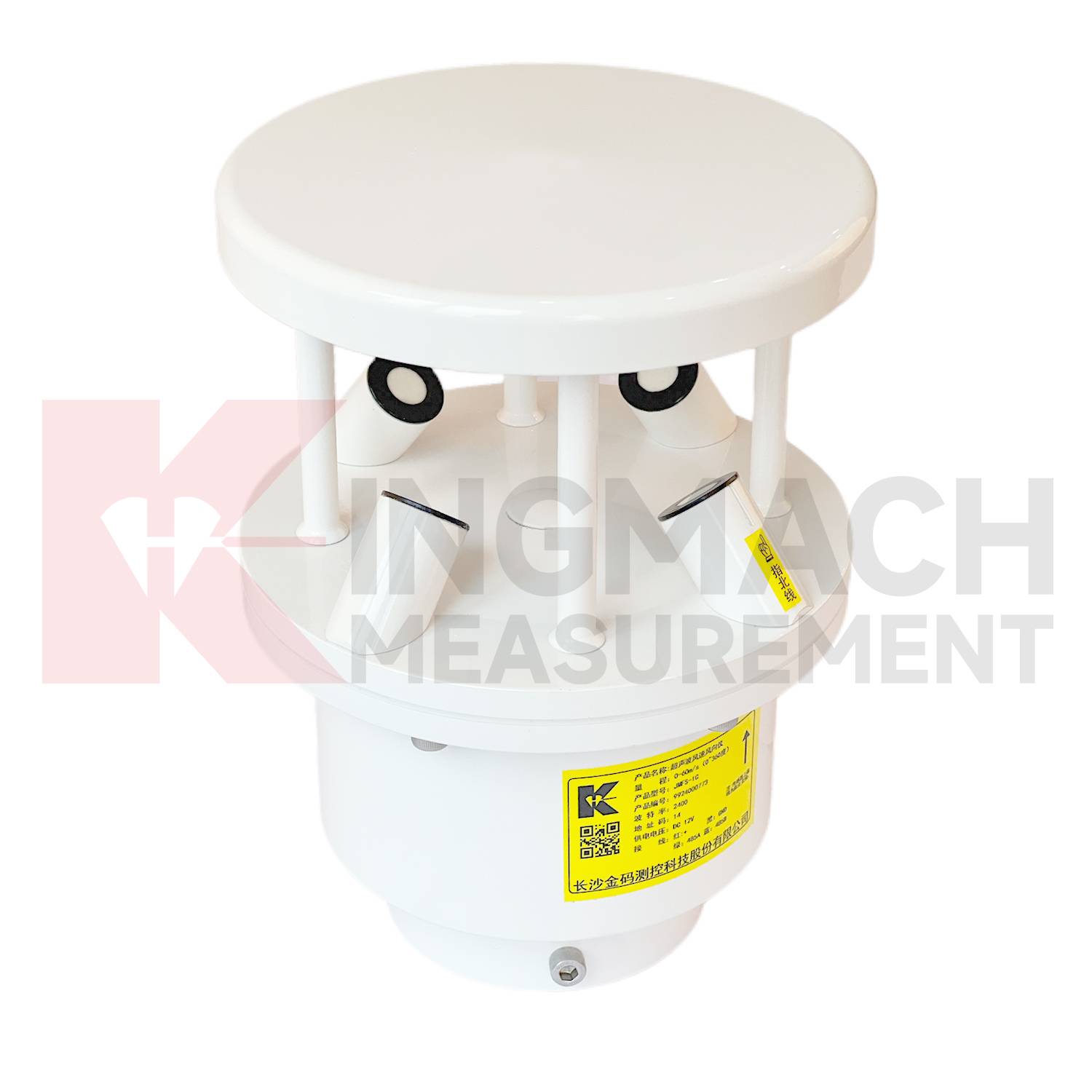
Ultrasonic Wind Speed and Direction Instrument
Kingmach Measurement & Monitoring Technology Co., Ltd.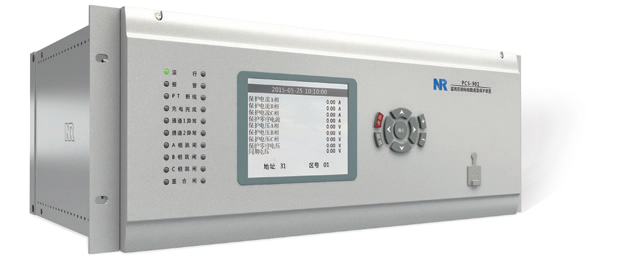
PCS-901 Series Ultra (Extra) High-voltage Transmission Line Complete Protection Device
Nanjing NR Electric Co., Ltd.

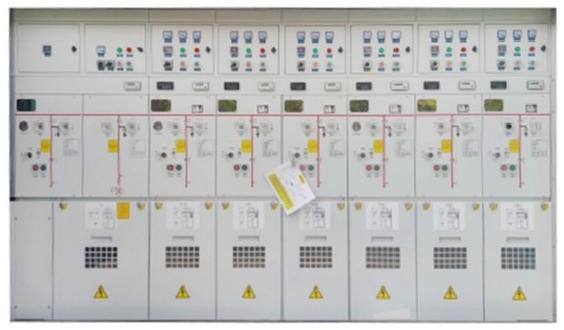
NISELA Series Environmentally Friendly Gas-Insulated Ring Main Unit
XJ DELISHIER ELECTRIC CO., LTD.
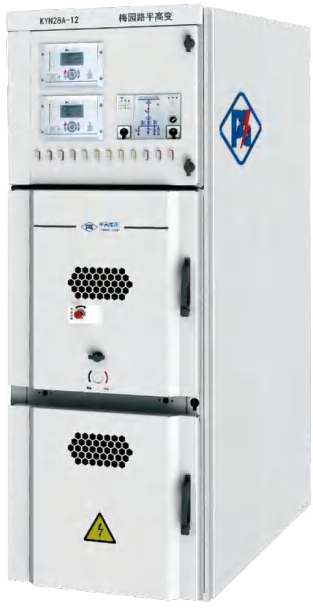
KYN28A-12 Metal Armored Removable Switchgear
Tianjin Ping Gao Intelligent Electric Co., Ltd.