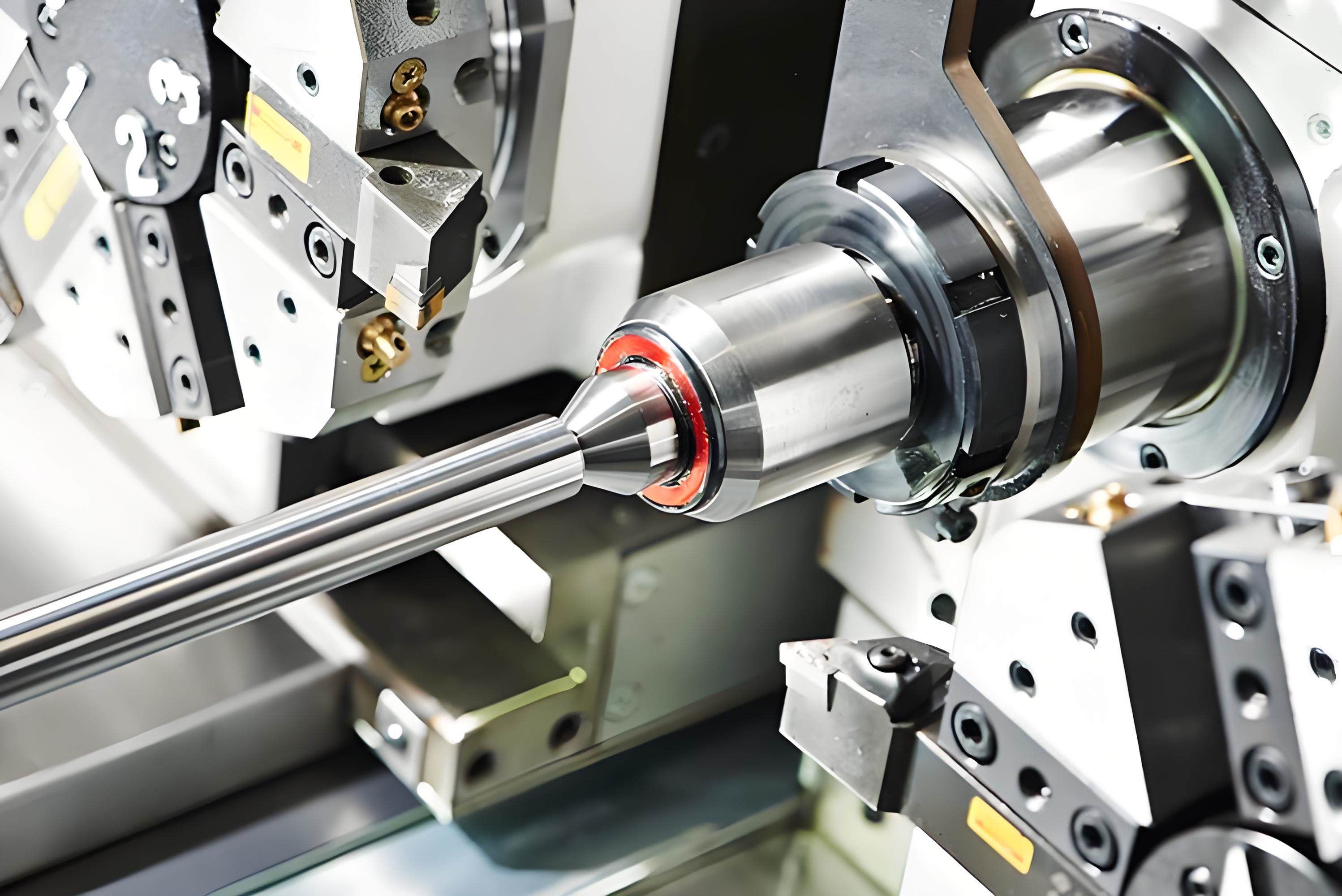
U.S. Propulsion Systems Company Beehive Purchases 30 Metal 3D Printers, Aiming for Annual Production of 8,000 Engines
en.Wedoany.com Reported - U.S. propulsion systems startup Beehive Industries announced in June 2026 that it had purchased 30 EOS M4 ONYX metal 3D printers for over $50 million. Combined with its existing equipment, the company now operates more than 50 EOS metal 3D printing systems. The company also stated that its target annual engine production capacity will increase from 2,000 to 8,000 units. Beehive is a company that advocates using metal 3D printing to replace traditional processing techniques for producing drone and other aircraft jet engines.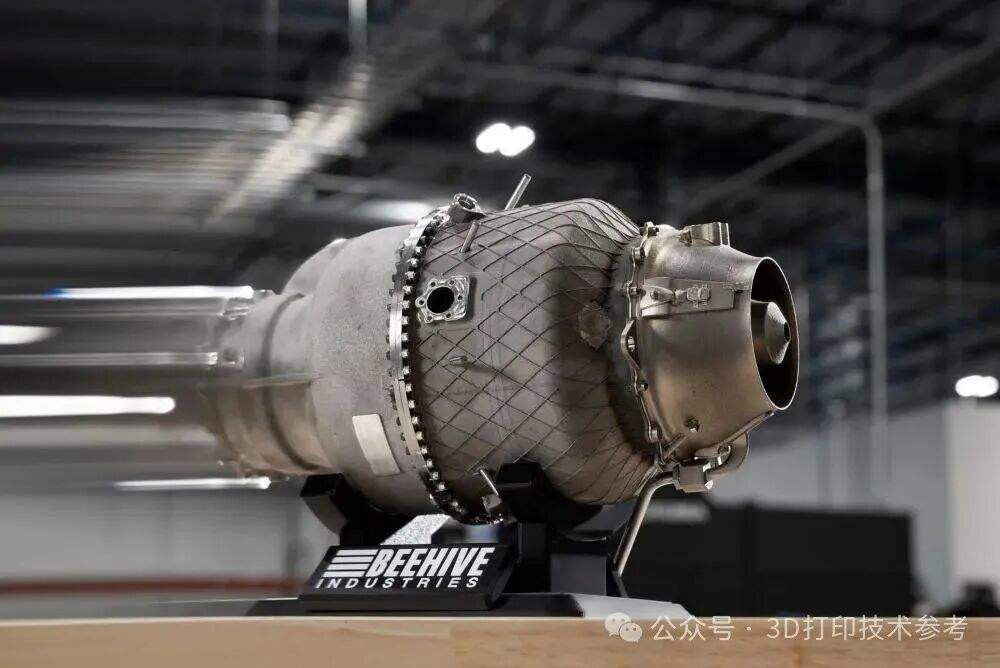
Beehive's expansion is based on clear military demand. In April 2026, the U.S. Air Force signed a $29.7 million contract with Beehive to complete the aircraft integration, flight testing, and certification of its developed Frenzy8 engine. The U.S. plans to procure 27,000 units of such low-cost engines by fiscal year 2031. Traditional small engines rely on precision casting or forging processes, which involve long mold delivery times, while U.S. casting capacity is limited, potentially leading to disruptions in the defense technology supply chain. Beehive's engines extensively use 3D printing for integrated manufacturing. For example, a 200-pound thrust engine consists of only five metal 3D-printed parts, and a 500-pound thrust demonstrator comprises 14 metal 3D-printed parts, whereas traditional manufacturing would require thousands of components.
Beehive's Chief Product Officer Follin stated in December 2025 that by simply adding CNC machines, 3D printers, and powder handling equipment within the existing factory space, annual production could be expanded to over 10,000 units. The newly added EOS M4 ONYX model features advanced technologies such as beam shaping, multi-laser, large-format printing, and automatic startup. The company has also recently acquired two machining enterprises with extensive precision processing experience.
If the annual production target of 8,000 units is achieved, it will signify that 3D printing has fully transitioned from auxiliary development to large-scale mass production in the field of aircraft engine manufacturing. Additionally, China's Aero Engine Corporation has publicly reported that 3D-printed turbojet engines feature high integration and extremely simple structures. At the China Computing Valley Digital Industry Development Conference in December 2025, Super Mach Company unveiled a fully 3D-printed turbojet engine, with a single-unit production time of just 10 hours and an annual planned capacity of 2,000 units.
Related Products

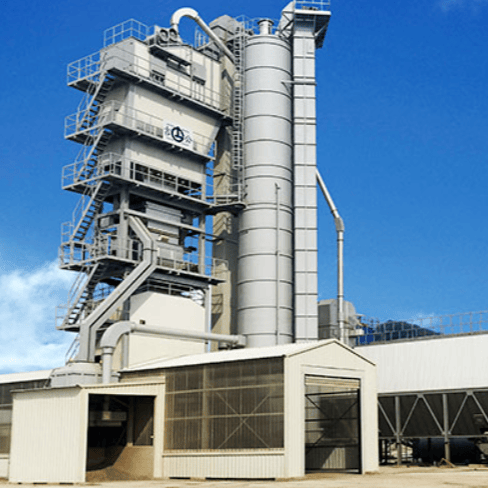
LBH4000 Batch Environmental Protection Asphalt Mixing Plant | Asphalt Batching Plant | Asphalt Mixing Plant
Jilin Province Road Construction Machinery Co., Ltd.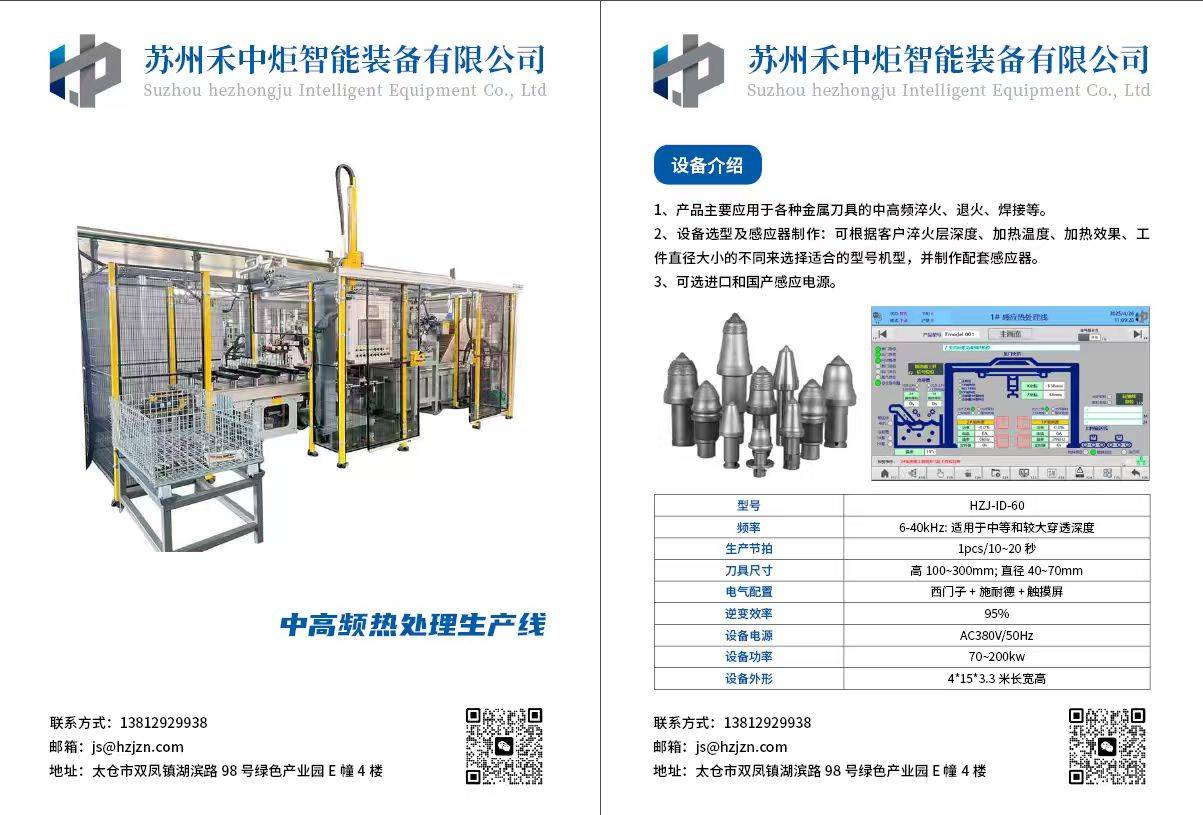
Excavator Bucket Teeth Heat Treatment Production Line
Suzhou Hezhongju Intelligent Equipment Co., Ltd.

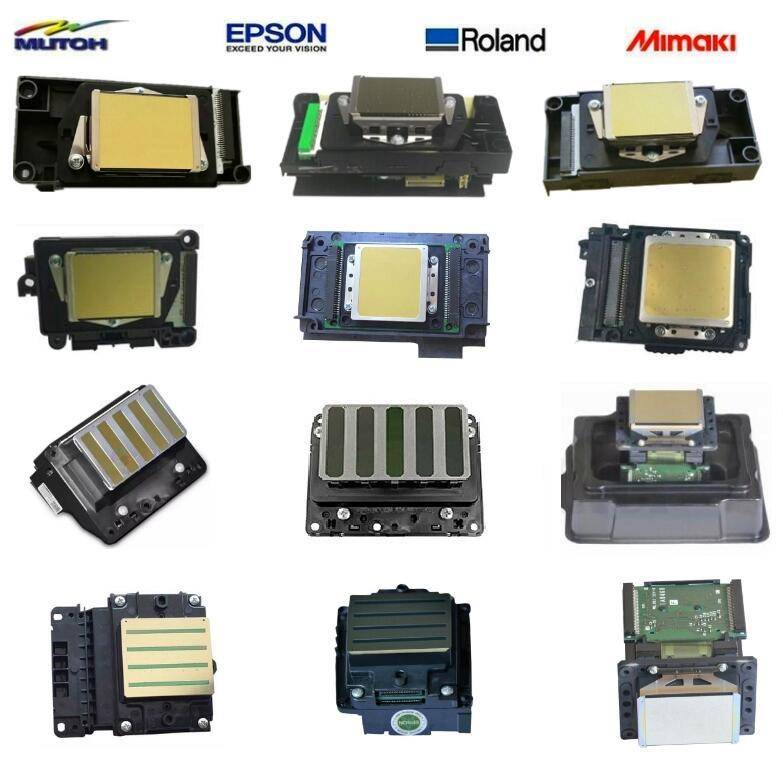
Strip Coating and Plating Production Line Equipment
MCC-SFRE HEAVY INDUSTRY EQUIPMENT CO., LTD.
Pneumatic high-pressure wear-resistant ball valve
Zhejiang Deca Control Valve Meter Co., Ltd.

CAP1400 main feedwater flow nozzle flowmeter.
Jiangsu Hongda Instrument Technology Co., LTD.