Phillips Delivers 12 Hybrid Manufacturing and 12 Composite Systems to U.S. Navy Schoolhouse
en.Wedoany.com Reported - Phillips Corporation, Federal Division has delivered 12 Phillips Hybrid Manufacturing Systems and 12 Markforged X7 composite additive manufacturing systems to the U.S. Navy, expanding advanced manufacturing training capabilities at the Navy Schoolhouse in Danville, Virginia. The procurement was executed by BlueForge Alliance on behalf of the U.S. Navy, with delivery completed in collaboration with Phillips Federal Division.
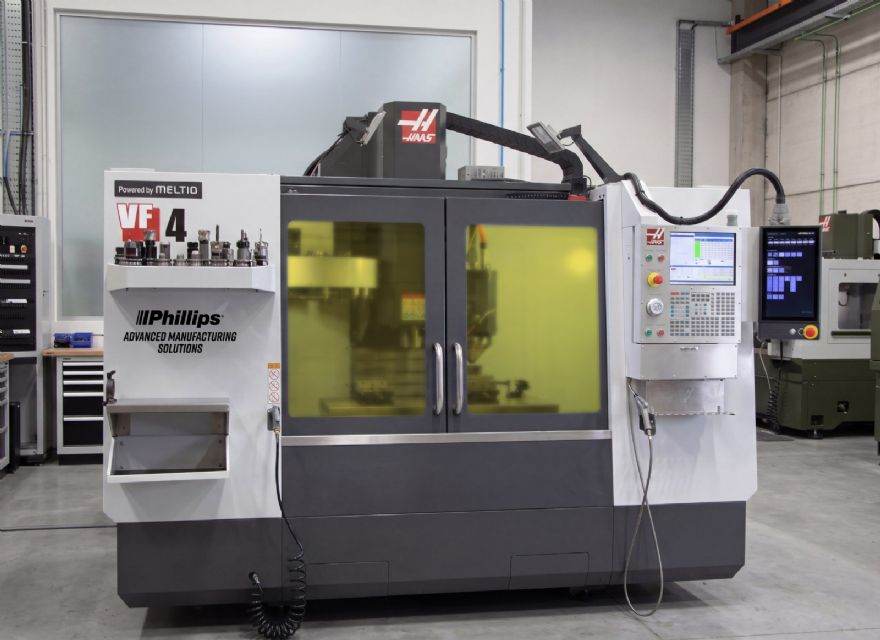
These systems will provide Navy personnel enrolled in the Afloat Training Program with hands-on experience in metal hybrid manufacturing, composite additive manufacturing, and production-ready workflows, helping cultivate the skilled advanced manufacturing workforce needed by the fleet to enhance fleet readiness and sustainment capabilities. Sailors can apply these skills after training to fleet sustainment, depot-level maintenance, and expeditionary manufacturing operations.
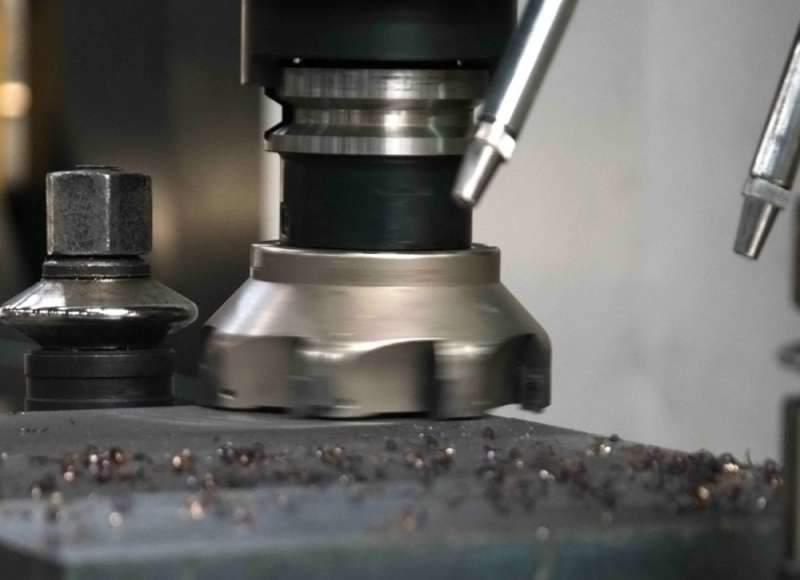
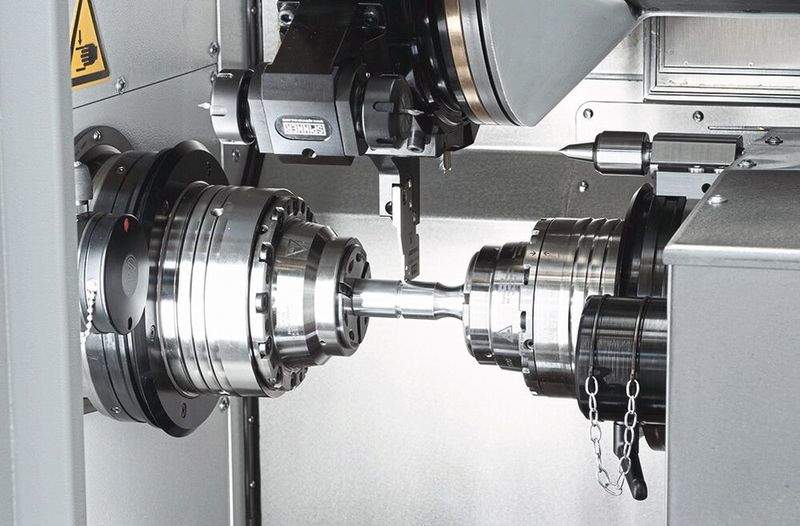
The Phillips Hybrid Manufacturing Systems deployed in this initiative are based on the Haas TM-1P CNC platform, integrating Meltio directed energy deposition (DED) technology to combine precision CNC machining with metal additive manufacturing on a single platform. Sailors can use these systems to produce new components, repair worn parts, restore high-value assets, and add material only where needed. Compared to single traditional manufacturing processes, this integrated approach delivers greater speed and flexibility while reducing material waste and shortening lead times. This solution is designed to support fleet sustainment, depot-level maintenance, and expeditionary manufacturing operations, enabling sailors to manufacture, repair, and maintain critical components closer to the point of need.
The 12 Markforged X7 composite additive manufacturing systems enable rapid production of durable composite parts, tooling, fixtures, prototypes, and replacement components. Together, the two system types form a comprehensive advanced manufacturing training environment that reflects the production capabilities increasingly deployed across the U.S. Navy, covering both shipboard and shore-based operational scenarios.
The Danville Schoolhouse is owned by the Naval Sea Systems Command (NAVSEA) and operated in partnership with the Institute for Advanced Learning and Research (IALR). The U.S. Navy's Advanced Manufacturing deployment initiative aims to achieve on-demand production and workforce development by integrating polymer and metal additive manufacturing into shipboard and shore-based operations, and the Danville Schoolhouse training environment directly supports these priorities. The case of producing a replacement sprayer plate aboard the USS Bataan exemplifies the value of training sailors in production-ready manufacturing technologies before deployment. BlueForge Alliance executed the procurement on behalf of the U.S. Navy, working closely with Phillips Federal Division to deliver standardized, production-ready manufacturing solutions aligned with fleet sustainment and workforce development goals.
Bobby Keithley, Vice President of Sales and Product Strategy at Phillips Federal Division, stated that the program reflects a high level of collaboration among the Navy, BlueForge Alliance, Meltio, Markforged, and Phillips Federal Division, delivering real manufacturing capabilities to the fleet. Training sailors on the same hybrid and additive systems used aboard ships accelerates readiness, improves sustainment outcomes, and strengthens the advanced manufacturing workforce; hybrid manufacturing combines additive and subtractive processes, enabling sailors to produce new components, repair worn parts, and reduce reliance on traditional supply chains in contested or remote environments.
Gabriel Ortiz, Meltio's Channel Manager for the Americas and a retired sailor, stated that the maritime operating environment is extremely challenging, and the application of Meltio technology by the Danville Schoolhouse team, supported by Phillips Federal Division, is the right choice; this technology can play a significant role in the hands of well-trained sailors and Marines. Equipping the next generation of Navy maintenance personnel with advanced manufacturing capabilities will strengthen fleet readiness and help ensure critical components can be produced wherever and whenever they are needed.
Related Products


Industrial and Commercial Point-Type Gas Detector
Jinan Benan Technology Development Co., Ltd.

Pneumatic high-pressure wear-resistant ball valve
Zhejiang Deca Control Valve Meter Co., Ltd.
Strip Coating and Plating Production Line Equipment
MCC-SFRE HEAVY INDUSTRY EQUIPMENT CO., LTD.
LBH4000 Batch Environmental Protection Asphalt Mixing Plant | Asphalt Batching Plant | Asphalt Mixing Plant
Jilin Province Road Construction Machinery Co., Ltd.