Brazil Approves Spectrum Allocation for Direct-to-Device Satellite Connectivity
en.Wedoany.com Reported - The Board of Directors of Brazil's National Telecommunications Agency (Anatel) approved a spectrum band allocation plan on July 2, laying the foundation for Direct-to-Device (D2D) satellite services in the country.
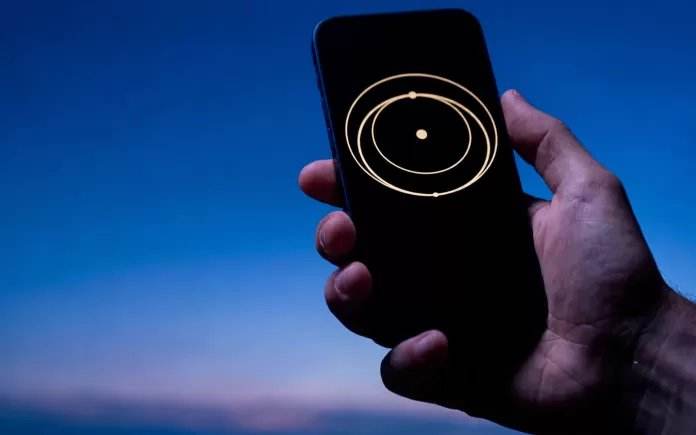
The allocation was incorporated into Brazil's 2025-2026 Biennial Frequency Band Allocation, Designation, and Distribution Plan (PDFF), with Anatel Alternate Board Member Nilo Pasquali serving as rapporteur and submitting the relevant proposal.
The approved proposal assigns mobile phone frequency bands—including 700 MHz, 850 MHz, 900 MHz, 1,800 MHz, 1,900/2,100 MHz, and 2,500 MHz—to D2D use on a secondary basis. Pasquali emphasized that satellite operators must always collaborate with terrestrial operators holding these bands when using the relevant spectrum.
The vote also established the subsequent discussion schedule for this issue: the Board will be responsible for determining the technical characteristics of the sub-bands used for D2D services. Such technical definitions are typically formulated by Anatel's technical departments, but due to the political importance of this issue, the highest decision-making body will intervene directly.
The Superintendence of Grants and Resources (Superintendência de Outorgas e Recursos à Prestação) has 90 days to submit a proposal containing technical specifications to the Board, an arrangement that takes effect simultaneously with the approval of the new PDFF.
During the deliberation, Anatel President Carlos Baigorri requested that the technical department expedite its work so that he could participate in the review of technical requirements. Baigorri's term ends in November.
The development of D2D in the global market has drawn attention. Since 2024, Anatel has established an experimental environment (regulatory sandbox) for testing D2D in Brazil. Nilo Pasquali noted that global discussions on this issue have made significant progress, and it is now timely to adopt a clearer approach.
Carlos Baigorri pointed out at this meeting that D2D has become a reality in markets such as the United States, Europe, Chile, and Peru, and emphasized Brazil's potential in this field. "We have become one of the leaders in this initiative. We are already the largest market for fixed broadband access via low-orbit constellations. With Brazil's geographic conditions and pent-up demand, we have the potential to also bring this connectivity to people's mobile phones."
Related Products
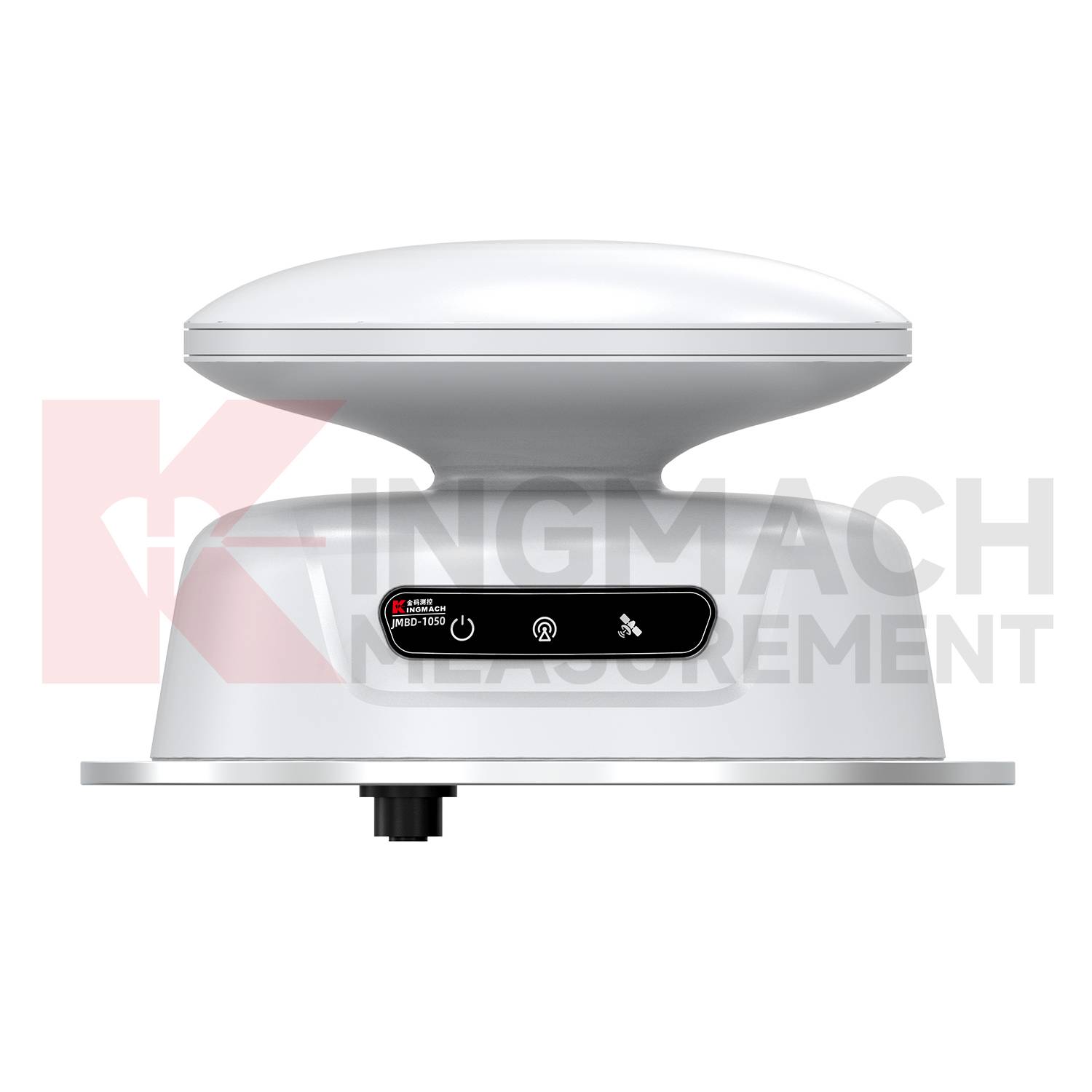


Multi-function Marine Monitoring Low-altitude Detection Radar Sea-air Boundary Ocean Dynamic Environment Measurement
Chengdu Dixin Technology Co., Ltd.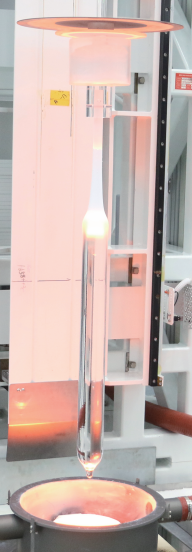
G.652.D Wavelength-extended Non-dispersion Shifted Single-mode Optical Fiber
HONGAN GROUP CO., LTD.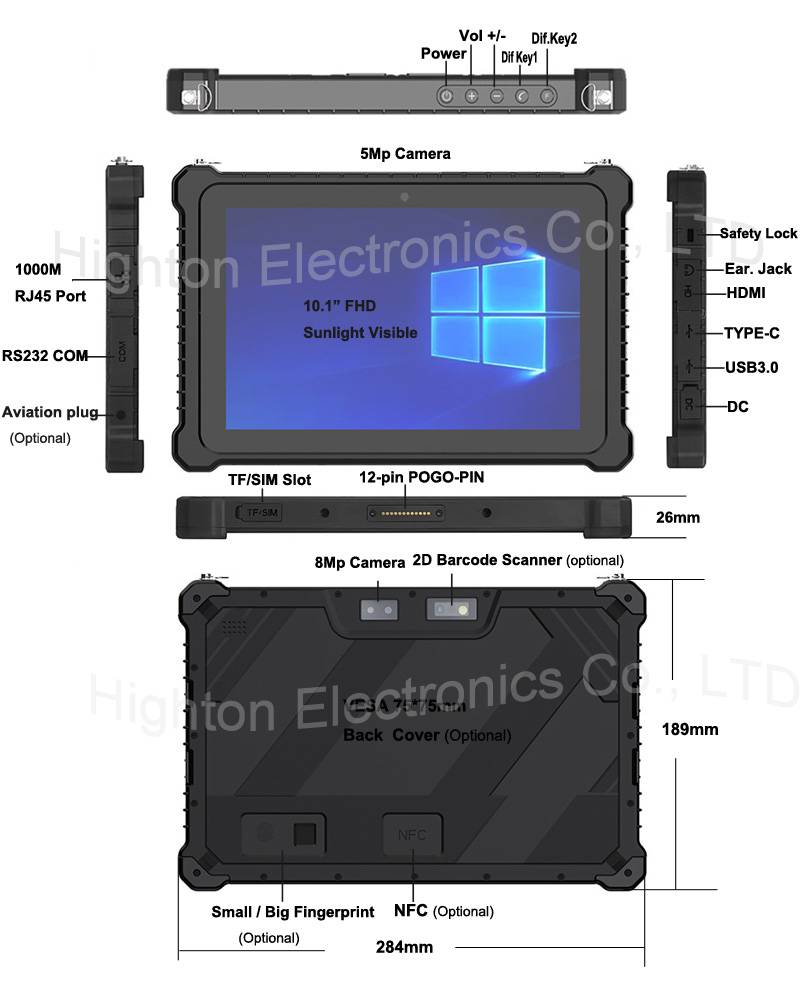
Hot Selling 10 Inch Intel N5100 I5 I7 FHD 8 +128GB 16+256GB Win10 Pro Win11 Pro 4G 5G Rugged Tablet PC Pad with NFC Barcode
Highton Electronics Co., Ltd.
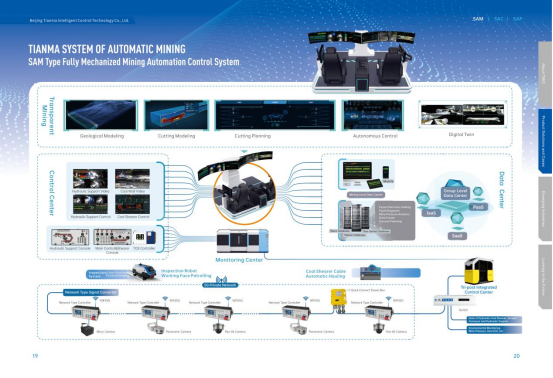
Comprehensive Mining Automation Control System
Beijing Tianma Intelligent Control Technology Co., Ltd.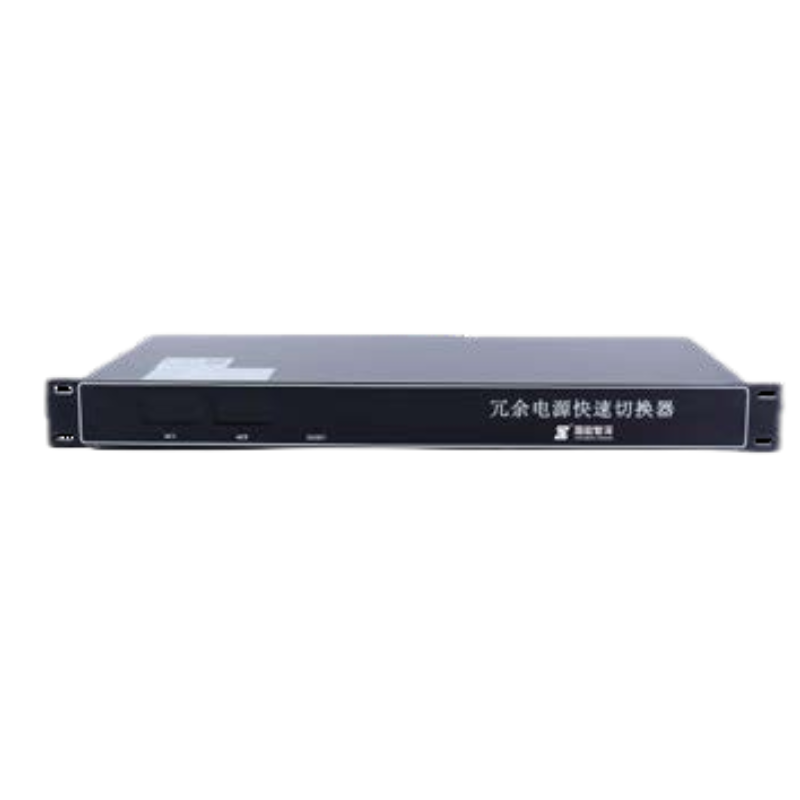

GYTA Type Non-Self-Supporting Aerial/Duct Optical Cable
TONGDING INTERCONNECTION INFORMATION CO., LTD.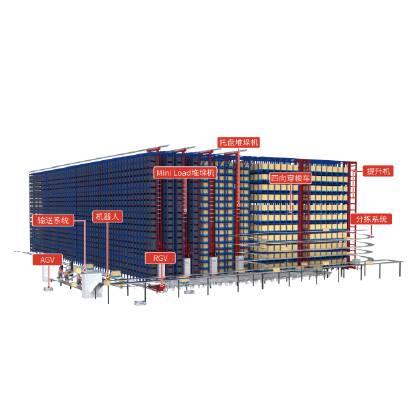
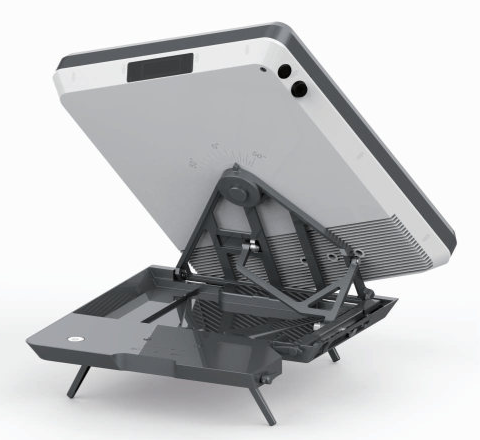
Flat Portable Satellite Terminal 0.35m Aperture Manual Portable Terminal
China Starwin Science & Technology Co., Ltd.

Industrial and Commercial Point-Type Gas Detector
Jinan Benan Technology Development Co., Ltd.