Indian Research Team Develops New Photovoltaic Module Recycling Process, Achieving 97.75% Silicon Recovery Rate
en.Wedoany.com Reported - An Indian research team has developed a novel recycling process to recover silicon and native silicon dioxide (SiO₂) from end-of-life crystalline silicon solar cells, and utilize them as electrode materials in energy storage applications. The study focuses on evaluating the impact of different substrates combined with recycled silicon on charge storage mechanisms.
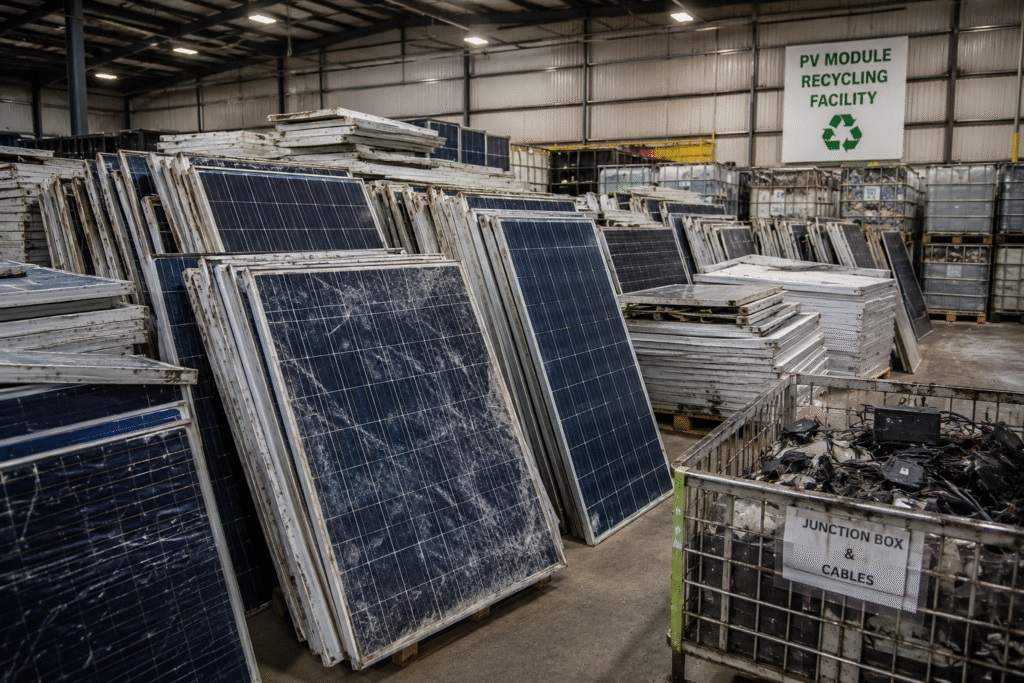
The researchers noted that the significant growth in cumulative photovoltaic installed capacity has led to a surge in end-of-life panels, necessitating sustainable waste management solutions. This study proposes an environmentally friendly approach to integrate recycled photovoltaic waste into electrode materials for lithium-ion electrochemical systems, with a focus on analyzing substrate-dependent Faradaic charge storage behavior. The recycling process begins with manual disassembly and removal of aluminum frames from waste panels, followed by heat treatment at 480 °C to decompose and remove the EVA encapsulant, backsheet, and residual glass. Subsequently, the recovered silicon cell fragments are separated and ball-milled at 450 rpm for 6 hours to obtain micron-sized powder, which is then purified through sequential alkali leaching with sodium hydroxide (NaOH) and acid leaching with hydrochloric acid (HCl). Process optimization by varying the NaOH:HCl molar ratio achieved a maximum silicon recovery rate of approximately 97.75% at a ratio of 1:1.25. The purified powder is mixed with carbon nanotubes (CNT) as a conductive additive, polyvinylidene fluoride (PVDF) as a binder, and N-methyl-2-pyrrolidone (NMP) as a solvent in a weight ratio of 80:10:10 to form a slurry, which is coated onto copper foil, indium tin oxide (ITO)-coated glass, and graphite foil as current collectors, then vacuum-dried at 90–100 °C.
The research team characterized the recycled materials using X-ray photoelectron spectroscopy (XPS), X-ray diffraction (XRD), X-ray fluorescence (XRF), and Raman spectroscopy, while morphological analysis was conducted using transmission electron microscopy (TEM), scanning electron microscopy (SEM), energy-dispersive X-ray analysis (EDX), and atomic force microscopy (AFM). Thermogravimetric analysis (TGA) was used for thermal characterization, Brunauer–Emmett–Teller (BET) analysis determined specific surface area, and electrochemical performance was evaluated via cyclic voltammetry (CV), electrochemical impedance spectroscopy (EIS), and galvanostatic charge-discharge (GCD). The researchers reported that electrodes fabricated on copper foil and ITO exhibited diffusion-controlled battery-like behavior, while those on graphite substrates showed capacitive charge storage characteristics. Cyclic voltammetry and electrochemical impedance spectroscopy confirmed favorable interfacial properties, and galvanostatic charge-discharge tests demonstrated stable performance over 500 cycles. The specific capacitance values for electrodes on copper foil, ITO, and graphite substrates were 143.23 F g, 30.53 F g, and 163.92 F g, respectively. The research team concluded that electrodes fabricated on copper foil and ITO are suitable for silicon-based electrodes in lithium-ion electrochemical systems, while graphite-based electrodes show potential for sustainably driven energy storage applications.
The research findings were published as a paper titled "Recycling of solar cells recovered from waste panels into efficient silicon-based composite electrodes for energy-storage applications" in RSC Sustainability, with contributions from researchers at the National Physical Laboratory (CSIR) and the Academy of Scientific and Innovative Research (AcSIR) in India.
Related Products

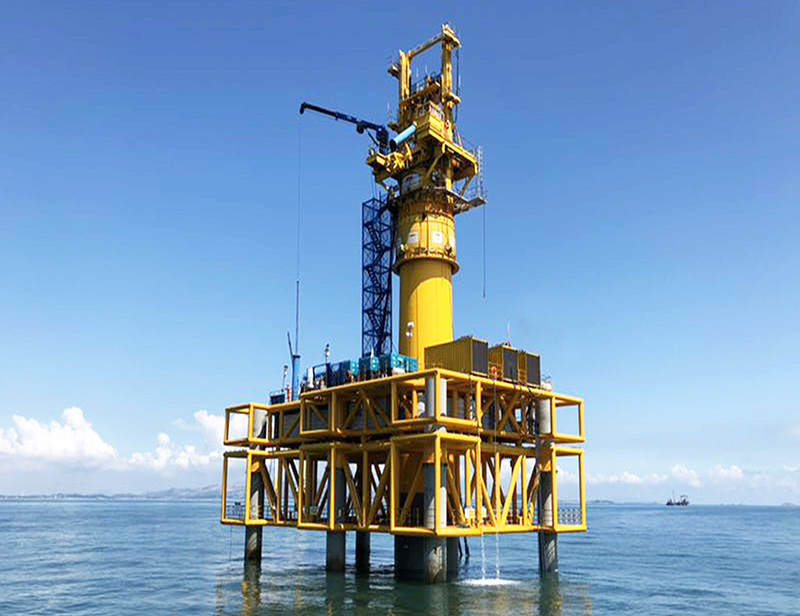
CITIC Heavy Industries Offshore Wind Power Equipment Hydraulic Pile Hammer
CITIC Heavy Industries Co., Ltd.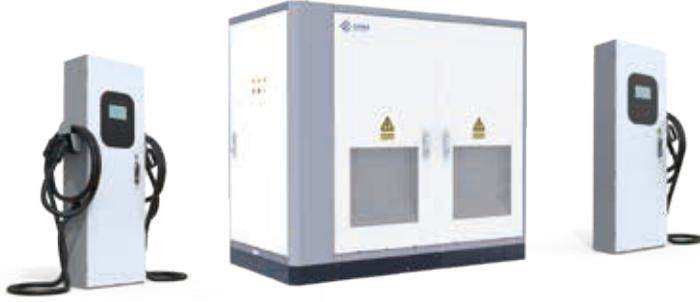

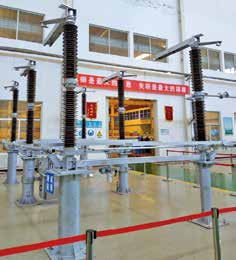
GW4-40.5/72.5/126/145/170/252/363/420 Series Double-column Horizontal Rotary High-voltage AC Disconnect Switch
SHANDONG TAIKAI DISCONNECTORS CO., LTD.
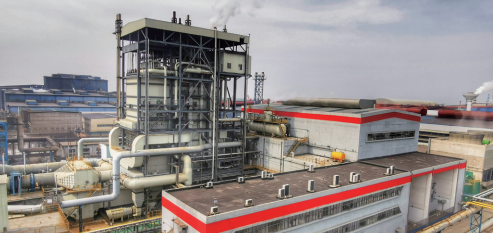
Jiujiang Pinggang 125MW Subcritical Gas Power Generation Project
Capital Engineering & Research Incorporation Limited
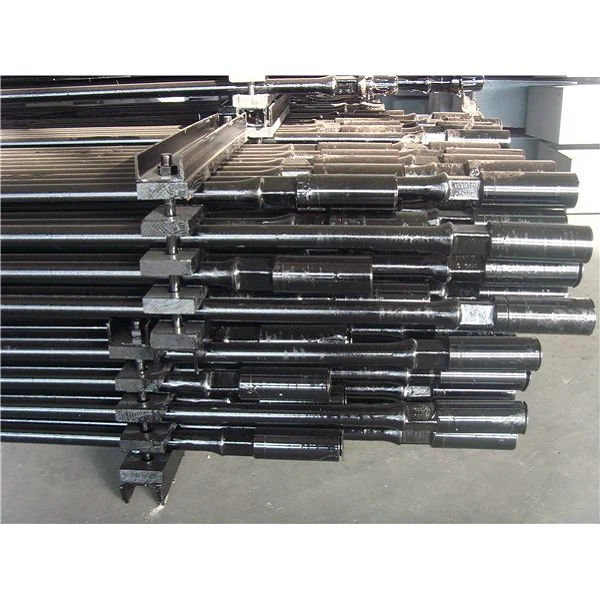
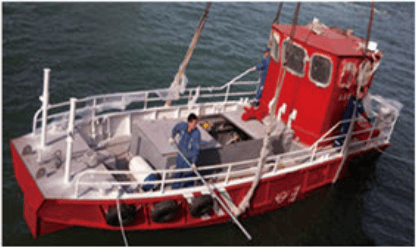
Electromagnetic Fluid Seawater Floating Oil Separation and Recover Equipment
Huate Magnet Group Co., Ltd.