University of Aveiro Showcases CubeSat Satellite and Inaugurates Aerospace Laboratory
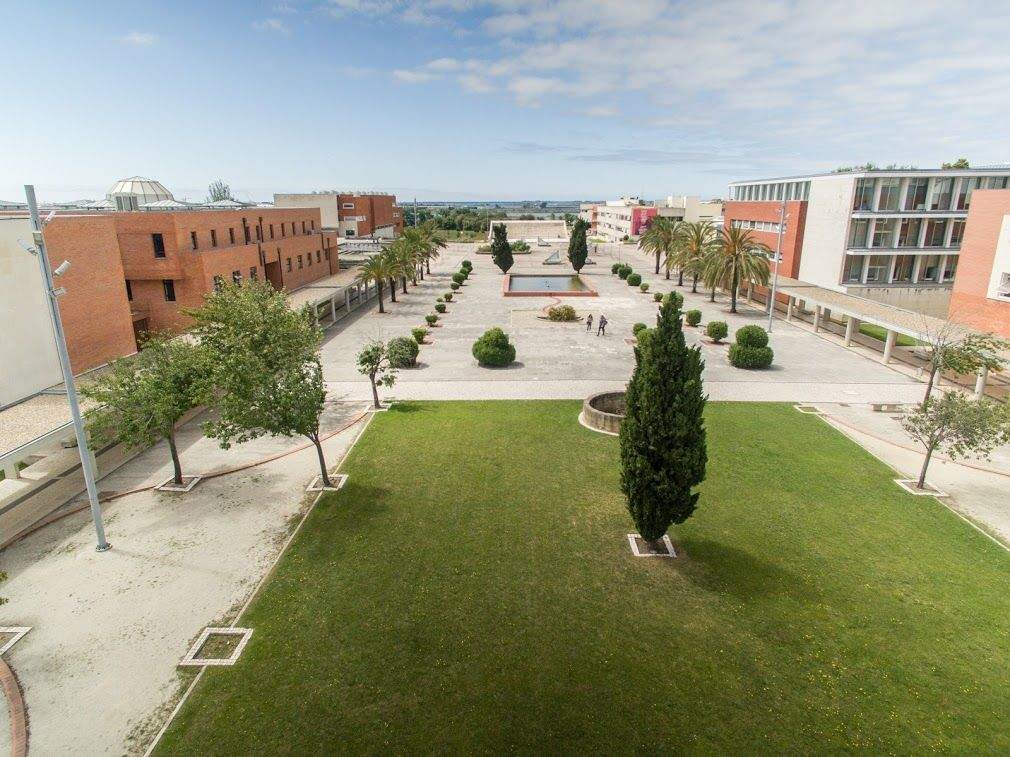
en.Wedoany.com Reported - The Department of Electronics, Telecommunications and Informatics (DETI) of the University of Aveiro (UA), in collaboration with the Escola Superior de Aveiro Norte (ESAN), showcased a CubeSat satellite and officially inaugurated a new Aerospace Experimental Laboratory this Friday.
The laboratory provides a testing, validation, and experimental environment for satellites, equipped with nationally innovative infrastructure, including a Helmholtz cage (gaiola de Helmholtz) and an air bearing platform (plataforma de air bearing). The Helmholtz cage consists of three pairs of coils that can replicate the Earth's magnetic field in the lab, used for testing and calibrating magnetometers, magnetorquers, and attitude control algorithms. The air bearing platform uses a thin layer of air to nearly eliminate friction between the platform and its base, simulating weightlessness during satellite rotational motion, thereby validating orientation systems, sensors, and control software before launch. Together, these facilities create experimental conditions highly similar to the space environment.
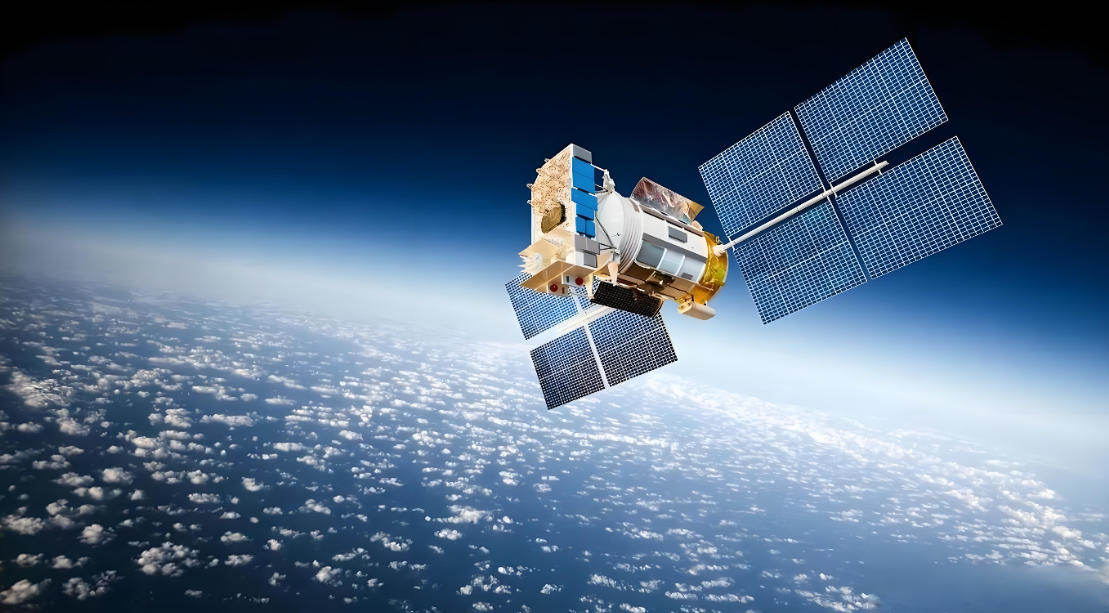
The event highlighted the CubeSat satellite developed by the University of Aveiro using sustainable materials, particularly cork. The satellite was jointly developed by DETI, ESAN, and the Instituto de Telecomunicações (IT-Aveiro). During the opening ceremony, DETI Director Nuno Borges Carvalho discussed the strategic importance of the aerospace field and the university's advanced training and applied research in space technology; ESAN Director Martinho Oliveira introduced the sustainable structure of the CubeSat using cork, as well as the technical, environmental, and differentiating advantages of this material in the aerospace sector.
Subsequently, Paulo Capitão presented the architecture and functions of the University of Aveiro CubeSat's onboard computer, while Simão Ribeiro introduced its energy system, including power generation, storage, and management. Miguel Carvalhosa showcased the payload for monitoring and evaluating the degradation of cork in the space environment, and Ricardo Figueiredo presented the payload for monitoring Starlink signals, along with its scientific and technical context.
From 16:00 to 16:30, an informal networking session displayed prototypes and components developed for the University of Aveiro CubeSat project, followed by a mission integration demonstration showcasing key functions and operational scenarios. At 17:00, Pedro Casau introduced the new laboratory as a space for CubeSat experimentation, testing, and validation, highlighting the Helmholtz cage and air bearing platform, which can be used for attitude control testing and functional verification.
Related Products


MUX Series Communication Interface Device for Security and Stability Control System
Nanjing NR Electric Co., Ltd.



Mine Explosion-proof and Intrinsically Safe Industrial Ethernet Ring Network (10 Gigabit/Gigabit)
Chongqing Mas Sci&Tech Co., Ltd.

Hot Selling 10 Inch Intel N5100 I5 I7 FHD 8 +128GB 16+256GB Win10 Pro Win11 Pro 4G 5G Rugged Tablet PC Pad with NFC Barcode
Highton Electronics Co., Ltd.

Automatic Aiming Laser Remote Obstacle Removal Robot
Pinggao Group Weihai High-Voltage Apparatus Co., Ltd.
Multi-function Marine Monitoring Low-altitude Detection Radar Sea-air Boundary Ocean Dynamic Environment Measurement
Chengdu Dixin Technology Co., Ltd.