Portugal's Priberam Develops First Transcription Application Based on the AMÁLIA Model
en.Wedoany.com Reported - Portuguese tech company Priberam developed a transcription application based on the AMÁLIA model within hours of its release, making it the first application created by an entity outside the model's consortium. Priberam partner and development director Sebastião Miranda, along with AI lead Gonçalo Correia, began conceptualizing how to integrate AMÁLIA into multiple products during the model's launch event, and completed the application development in just a few hours. Priberam stated its intention to integrate AMÁLIA into its product line as soon as possible, including plain X, a tool for transcription, translation, subtitling, and dubbing, as well as Priberam Care, an AI-powered intelligent health platform.
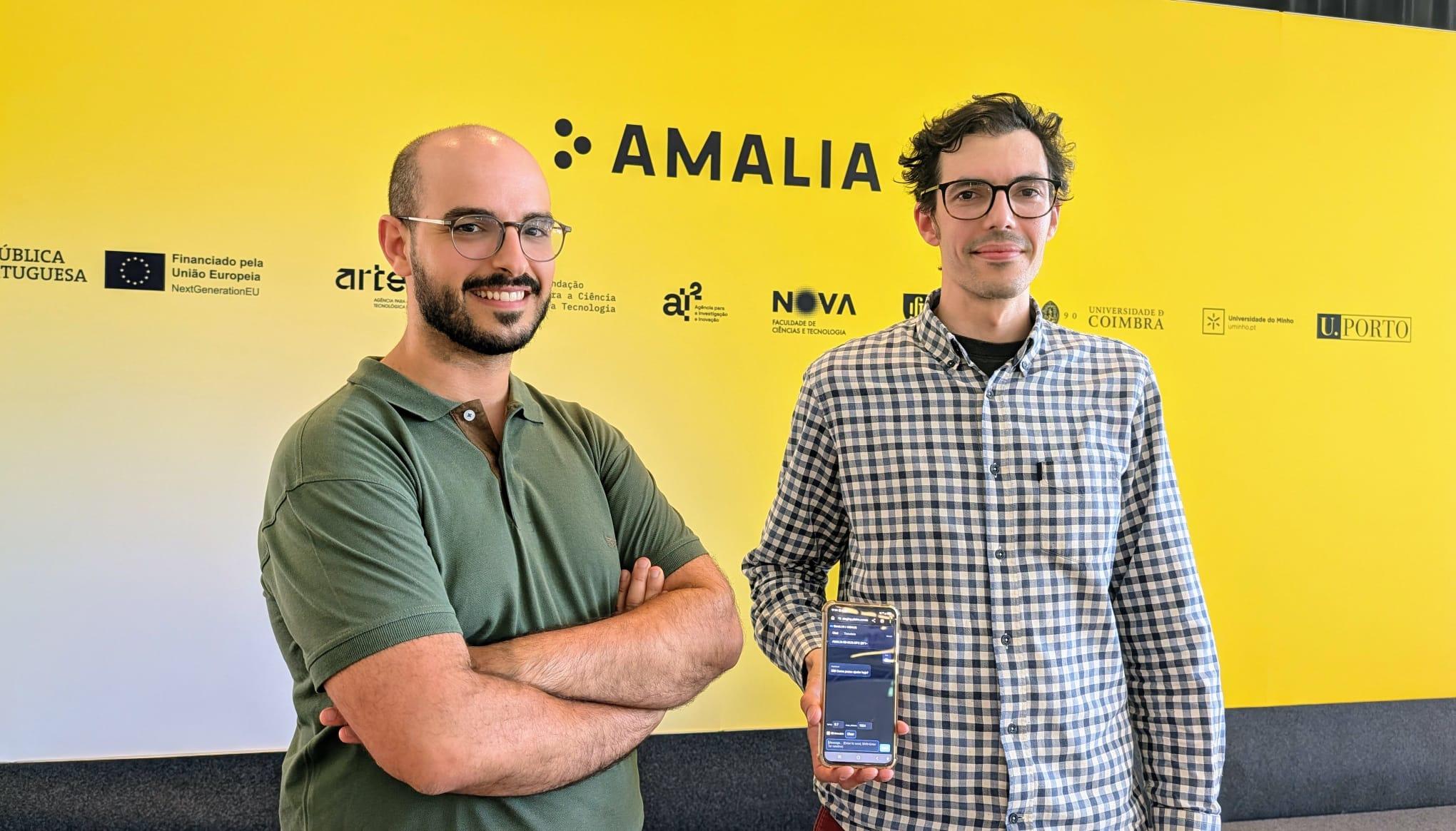
Founded in 1989, Priberam is a Portuguese technology company specializing in natural language processing and artificial intelligence software development, best known for its Priberam Portuguese dictionary. The company stated that its multiple language technology-based products cover different fields, so it decided to first deploy AMÁLIA on its own infrastructure to understand how it operates. The development team emphasized that the current application is merely a test chat interface, primarily used for simple conversations with AMÁLIA to observe its performance, but the model's scale is insufficient for general dialogue, positioning it as a component within a larger pipeline.
One of the ideas for integrating AMÁLIA into Priberam Care is to ensure that information in the clinical decision support tool is written in standard European Portuguese. Sebastião Miranda explained that in existing products, multiple models often mix European Portuguese and Brazilian Portuguese, and AMÁLIA can serve as the final running model to ensure linguistic correctness.
Researchers stated that Portugal should not develop a large model competing with those from the US or China, but rather create a model best suited for handling Portuguese culture and language, to be incorporated into a larger pipeline composed of other models. Gonçalo Correia added that in simple applications like museum websites, using a small model such as AMÁLIA is more reasonable than using a large model. Beyond sovereignty considerations, using smaller models also involves financial feasibility and energy sustainability.
Developed by a consortium of five Portuguese universities, AMÁLIA is now openly accessible. Consortium researchers have already developed some application cases, which were showcased at the model's launch event. The goal of making AMÁLIA openly accessible is to enable more researchers and companies to use it as a component in various systems, such as dialogue systems, chatbots, search systems, and automatic question-answering systems. Sebastião Miranda stated that using AMÁLIA for English-to-European Portuguese translation in plain X could be implemented almost immediately, with integration expected to be completed within the week. Its application in Priberam Care will first require experiments to verify the quality of the solution. The team is also discussing how to integrate AMÁLIA with the Priberam dictionary and the FLIP spell checker, but no conclusions have been reached yet.
Related Products



Multi-function Marine Monitoring Low-altitude Detection Radar Sea-air Boundary Ocean Dynamic Environment Measurement
Chengdu Dixin Technology Co., Ltd.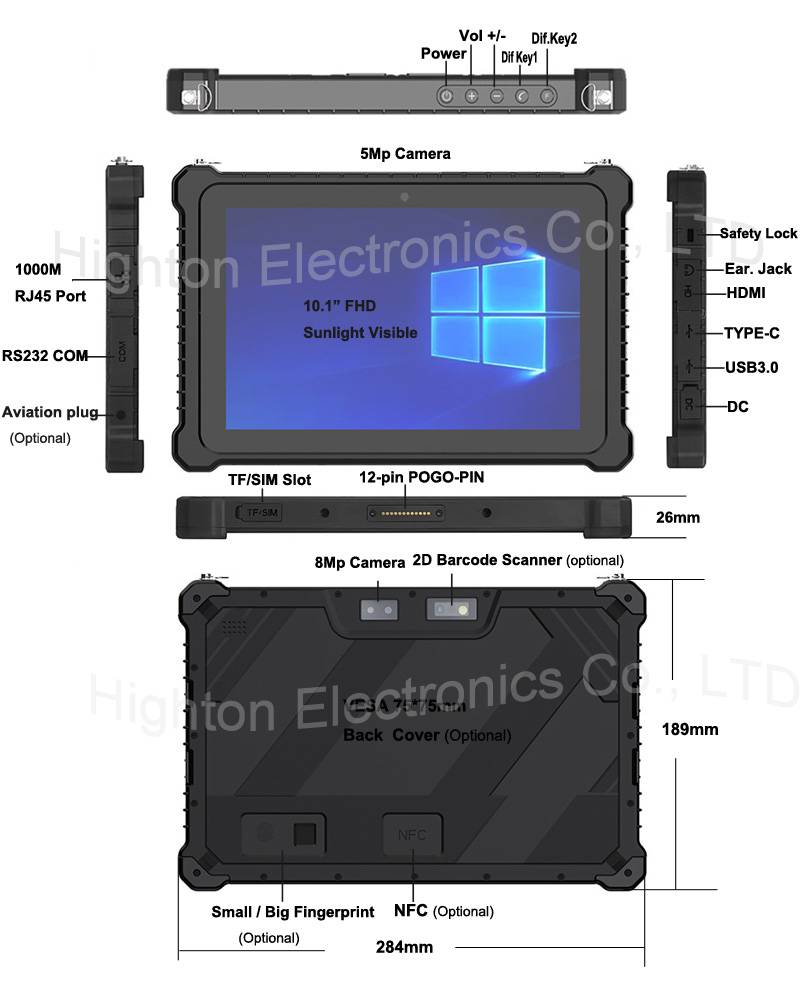
Hot Selling 10 Inch Intel N5100 I5 I7 FHD 8 +128GB 16+256GB Win10 Pro Win11 Pro 4G 5G Rugged Tablet PC Pad with NFC Barcode
Highton Electronics Co., Ltd.
Mine Explosion-proof and Intrinsically Safe Industrial Ethernet Ring Network (10 Gigabit/Gigabit)
Chongqing Mas Sci&Tech Co., Ltd.


MUX Series Communication Interface Device for Security and Stability Control System
Nanjing NR Electric Co., Ltd.

GYTA Type Non-Self-Supporting Aerial/Duct Optical Cable
TONGDING INTERCONNECTION INFORMATION CO., LTD.

TWP16 P-Band Tropospheric Wind Profile Radar
China Huayun Meteorological Technology Group Co., Ltd.