en.Wedoany.com Reported - The global logistics and shipping market closed the week with a series of investment developments and news of route resumptions, with market sentiment cautiously optimistic. The European Investment Bank will invest €365 million in upgrading Morocco's highway and railway networks, though the specific disbursement schedule and project-level breakdown have not yet been announced. In Oman, CMA CGM and Asyad Group plan to jointly build a $400 million multi-purpose logistics terminal in Sohar.

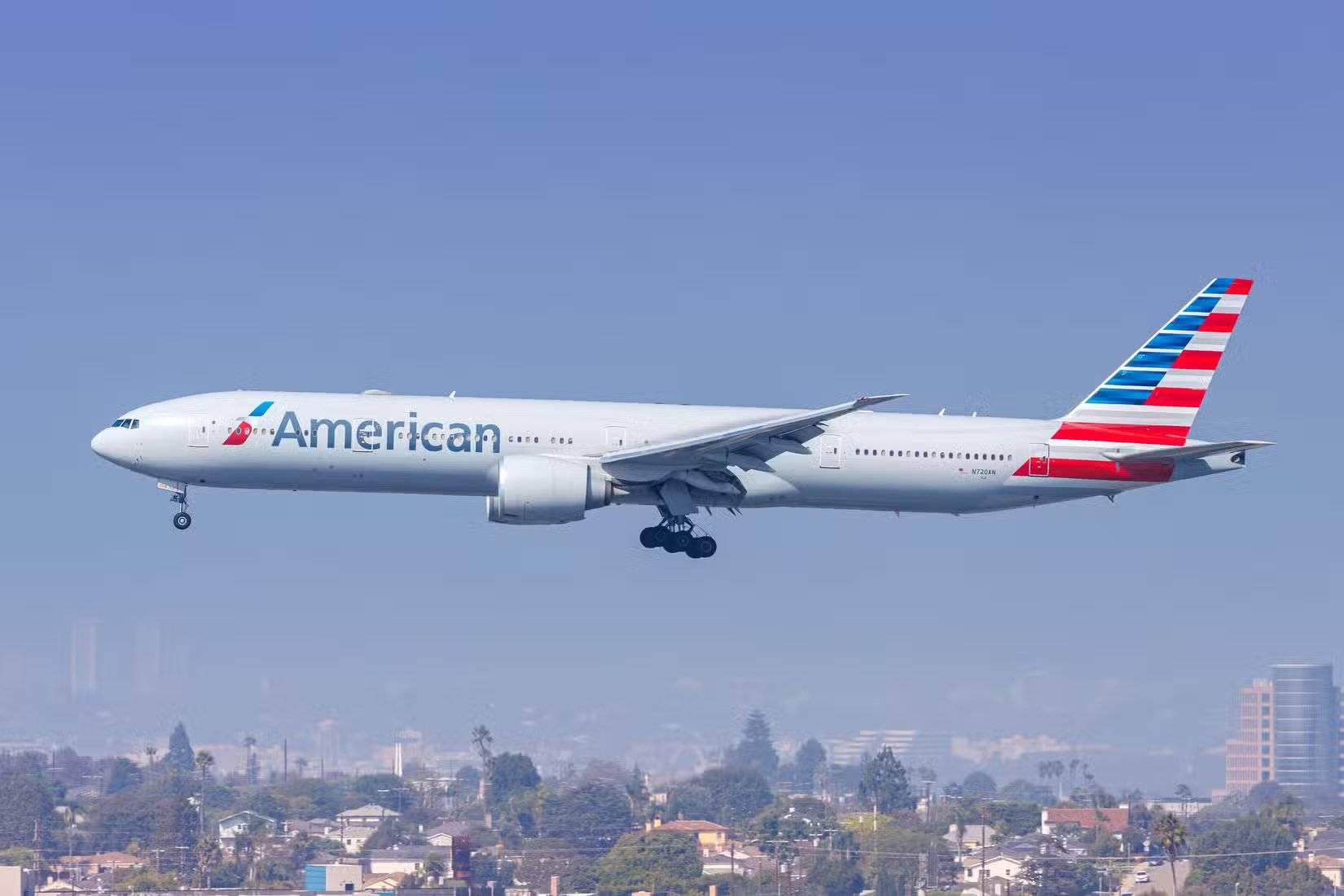
Capacity among Gulf airlines is quietly recovering. Emirates, Qatar Airways, and Etihad currently operate at approximately 95% of pre-war levels, reclaiming market share lost to Lufthansa during the Iran conflict. Ashwin Bhat, CEO of Lufthansa Cargo, told Bloomberg that the return of Gulf competitors has eroded the demand and yield improvements Lufthansa gained during the disruption. Lufthansa has not lowered prices to defend its share, and Bhat described the typically weak summer demand as "surprising." Lufthansa Cargo posted an operating net profit of €324 million ($369 million) last year, accounting for about 17% of the group's total. Meanwhile, the EU has abolished the duty-free exemption for low-value e-commerce imports, replacing it with a €3 fee per item. Bhat noted that Asian customers are "nervous" about this change, and Lufthansa has observed goods rushing into Europe ahead of the policy shift. E-commerce accounts for less than 20% of Lufthansa Cargo's business, but a decline in demand could trigger aggressive price wars, impacting the profits of all airlines, including Gulf carriers.
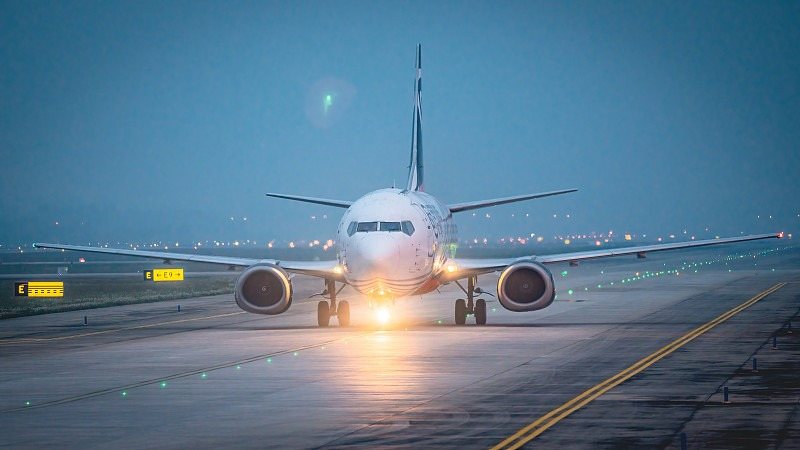
Emirates SkyCargo has become the first cargo airline to operate a converted Boeing 777-300ERSF freighter. The aircraft has entered commercial service on the Hong Kong-Dubai route, with a payload exceeding 100 tons. According to Khaleeji Times, the converted freighter has a cargo volume of 811 cubic meters, 25% more than the production Boeing 777-F, and can accommodate 47 pallet positions, 10 more than the production model. The extra capacity targets e-commerce goods, which now account for about 20% of global air cargo volume and continue to grow. Badr Abbas, Senior Vice President of Cargo at Emirates SkyCargo, stated that the move aims to optimize fleet assets by converting older Boeing 777-300ER passenger aircraft to meet growing air cargo capacity demand. This converted freighter is the sixth new aircraft to join the SkyCargo fleet since March 2026, following five production Boeing 777-F freighters. SkyCargo expects to receive five more 777-Fs and one converted 777-300ERSF by the end of 2026.
Direct cargo shipping routes between the UAE and Iran have resumed, coinciding with the resumption of passenger flights between the two countries in the same week. Bilateral commercial ties had been effectively stalled for months. Ali Emami, Logistics Director of Iran's Trade Development Organisation, confirmed the resumption of shipping activities to Iran's Mehr News Agency, stating that "trade relations are returning to normal." The UAE, particularly Jebel Ali Port, serves as a major re-export gateway for Iran's imports of intermediate goods, raw materials, and equipment. When this channel was disrupted during the conflict, Iranian importers turned to Oman and Turkey for transshipment, resulting in higher costs, longer delivery times, and cargo stranded at Jebel Ali Port. The resumption comes as the US and Iran plan talks in Doha this week, while the UAE and Iran recently held official meetings, and the UAE has not been attacked since May.
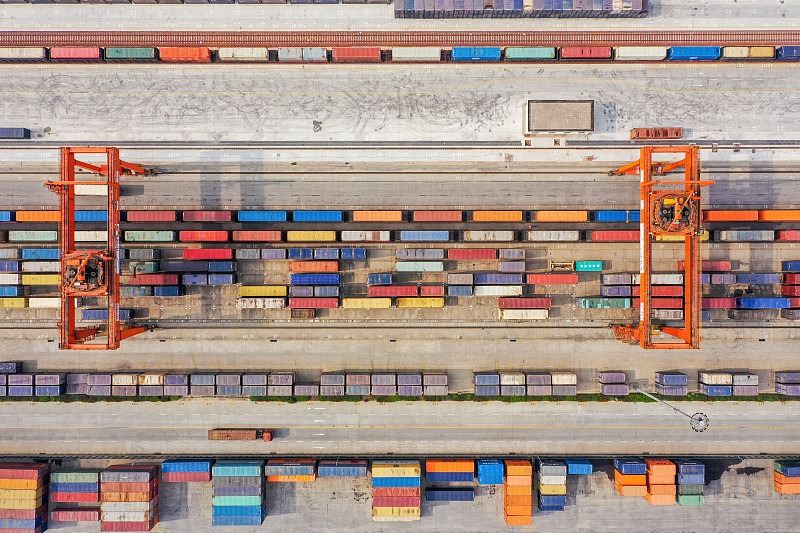
Danish shipping company Maersk has raised its full-year profit forecast by at least $1 billion, citing a surge in demand from the Far East driven by new US tariffs. According to a statement, the company now expects 2026 underlying EBITDA of $8-10 billion, up from a previous forecast range of $4.5-7 billion. The upgrade is due to US retailers stockpiling Chinese goods ahead of new tariffs on dozens of countries scheduled for late July. According to the Financial Times, freight rates are at their highest since the 2024 Red Sea crisis, with the Shanghai Containerized Freight Index just 13% below its peak at that time. Time charter rates have also reached post-pandemic highs, indicating that shippers expect capacity tightness to persist beyond the short-term tariff-driven rush.
CMA CGM has agreed to acquire FedEx Supply Chain for $1.4 billion. The deal will nearly triple the North American footprint of CMA CGM's contract logistics subsidiary, Ceva Logistics, adding approximately 150 warehouses from FedEx Supply Chain. CMA CGM and FedEx also plan to sign multi-year ocean and air freight agreements, phased in through 2028, under which CMA CGM will become FedEx's preferred, non-exclusive ocean carrier. The transaction is expected to close in 2026, subject to regulatory approvals. The move aligns with CMA CGM's strategy to expand into logistics and air freight, following a $2.4 billion port joint venture deal with Stonepeak in January and $20 billion in investments in ships, terminals, and air cargo in the US. FedEx, meanwhile, is divesting business units to focus on its core land and air network, marking its second major divestiture in weeks after spinning off FedEx Freight as a separate publicly traded company.
Oil prices fell nearly 1% in early trading today, as progress in US-Iran talks eased concerns over disruptions in the Strait of Hormuz. According to Reuters, Brent crude futures fell $0.77 to $70.80 per barrel at 02:56 GMT, while West Texas Intermediate (WTI) dropped $0.84 to $67.74 per barrel. The Baltic Exchange's dry bulk freight index continued to rise, gaining 2.4% on Wednesday to 2,562 points. The capesize index rose 4.1% to 3,692 points, the panamax index increased 1.1% to 2,177 points, and the smaller supramax index edged up 0.4% to 1,673 points.