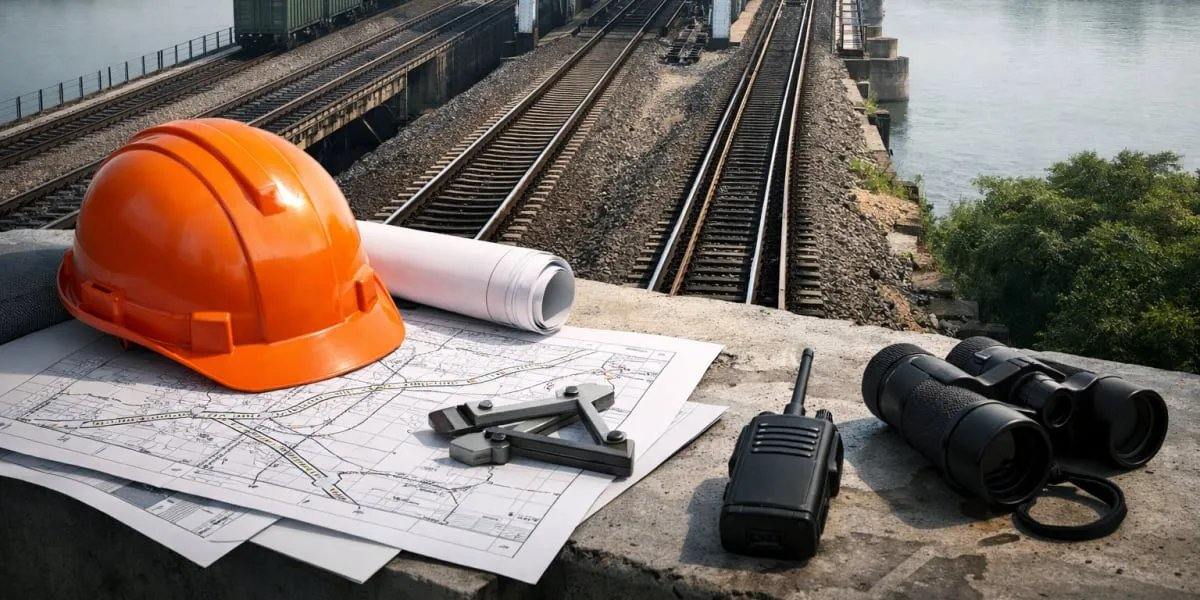
Mexico to Expand 13 Passenger Railway Lines by 2030, Spanning Over 3,000 Kilometers
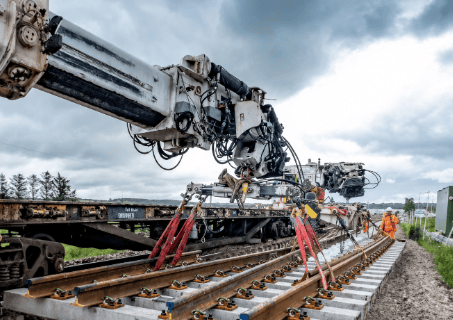
en.Wedoany.com Reported - The Mexican government, through the Comprehensive Public Transportation and Train Agency (ATTRAPI), has released the 2026-2030 Institutional Plan, outlining a clear roadmap for the expansion of the passenger railway system. The plan covers 13 railway lines, over 3,000 kilometers of new tracks, and 38 stations integrated with urban transit systems.
Published in the Official Gazette of the Federation (DOF), this document is ATTRAPI's first comprehensive planning tool, establishing the technical, regulatory, and infrastructure priorities that all federal agencies must follow during the 2026-2030 period. President Claudia Sheinbaum stated in May that her administration would build at least 2,377 kilometers of public railway tracks, making passenger rail transport one of the federal government's main infrastructure priorities. ATTRAPI's three core objectives include expanding the passenger railway network to strengthen regional connectivity, consolidating a more competitive freight railway system, and developing urban, suburban, and intercity public transport services around new railway lines. The Ministry of Infrastructure, Communications, and Transportation (SICT) stated that the current administration aims to develop and plan over 3,000 kilometers of passenger train lines, strengthen freight rail transport, and implement urban, suburban, and intercity public transport services in key cities and metropolitan areas.
The plan establishes three development phases for new railway corridors. The first phase includes the AIFA-Pachuca, Mexico City-Querétaro, Querétaro-Irapuato, and Saltillo-Nuevo Laredo lines. The second phase considers Querétaro-San Luis Potosí, San Luis Potosí-Saltillo, Mazatlán-Los Mochis, and Irapuato-Guadalajara. Subsequent development will cover Guaymas-Hermosillo, Guadalajara-Tepic, Los Mochis-Guaymas, Tepic-Mazatlán, and Hermosillo-Nogales.
The railway strategy also incorporates urban development related to stations. ATTRAPI recommends building stations connected to local transit systems through transfer centers, promoting integration with city buses and other mobility services, developing stops for smaller communities, and ensuring universal accessibility. Additionally, the plan establishes national standards for railway communications, electrification, signaling, train control, and technical interoperability to facilitate future network expansion.
To prevent passenger services from affecting freight rail operations, the plan stipulates permanent coordination mechanisms between concessionaires, assignees, and federal authorities, strengthening technical oversight of existing infrastructure through annual inspections, modernization, and maintenance programs. On the logistics front, the strategy includes promoting freight integration into the Maya Train, completing the K-line of the Tehuantepec Isthmus Interoceanic Corridor to the Guatemalan border, and strengthening economic and operational oversight of the national railway system.
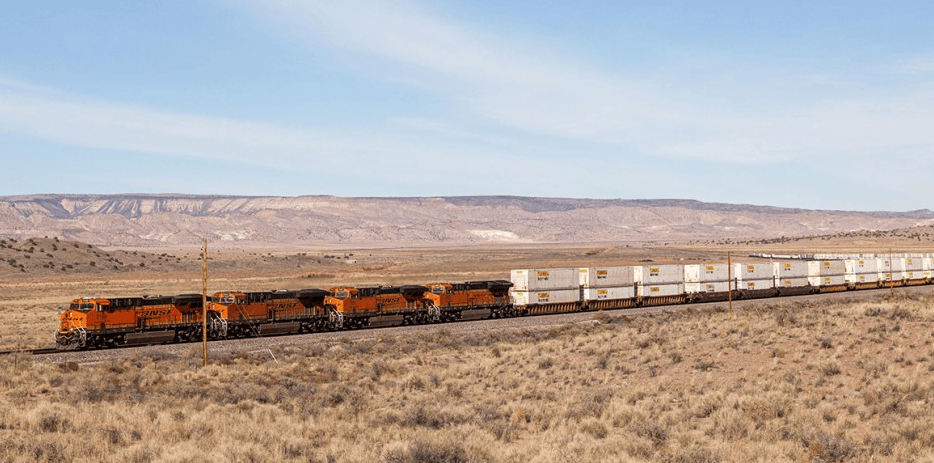
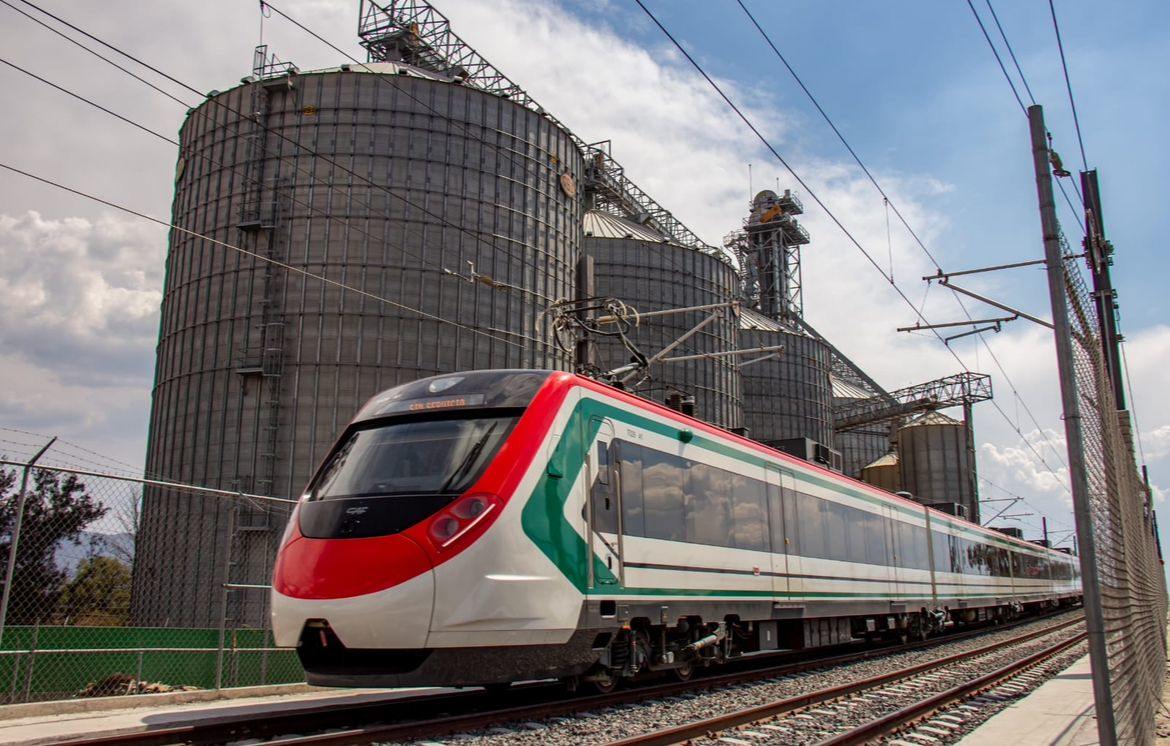
The plan notes that the disappearance of passenger rail services after the 1995 railway privatization led to increased travel times, road congestion, and pollution emissions. As of the end of 2025, Mexico had a railway network of 28,864 kilometers, 66% of which were concession or assigned main lines. The system also includes 8 border crossings with the United States, 10 port connections, and 150 freight terminals. Between 2023 and 2025, the network grew by 4.08%, mainly due to the addition of the Maya Train and the El Insurgente Train. In the first quarter of 2025, approximately 132 million tons of cargo were transported, and about 52 million passengers used railway services such as the Maya Train, El Insurgente Train, suburban trains, and other regional systems.
ATTRAPI plans to incorporate approximately 3,300 kilometers of new railway lines into Mexico's railway system by 2030, build 38 stations integrated with urban areas, and develop 150 kilometers of new structured public transport projects. The plan also sets targets for railway engineering budget execution and full compliance with the annual railway infrastructure inspection plan, aiming to consolidate a national system that combines passenger expansion with a more efficient and competitive freight network.
Related Products
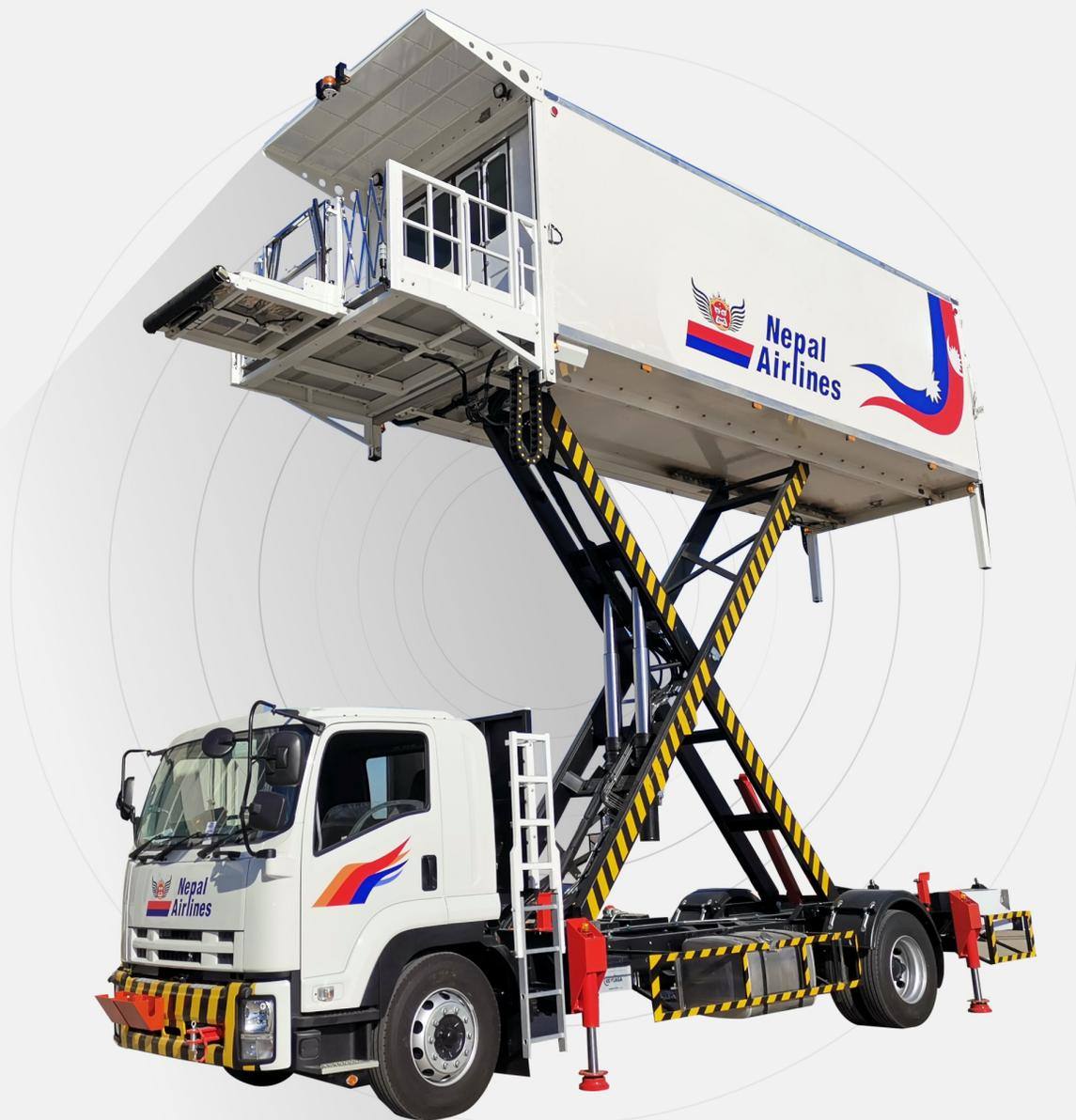

XC-6000e Type Aviation Catering Truck (Fuel Type)
Shenzhen CIMC-TianDa Airport Support Ltd.
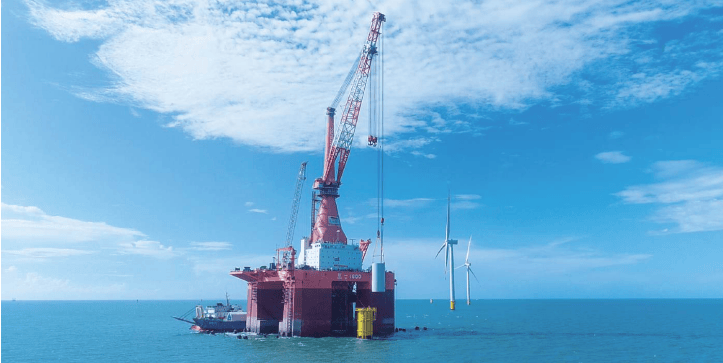
"Shunyi 1600" Deep-submerging Bottom-sitting Multi-functional Wind Power Engineering Vessel
Zhengli Offshore Engineering Co., Ltd.
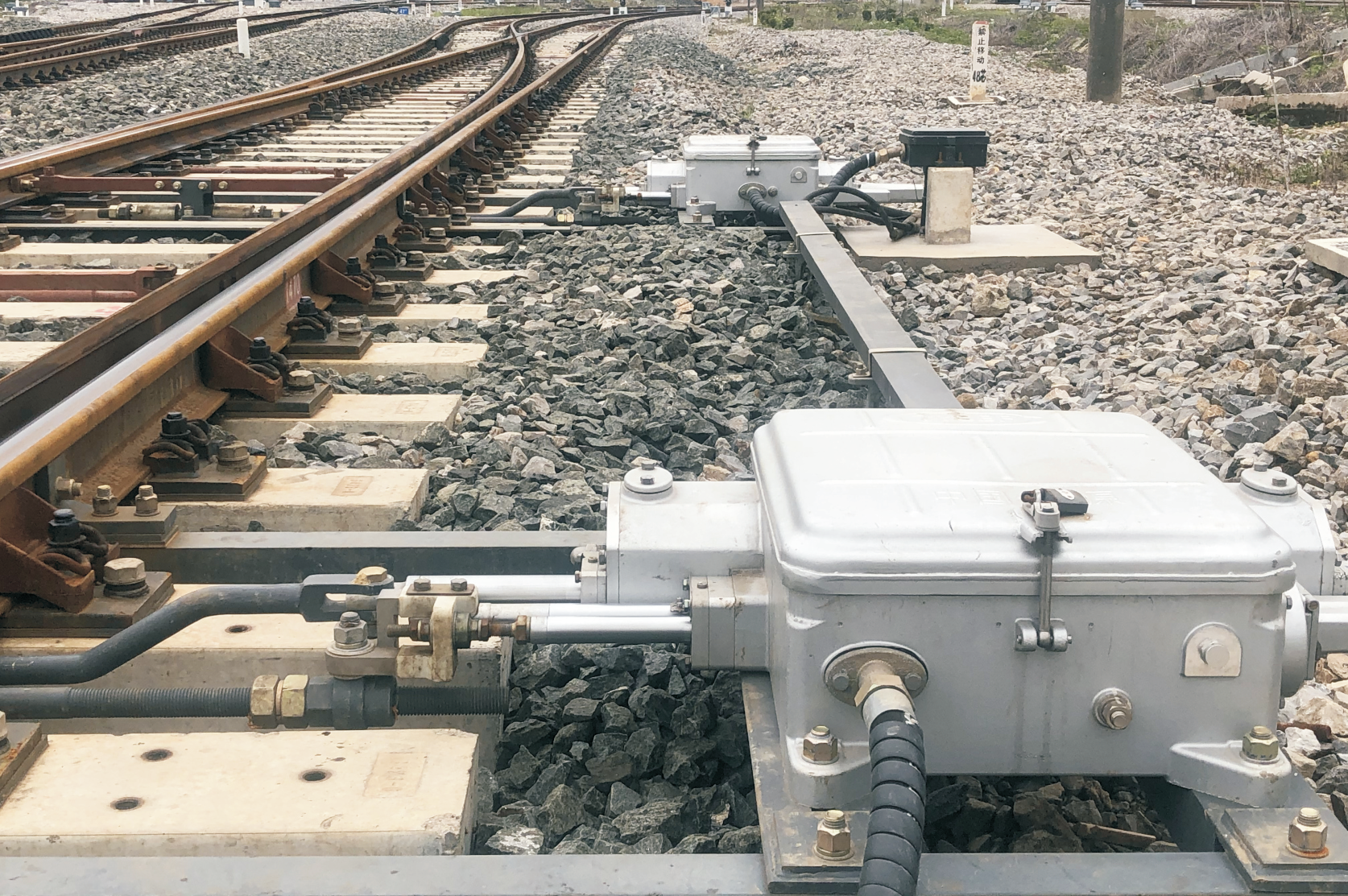
ZY(J)7(M) Sealed Type Electro-Hydraulic Turnout Machine
TAIYUAN CR JINGFENG EQUIPMENT TECHNOLOGY CO., LTD.
GSR6-27.5kV SF6 Free Gas-insulated Metal-enclosed Switchgear
Zhejiang Juhonkia Intelligent Electric Co., Ltd.