JR East to Launch Shinkansen Dedicated Ticket Machine Trial in 2026
en.Wedoany.com Reported - East Japan Railway Company (JR East) plans to launch a trial of the "Shinkansen e-Ticket Purchase Machine (tentative name)" at Omiya Station and Utsunomiya Station around the end of fiscal year 2026. As the fourth initiative under the "Suica Renaissance" strategy, the company aims to address passengers' ticket purchasing difficulties at stations through physical terminals.
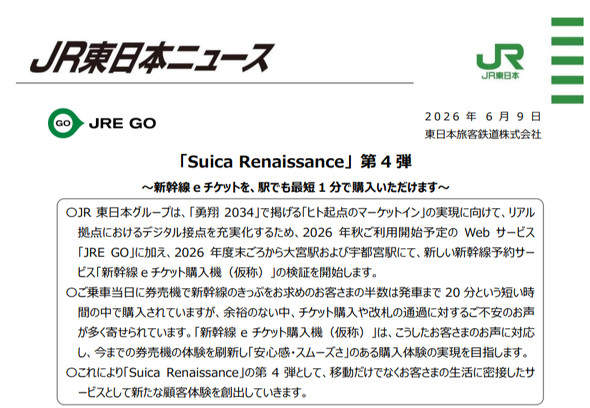
According to a company survey, approximately 80% of passengers purchasing Shinkansen tickets at ticket machines choose to buy them on the day of travel, with half of these purchases concentrated within 20 minutes before departure. JR East noted that existing reserved seat ticket machines have complex functions and difficult-to-understand operational procedures, causing first-time or infrequent users to hesitate, take too long, or even abandon the process. Additionally, the "Shinkansen e-Ticket," which previously allowed travel using transportation IC cards, could only be purchased through the "eki-net" website and required advance membership registration, making it unavailable at station ticket machines and further intensifying purchase pressure during peak departure times.
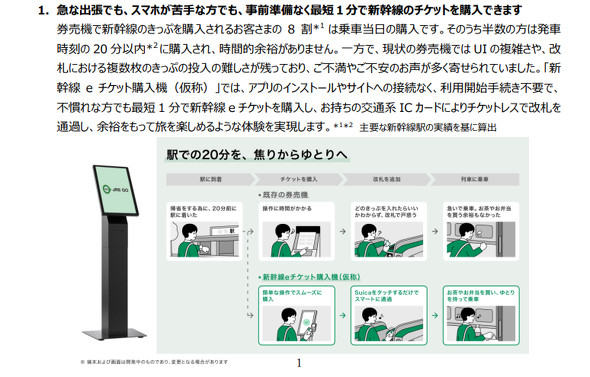
When asked why the company is adding physical terminals instead of shifting all ticket purchases to smartphones, JR East's public relations department explained that as an operator of highly public infrastructure, it must maintain convenient channels for users unfamiliar with online purchasing. The "Shinkansen e-Ticket Purchase Machine" is dedicated solely to buying Shinkansen tickets, eliminating the need to unlock a phone, search for apps, install software, or enter credit card information, and requires no membership registration, enabling immediate on-the-spot purchases. Particularly during peak departure times when communication environments are poor or users are less skilled, physical terminals ensure purchase reliability.
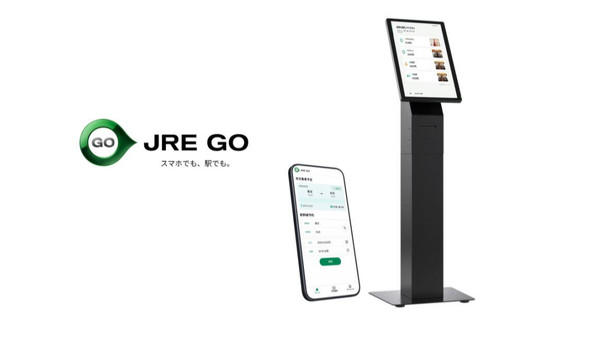
To achieve ticket purchases within one minute, the new terminal boldly simplifies functions, limiting payment methods to credit cards and excluding services such as "special value fares." This design is based on a minimum viable product (MVP) approach, prioritizing speed and ease of understanding, with subsequent trials gradually exploring feature expansion. The development team faces the challenge of balancing "simplicity that does not confuse" with "sufficient information for confident choices." Unlike smartphones, station terminals have fixed screen sizes, heights, and angles. The team conducted multiple tests of terminal modes based on actual field of view and standing positions, repeatedly verifying long-distance visibility and ease of use in operational environments.
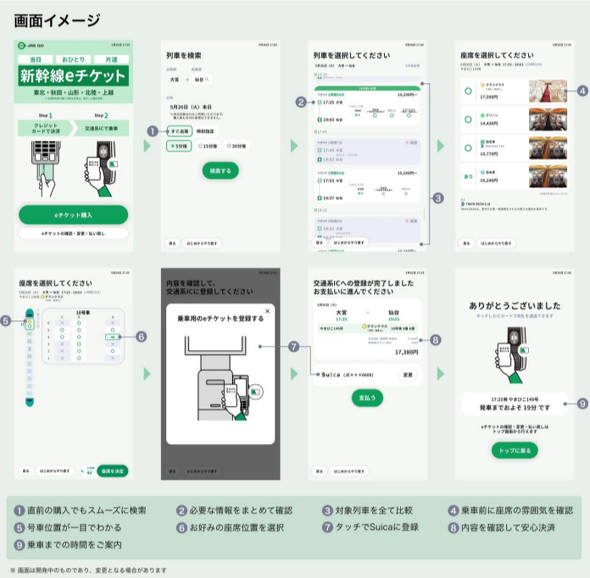
The new terminal will operate using the common design system and platform of the "JRE GO" online service, scheduled to launch in fall 2026. JR East noted that previously, smartphone and station terminals were developed independently, leading to fragmented user experiences. By standardizing the backend platform, the company aims to improve development efficiency, ensure consistent quality, and provide a unified ticket purchasing experience between smartphones and station terminals.
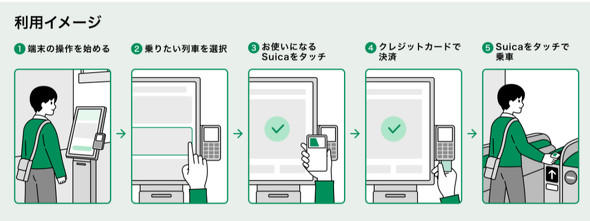
Omiya Station and Utsunomiya Station were selected as trial sites primarily due to their high volume of reserved seat ticket machine purchases and a regional reservation completion rate of approximately 80%, facilitating the collection of actual usage data. Looking ahead, JR East plans to further enhance multilingual support and guidance signage to meet the growing demand from inbound travelers. This initiative is positioned as a key component of the DX strategy "Suica Renaissance" under the theme "Connecting Physical and Digital Touchpoints," aiming to provide a simple and smooth ticketless experience for all users, including those unfamiliar with smartphones.
Related Products

Explosion-proof lithium battery dispatching monorail crane locomotive (permanent magnet frequency conversion integrated machine)
Xiangtan Hengxin Industrial Co., Ltd.
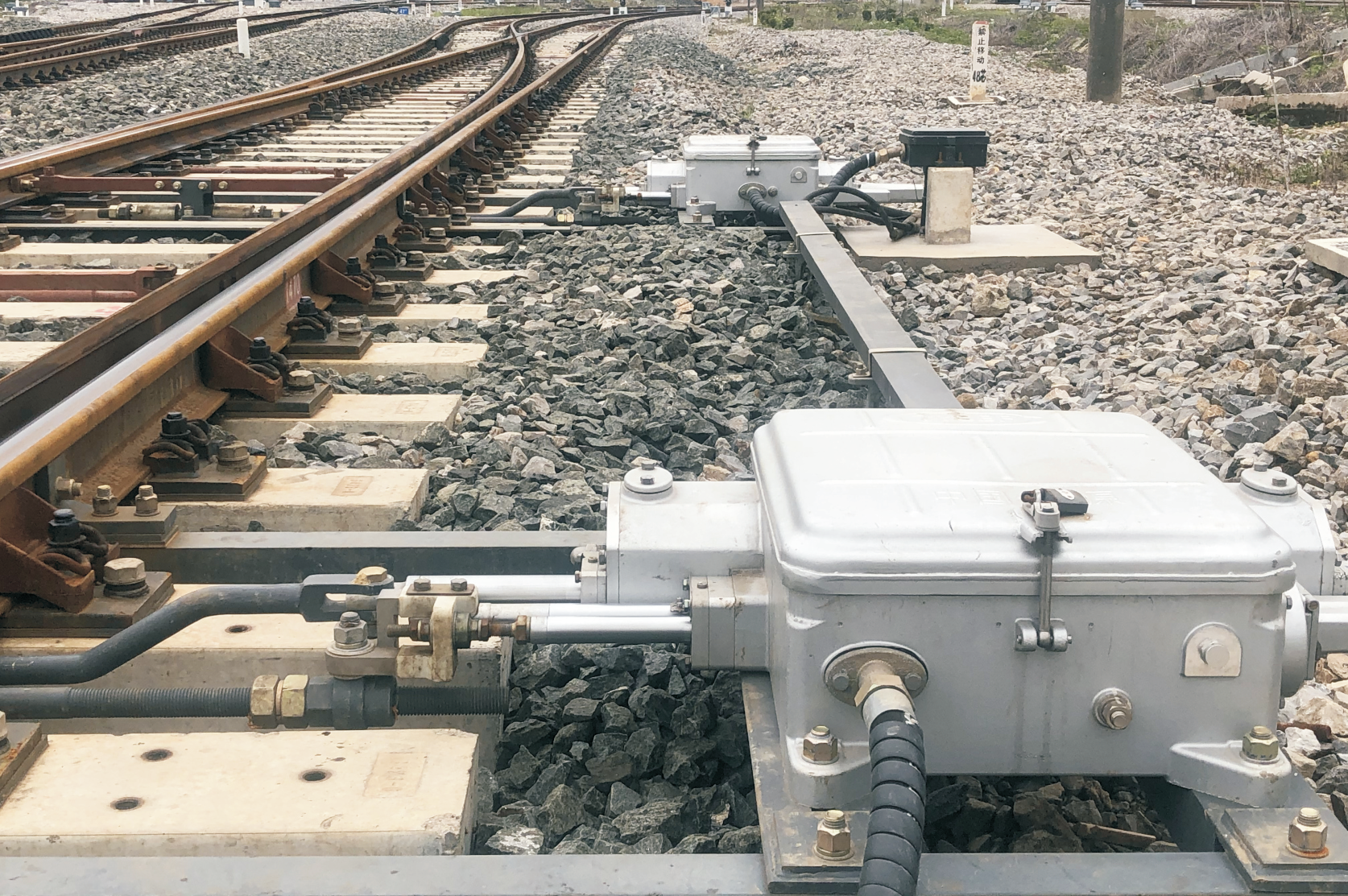
ZY(J)7(M) Sealed Type Electro-Hydraulic Turnout Machine
TAIYUAN CR JINGFENG EQUIPMENT TECHNOLOGY CO., LTD.
Wheel and Track Technology Business
Beijing Research & Design Institute of Rubber Industry Co., Ltd.