Boeing 757 Operates Transatlantic Narrowbody Routes in 2026
en.Wedoany.com Reported - As a narrowbody airliner, the Boeing 757 successfully carved out the "long and thin" market on transatlantic routes thanks to its unique combination of range, payload, and takeoff performance, making it one of the most versatile aircraft in aviation history. Originally designed to replace the Boeing 727, the 757 entered service with Eastern Air Lines on January 1, 1983, and a total of 1,050 units were delivered, including 913 Boeing 757-200s and 137 Boeing 757-300s, carrying approximately 200 to 260 passengers. Today, Delta Air Lines and United Airlines are the only two major passenger operators, both planning to retire the type in the coming years.
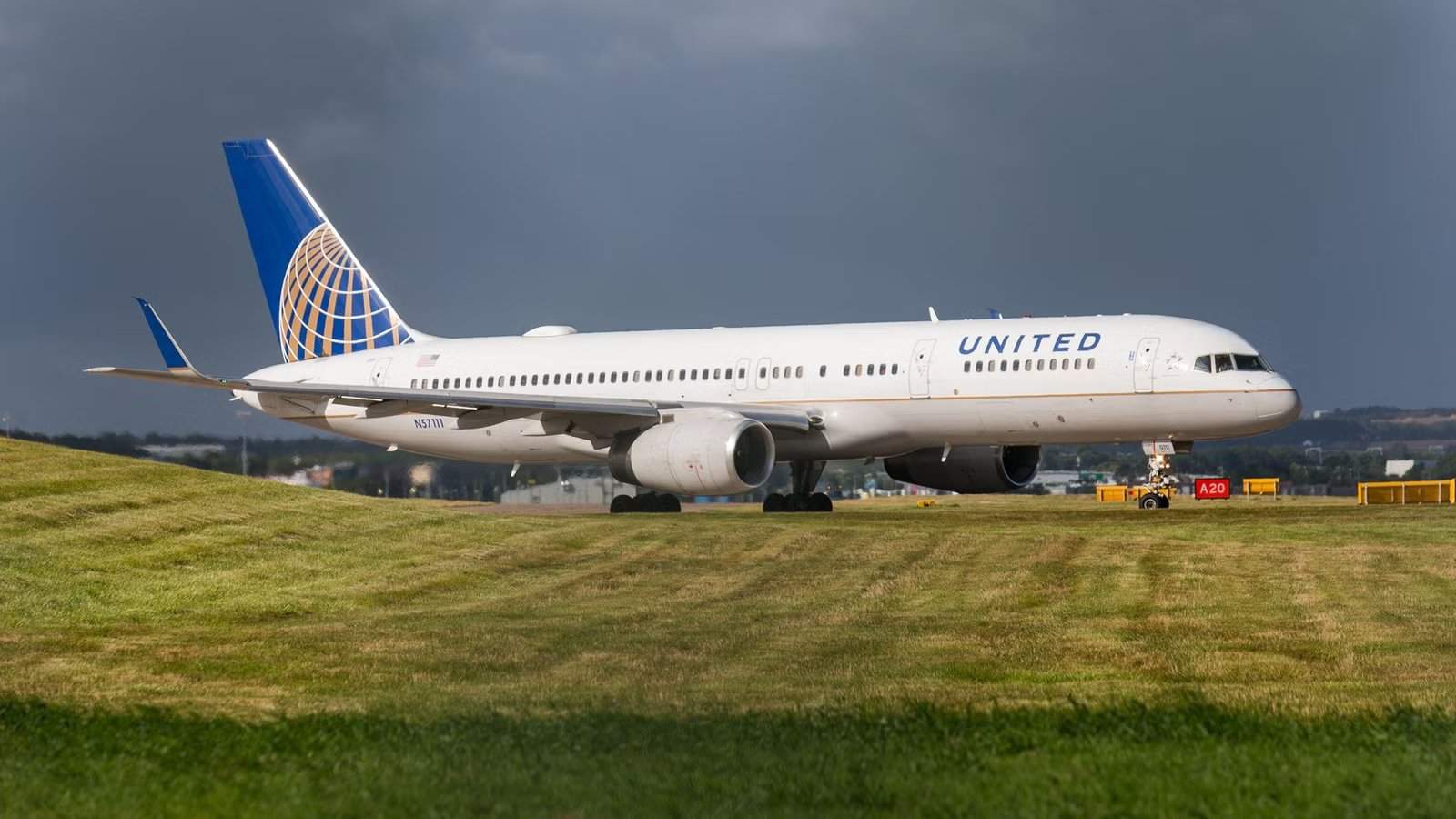
The Boeing 757 originated from Boeing's 7N7 development project in the mid-1970s, aimed at replacing the highly successful but increasingly inefficient Boeing 727. Entering service with Eastern Air Lines on January 1, 1983, the 757 quickly became one of the most versatile commercial aircraft ever built. By the time production ended in 2004, Boeing had delivered 1,050 units, comprising 913 Boeing 757-200s and 137 Boeing 757-300s. Depending on the airline and variant, the 757 can carry approximately 200 to 260 passengers.
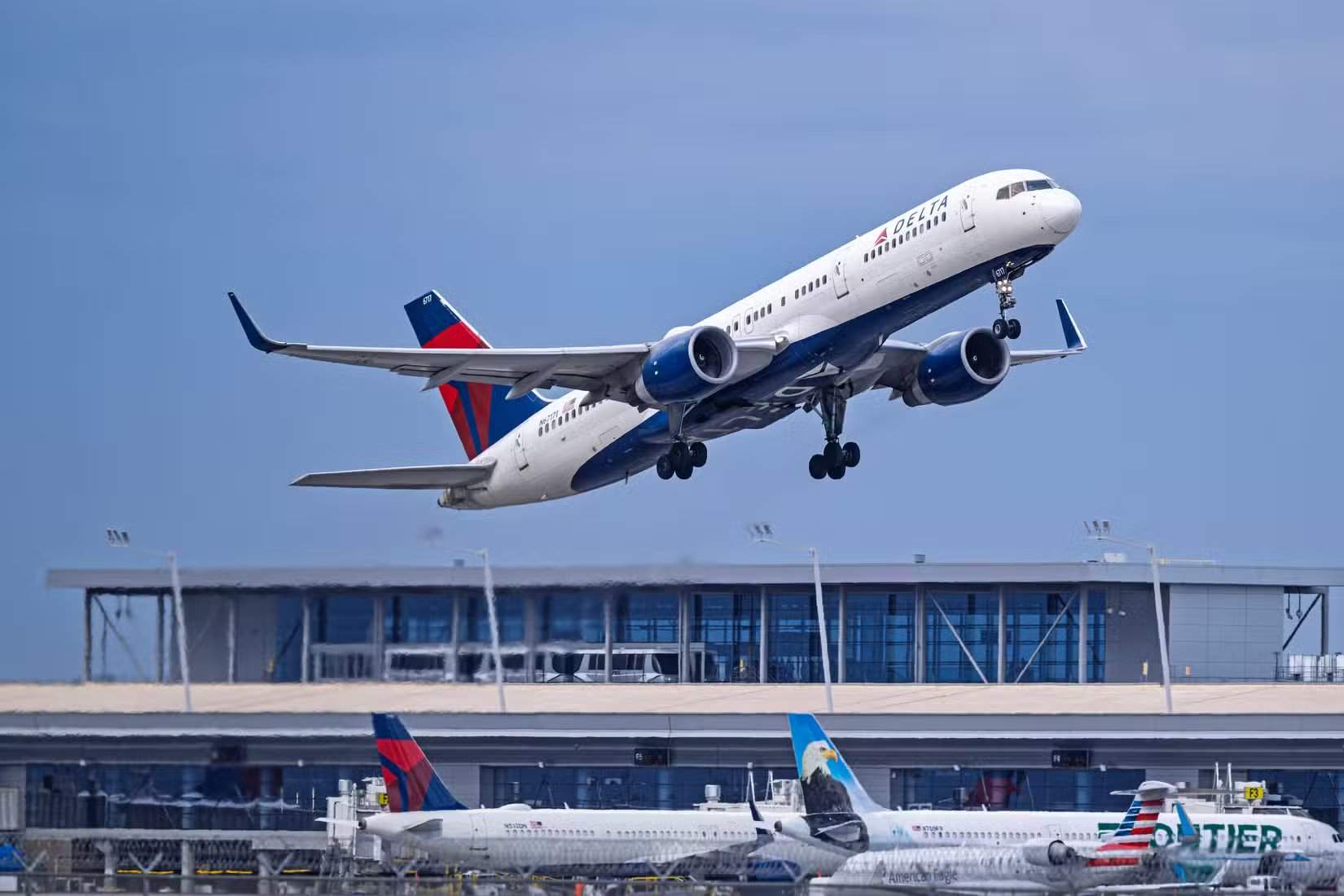
The aerodynamic design of the Boeing 757 was key to its success. The wing features a supercritical airfoil with a 25-degree sweep angle and 5 degrees of dihedral, with each wing area approximately 2,000 square feet (185 square meters), reducing drag at a cruise speed of Mach 0.80 (610 mph or 980 km/h). Combined with full-span leading-edge slats and double-slotted trailing-edge flaps, low-speed lift is nearly doubled. Boeing engineers found that on flights of the same distance, the 757 required about 1,250 feet less runway for takeoff at maximum weight compared to the Boeing 727-200, enabling it to operate from smaller airports with shorter runways.
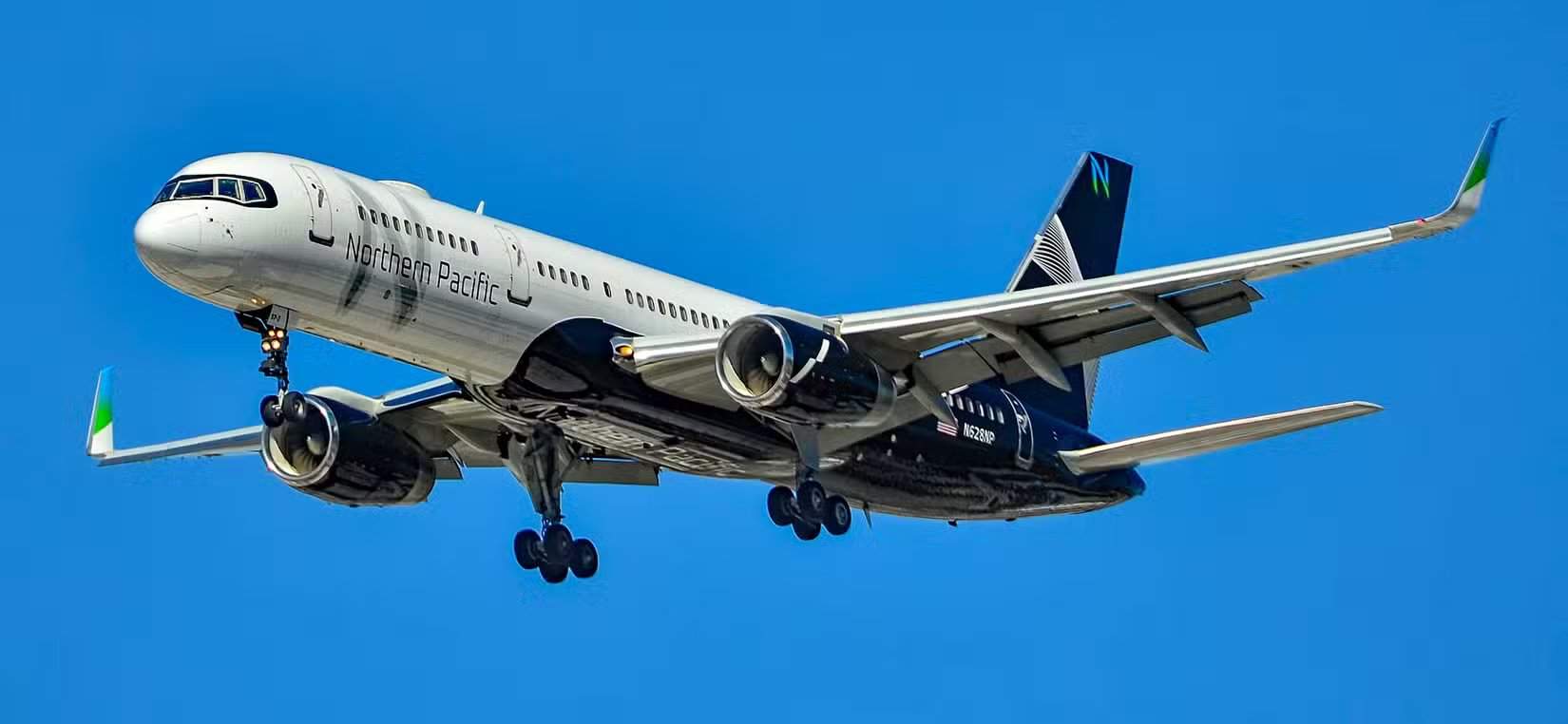
In terms of engines, the Boeing 757 offered a choice between the Rolls-Royce RB211 series or the Pratt & Whitney PW2000 series, with thrust levels ranging from 36,600 to 43,500 pounds-force (163 to 193 kN), approximately 1.5 times stronger than conventional engines on aircraft of similar size. This allowed the 757 to carry about 4,000 gallons (15,000 liters) more fuel, climb faster and at steeper angles, and achieve fuel consumption approximately 45% lower than the Boeing 727. The Boeing 757-200 has a maximum range of 3,900 nautical miles (7,250 km), while the 757-300 reaches 3,500 nautical miles (6,420 km).
Before 1985, twin-engine aircraft were required to remain within 60 minutes of a diversion airport at all times. In February 1985, the Federal Aviation Administration (FAA) updated the rules, authorizing eligible aircraft for ETOPS-120 operations. In April 1986, the Boeing 757 received ETOPS certification, with aircraft equipped with Rolls-Royce RB211 engines approved first, followed by Pratt & Whitney-powered variants. ETOPS certification enabled the 757 to operate transatlantic routes where demand was insufficient to support widebody aircraft like the Boeing 767, and by the early 2000s, it had become a major player in the transatlantic market.
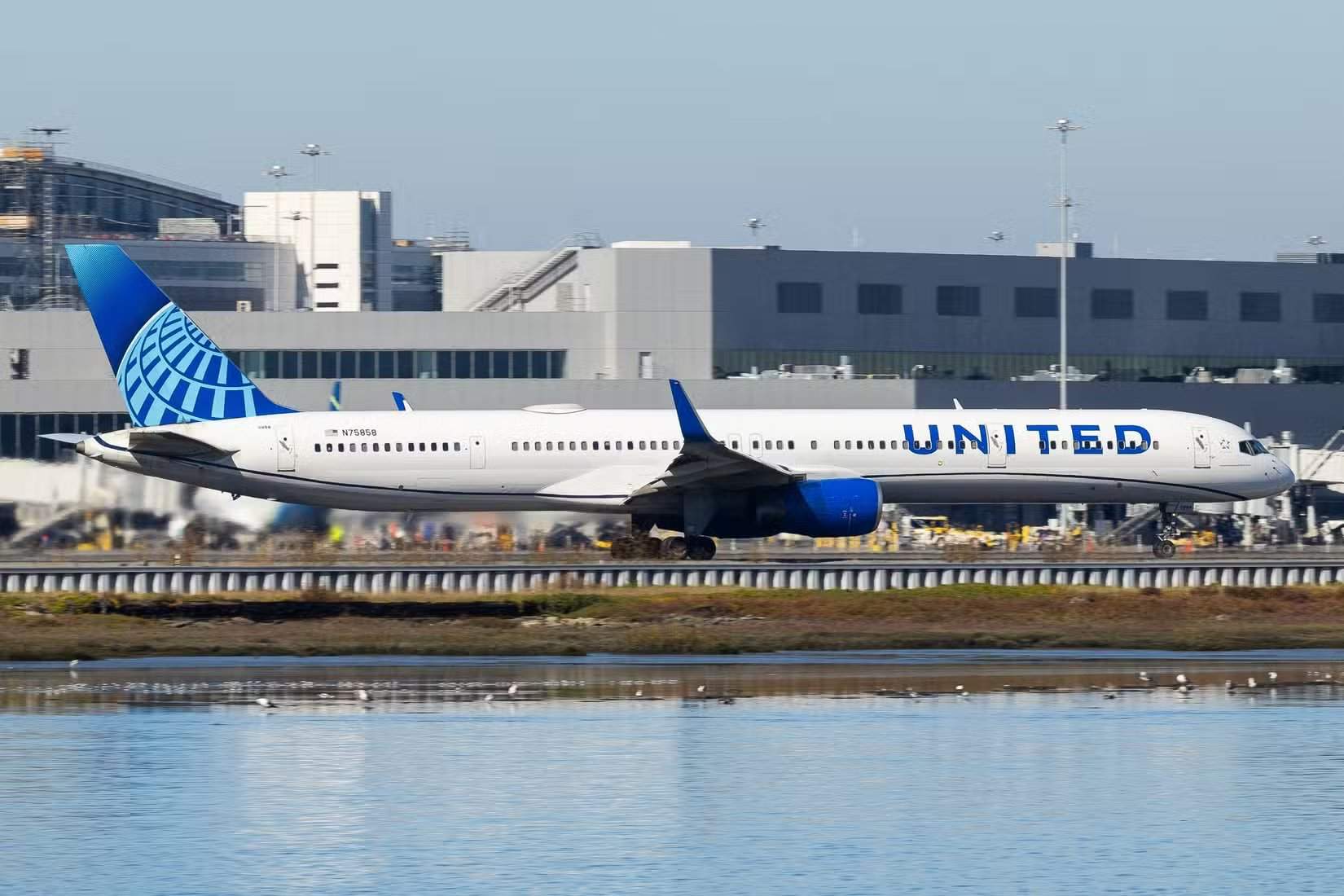
In 2026, United Airlines continues to operate a significant number of 757 flights across the Atlantic, with bases including Chicago (ORD), Washington D.C. (IAD), and New York (EWR). The aircraft serves "long and thin" routes in the transatlantic market, connecting U.S. cities like New York and Boston with destinations such as Shannon (Ireland) or Porto (Portugal). The table below lists the busiest transatlantic 757 routes in 2026, all eight of which are operated by United Airlines:
Origin | Destination | Number of Flights | Available Seats | Average Distance (miles) |
|---|---|---|---|---|
IAD | DUB | 529 | 93,104 | 3,405 |
EWR | OPO | 407 | 71,632 | 3,340 |
EWR | EDI | 365 | 62,240 | 3,269 |
EWR | DUB | 319 | 56,144 | 3,193 |
IAD | EDI | 280 | 49,280 | 3,478 |
EWR | SNN | 205 | 36,080 | 3,096 |
ORD | EDI | 177 | 31,152 | 3,713 |
EWR | AGP | 146 | 25,696 | 3,677 |
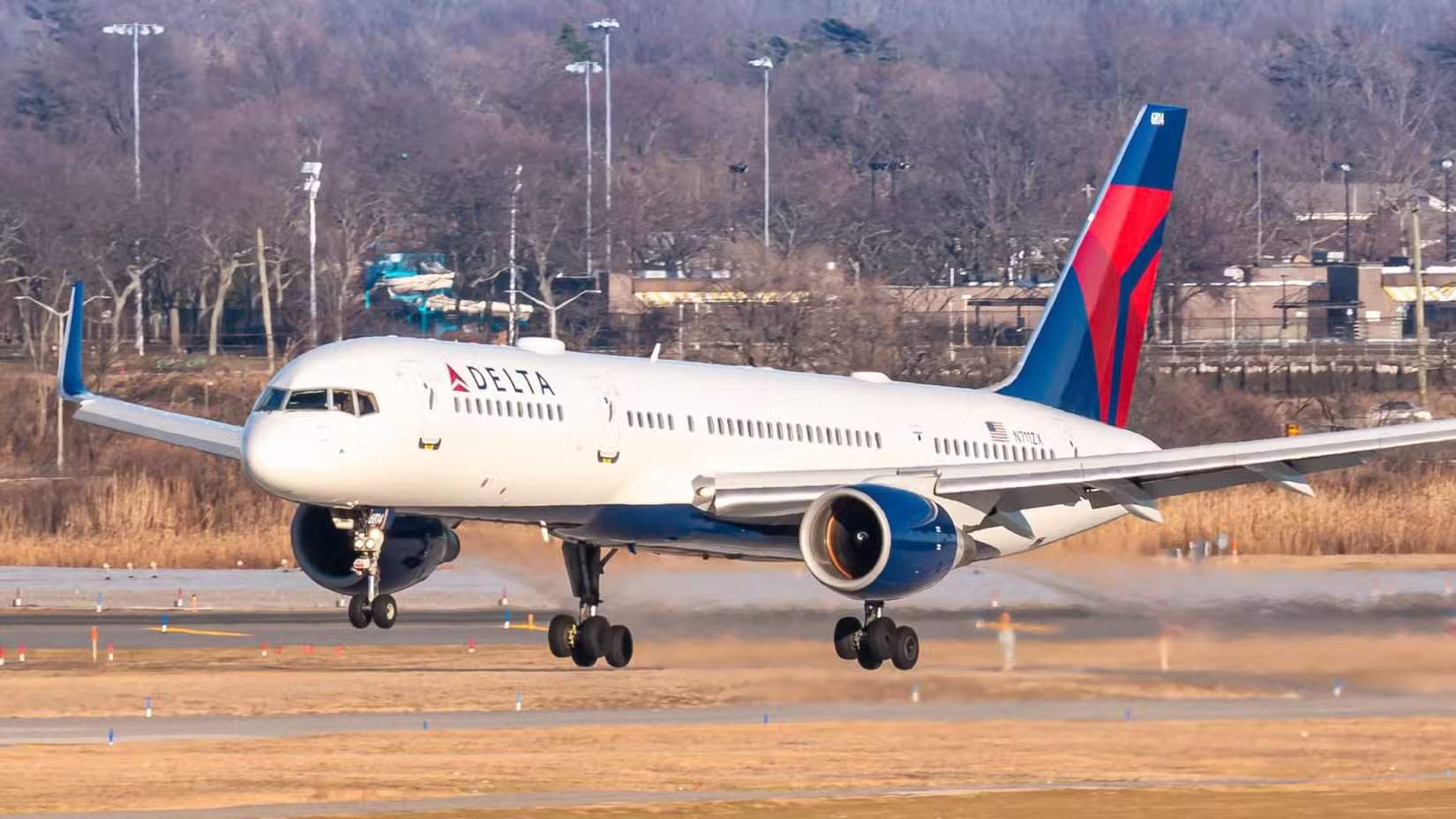
The Boeing 757 ceased production in 2004. In the years that followed, neither the Boeing 737 Next Generation series nor the Airbus A320 family could fully replicate its combination of range, payload, and takeoff performance. As of 2026, the Airbus A321XLR is the closest replacement, with a maximum range of 4,700 nautical miles, though its passenger capacity is slightly lower than the 757. Despite modern designs increasingly approaching its capabilities, the Boeing 757 remains the benchmark for performance and flexibility in the long-range narrowbody market.