U.S. Sets Goal of Supporting Over a Thousand Space Missions Annually by 2030
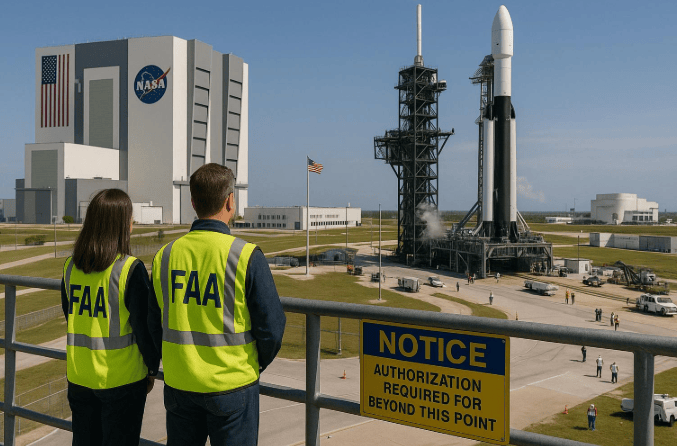
en.Wedoany.com Reported - On August 20, local time, U.S. President Donald Trump signed a new National Space Transportation Policy memorandum, requiring that by 2030, U.S. space transportation ranges and related facilities be capable of supporting more than 1,000 launch and reentry missions annually, covering suborbital, low-Earth orbit, lunar, Lagrange point, and deep space missions. In 2025, the United States completed a total of 178 space launches, of which SpaceX conducted 170.
The U.S. Department of Defense and NASA will operate federal launch ranges and reentry facilities for government and commercial users, and expand infrastructure capacity through site leasing, commercial investment, public-private partnerships, and joint facility development. Federal agencies will also establish cost recovery mechanisms for public facilities and services, expedite licensing and environmental reviews for space facilities, and increase opportunities for commercial enterprises to use federal launch ranges.
The memorandum sets implementation deadlines for multiple tasks. Relevant agencies must, within 180 days, develop federal launch range scheduling standards, publish site utilization plans, identify new launch facilities and priority upgrade projects, and integrate space launch and reentry management into airspace and air traffic control modernization systems. The United States will also designate priority airspace for key space launch corridors and allocate radio frequency spectrum for commercial and government launch, reentry, recovery, and on-orbit activities.
The U.S. Department of the Interior will, within 90 days, select a new reentry site from federal lands, after which the Department of Transportation will assess relevant safety standards, and the Department of Commerce will, within 240 days, develop a site development plan covering commercial access, infrastructure construction, and joint development. The Department of Defense will also study the regulatory, technical, and operational conditions required to provide rapid space launch services within 48 hours of mission request.
The White House science and technology policy team will, within 180 days, develop a space transportation industrial base strategy covering launch capabilities, supply chains, workforce development, and government procurement. The Department of State and the Department of Commerce will, within 120 days, adjust space transportation export policies and export controls to promote U.S. launch technology, services, and standards in allied and partner markets. U.S. government missions will prioritize commercial space transportation services, and government payloads will, in principle, use U.S.-manufactured launch vehicles.
NASA will establish a commercial logistics architecture for the lunar surface, promoting commercial transportation systems to carry out crew and cargo missions to and from the Moon, while also studying commercial robotic Mars landing and commercial crewed round-trip Mars transportation options. The U.S. Department of Defense will expand procurement of on-orbit services and space logistics, supporting transportation methods such as orbital maintenance, space transportation, mobile launch equipment, and spaceplanes.
This memorandum replaces the U.S. National Space Transportation Policy established in 2013 and aligns with commercial space regulatory reform measures issued in 2025, forming a policy framework covering launch ranges, reentry sites, airspace, spectrum, commercial procurement, and deep space transportation.
Related Products



Industrial and Commercial Point-Type Gas Detector
Jinan Benan Technology Development Co., Ltd.
GSR6-27.5kV SF6 Free Gas-insulated Metal-enclosed Switchgear
Zhejiang Juhonkia Intelligent Electric Co., Ltd.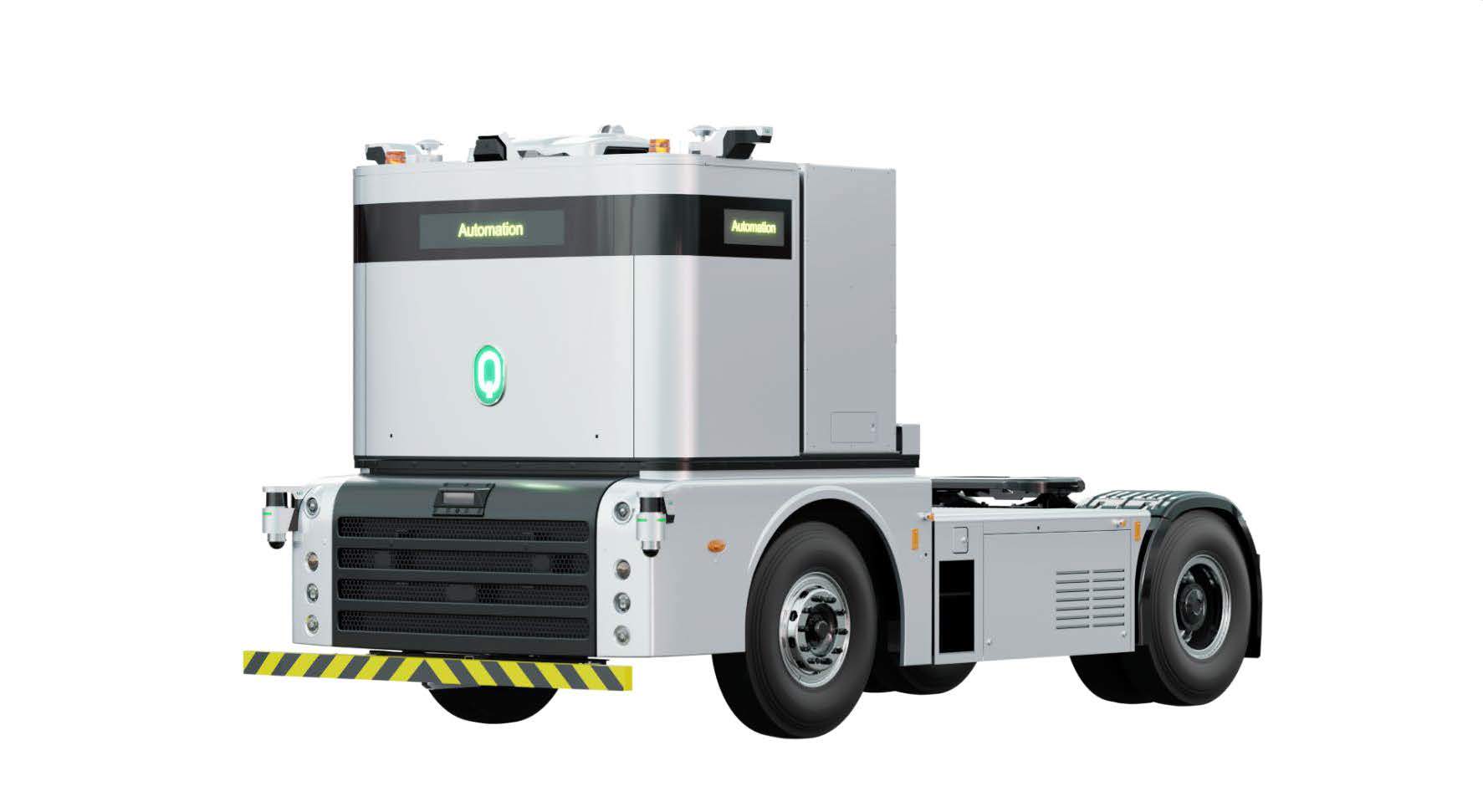
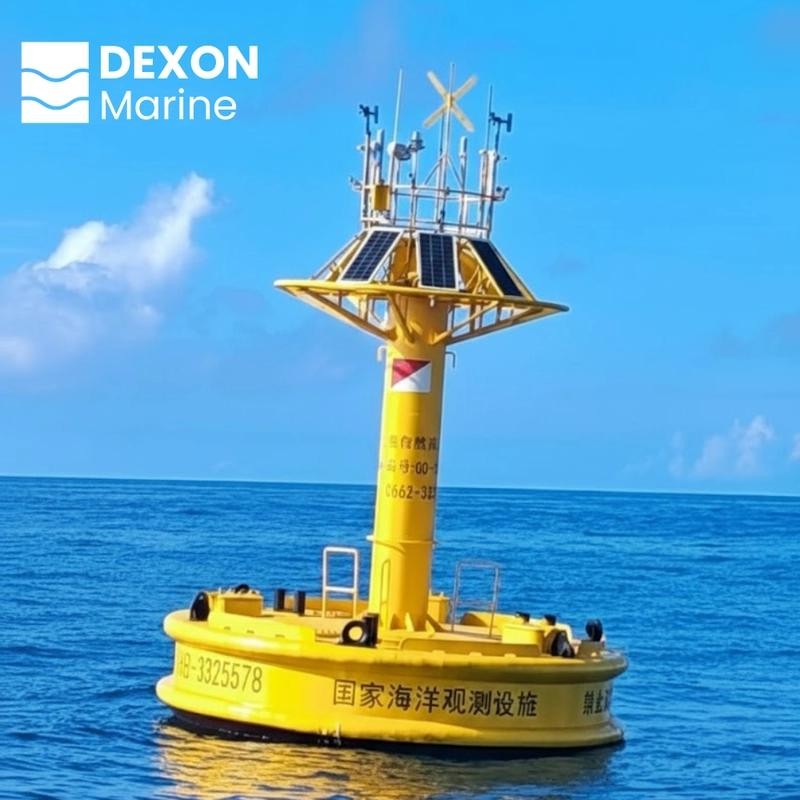
3m intelligent buoy combining navigation safety and real-time marine monitoring integrated navigation and marine monitoring system for real-time maritime data
Chengdu Dixin Technology Co., Ltd.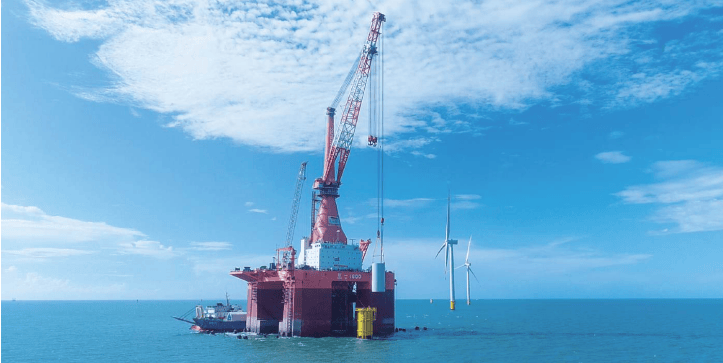
"Shunyi 1600" Deep-submerging Bottom-sitting Multi-functional Wind Power Engineering Vessel
Zhengli Offshore Engineering Co., Ltd.
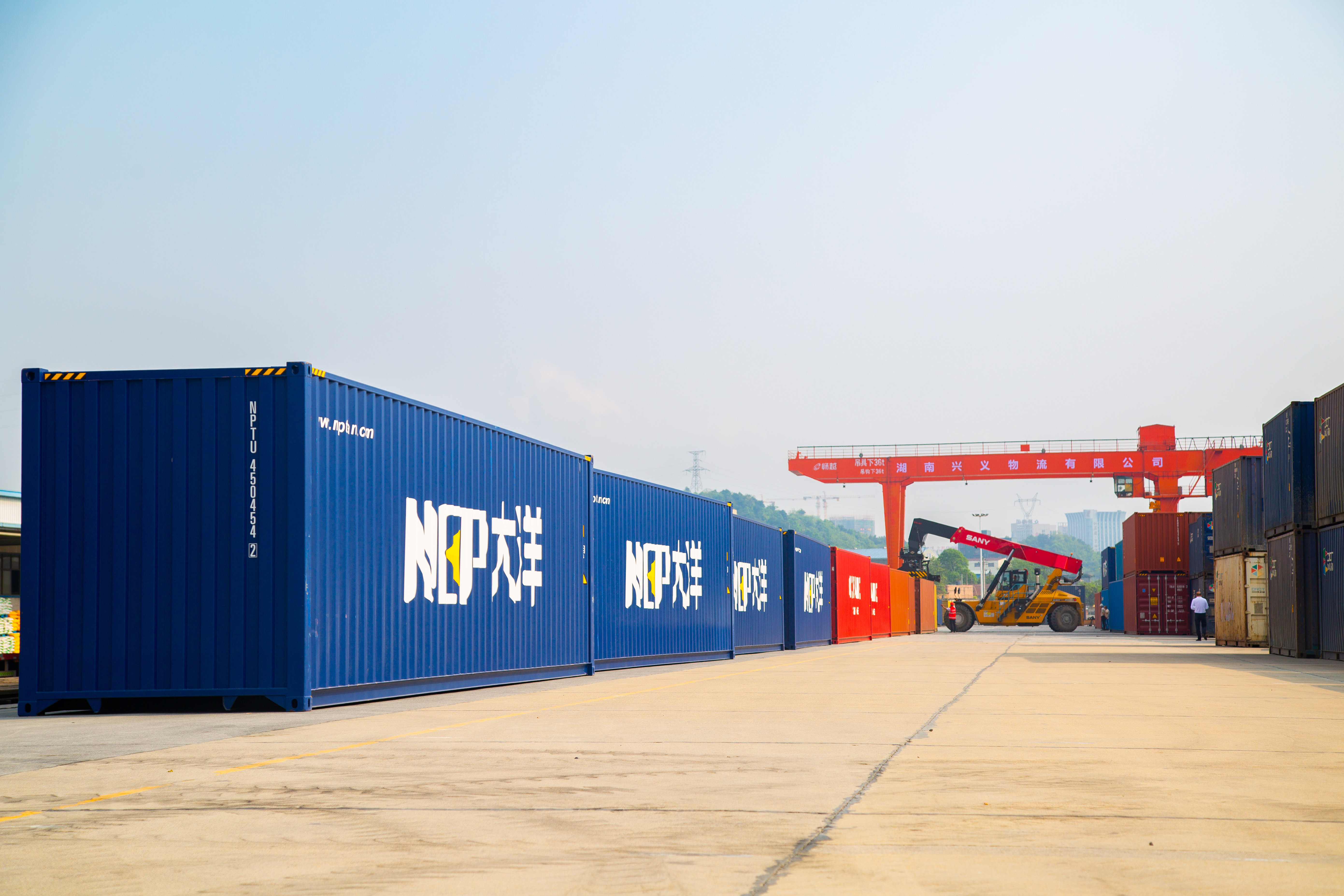
China - Alashankou/Khorgos - Europe Full Range Transportation (Mala/Hamburg/Duisburg/Budapest, etc.)
Shenzhen Neptune Logistics Co., Ltd.
CLW5180TXSD6 Dongfeng Tianjin Washing and Sweeping Truck
ChengLi Special Automobile Co., Ltd.
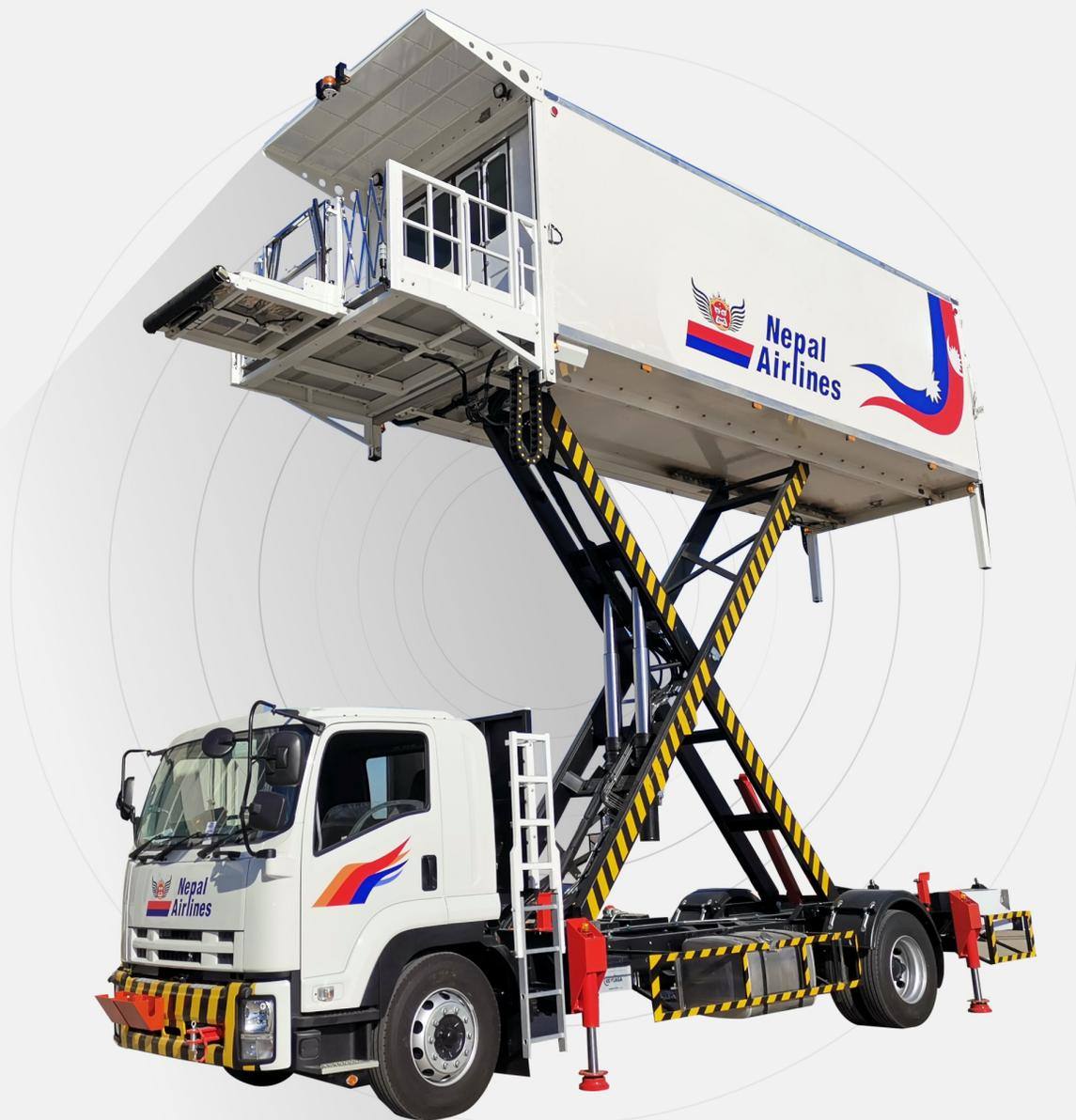
XC-6000e Type Aviation Catering Truck (Fuel Type)
Shenzhen CIMC-TianDa Airport Support Ltd.