MIT Lincoln Laboratory Develops Low SWaP-C Antenna Array to Protect pLEO Communications
en.Wedoany.com Reported - Researchers at MIT Lincoln Laboratory have developed a prototype antenna called the Hosted Nulling Beamforming Anti-Jam Reflectarray (HoNi BAJR), designed to protect tactical satellite communication links in proliferated low Earth orbit (pLEO) constellations from interference with low size, weight, power, and cost (SWaP-C).
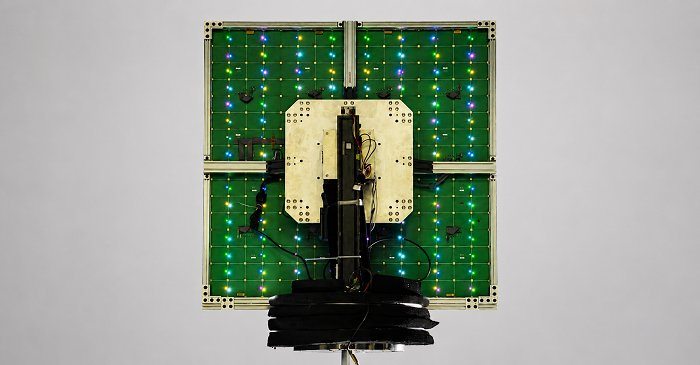
In contested environments, tactical satellite communications (SATCOM) must ensure channel security to resist jamming. pLEO constellations, due to their large number of satellites, impose stringent SWaP requirements and face threats including signal interference and signals intelligence collection. Real-time alteration of the antenna beam shape to protect ground user signals is key to maintaining satellite-to-user communication. Michael Craton of the Lincoln Laboratory Tactical Satellite Communications Group stated that to address future challenges, it is necessary to design scalable, low SWaP-C RF apertures that do not sacrifice functionality—achieving high performance with cheaper hardware while proactively addressing potential threats.
Adaptive antenna arrays prevent interference by rapidly changing beam states (adaptive beamforming) to set nulls in specific directions. However, their high SWaP limits application in constrained environments like pLEO. To address this, the team developed the HoNi BAJR scanning reflectarray antenna prototype, whose surface consists of individually controllable reflective elements. When a signal hits the surface, each element reflects energy with a specific phase shift to form a beam and block interference. This reflectarray structure is simple, easy to scale and control. Compared to phased arrays, it eliminates the need for amplifiers per element; signals are collected by a feed antenna and combined in free space, significantly reducing SWaP, with power consumption reduced by approximately 95%.
The HoNi BAJR prototype is specifically designed for pLEO constellation communications, with coverage extending to the horizon and adaptability to low-power users. The team validated its beamforming capabilities at the RF System Test Facility, successfully demonstrating high scan angles, indicating the array can receive signals over a wide range. Tests also showed minimal signal loss when synthesizing multiple peaks or split beams, suggesting it can transmit signals to multiple users without losing information.
Suppressing interference from harmful signals, such as those from base stations or electronic devices, is critical for proper antenna operation. Building on two internal projects—Deployable Electronically Scanned Reflectarray (DESRa) and Phase Analog Beamforming (PhAB)—the team validated adaptive null placement and real-time interference suppression capabilities. However, in the dynamic signal environment of HoNi BAJR, there may not be sufficient time for the beam to adapt quickly. The team innovatively proposed creating interference suppression zones by shaping beam sidelobes, rather than targeting individual interference points. This technique had shortcomings in testing, as sidelobes are sensitive to minor signal variations and difficult to control, but proper calibration may improve performance.
Calibration is one of the main challenges in operating reflectarrays, with no precedent currently available; the team is actively researching methods. Accurate calibration can improve beamforming and shaping, fully leveraging array performance. The team is also exploring optimal application scenarios for reflectarrays. Early research indicates the technology is suitable for beam scheduling, environments with low dynamics or high dynamics with good calibration in the presence of diffuse interference, and power-constrained platforms. Craton noted that designing hardware is a challenge, but integrating the technology into a complete system that meets mission requirements is even more difficult. The team believes scanning reflectarrays have significant potential for relevant missions, but the required capabilities must first be established. Future work will focus on further exploring application methods, improving calibration, and refining beamforming capabilities.
Related Products

Automatic Aiming Laser Remote Obstacle Removal Robot
Pinggao Group Weihai High-Voltage Apparatus Co., Ltd.




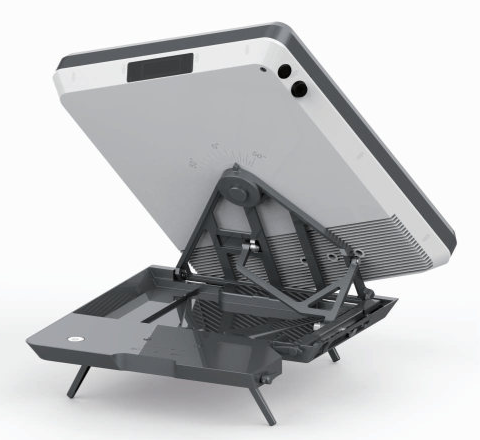
Flat Portable Satellite Terminal 0.35m Aperture Manual Portable Terminal
China Starwin Science & Technology Co., Ltd.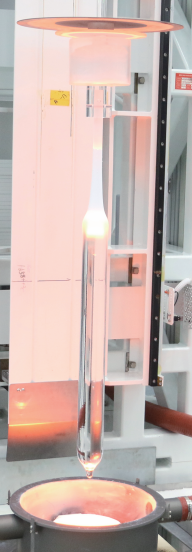
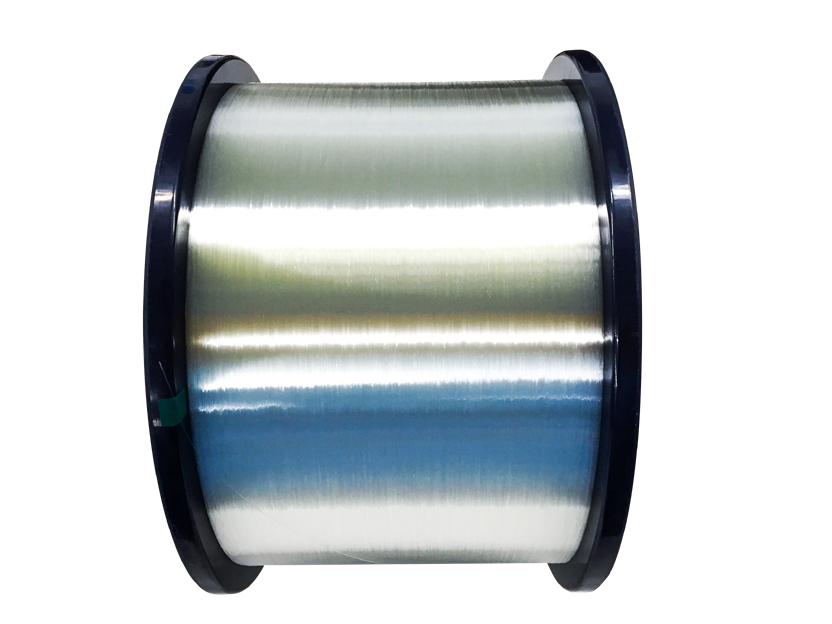
G.652.D Wavelength-extended Non-dispersion Shifted Single-mode Optical Fiber
HONGAN GROUP CO., LTD.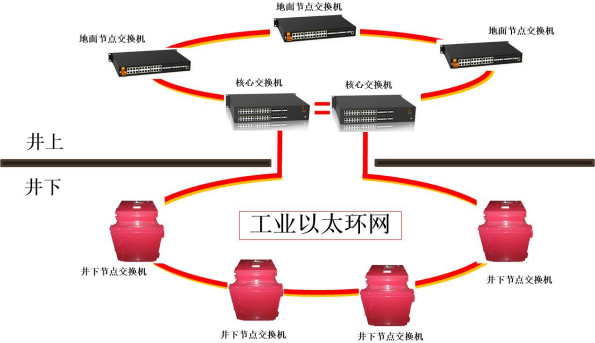
Mine Explosion-proof and Intrinsically Safe Industrial Ethernet Ring Network (10 Gigabit/Gigabit)
Chongqing Mas Sci&Tech Co., Ltd.
MUX Series Communication Interface Device for Security and Stability Control System
Nanjing NR Electric Co., Ltd.